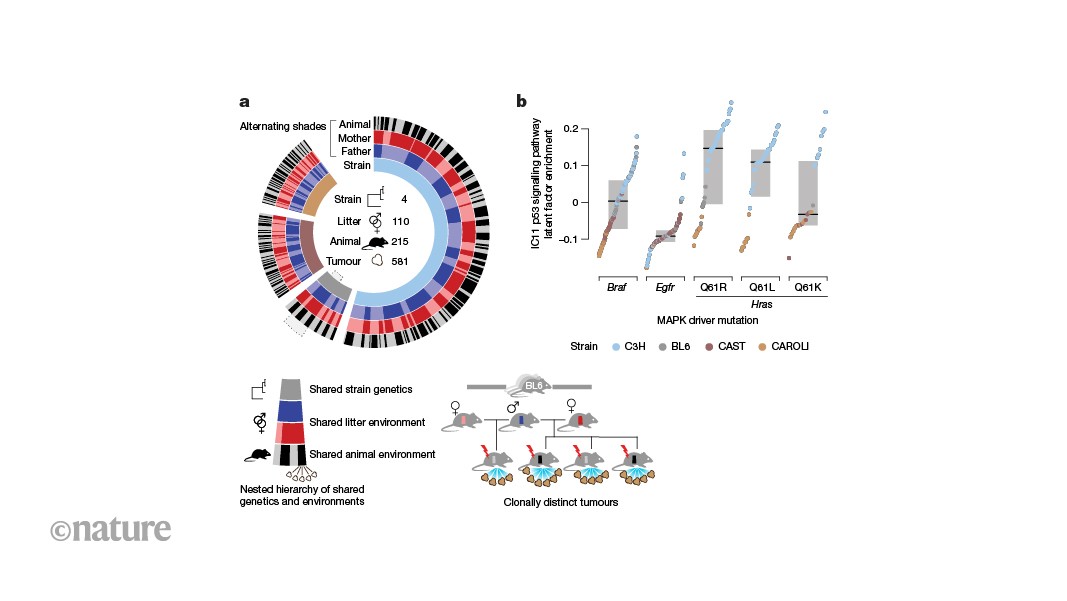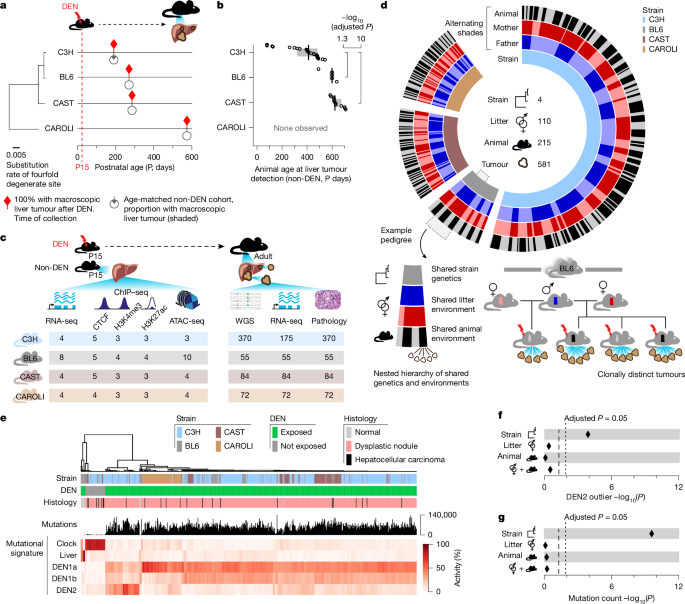
Scientists have uncovered the first direct evidence that inherited genetics can strongly influence cancer risk and help determine how tumors develop over time. The results show that the genes a person is born with can interact with mutations acquired later in life, shaping the evolutionary path a tumor follows.
The discovery may help explain why people living in similar environments can face very different cancer risks. It also suggests that future approaches to cancer prevention and screening may need to consider inherited genetics and the diversity found across human populations.
Published in Nature, the mouse study also indicates that a patient's genetic background could affect how they respond to cancer treatments that damage DNA. This strengthens the argument for diagnostic and treatment strategies tailored more closely to each individual.
Why DNA Damage Does Not Affect Everyone Equally
Cancer begins when DNA errors, known as mutations, accumulate inside cells. These changes can cause cells to multiply too quickly and ignore signals that normally tell damaged cells to die before they become dangerous.