Tumor suppressor genes are often viewed as the body's built-in defense system against cancer. They produce proteins that help maintain and repair DNA, reducing the chances that harmful mutations will accumulate. When these genes stop working properly or are present at low levels, cancer risk can rise.
But new research suggests that having too much of one DNA repair protein can also be a problem.
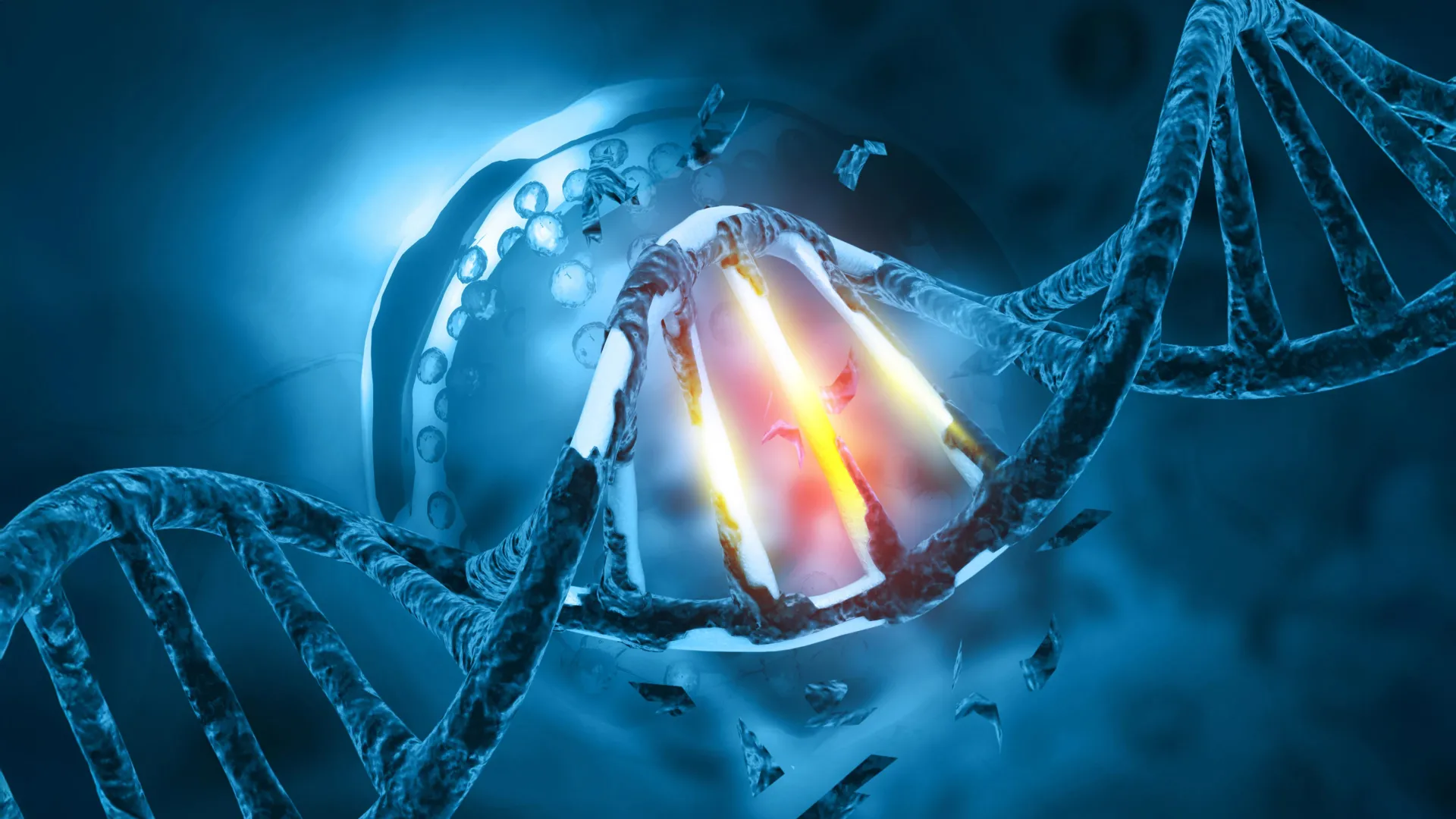
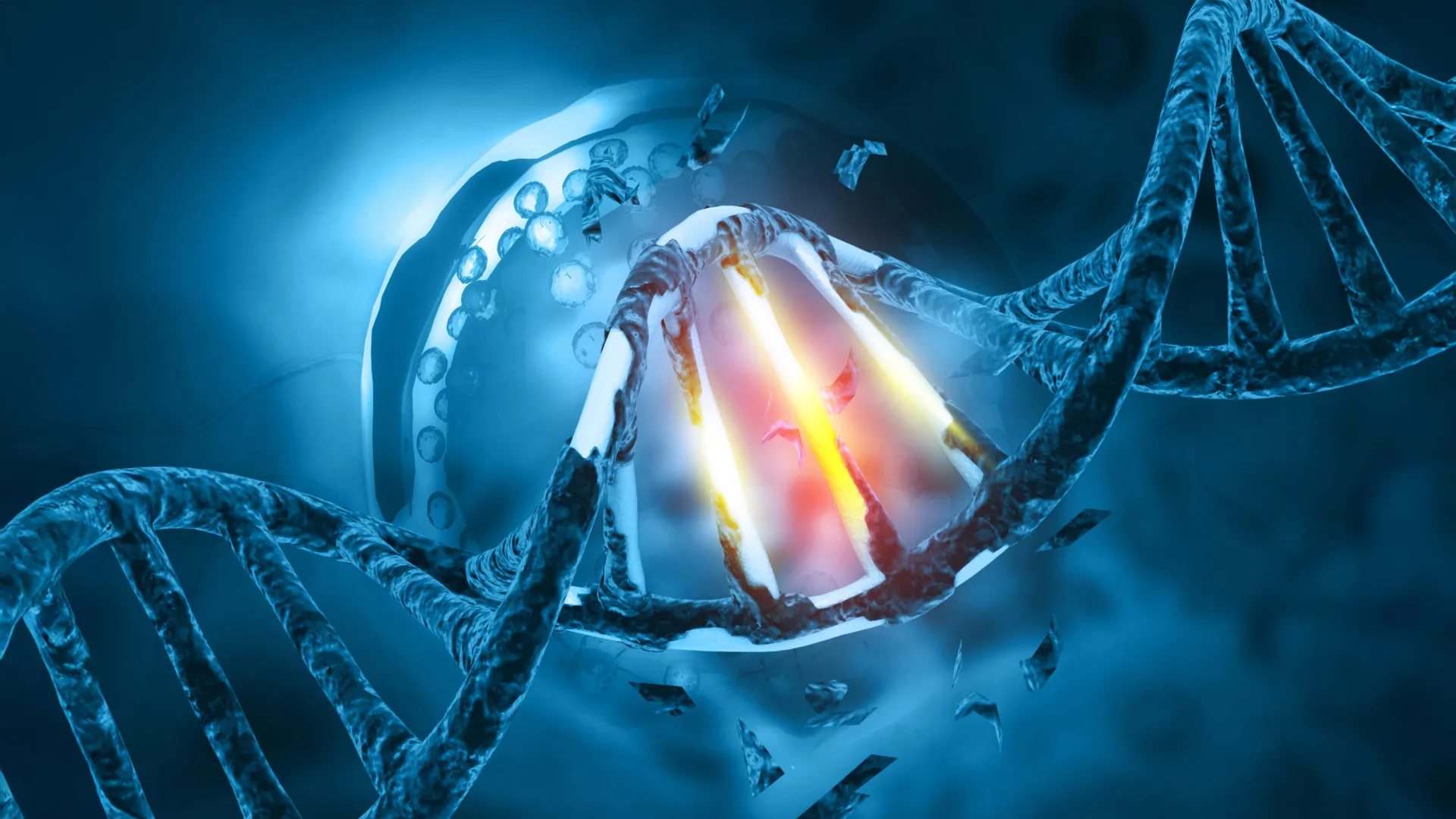
Researchers at Penn State College of Medicine found that excessive activity of the gene EXO1 can damage DNA rather than protect it. Instead of repairing genetic material, too much EXO1 can break down DNA and destabilize the genome, a key feature of cancer.
The findings, published in Nature Communications, show that EXO1 is overexpressed in 20% to 30% of breast and ovarian cancers, as well as in melanoma, testicular, cervical and hepatobiliary cancers, which occur in the liver, gall bladder and bile duct.
The team also discovered that cancer cells with unusually high levels of EXO1 behave much like cells carrying BRCA mutations, which are well known for increasing the risk of hereditary breast and ovarian cancers. Importantly, these BRCA-like behaviors occurred even when no BRCA mutation was present.