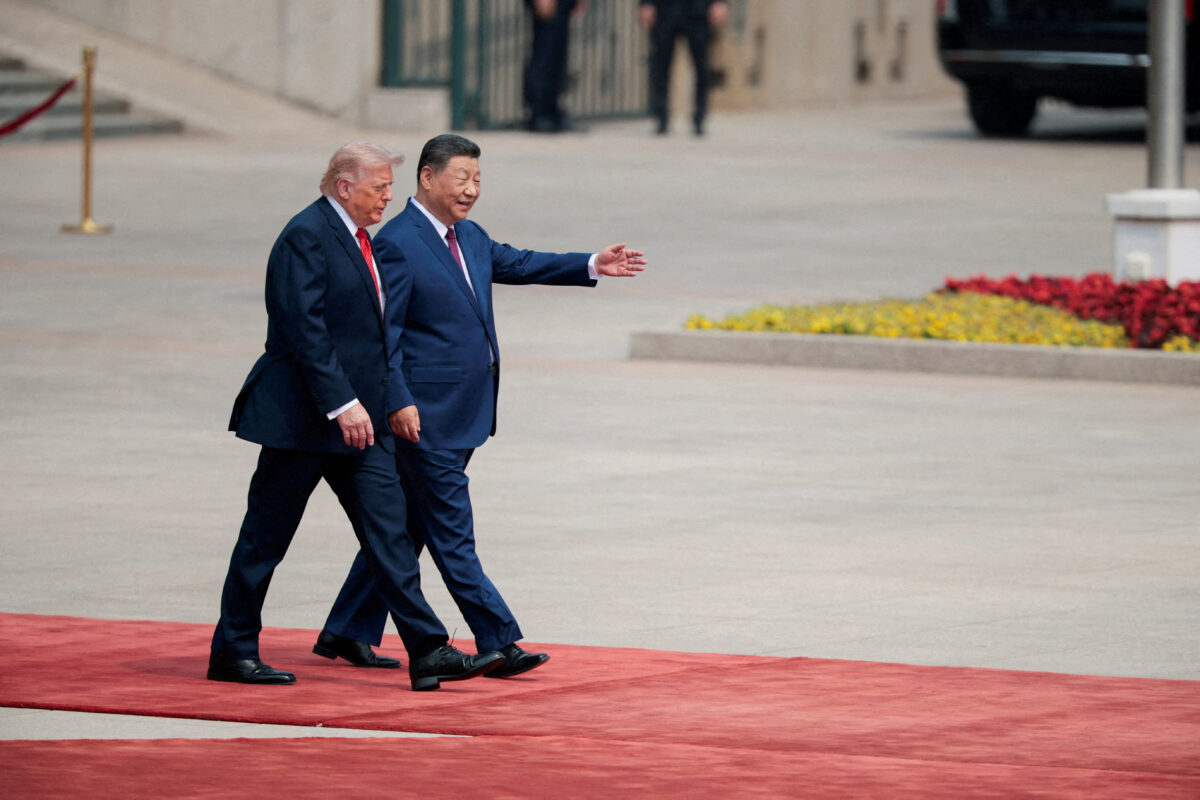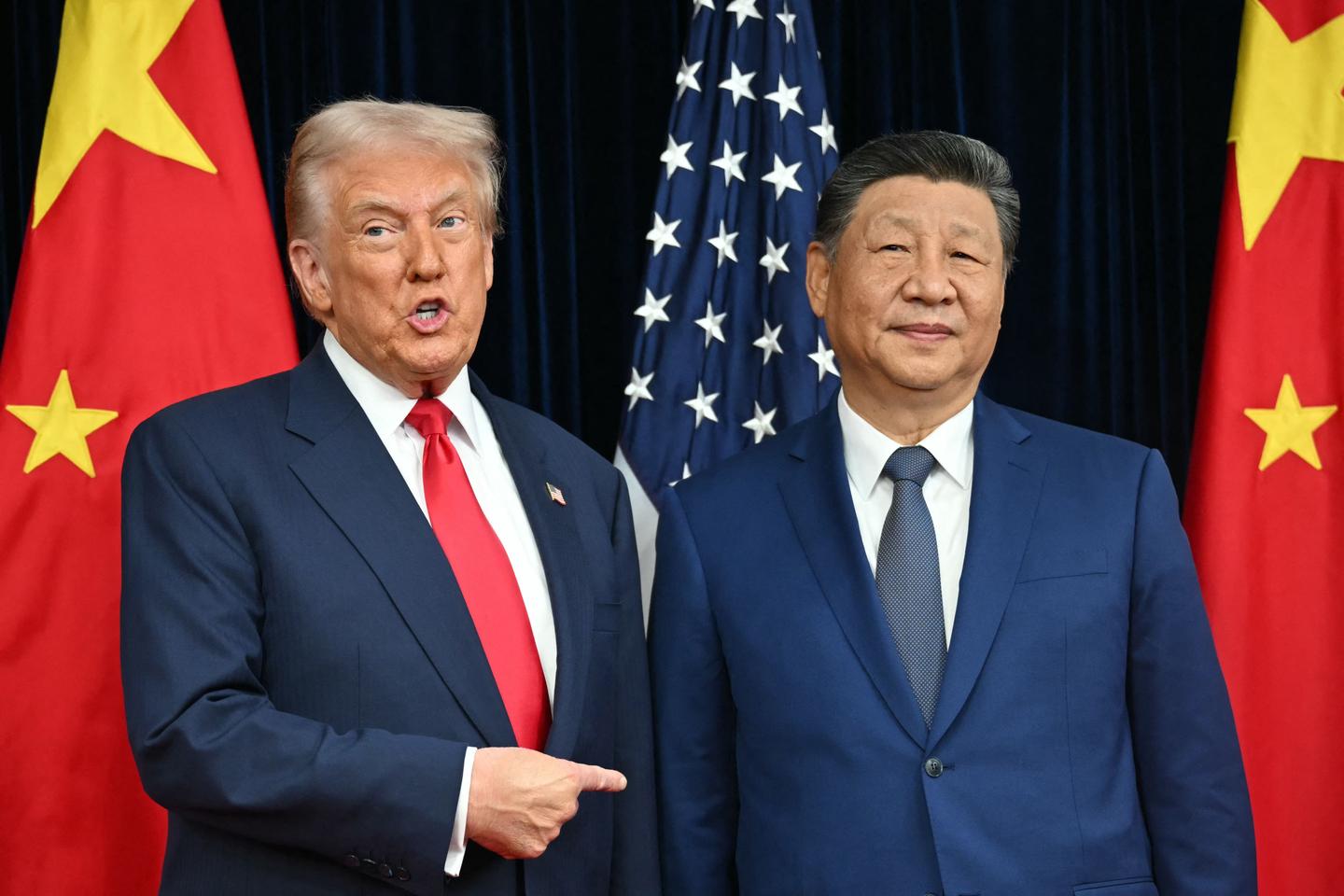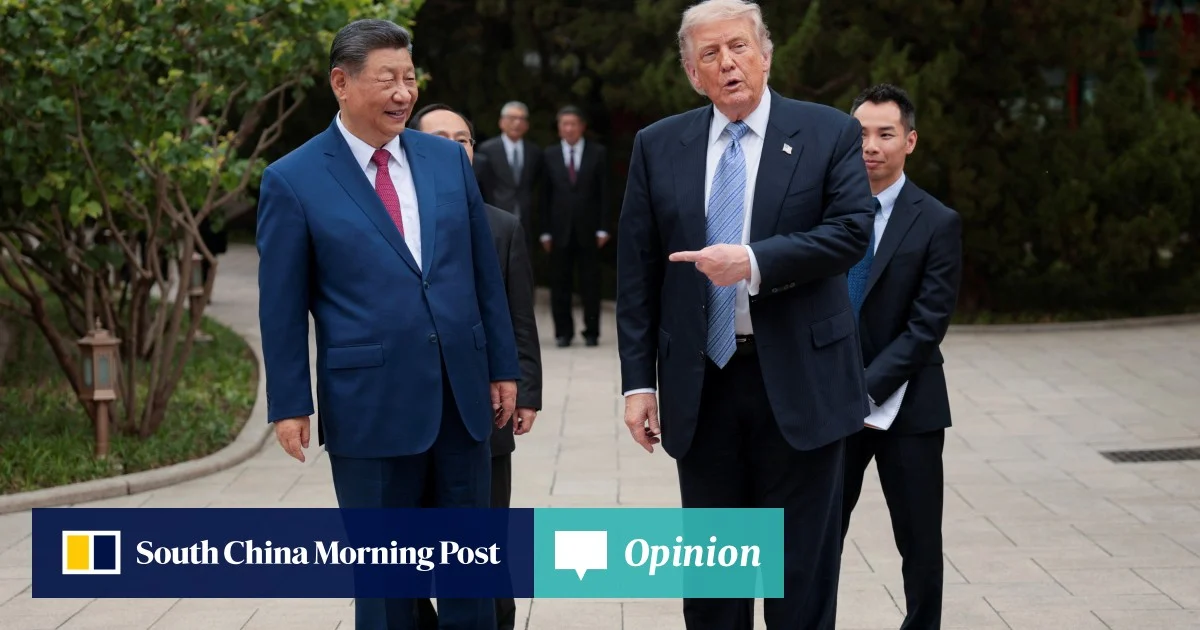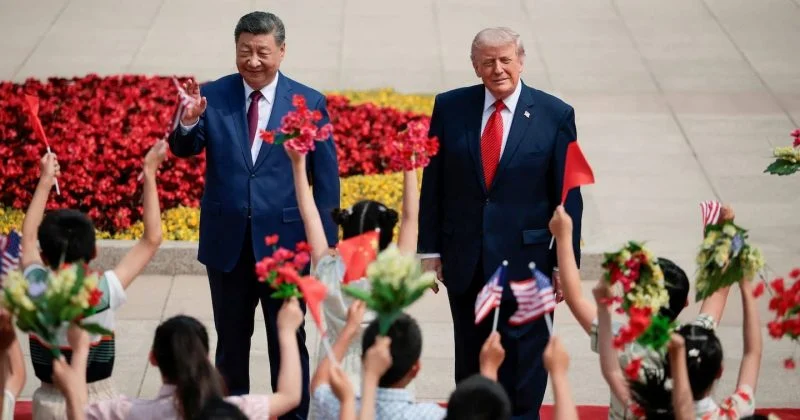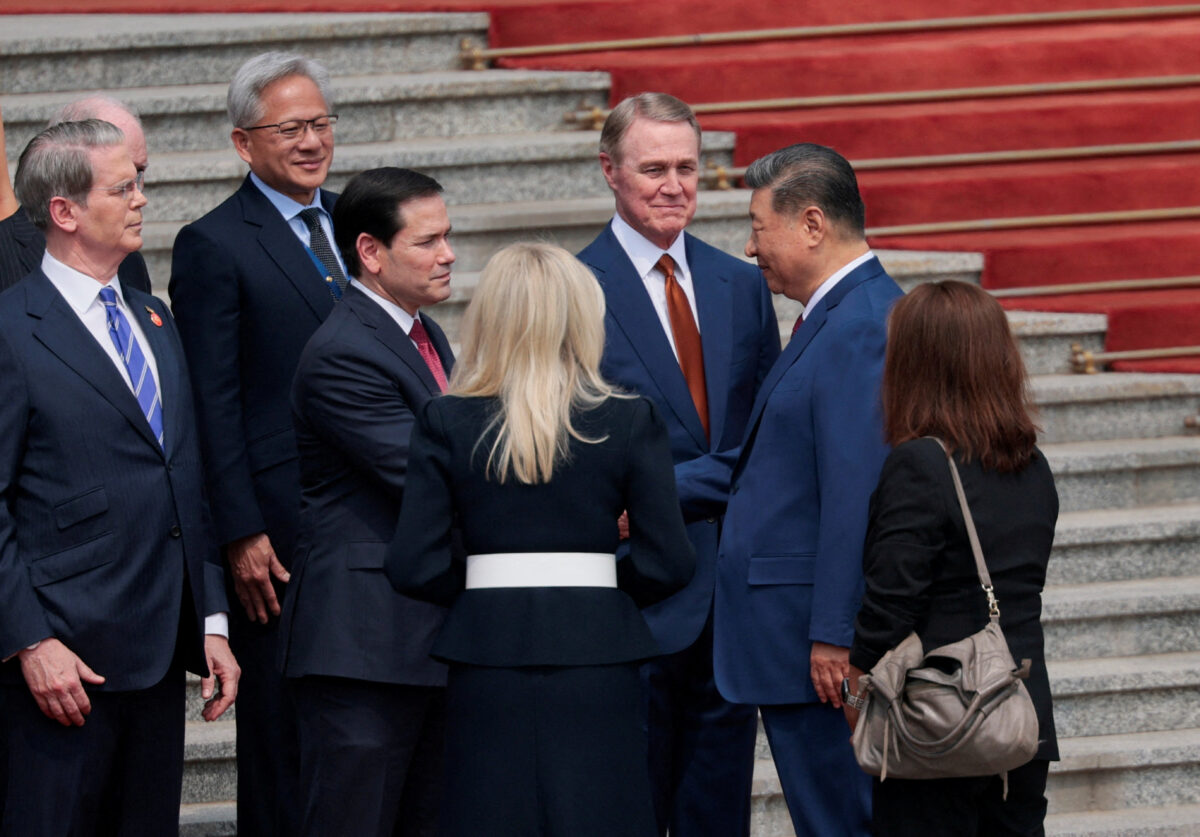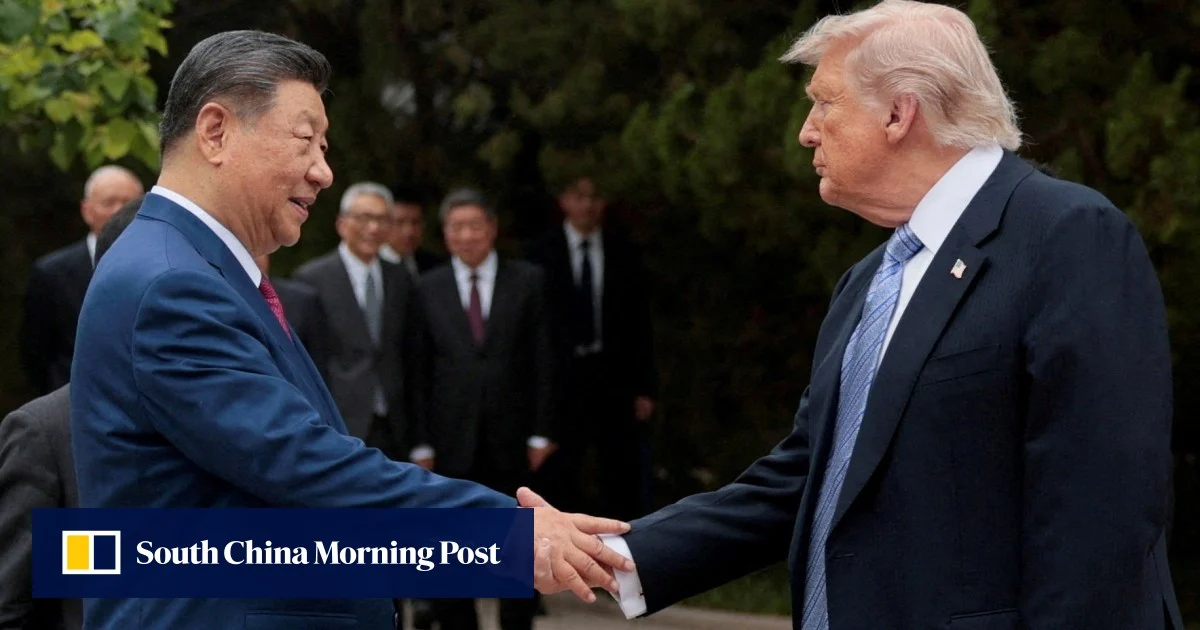
The May 2026 Beijing summit between Chinese President Xi Jinping and US President Donald Trump signalled a fragile stabilisation between the world’s two largest economies. Though the two sides agreed to build a ‘constructive relationship of strategic stability’, the summit pointed to a structural shift, with Beijing absorbing US pressure without major concessions and Washington’s credibility as a bloc leader eroding.
Large middle powers, particularly in the Global South, are now increasingly preparing for a future less dominated by the United States and its allies — including in the domain of technology standards. In a deeply interdependent international system, standards allow interoperability among products and systems across global markets. They also help determine which technologies are developed and disseminated at scale and whose technical preferences acquire structural influence. Yet standards competition is not a duopoly between Washington and Beijing. Middle powers across the Asia Pacific are gaining prominence in this contest, having adopted various strategies to shape the standards governing emerging technologies.
South Korea and Taiwan build influence inside standards-development organisations (SDOs) through technical contributions, patent portfolios and leadership positions. This strategy is mainly driven by globally competitive private-sector technology firms in both economies. South Korean firms such as Samsung and LG are among the leading contributors to 5G proposals at 3GPP, a partnership of international standards organisations, and account for an estimated 15–20 per cent of 5G standard-essential patents.