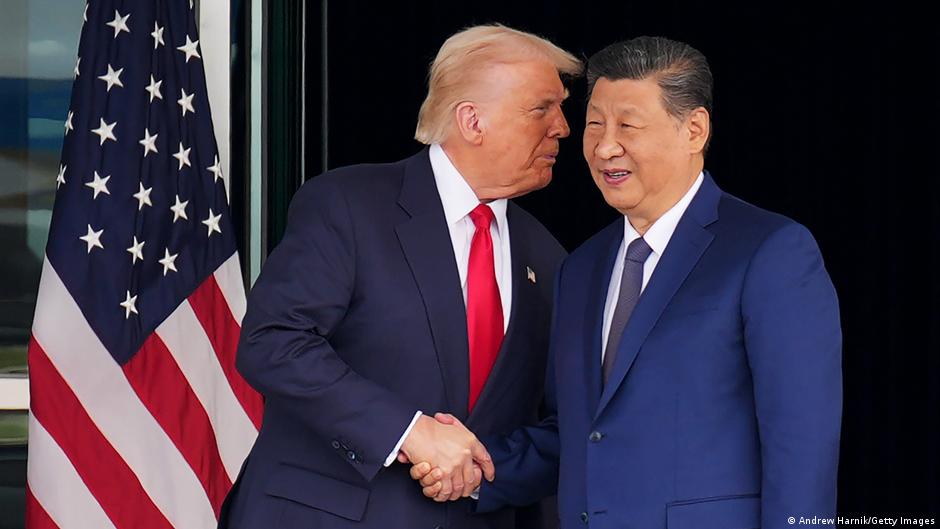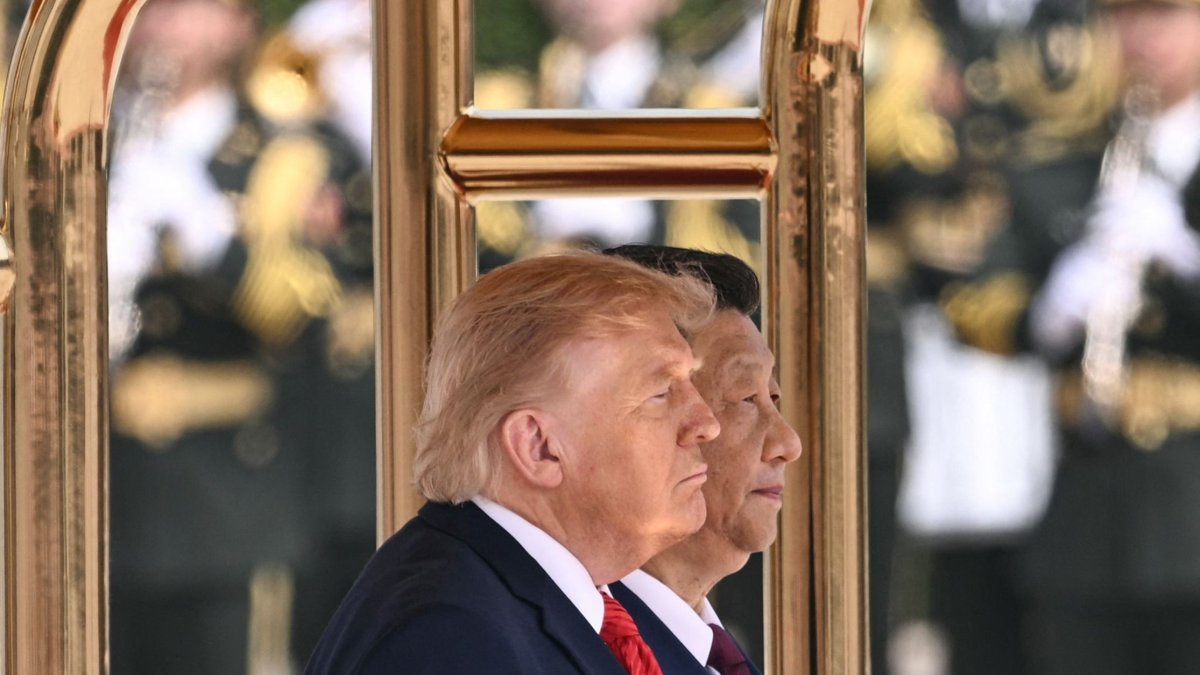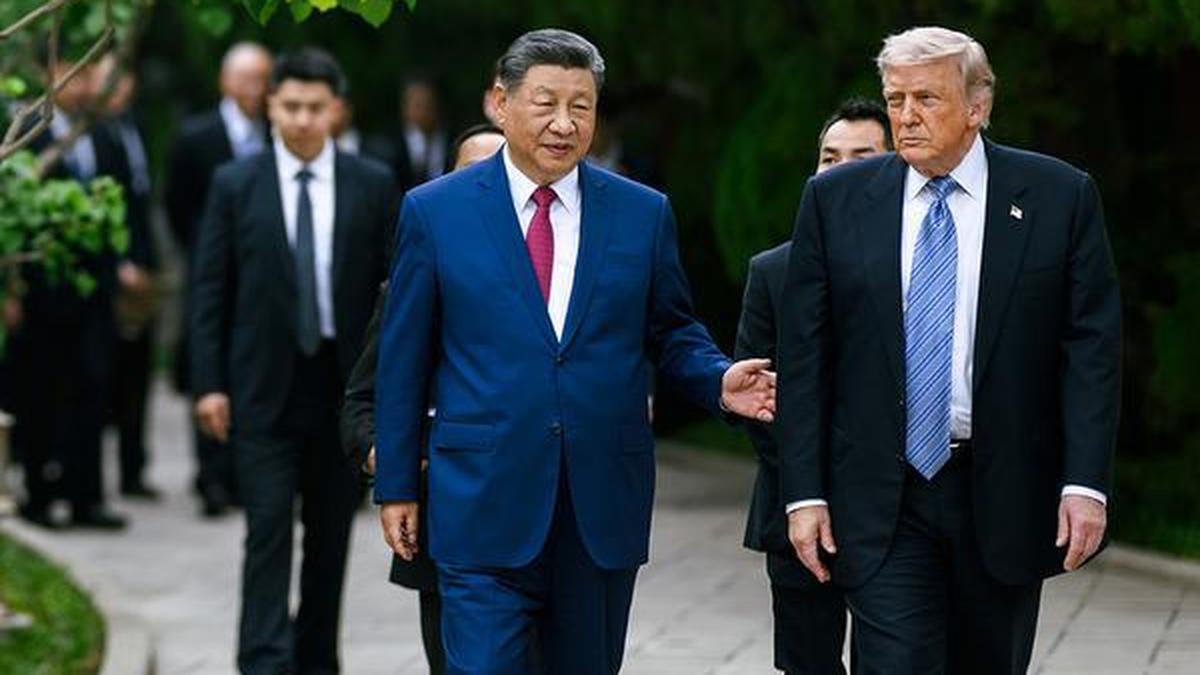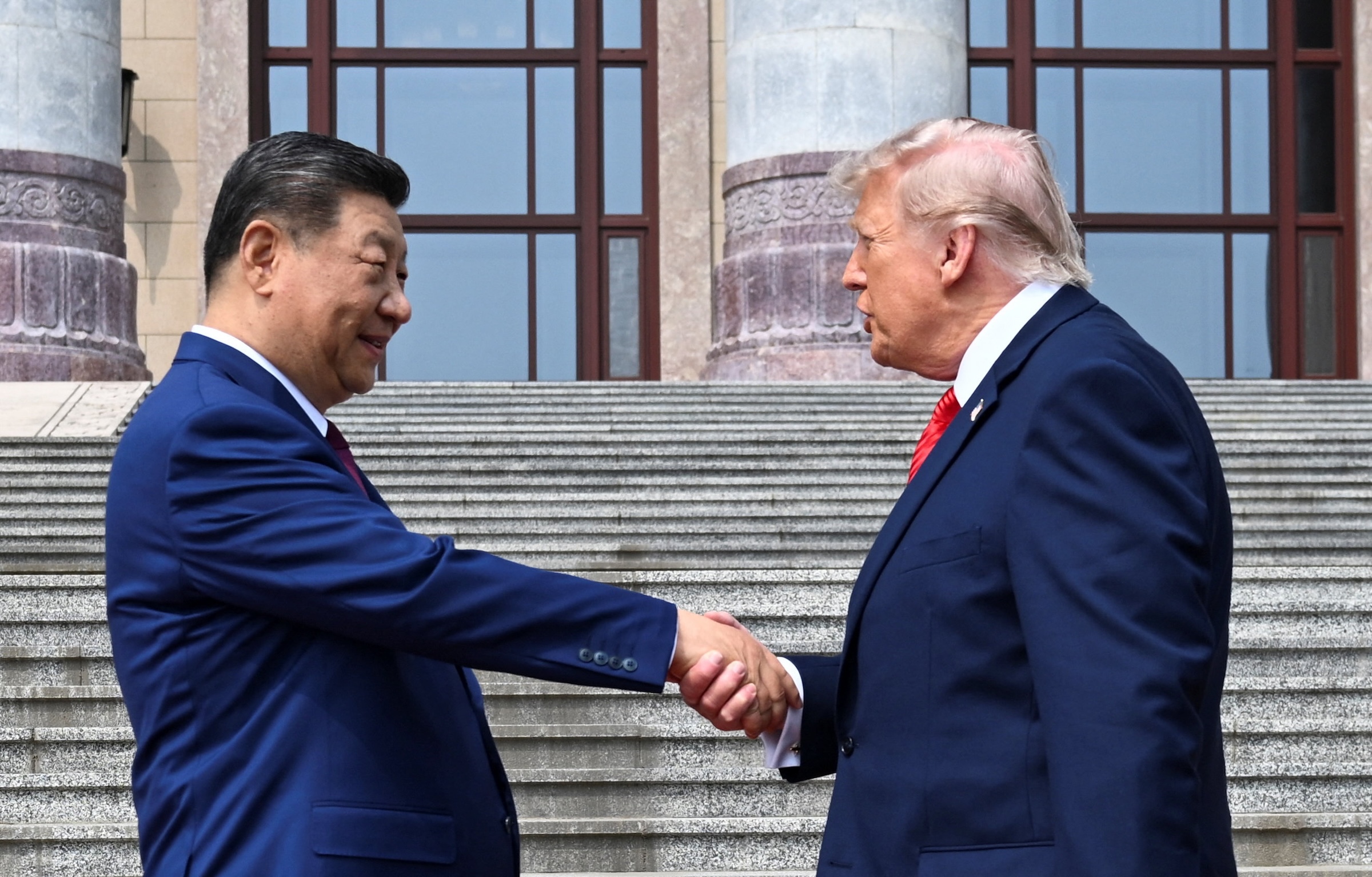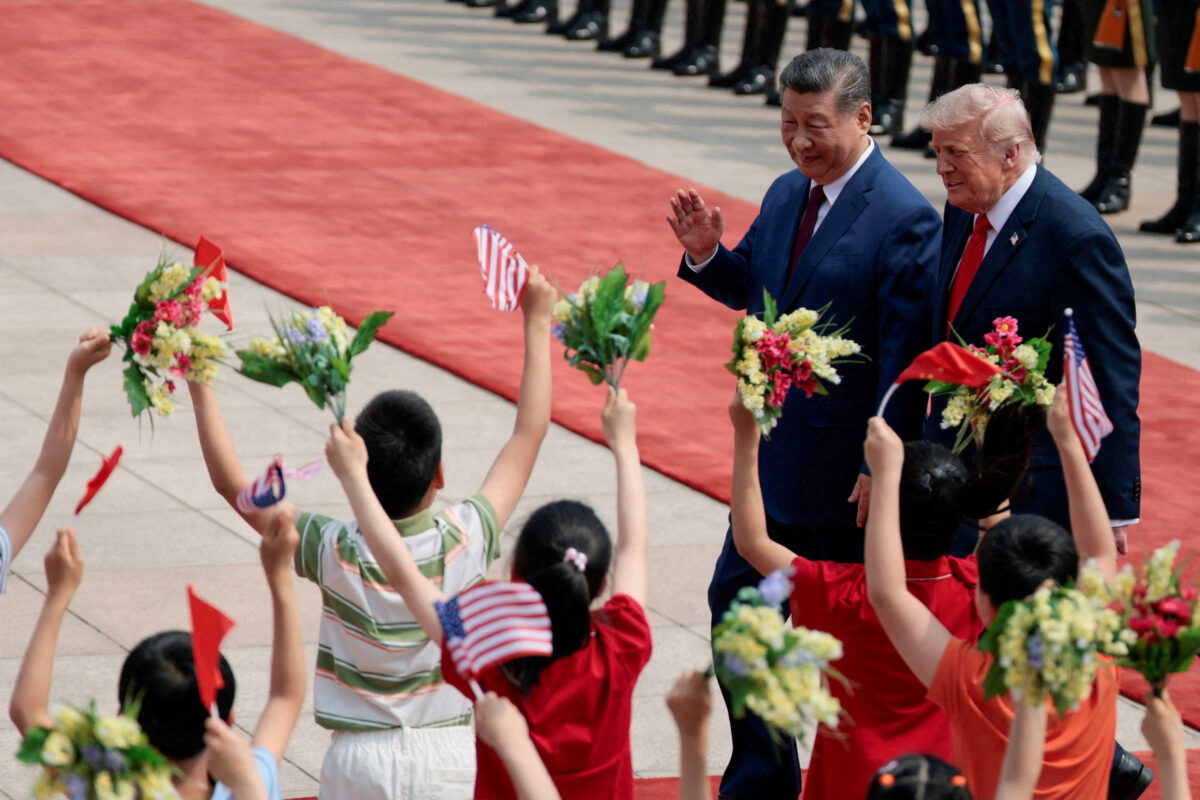
US President Donald Trump’s May 2026 visit to Beijing was widely judged by the usual metrics of great power diplomacy — whether the two leaders resolved trade tensions, reached an understanding on issues like Taiwan, Iran and artificial intelligence, or if the balance of power shifted. By those measures, the answers seemed to be no on all accounts, with some calling it a ‘stalemate summit’.
But the meeting’s significance lies in how it marks a wider global emotional shift. The image of a US president arriving in Beijing to court Chinese President Xi Jinping captured a changing world in which US authority — both material and emotional — no longer feels self-evident.
Emotional authority includes the power to set and enforce the ‘feeling rules’ of political life — to decide whose grief, anger, fear or hope are deemed legitimate, irrational or dangerous. China’s rise is not only changing the balance of power, both in terms of ‘hard’ metrics like military and economic might and through ‘softer’ means like diplomacy and cultural influence. It is also reshaping the emotional conditions under which the global order is experienced, contested and legitimised.
To understand this shift, we need to move beyond the assumption that the United States and its allies once enjoyed stable moral leadership that has recently come under pressure. For many, the so-called liberal rules-based order never felt especially liberal or orderly. Colonial violence, military interventionism, exploitative economic restructuring and selective humanitarianism has long shaped scepticism towards Western claims to universal authority.