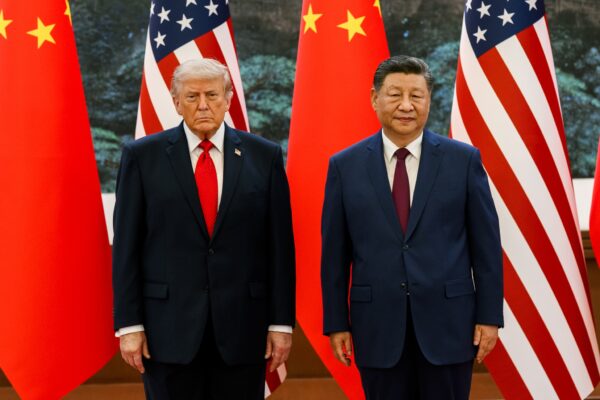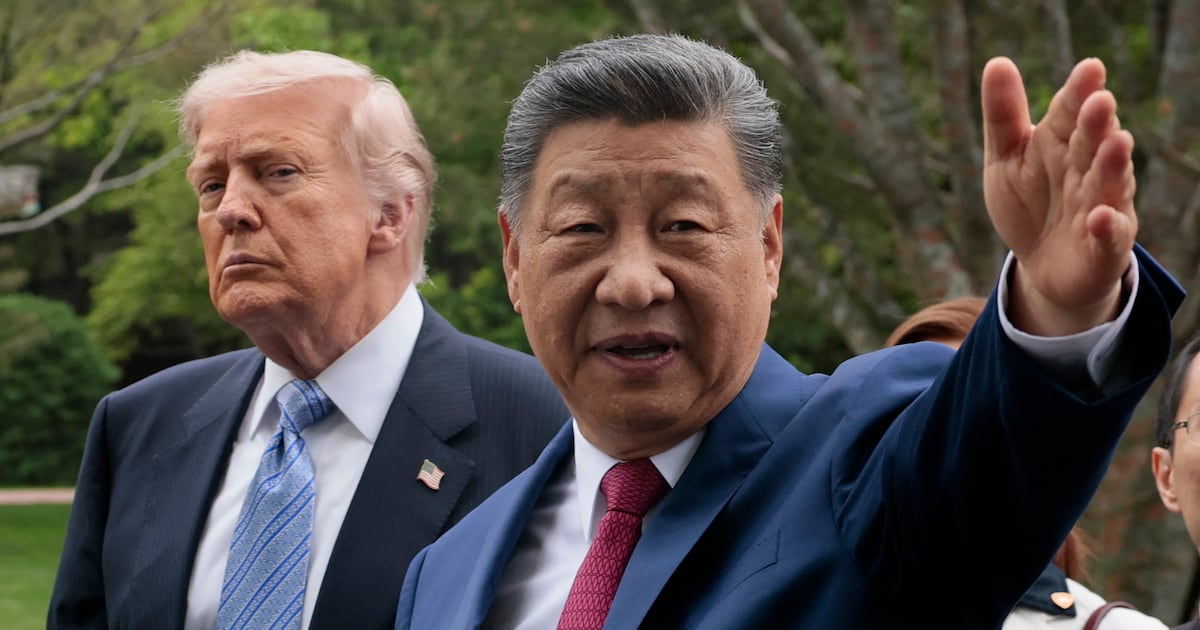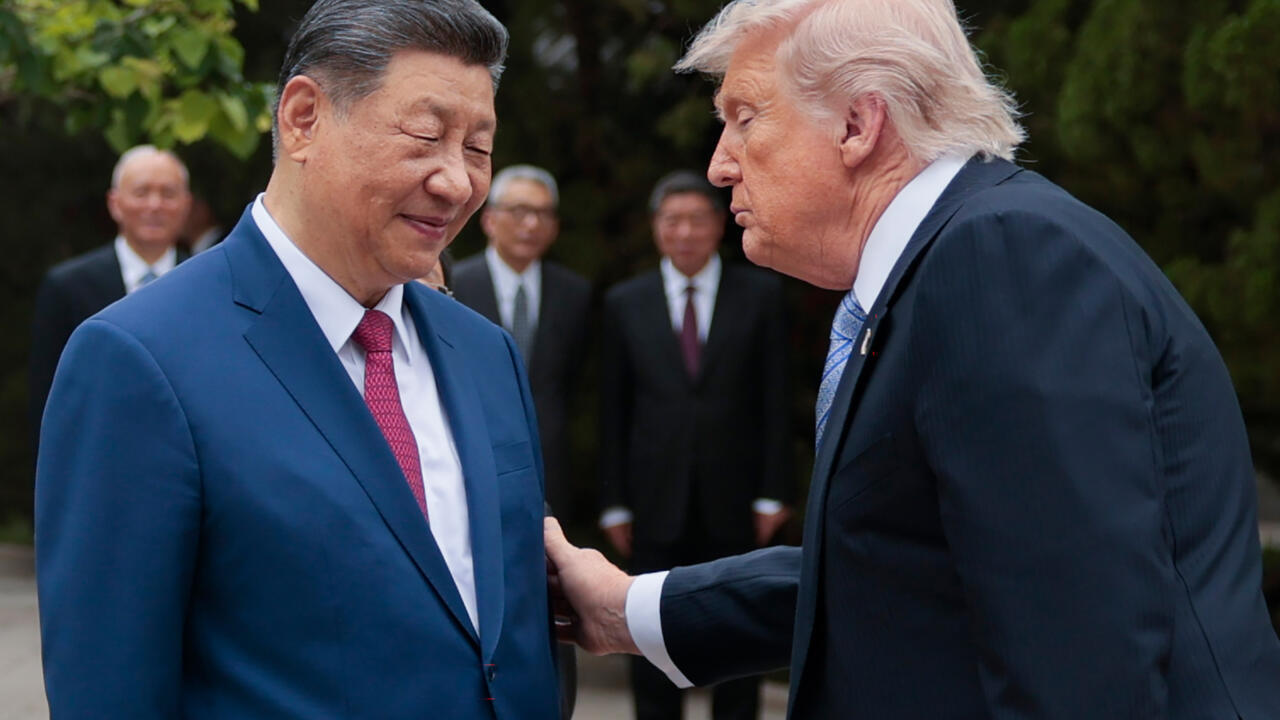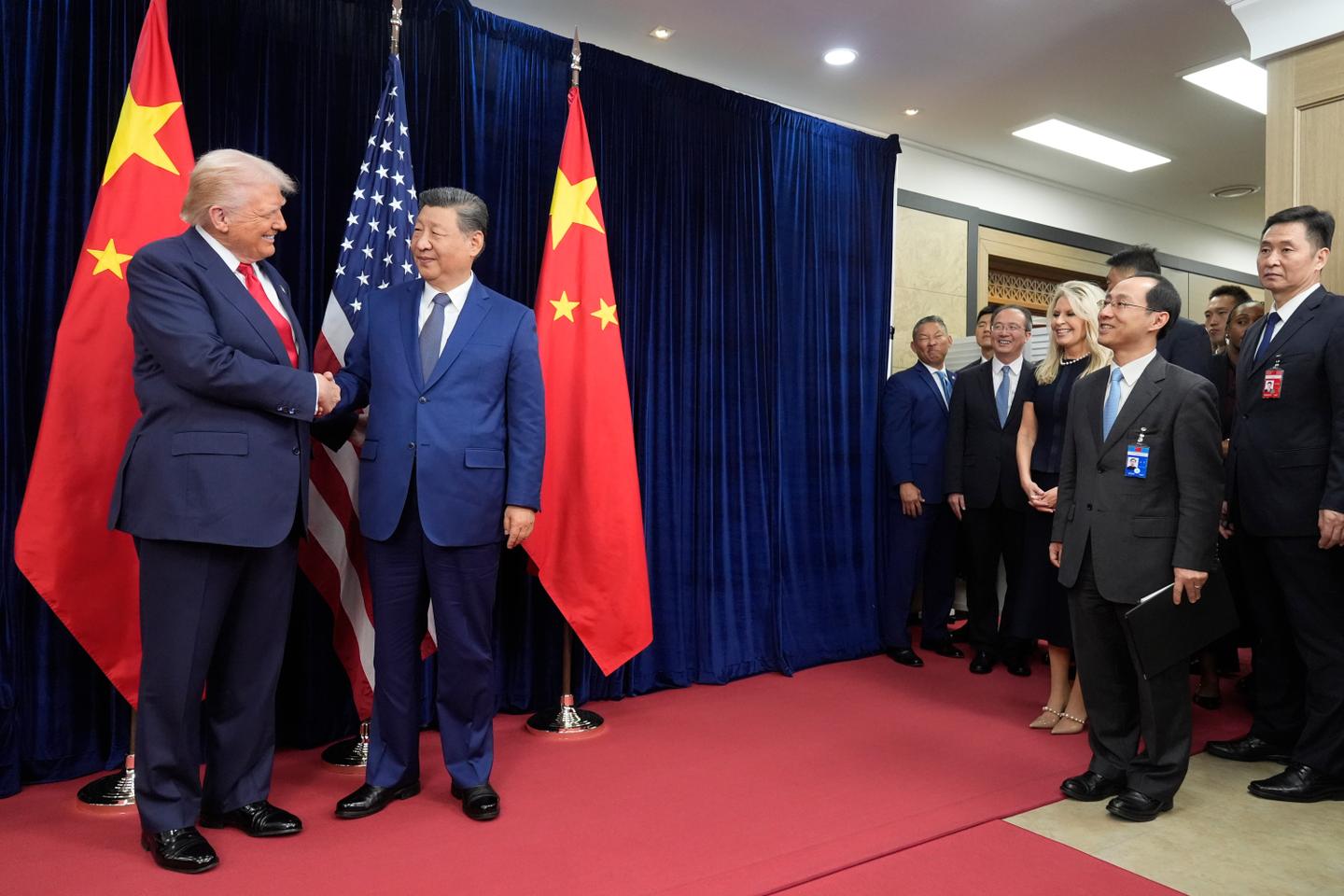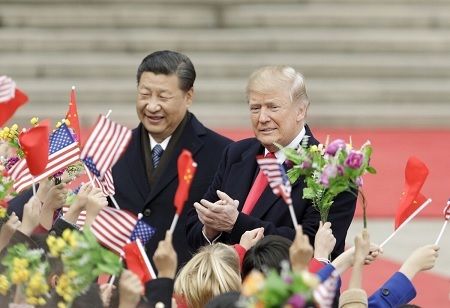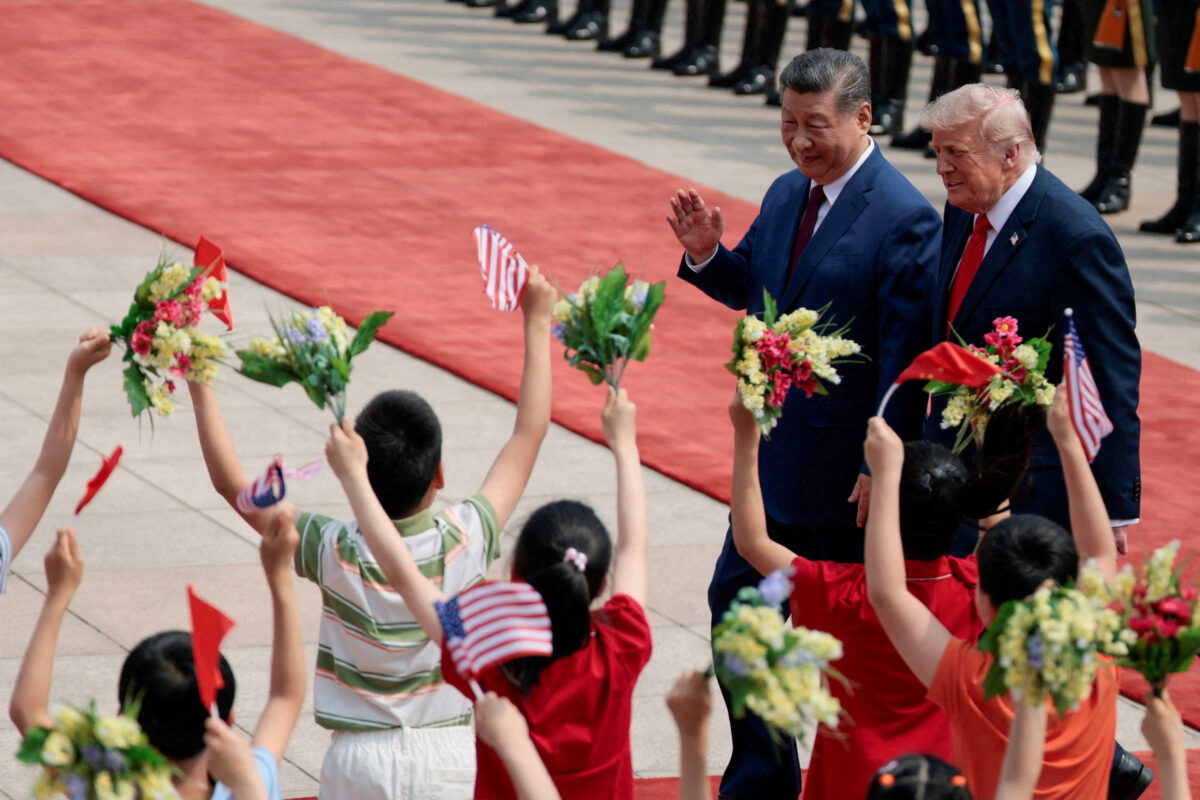
On May 13–15 2026, over eight years after his first ‘state visit-plus’ to Beijing, US President Donald Trump paid a lower key, yet higher stakes state visit to China. Trump’s meeting with Chinese President Xi Jinping resulted in a host of commitments, including a scheduled reciprocal visit to Washington in September 2026, signalling that hope for strategic restraint could yet return to the bilateral relationship.
The bottom had begun to fall out of the US–China relationship a month after Trump’s November 2017 visit to Beijing, with the publication of the 2017 National Security Strategy. The 2017 National Security Strategy characterised China as a ‘revisionist’ power that was engaged in long-term ‘geopolitical competition’ with the United States. Following a Section 301 probe into China’s technology transfer policies and practices, the US–China trade war was initiated in March 2018. In May 2019, the technology war was kicked into higher gear when Huawei was placed on the US Department of Commerce’s Entity List.
China and the United States — or at least its president — appear to have come full circle this May.
In Beijing, the two presidents utilised the steering wheel of leaders-led diplomacy to nudge their bilateral relationship towards one of ‘constructive strategic stability’ based on ‘fairness and reciprocity’. For Xi, it anticipates a more facilitative environment to attend to China’s modernisation goals. For Trump, it connotes a less imbalanced trade relationship that advances the interests of US businesses. Their divergent purposes aside, the framing is as welcome as it is necessary. Ever since the breakdown of the strategic consensus that Richard Nixon, Mao Zedong and Henry Kissinger bequeathed, the bilateral relationship has groped unsuccessfully in search of a new guiding strategic framework.