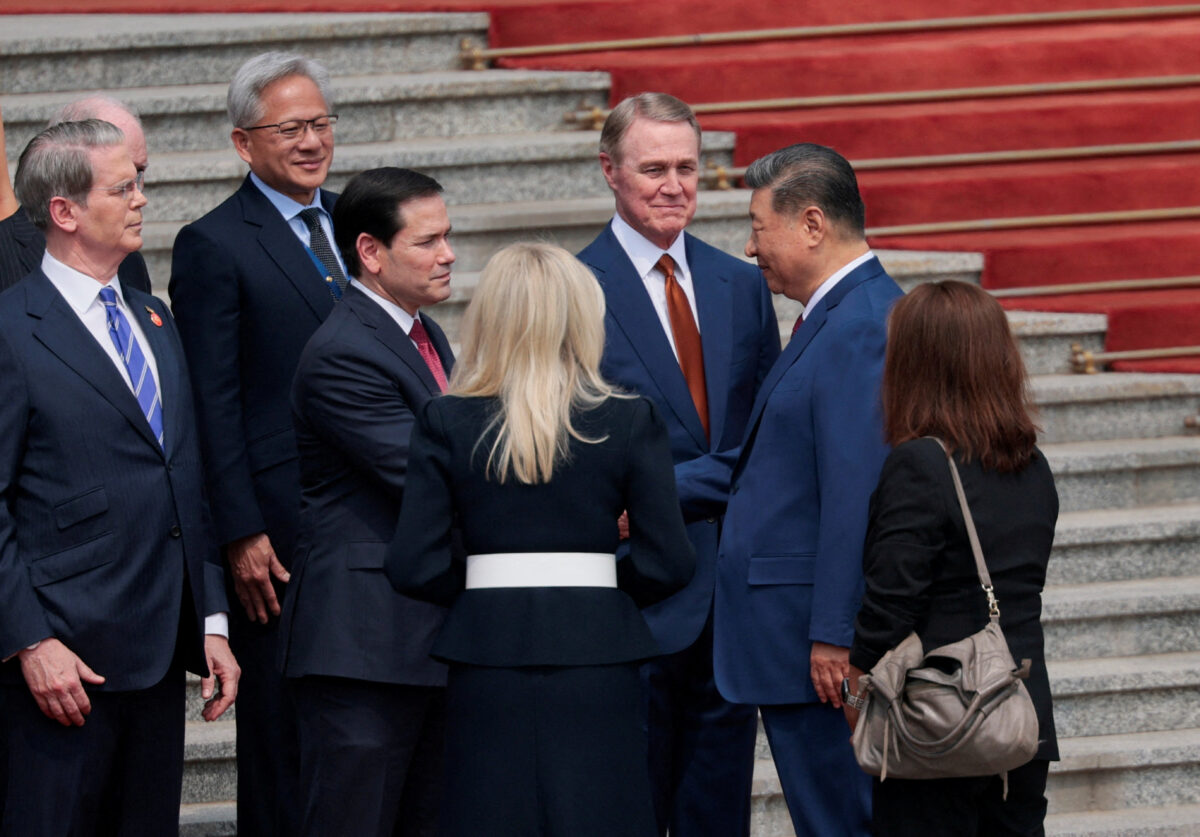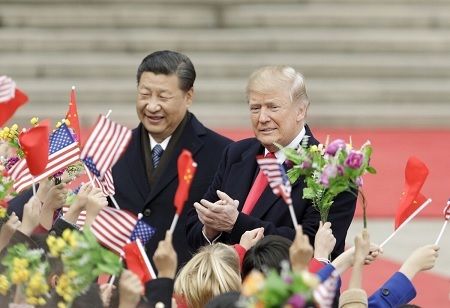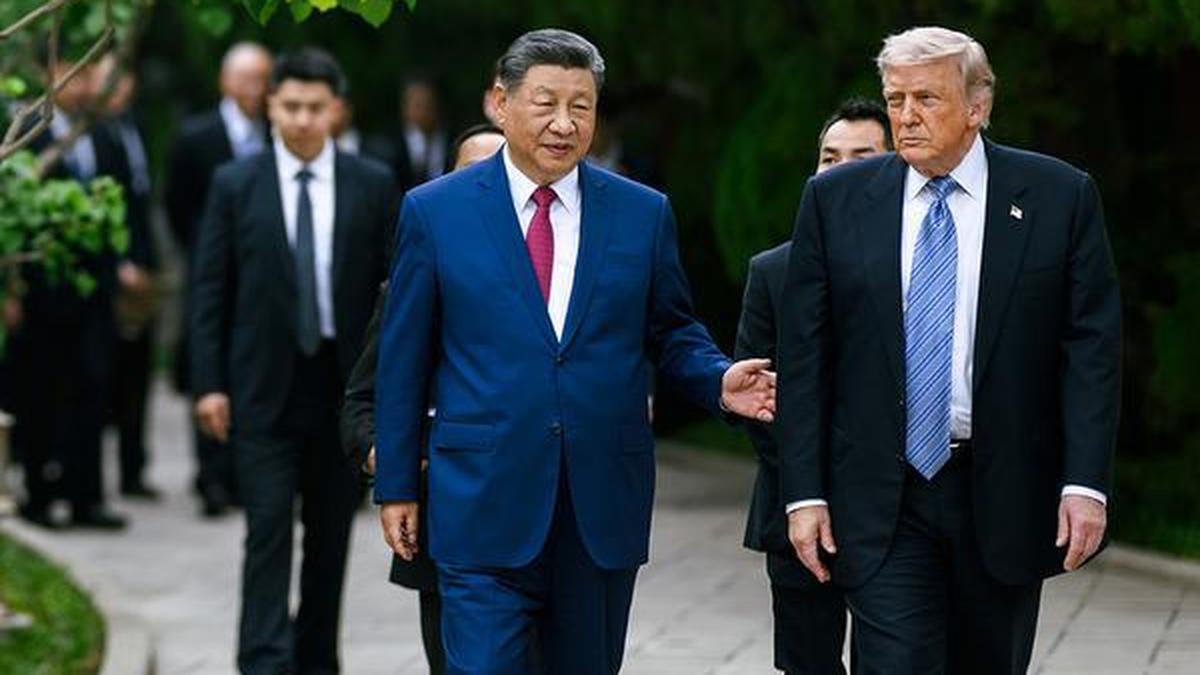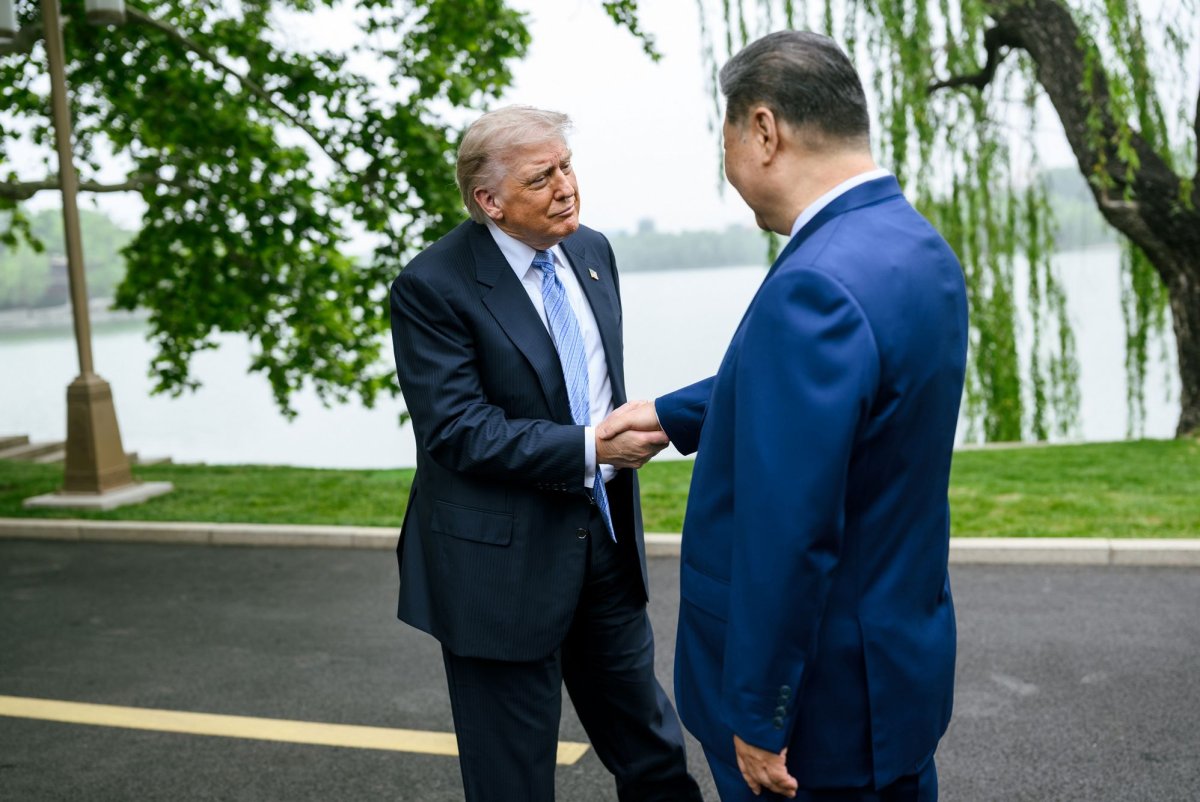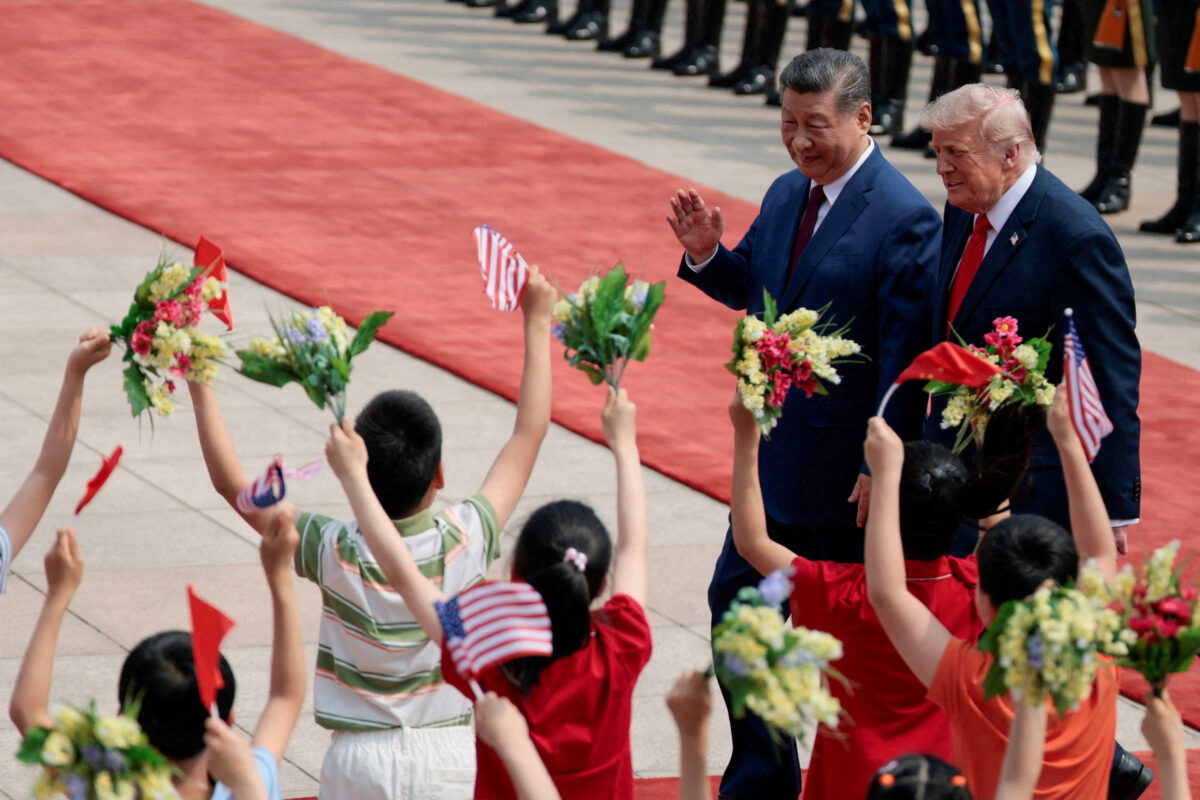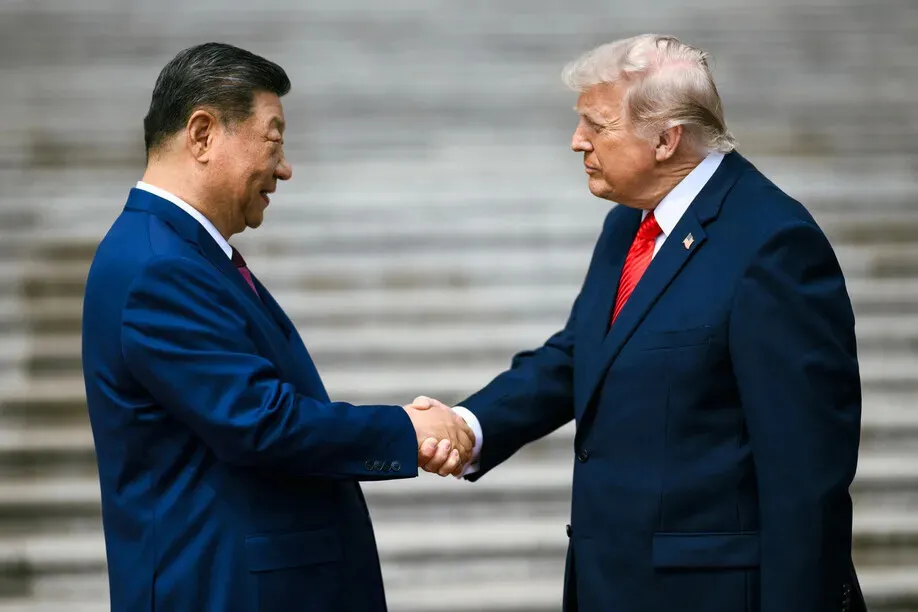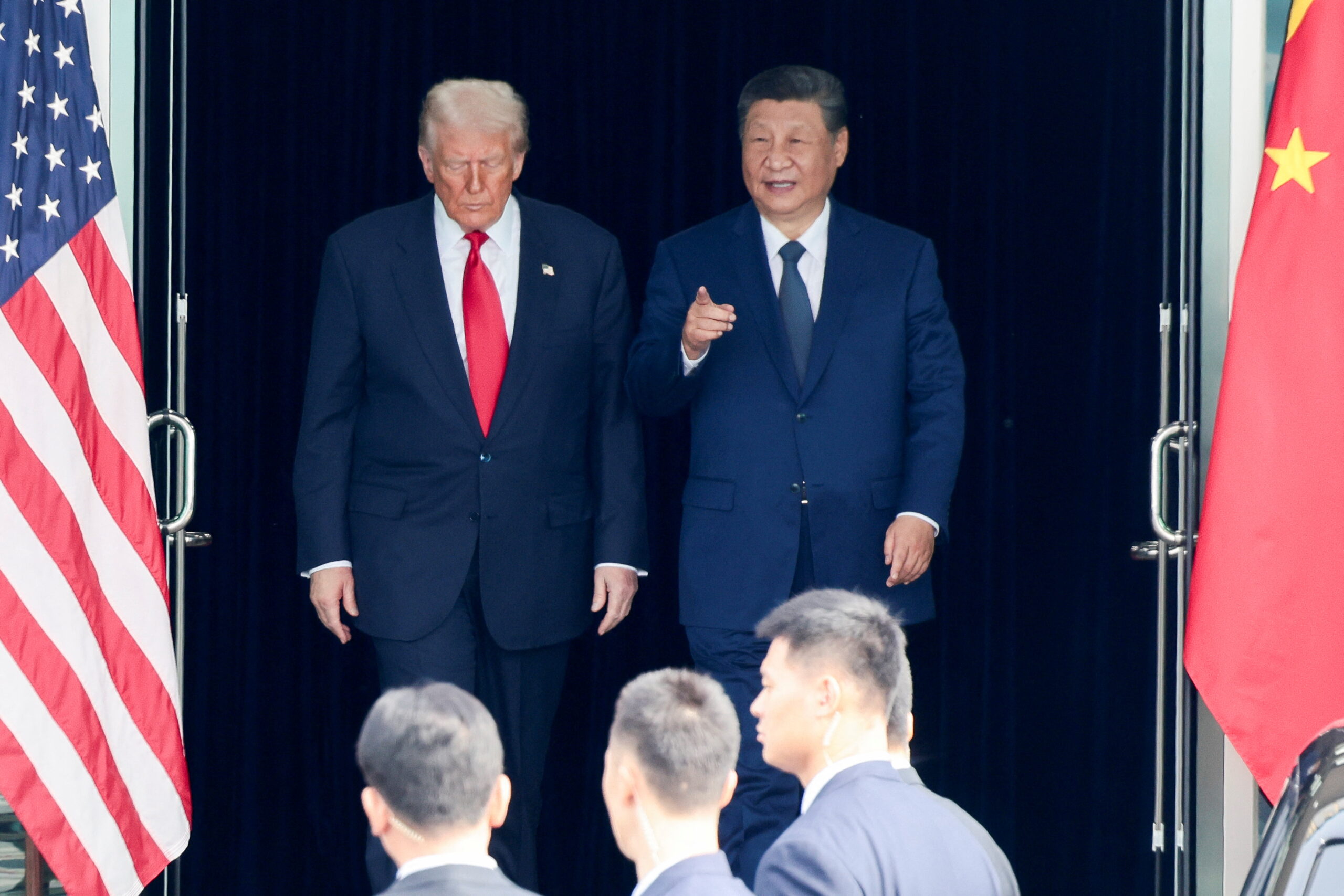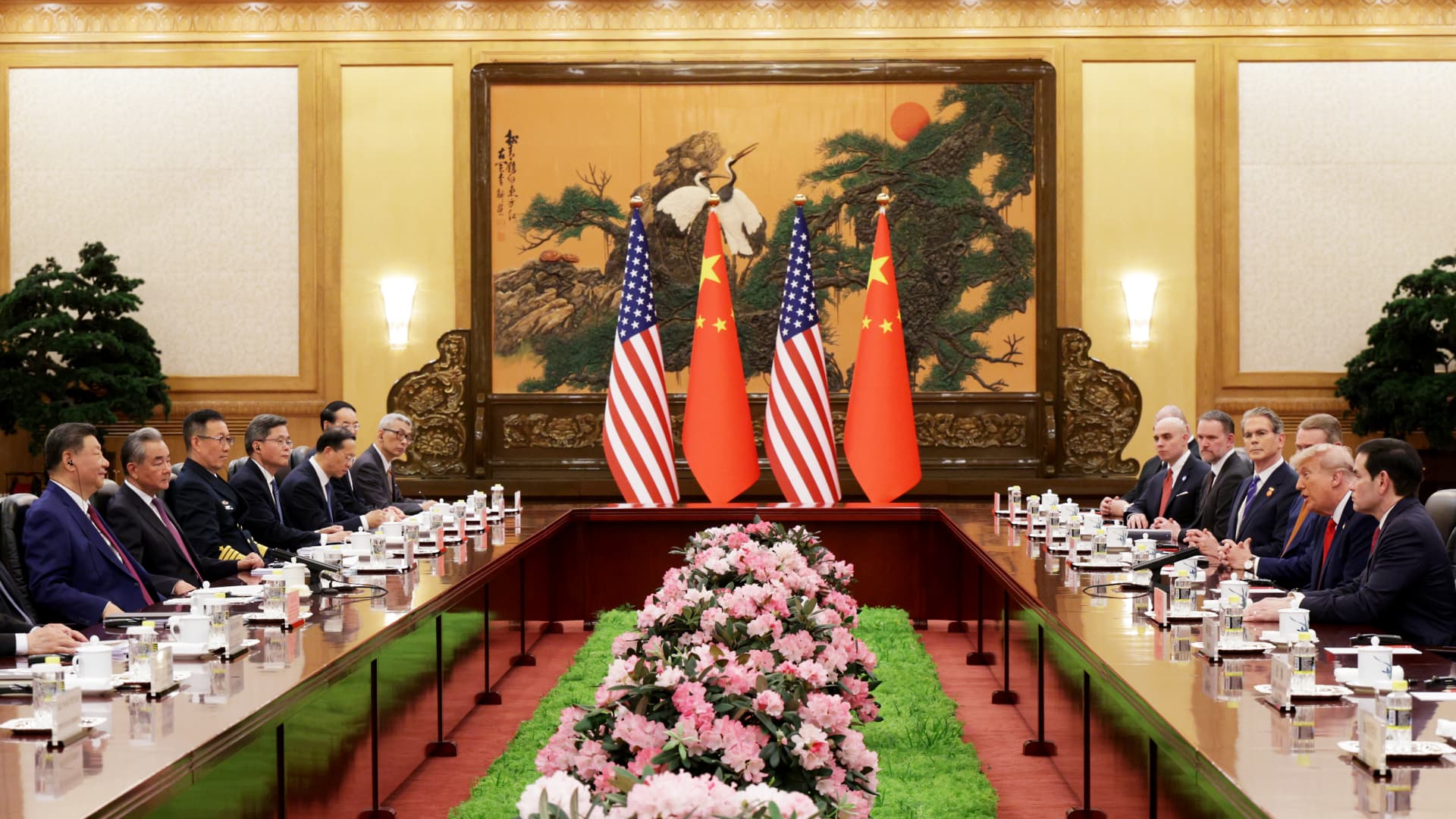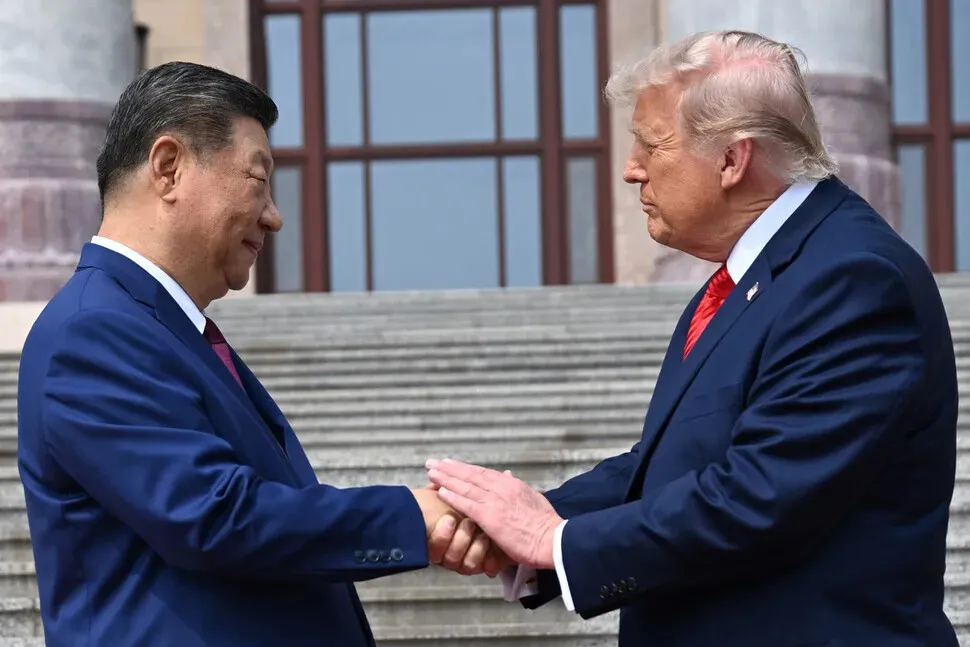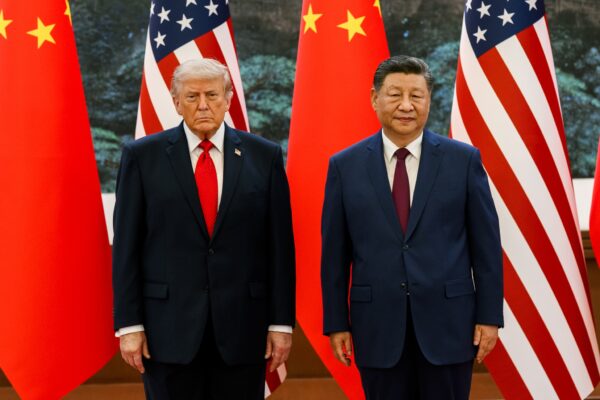
U.S. President Donald Trump participates in a welcome ceremony with President Xi Jinping of the People’s Republic of China at the Great Hall of the People in Beijing, China, May 14, 2026.
The U.S.-China summit held in Beijing on May 14, 2026 has made it clear what shape U.S.-China relations will take for the remainder of the second Trump administration. Most notably, the term “constructive and stable strategic relationship” announced by the Chinese in agreement with the U.S. is likely to carry a host of implications.
Beijing had previously proposed a “new type of major-country relationship,” in which China and the U.S. would respect each other’s core interests, a state that the Chinese seemingly felt that the then Obama administration had accepted to some extent. However, bilateral relations deteriorated considerably toward the end of Obama’s time in office, and then the shape of relations became noticeably blurred during Trump’s first term in office. At the time, Japan was enjoying good relations with Washington, while China had normalized relations with Japan. That led to the famous episode when Chinese President Xi Jinping asked then Japanese Prime Minister Shinzo Abe to convey Beijing’s intentions to Trump. Years later, and not much has changed.