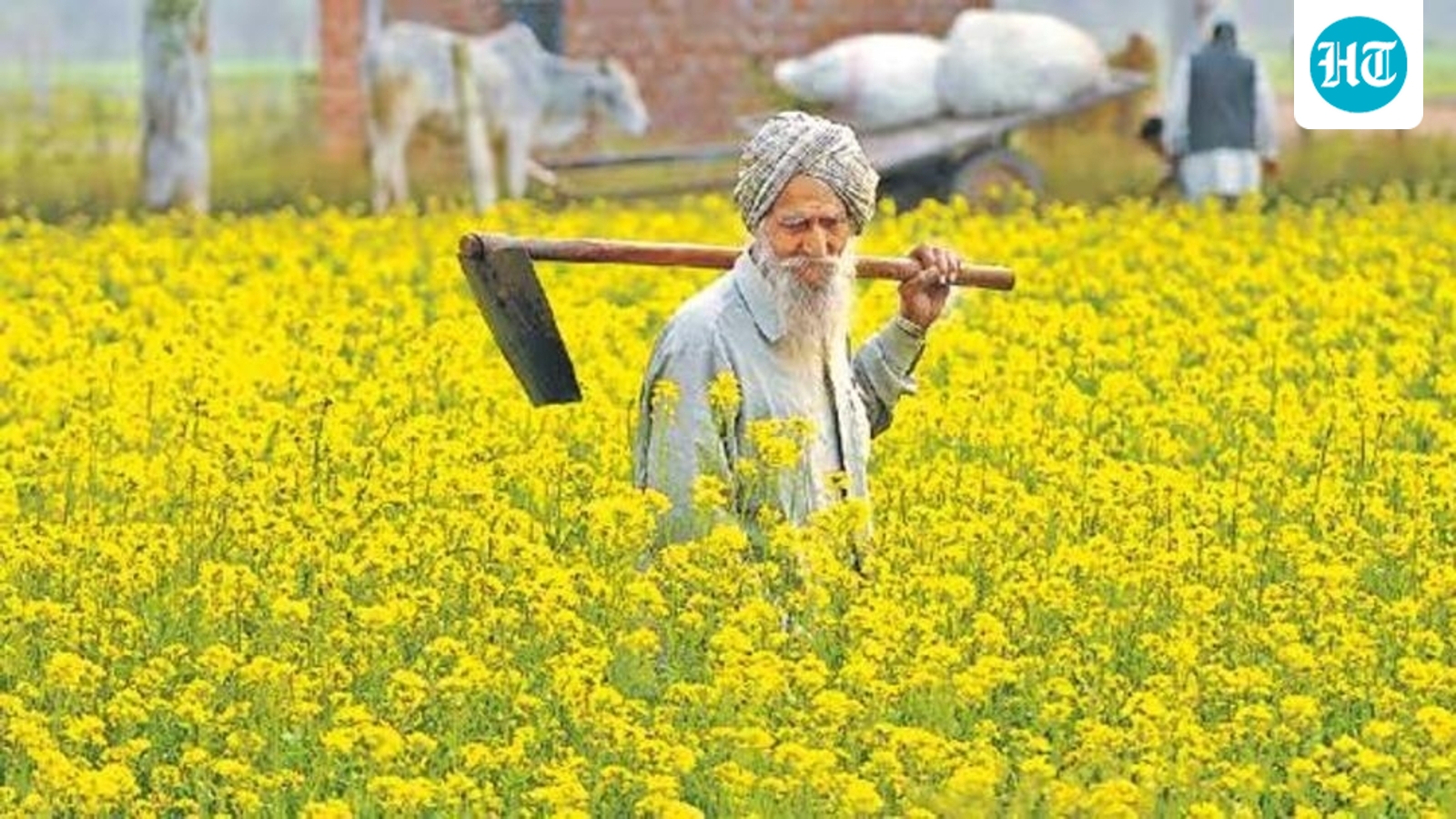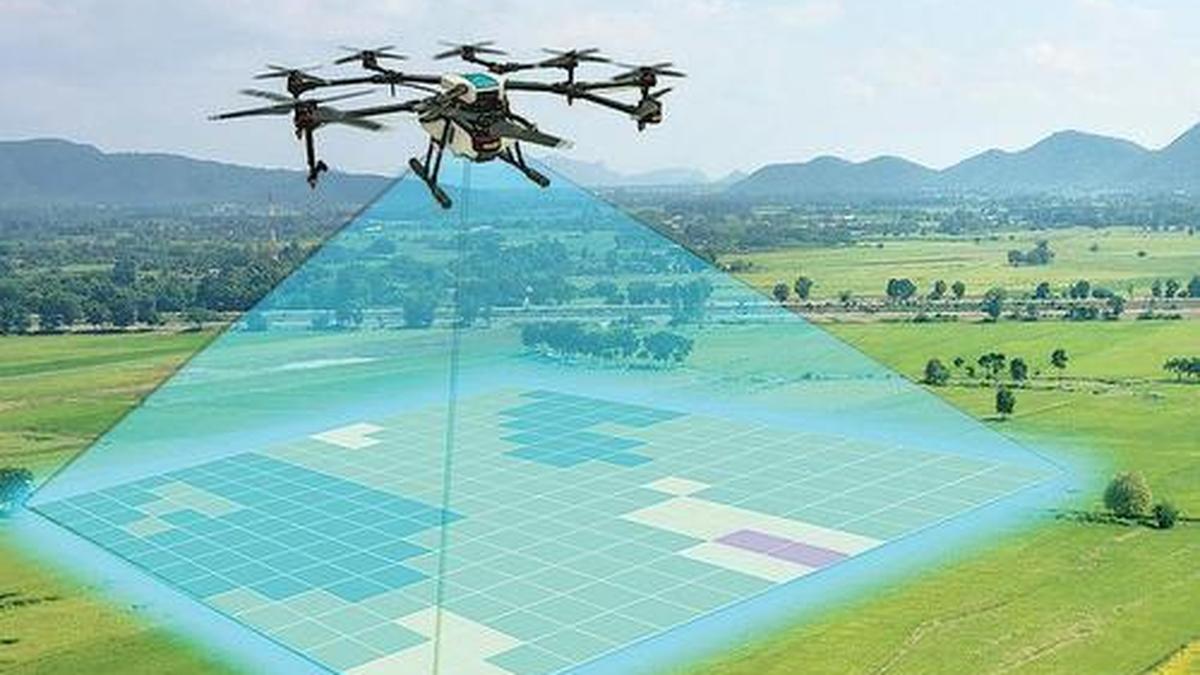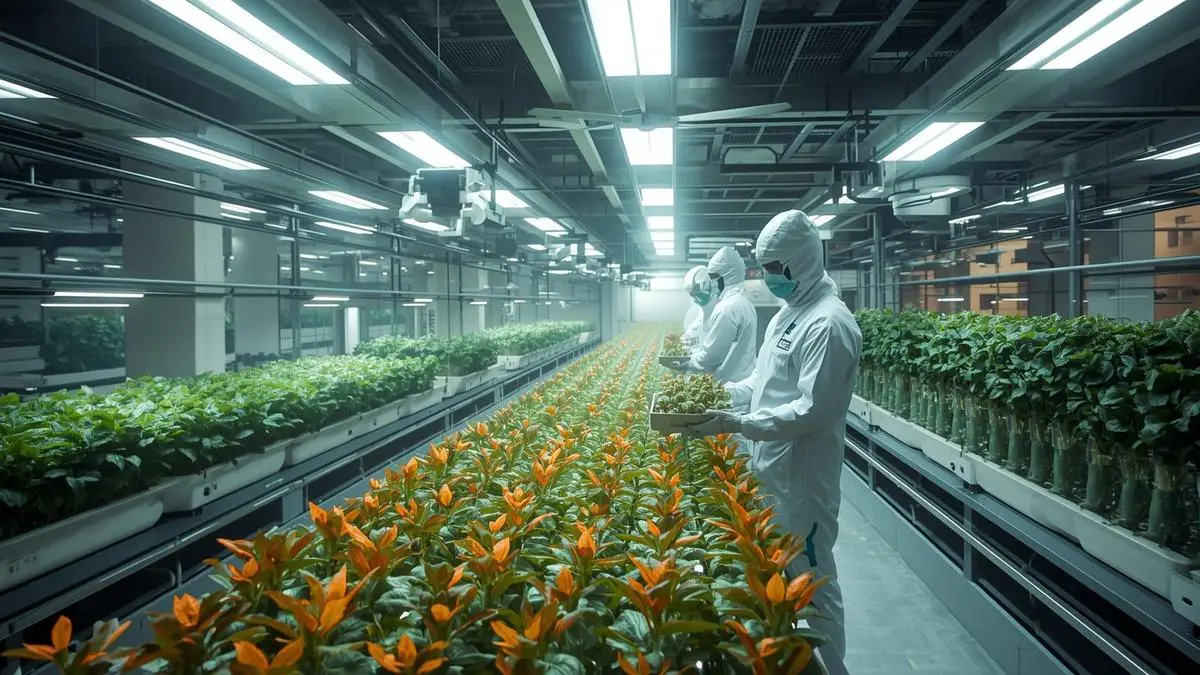
Ramesh Patil begins his day before the sunrise in Dhule, Maharashtra. Just like his father, he cultivates cotton using borrowed money for seeds and fertilisers, he relies on local advice for pest control and sells his harvest at whatever price the local mandi offers. His challenge is not a lack of effort but a system where farmers continue to remain price-takers, paying market prices for inputs while accepting whatever buyers offer.This is the reality for millions of Indian smallholders. Through the NITI Aayog’s Aspirational Blocks Programme (ABP), India has identified underdeveloped regions for focused development. While investments in infrastructure and social services remain essential, visible impact will depend on strengthening agricultural value chains. India already has the digital foundation. Under the Digital Agriculture Mission, AgriStack has generated over 8.4 crore Farmer IDs. The next challenge is taking Agritech solutions to the last mile.1. Mobile advisory: An expert in every farmer’s pocketTimely agronomic advice remains one of agriculture’s biggest gaps. AI-powered advisory platforms can bridge this by providing crop-specific recommendations timely, in local languages. Through the National Pest Surveillance System (NPSS), farmers can upload crop images and receive instant diagnoses. Apps such as Bharat VISTAAR, along with weather alerts, pest warnings and market price updates, help farmers make informed decisions throughout the crop cycle while reducing rampant pesticide use and protecting yields.2. AI-Powered soil health cardsIndia’s Soil Health Card programme has generated valuable soil data, but printed reports rarely influence farming because they are difficult to interpret. Artificial Intelligence can convert these reports into simple voice or video messages explaining nutrient deficiencies, fertiliser dosage and application timing. Such personalised recommendations improve fertiliser efficiency, reduce cultivation costs and enhance productivity.3. Export readiness through traceabilityHigher production alone does not guarantee higher incomes. Agritech can help Farmer Collectives/ Farmer Groups adopt Good Agricultural Practices (GAP) through digital farm records and field audits. QR-based traceability gives every produce lot a digital identity, enabling buyers to verify farm origin and quality records. Combined with AI-enabled grading, FPO aggregation and exporter partnerships, traceability improves price realisation and opens access to premium export markets.4. Carbon farming and circular economyCrop residues such as cotton stalks are often burnt, causing pollution while wasting biomass. Village-level SHG-led pyrolysis units can convert this waste into biochar, improving soil health and water retention while reducing fertiliser use. Since biochar stores carbon in the soil, FPOs can participate in voluntary carbon markets and generate additional income. Circular economy models can also convert agricultural waste into fish feed and other value-added products, creating rural enterprises and improving resource efficiency.5. Digital market linkagesFPOs can aggregate produce and connect farmers directly with processors, retailers and exporters. Platforms such as eNAM improve price discovery, while AI-enabled grading ensures transparent quality assessment. Integration with AgriStack’s Farmer IDs strengthens traceability, improves access to institutional credit and builds buyer confidence, helping farmers move from being price-takers to participants in competitive value chains.The technologies already exist. The real challenge is reaching farmers in aspirational blocks, where digital literacy, connectivity and private investment remain limited. Government support should prioritise scaling proven Agritech solutions through SHGs, FPOs, digital infrastructure, financing and continuous capacity building. Public investment in Agritech is not another subsidy. It is an investment that can potentially increase productivity, resilience and rural incomes that can transform India’s aspirational blocks into engines of inclusive agricultural growth.Ramakrishnan is Managing Director, and Mohit Kumar, AVP, Primus PartnersPublished on August 1, 2026
5 ways agritech can fuel real growth in India’s aspirational blocks
The real challenge is reaching farmers in aspirational blocks, where digital literacy, connectivity and private investment remain limited
566 words~3 min read