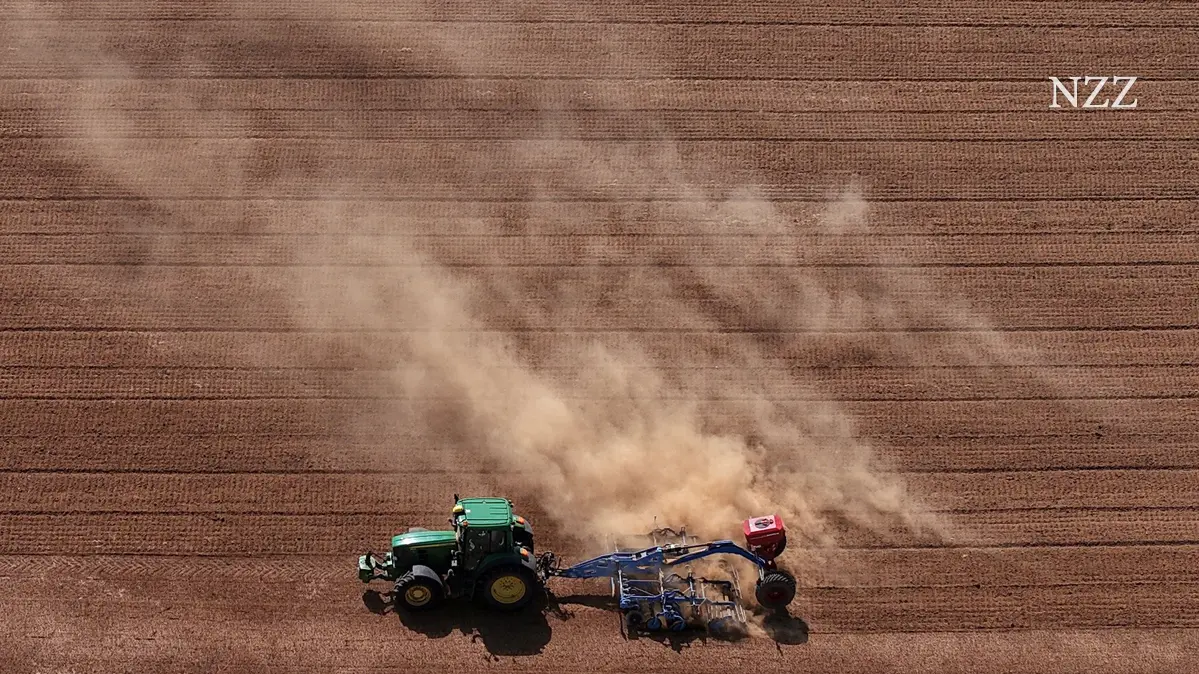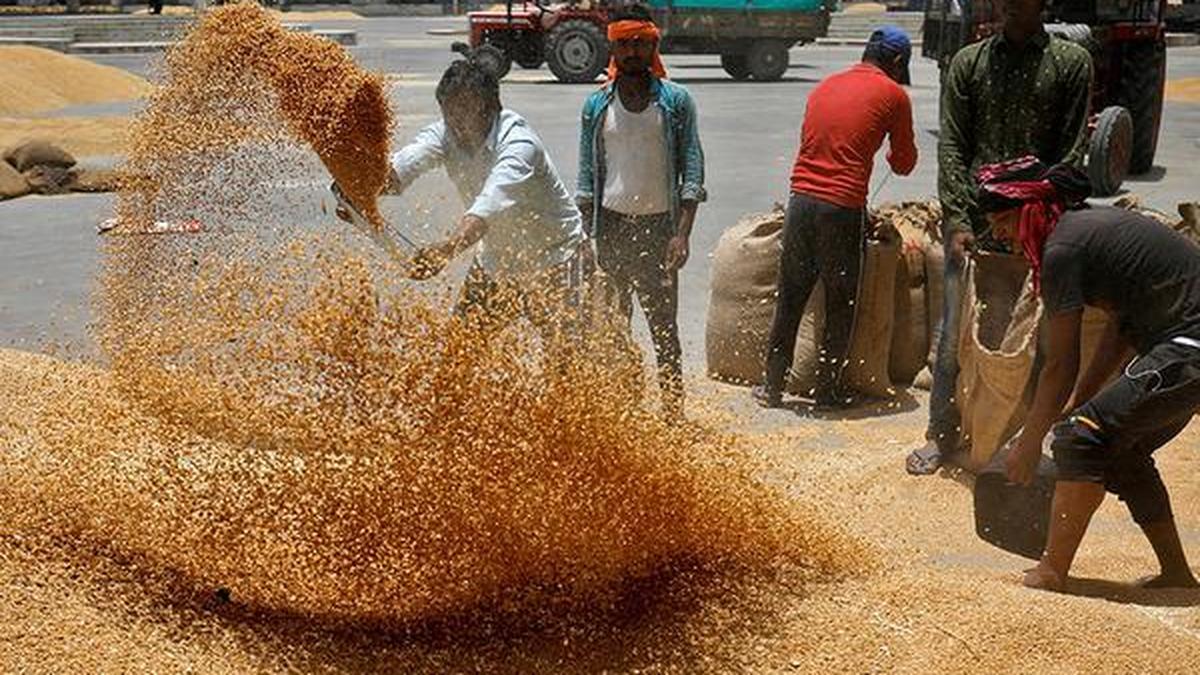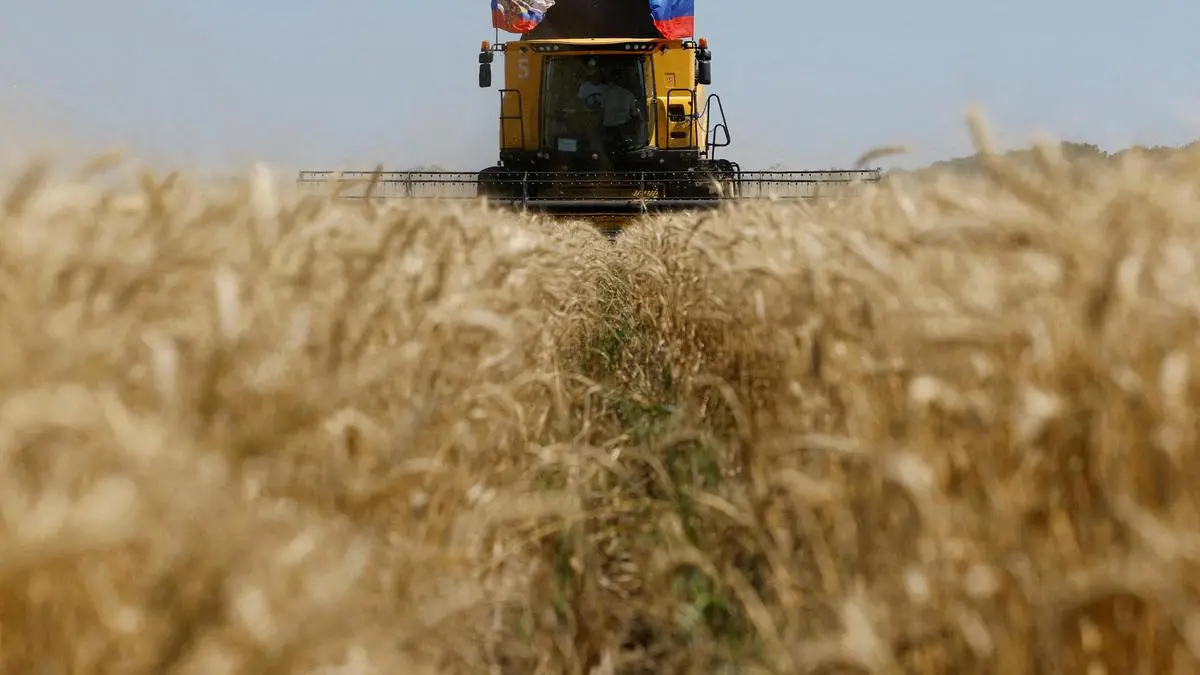
Global wheat production is projected to decline by 23 million tonnes (mt) in the 2026-27 (September-August) season as farmers in North America, the European Union, the UK and Australia either switch to other crops or reduce acreage amid El Niño-induced weather risks and higher input costs linked to the Iran conflict.Analysts warn that while the global wheat balance is tightening in 2026-27, the situation could become more concerning in 2027-28 if the strong El Niño, expected to persist until March, disrupts crop production further. Geopolitical tensions are adding to the uncertainty. The Ukraine war continues to disrupt exports from Russia and Ukraine, while the Iran conflict has affected shipments of fertiliser raw materials from the Persian Gulf.According to the International Grains Council (IGC), global wheat production is forecast at 821 mt in 2026-27, down from 844 mt this season. Consumption, however, is expected to rise to 828 mt from 822 mt, while global trade is projected to decline to 205 mt from 216 mt. As a result, ending stocks are forecast to fall to 279 mt, from 285 mt.The US Department of Agriculture (USDA) has also forecast lower global production, citing smaller crops in the US and Canada, although higher output in Russia and Ukraine is expected to partly offset the decline. Analysts noted that US wheat acreage has fallen to its lowest level in nearly a century, underscoring tightening global supplies.Prices supportedThe USDA expects global wheat output to decline 3 per cent year-on-year, while demand will continue to grow on higher food, seed and industrial (FSI) use. Although larger exports from Argentina, Russia and Ukraine are expected to offset lower shipments from Canada, global supplies are likely to remain tight.The agency has pegged the US season-average farm price at $6 a bushel ($220.46 a tonne). However, wheat futures on the Chicago Board of Trade (CBOT) are currently trading at $6.54 a bushel ($240.30 a tonne), close to the two-year high of $7 a bushel ($257.21 a tonne).Shift to oilseedsAnalysts said farmers in the US, Canada and Australia have either reduced wheat acreage or shifted to alternative crops, mainly because of rising fertiliser costs following the Iran conflict. El Niño is expected to weigh further on production later this year, with its full impact likely to be felt in next year's harvests. Canadian farmers have expanded acreage under canola to a record level this year while reducing wheat area, according to Statistics Canada.The Producer.com website reported that acreage under barley, soyabean and corn is also expected to increase, while oats, lentils and dry peas are likely to see lower plantings.Weather is adding to production risks. Heat and dry conditions have begun affecting the northern US Plains, while the situation is more severe in France, Germany, Belgium and the UK. Across western Europe, soils have remained unusually dry since March, with successive heatwaves worsening crop conditions.Aus sowing at 7-year lowAccording to COCERAL, Europe's grain trade association, total grain production in the EU and the UK is expected to decline to 263.2 mt this year from 286.6 mt last year.Common wheat production (excluding durum) is forecast at 140.8 mt, down from 149.8 mt in 2025. COCERAL said recent heatwaves affected grain filling in central and southern France, southern Germany, Austria, Poland and Hungary. It also lowered its crop estimate for Spain after late-May heat damaged crops more severely than initially expected. In Australia, wheat sowing has fallen to a seven-year low, reflecting high fertiliser costs and concerns over El Niño.Meanwhile, research firm SovEcon expects Russia's wheat exports to decline to 44.6 mt in 2026-27 from 46.5 mt, citing continued disruptions to Black Sea trade, including the closure of the Sea of Azov due to the Ukraine war.Analysts said these supply-side risks are likely to provide a floor to global wheat prices, limiting the scope for any significant decline in the near term.Published on July 31, 2026
Global wheat output may drop 24 million tonnes next season on Iran war, El Nino impacts
Global wheat output is set to drop 24 million tonnes due to El Niño and geopolitical tensions, raising supply concerns.
644 words~3 min read