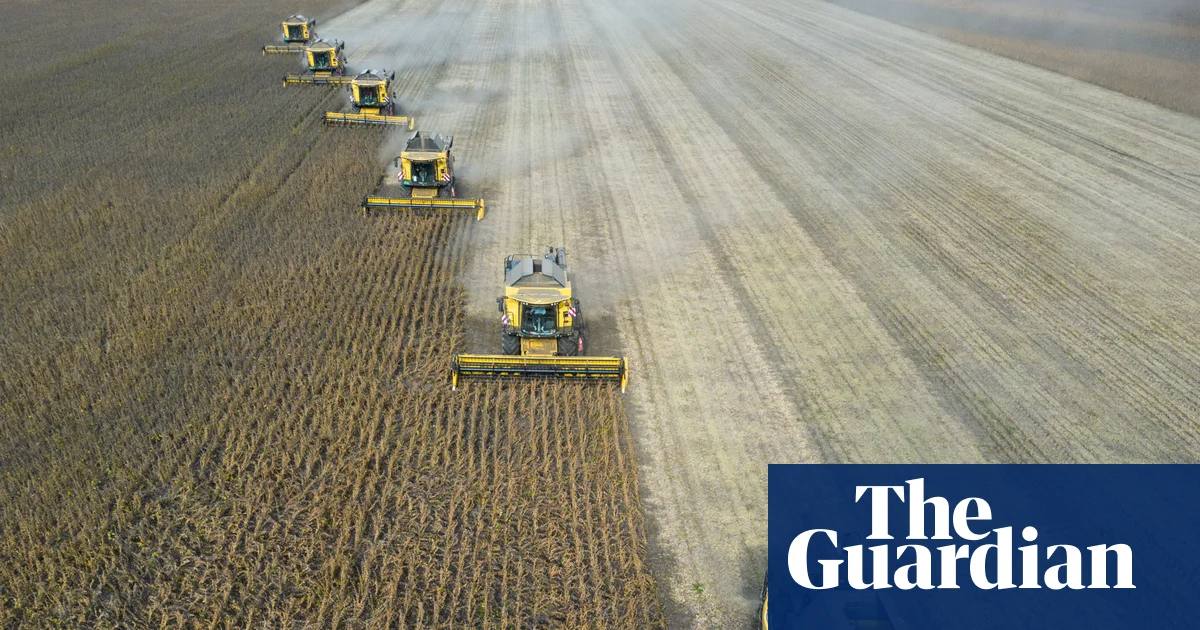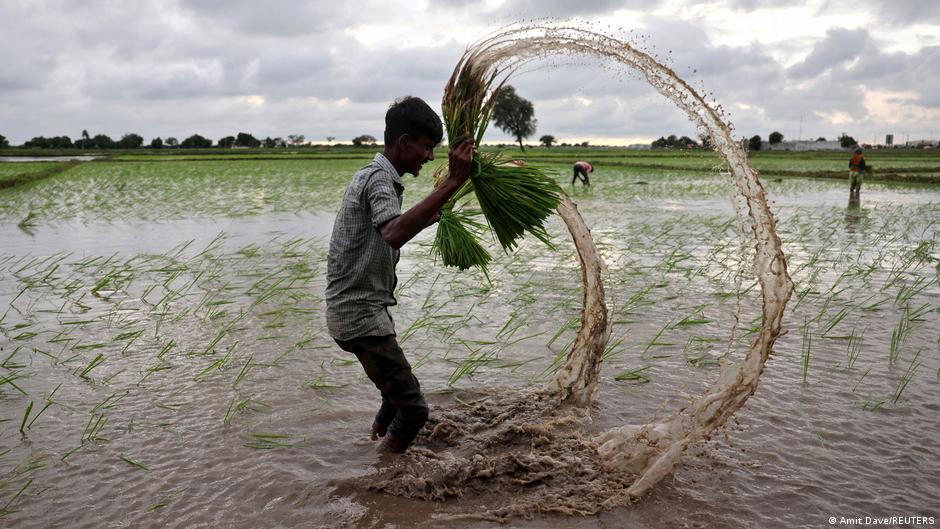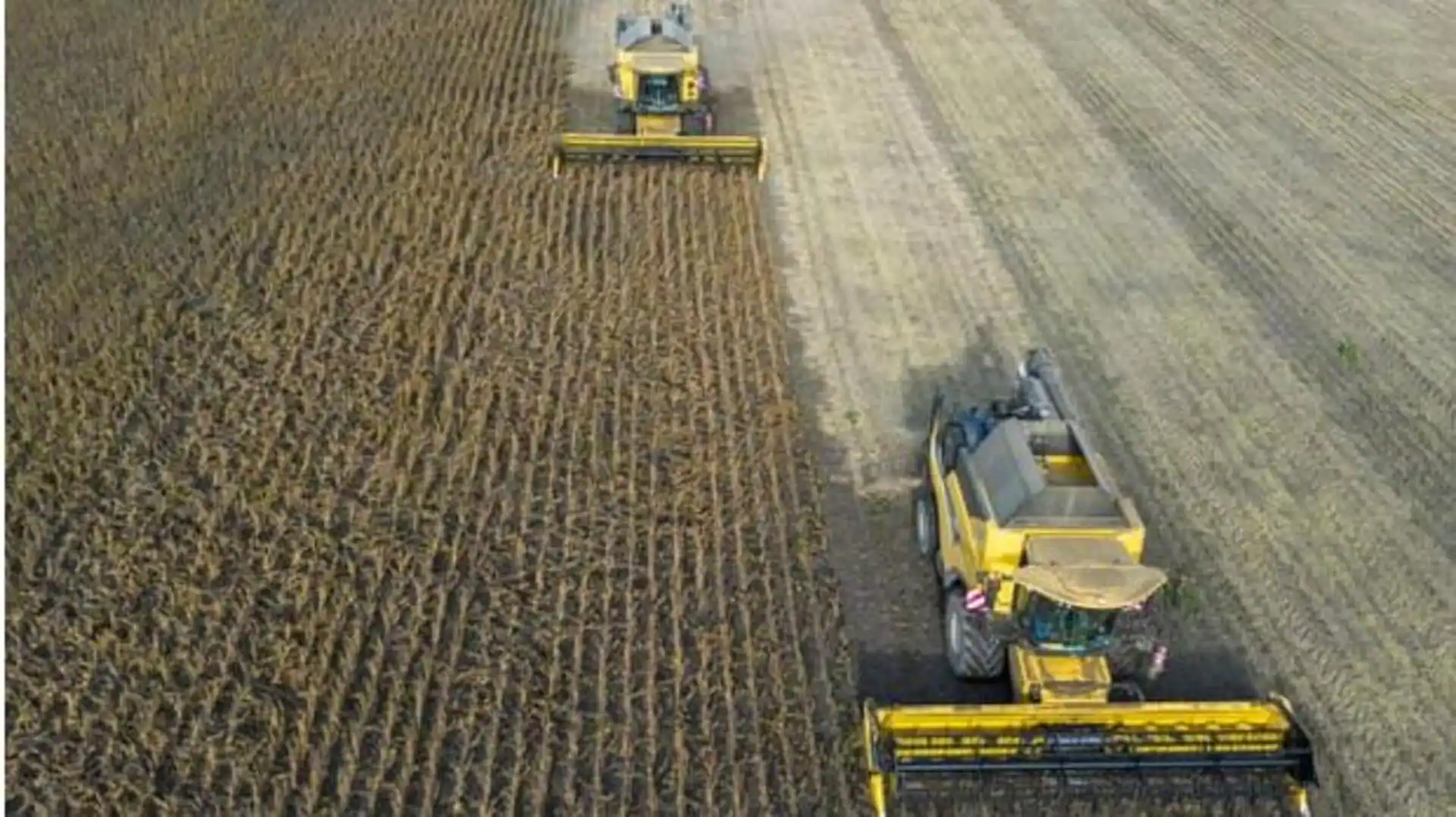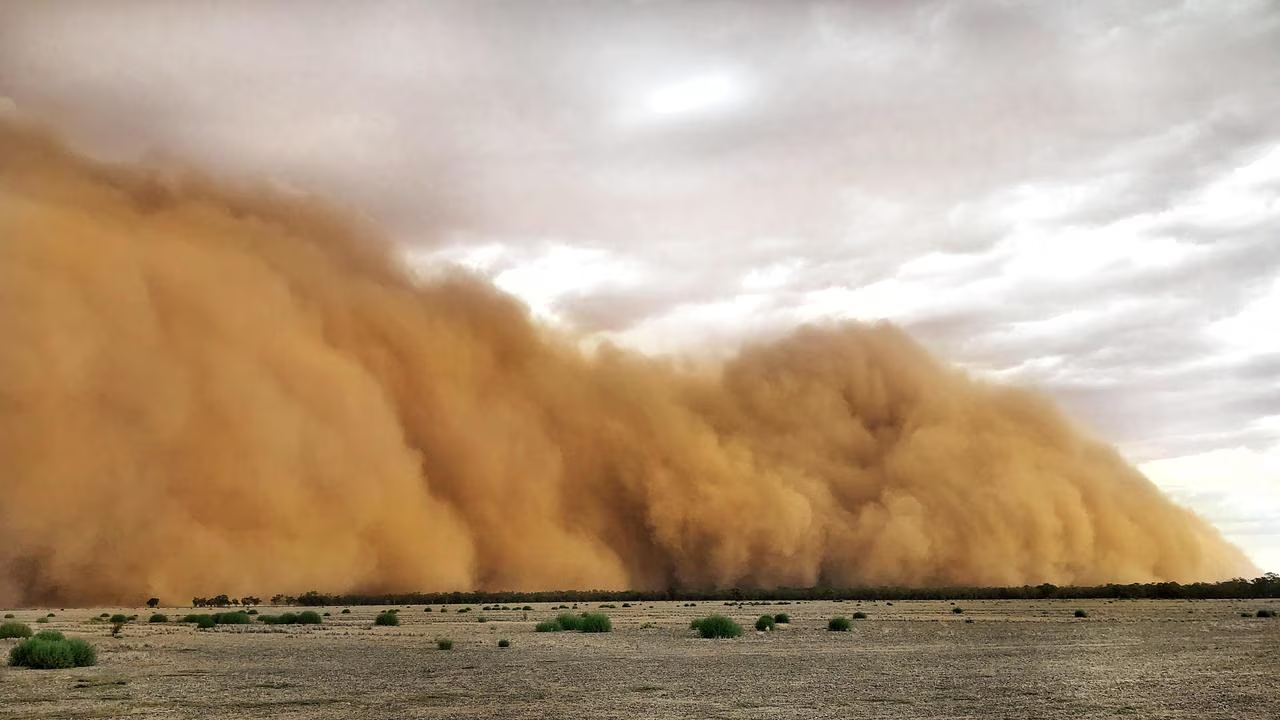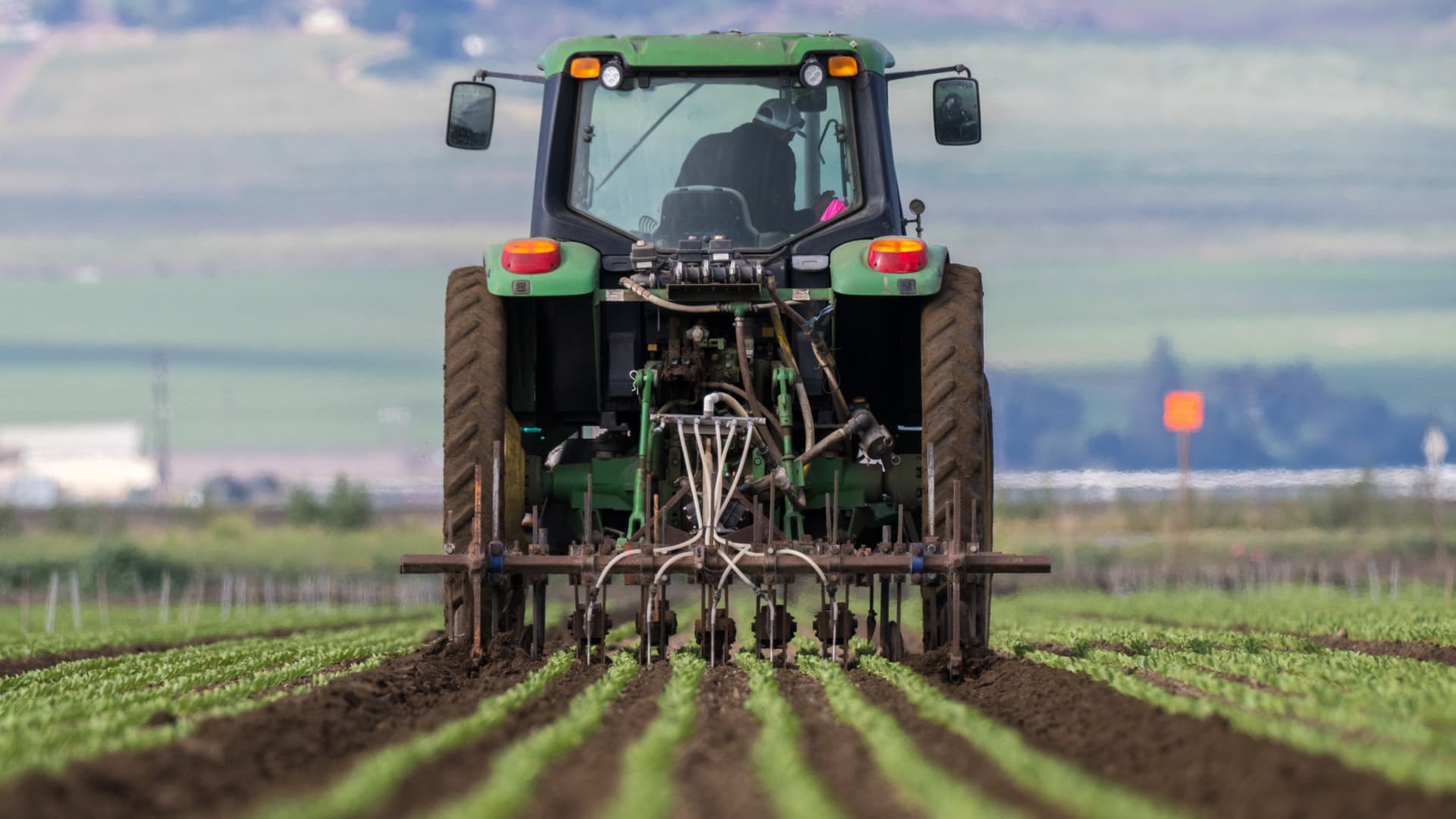
An unusually powerful El Niño later this year could exacerbate food security fears as disruption caused by the Iran war strains supply for crucial fertilizer products.
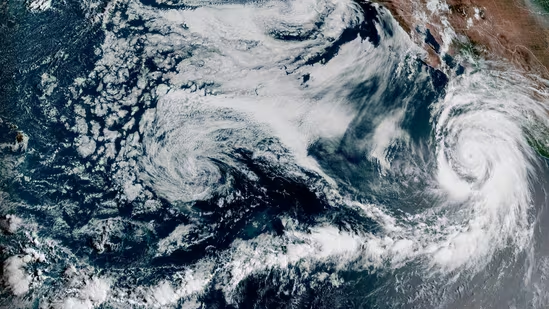
Climate scientists warn it appears increasingly likely that a planet-warming El Niño will take shape over the coming months, with U.S. meteorologists estimating a one-in-three chance of a “strong” weather event forming in October to December.
European climate models indicate an even higher probability of a very strong or “super El Niño,” although the so-called spring barrier means that these forecasts can be inaccurate.
El Niño — or “the little boy” in Spanish — is widely recognized as the warming of the sea surface temperature, which occurs naturally every few years. Such an event is declared when sea temperatures in the tropical eastern Pacific rise 0.5 degrees Celsius above the long-term average.
A super El Niño, which doesn’t have an official scientific category, is understood to refer to an exceptionally strong phase of the El Niño Southern Oscillation (ENSO), when sea surface temperatures in the eastern Pacific rise at least 2 degrees Celsius above normal.