Federal scientists from the National Oceanic and Atmospheric Administration announced a long-anticipated shift in a powerful global climate pattern on Thursday, April 9 as worry grows about global heat patterns.
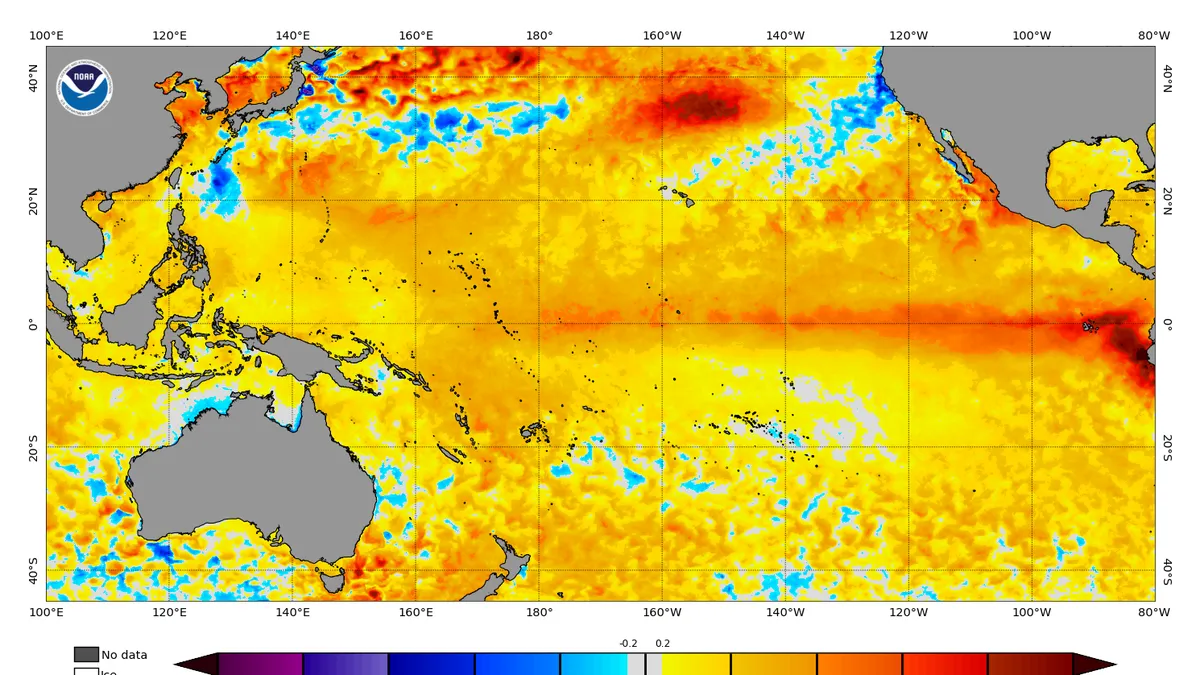
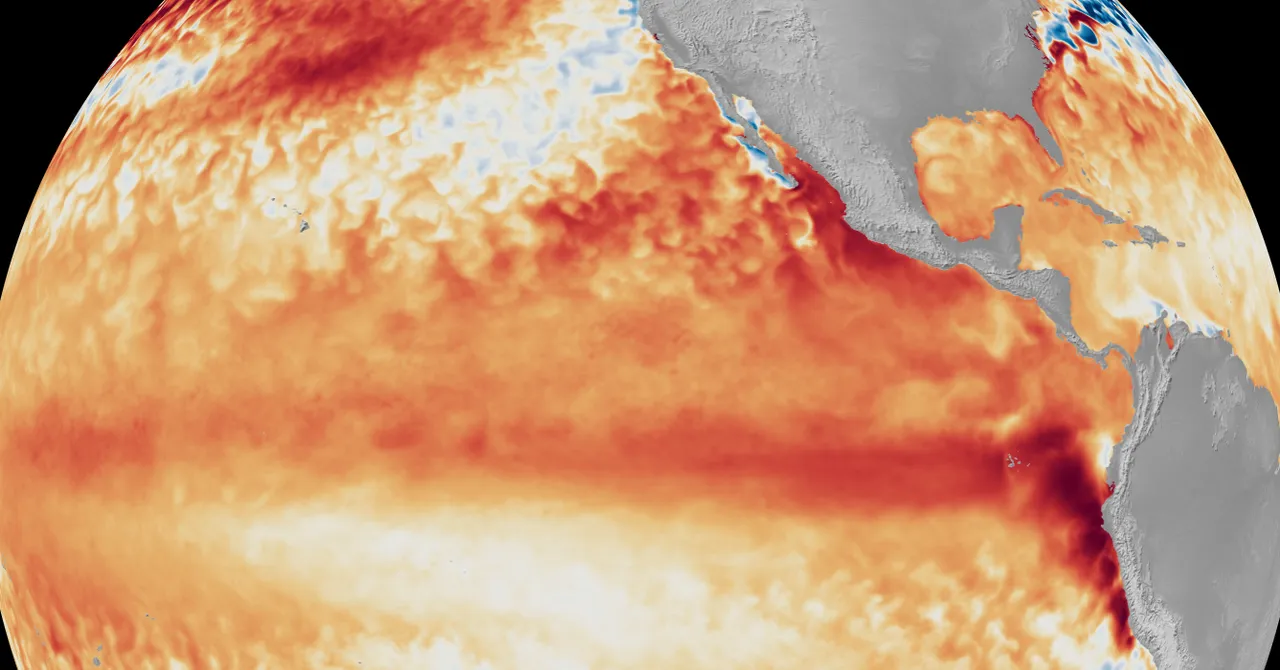
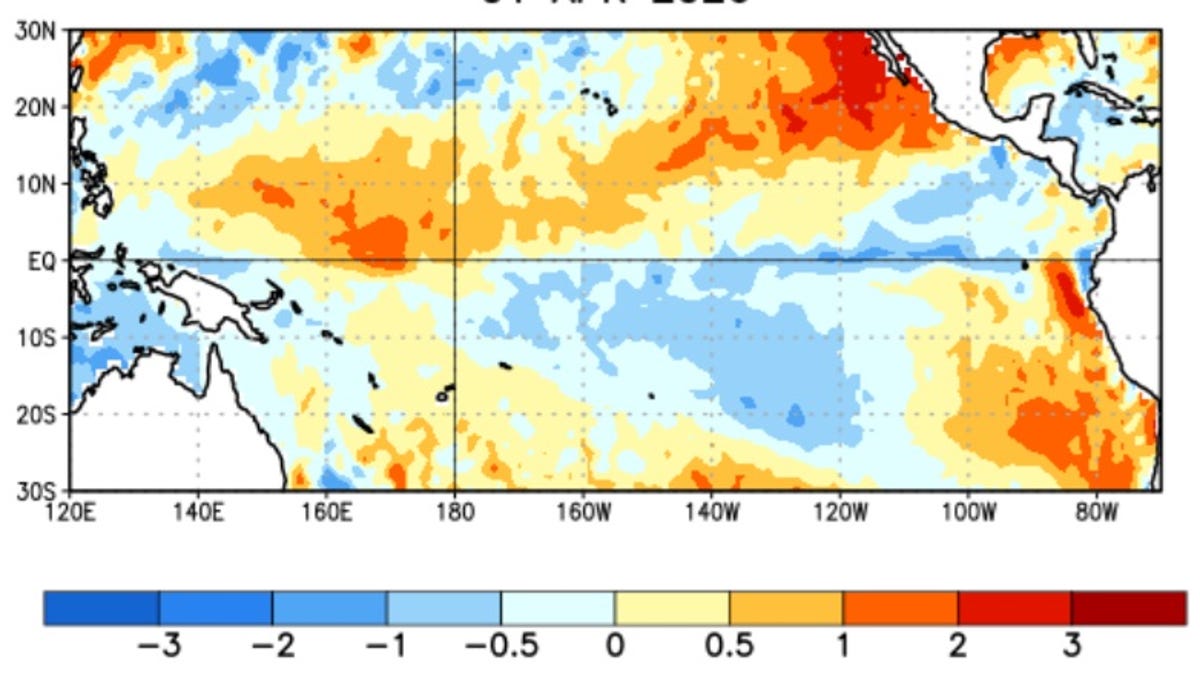
NOAA says the La Niña climate pattern has officially come to an end, and that an El Niño is expected to develop later this year. This has major implications for weather worldwide, and could impact the hurricane season in both the Atlantic and Pacific Oceans.
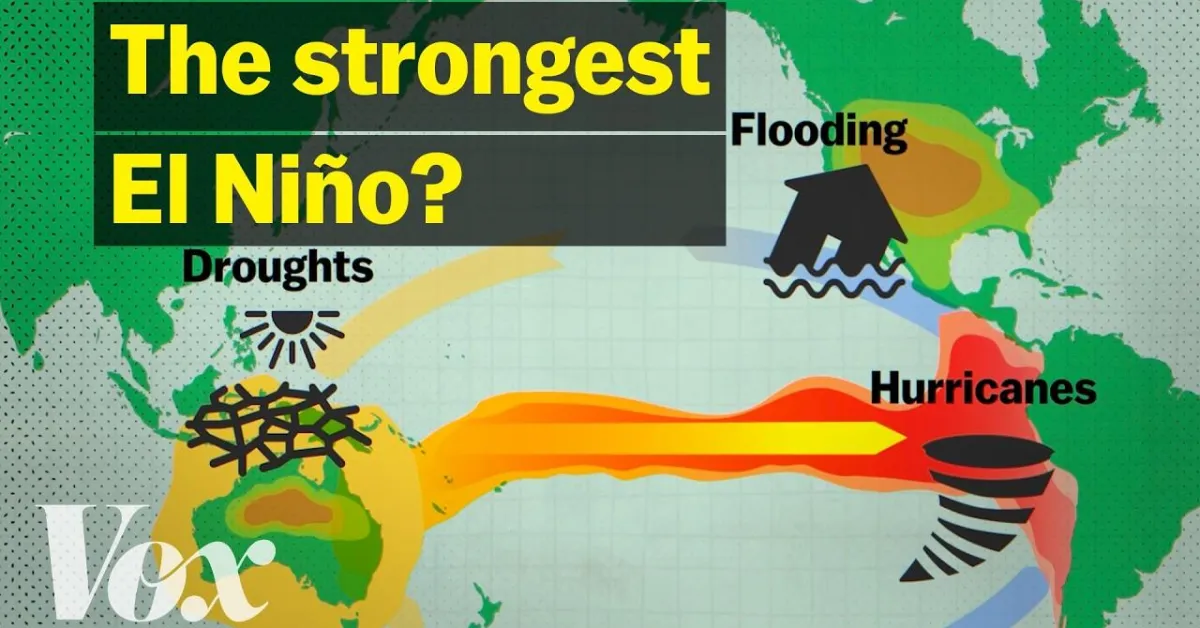
Some computer models that scientists use to forecast climate patterns said that the oncoming El Niño could be unusually strong, and have dubbed it a potential "Super El Niño," though federal scientists don't use that term.
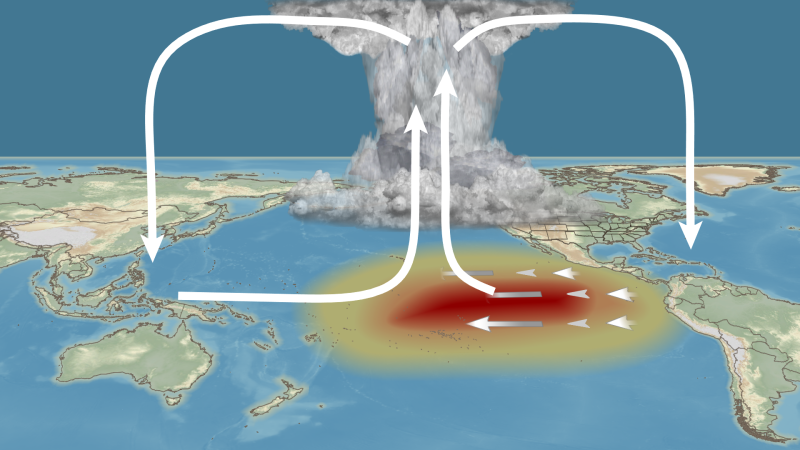
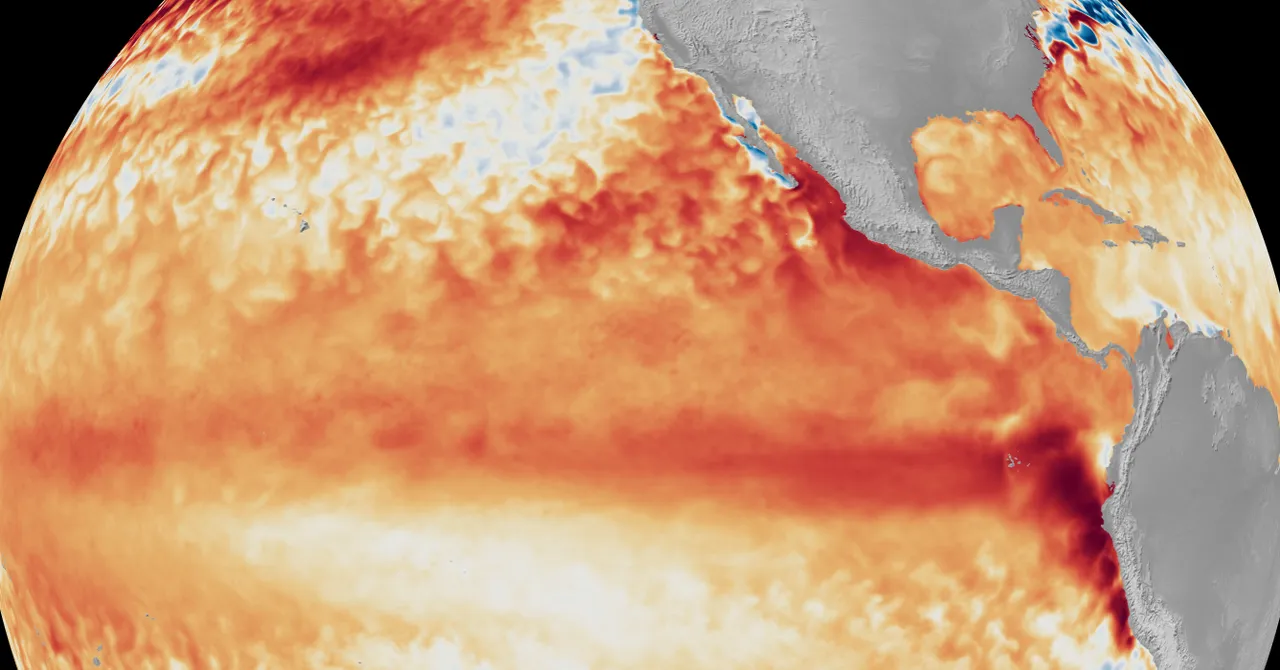
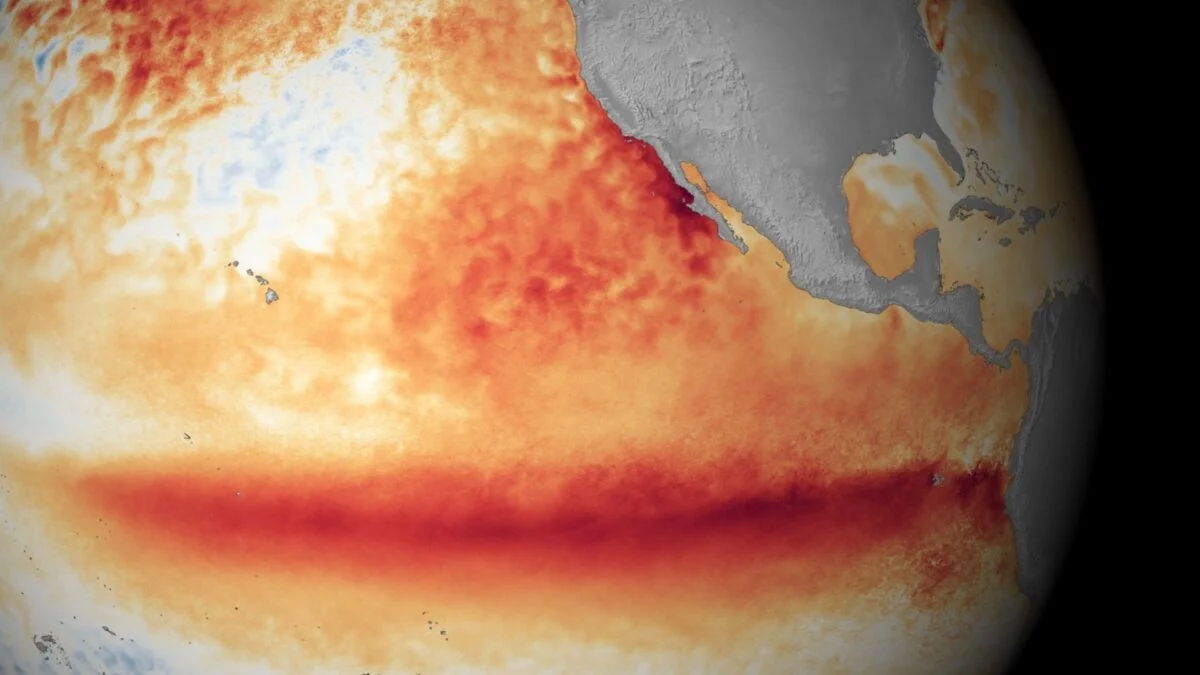
El Niño, a natural warming of Pacific Ocean water that affects weather around the world, often leads to some of the hottest years on record, such as the record-breaking worldwide average temperature in 2024. The prospect of a strong El Niño has rattled forecasters, who fear an unprecedented wave of global heat into 2027.
In the meantime, the planet is in an intermediate stage of the cycle, known as "ENSO-neutral."