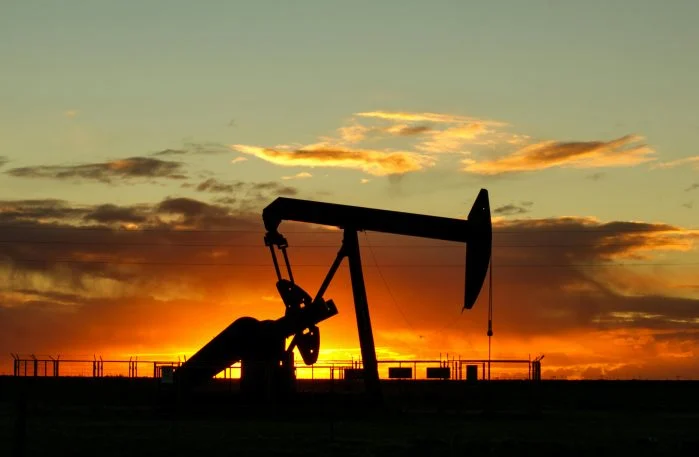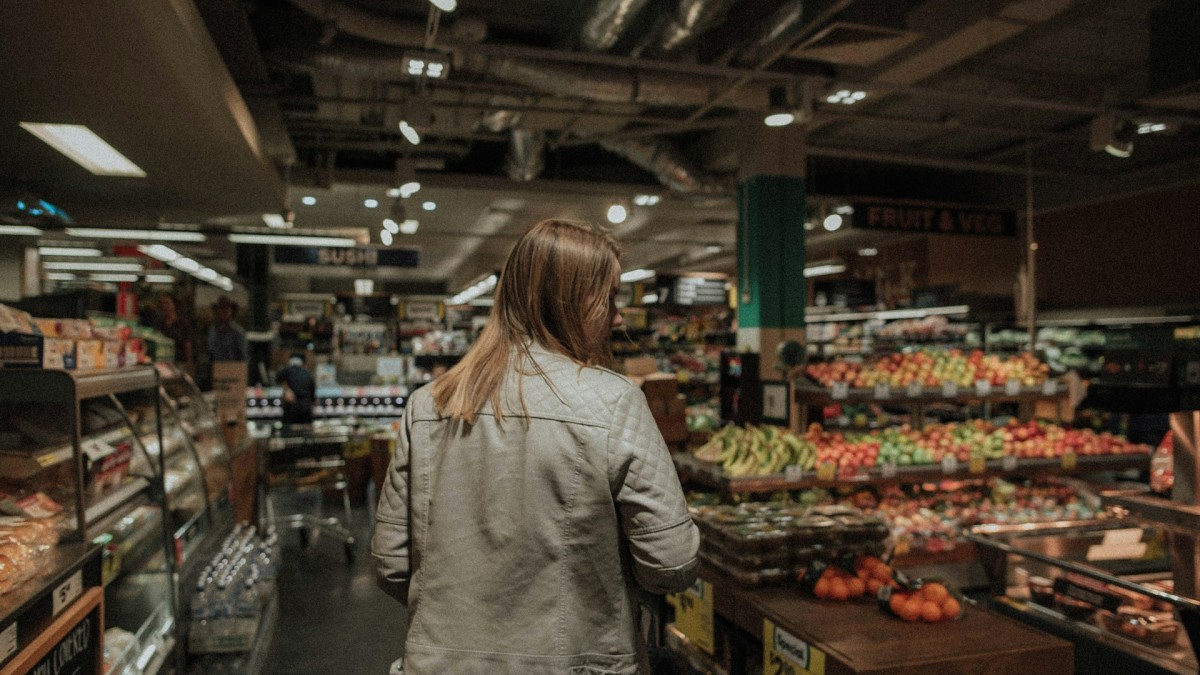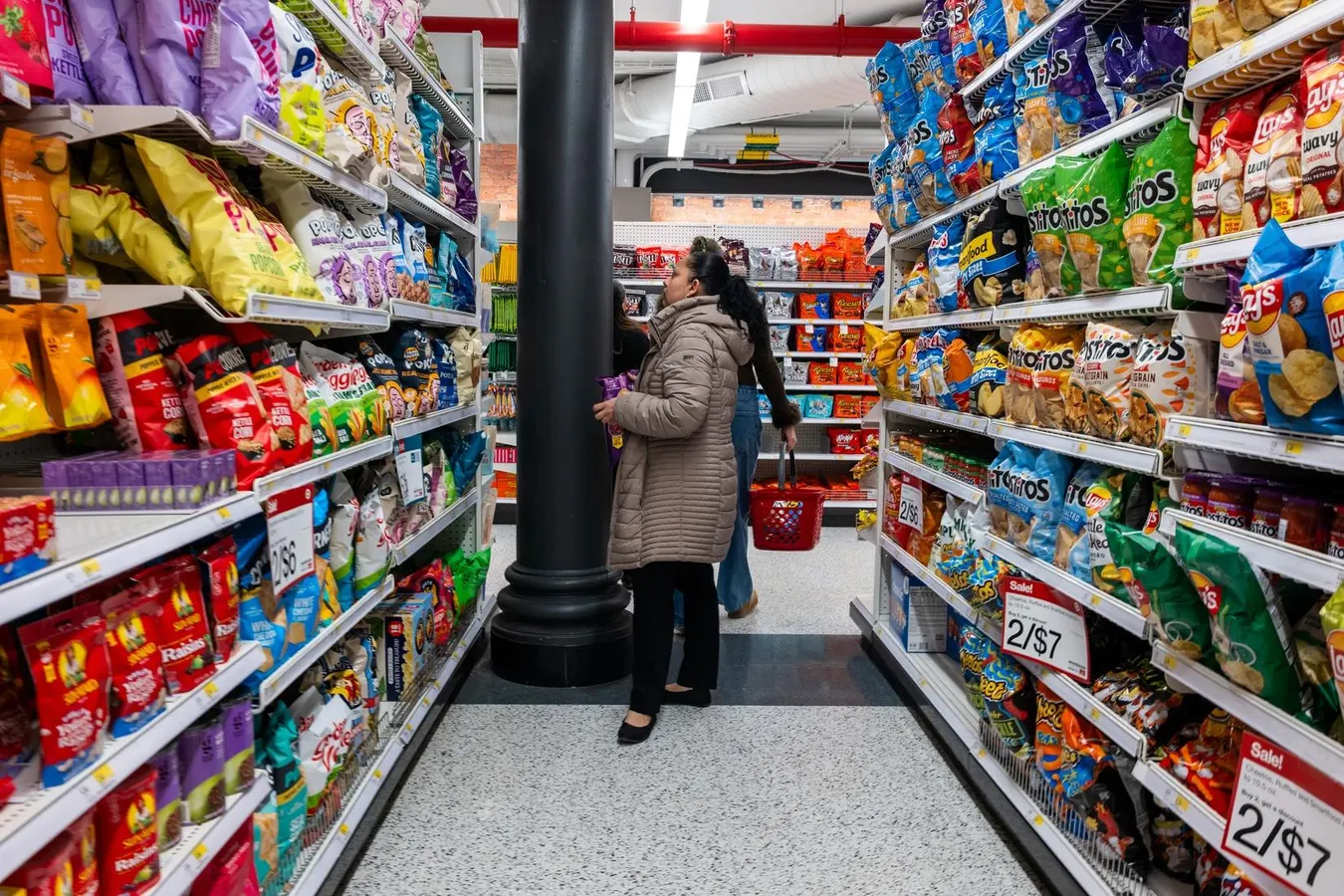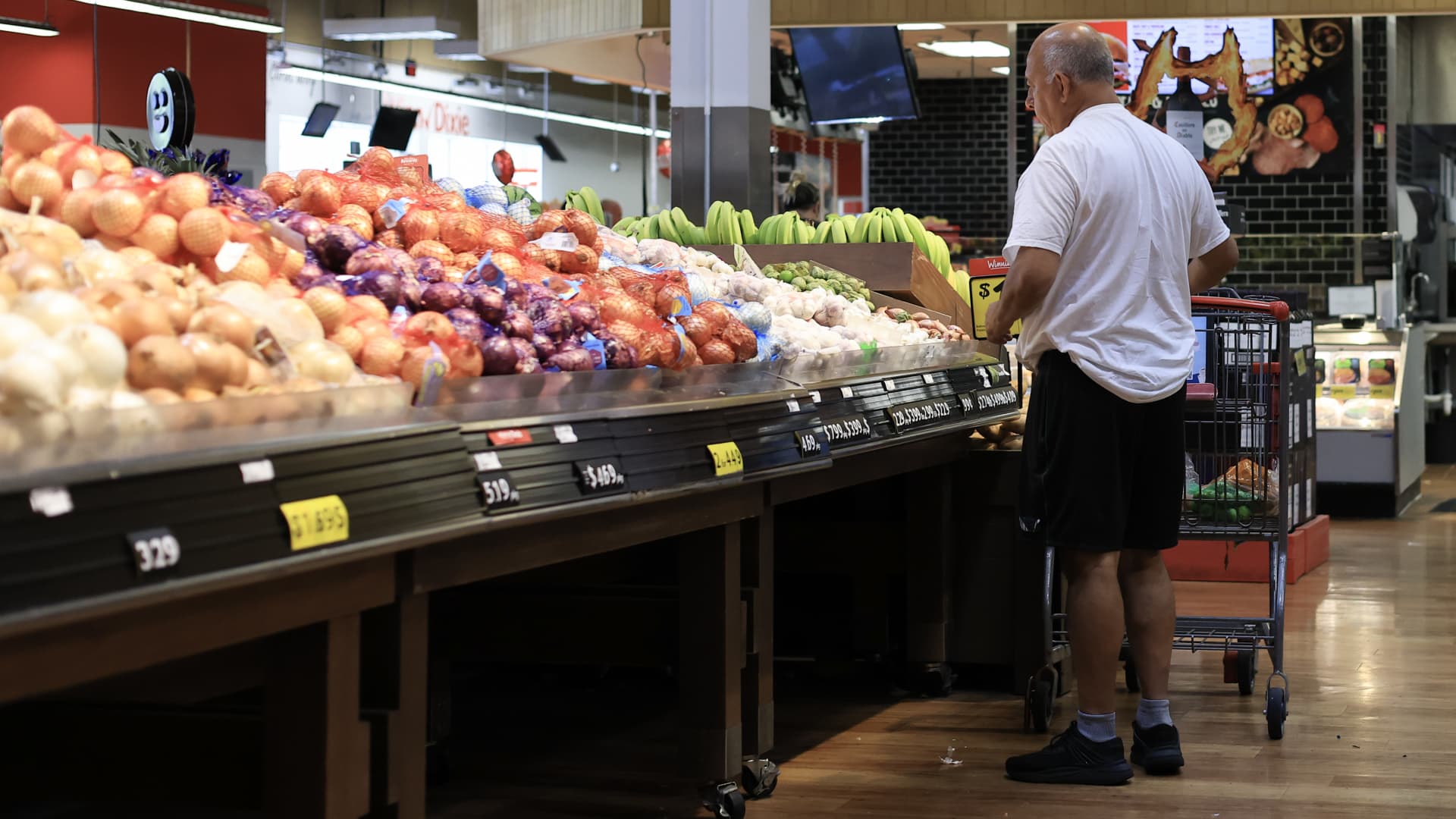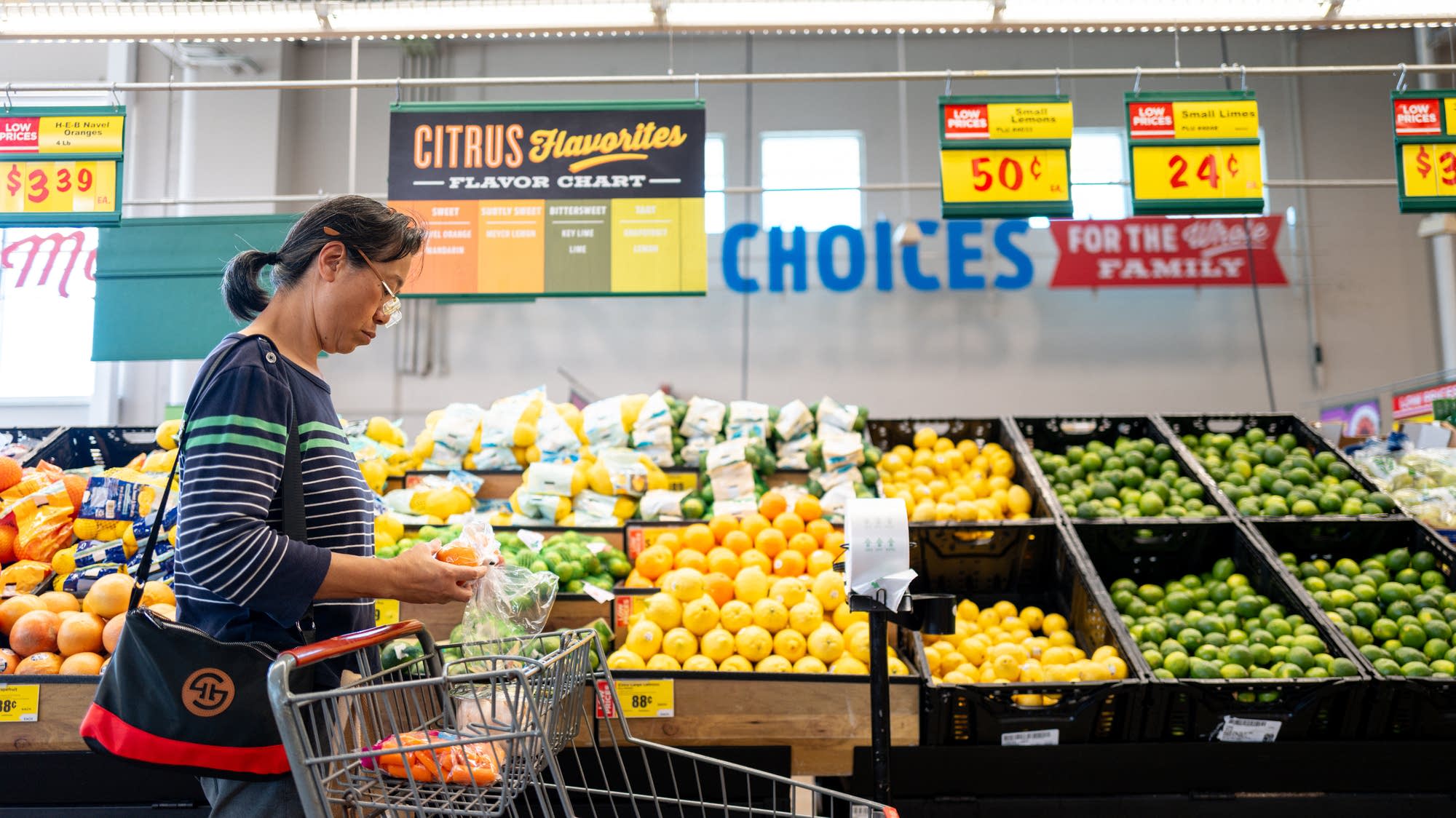
When the U.S. and Israel attacked Iran in February and the Strait of Hormuz closed, Nick Kraft at Eurasia Group was worried food prices would spike. But his fears ended up being overblown. “When it comes to commodities and retail food prices, I didn't see as big of a jump as I expected,” Kraft said.A big part of the reason there wasn’t as much disruption as people like Kraft expected is that last year’s crop yields were strong. “Coming into 2026, we had huge grain harvests that were buffering some of the food shortage worries and food price increase expectations,” he said.But, according to Kraft, those buffers are shrinking. And the disruptions to global food supply chains are growing.A new analysis from Eurasia Group reports that prices for food commodities like wheat, corn, and rice could jump 10 to 18% by next summer because of the ongoing wars in Iran, Russia, and Ukraine — plus what is forecast to be a “super El Niño” this year. JPMorgan issued a similar warning last week.“When you layer new weather patterns, potentially destructive weather patterns, on top of already a very sort of geopolitical tense situation … it makes for a very uncertain and kind of worrisome environment,” Kraft said.It also makes it likely that food commodity prices will rise in the coming year — and eventually, the prices we see at the grocery store will, too.But there’s one group that may benefit from the higher grocery prices: farmers. “At the farm level, this would be viewed as a good thing,” said Grant Gardner at the University of Kentucky.Farmers have had a rough few years, with commodity prices being too low to make a profit, according to Gardner. So they would like to see them rise.“That said, from the consumer point of view, it's very different because you want those prices to remain depressed,” Gardner added.So you’re not paying more at the grocery store.
Food commodity prices predicted to jump
Ongoing wars, plus a “super El Niño” this year, could lead to sharp price hikes at the grocery store.
321 words~1 min read