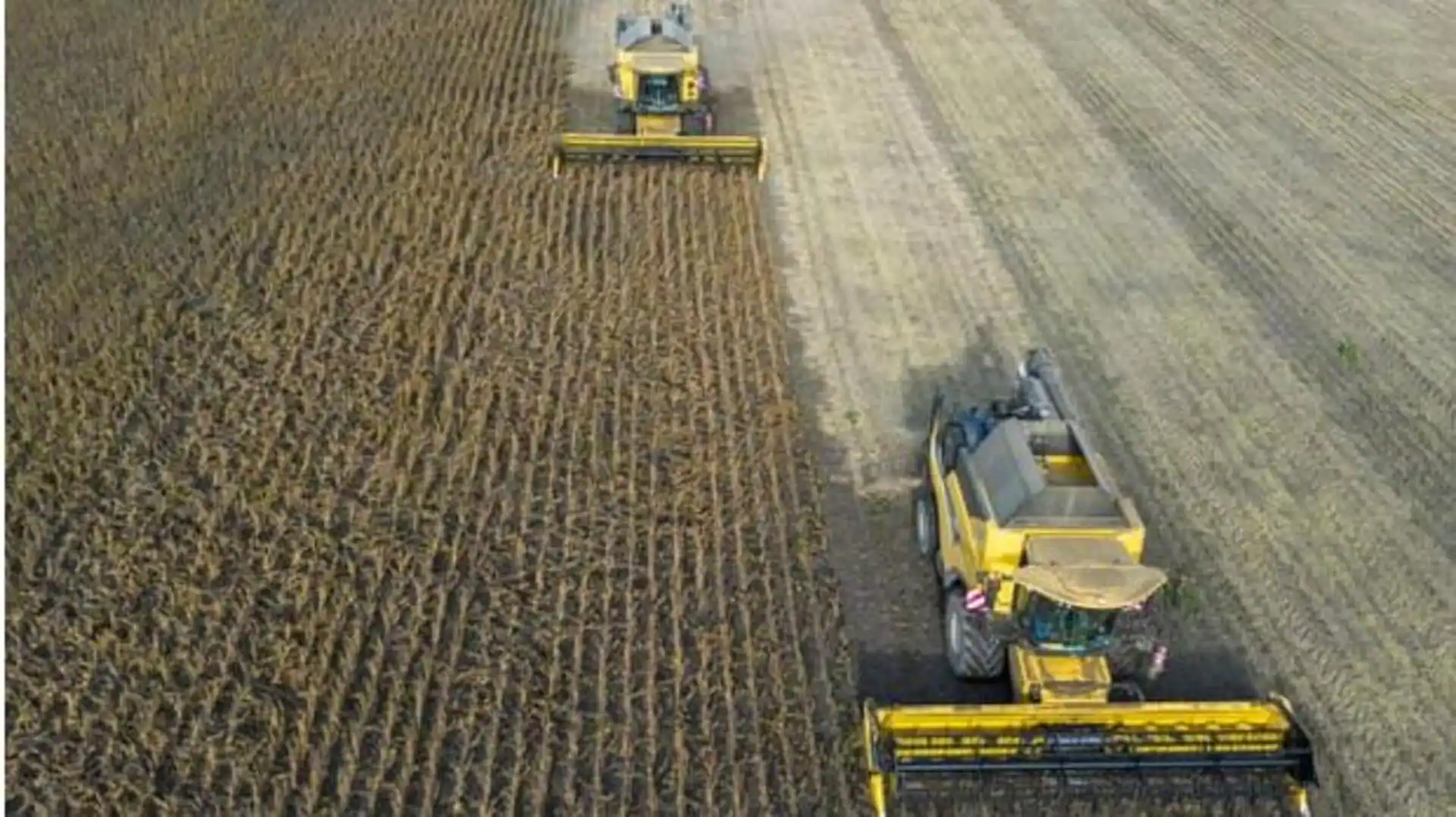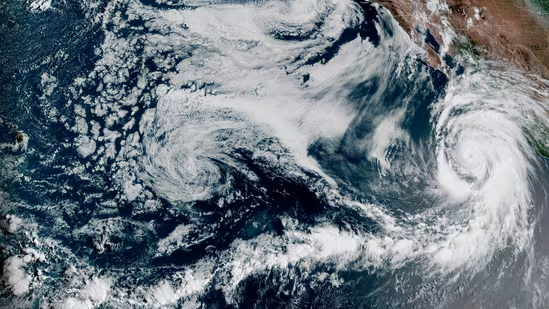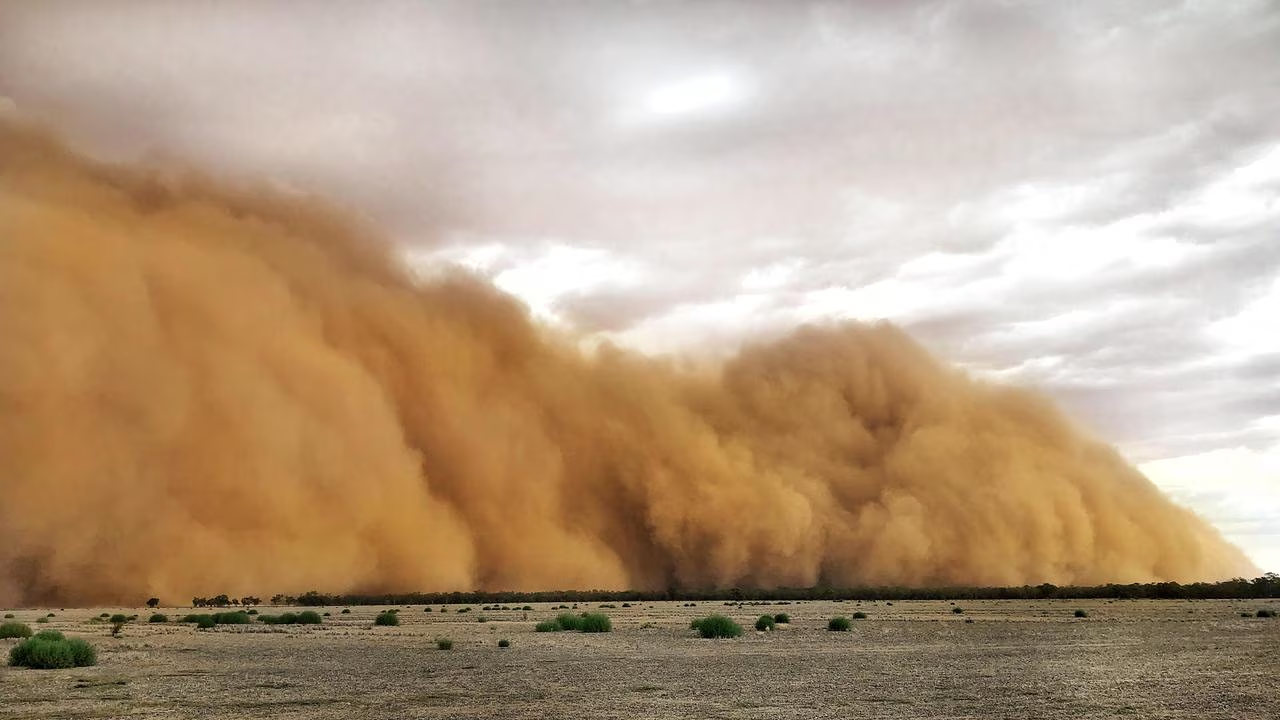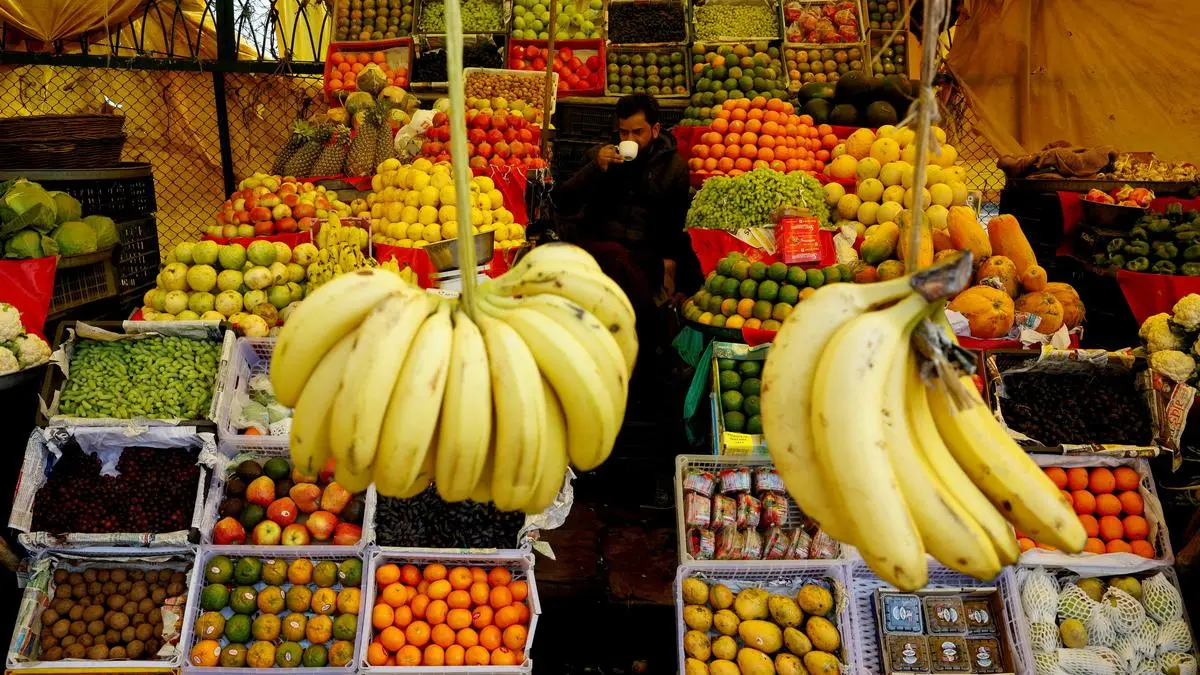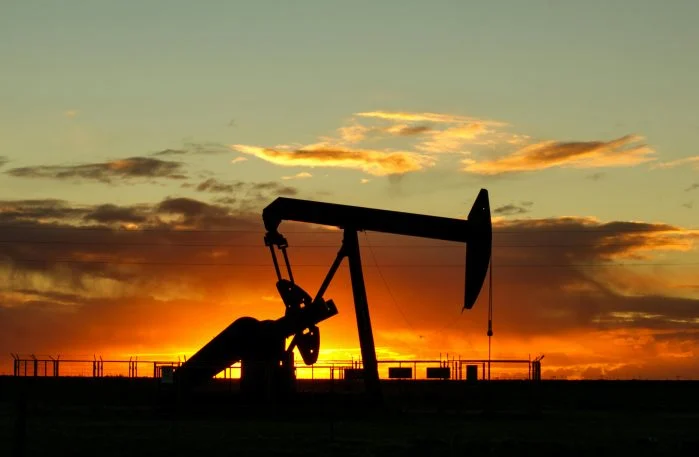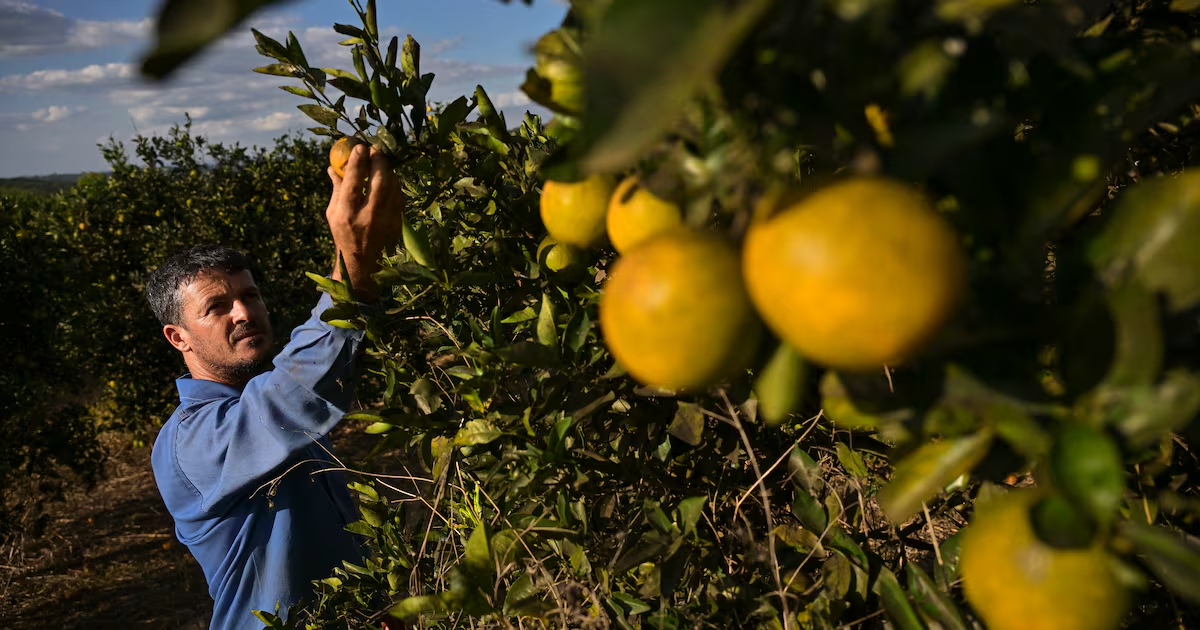
Food inflation appears to be slowing, but external factors could prompt a reverse in this trend, potentially leading to higher supermarket bills. A report by Euronews highlights that despite a current annual US food inflation rate of 3%, factors such as oil and fertilizer price shocks, alongside extreme weather conditions, may contribute to a rise in food prices again. The blockade of the Strait of Hormuz due to geopolitical tensions has disrupted a significant portion of the global oil supply, causing fertilizer prices to surge sharply. Additionally, the anticipated “super El Niño” event later this year is expected to impact crop production, fueling concerns about future food price increases.
Key Takeaways
Markets suggest that the recent slowdown in food inflation may not persist, with external shocks potentially driving price increases.
The disruption in oil supply and the resulting fertilizer price hike are consistent with scenarios where food prices rise again.
Extreme weather events, such as the forecasted “super El Niño,” could further complicate food supply chains, reflecting a possible increase in supermarket prices.