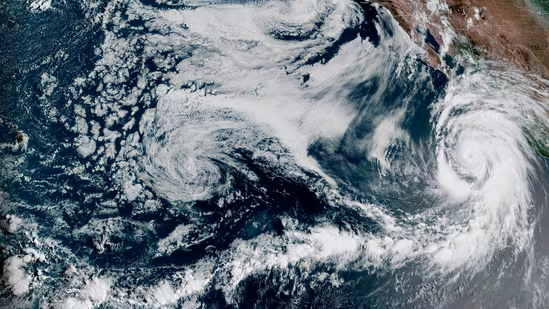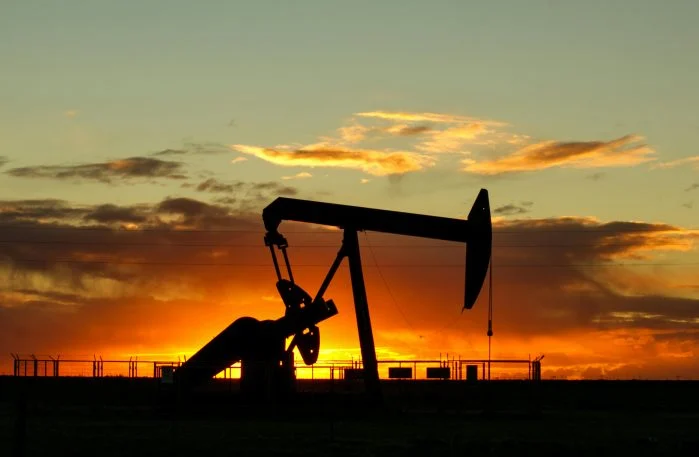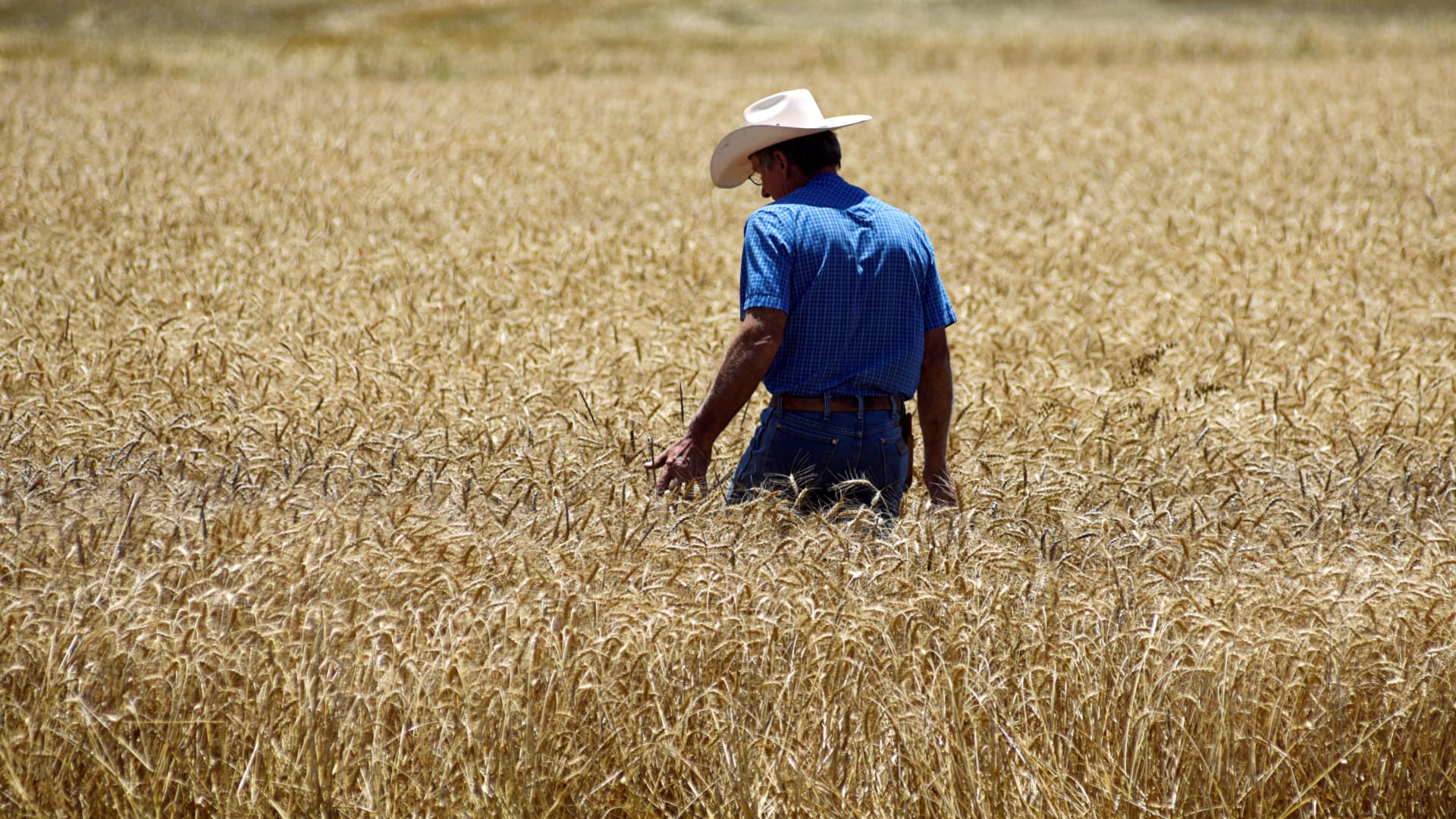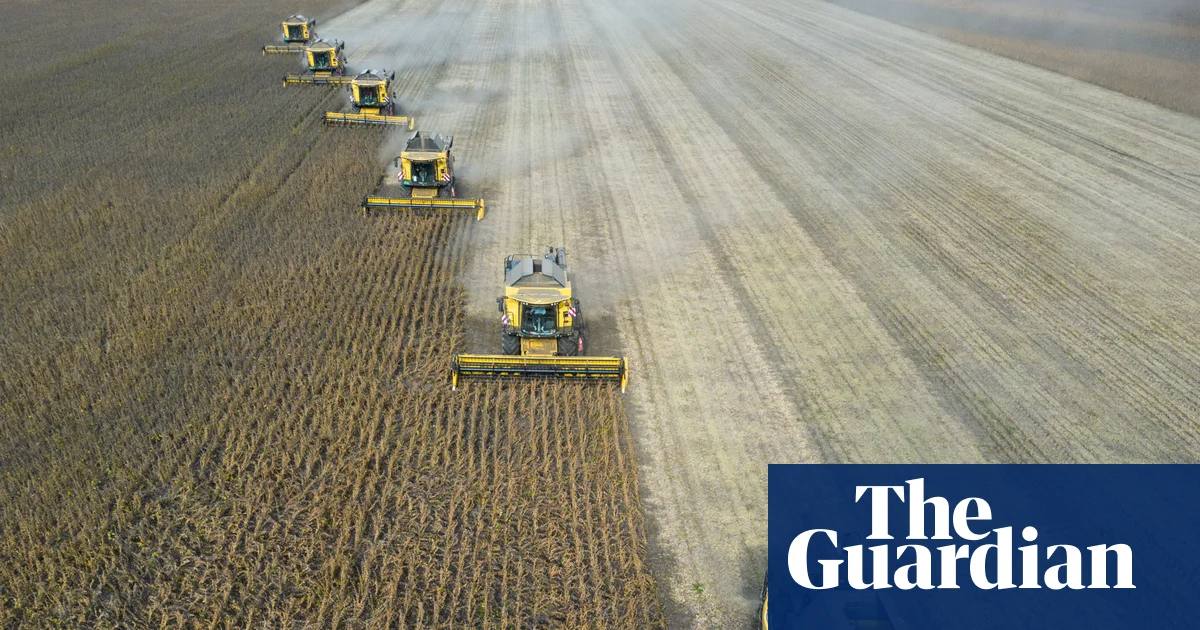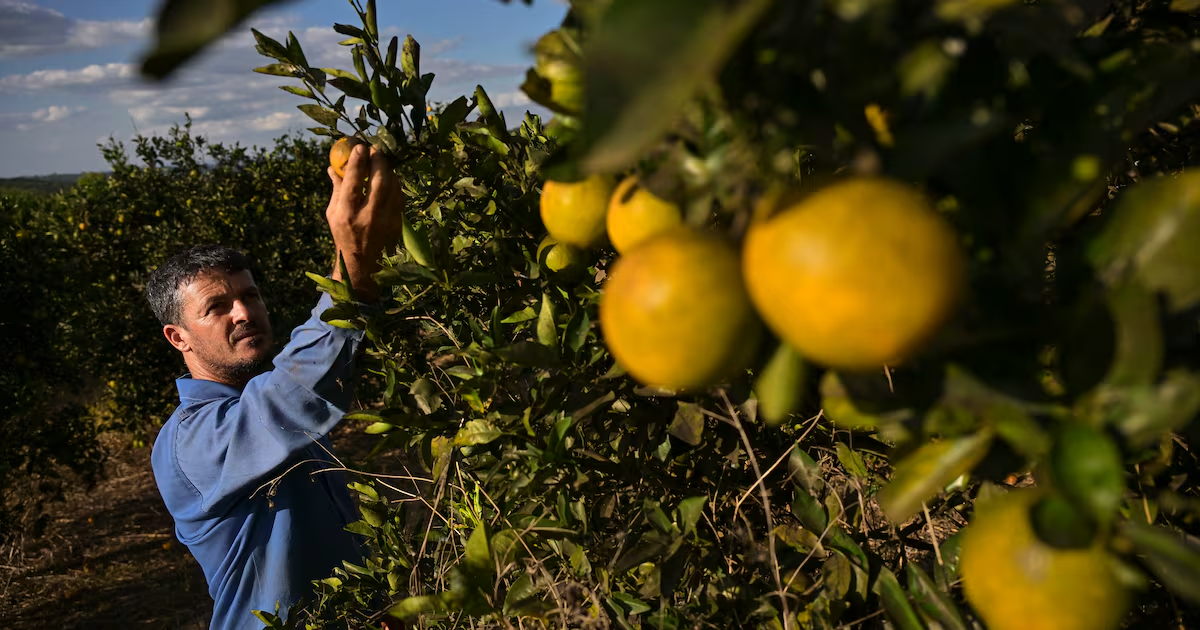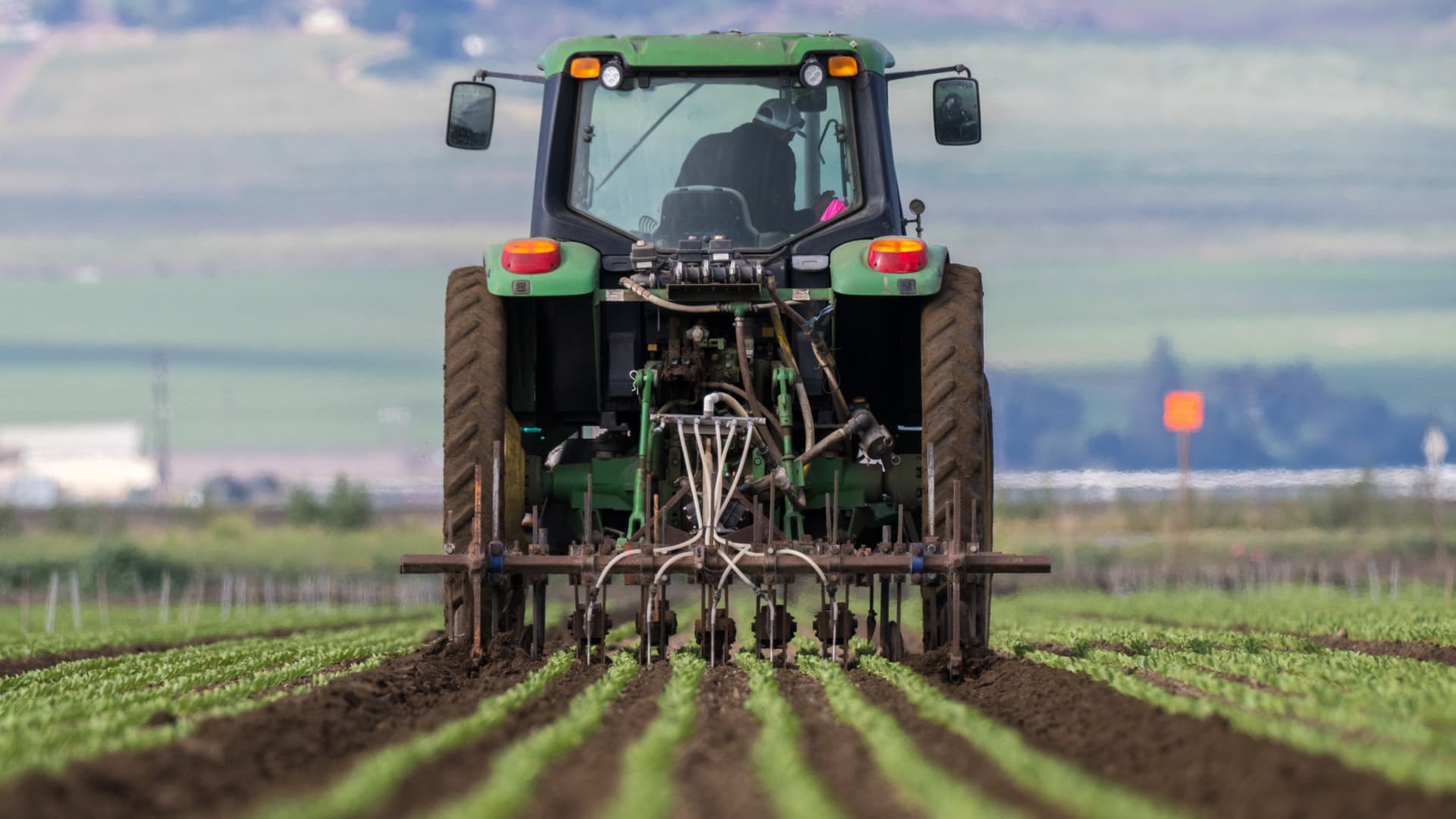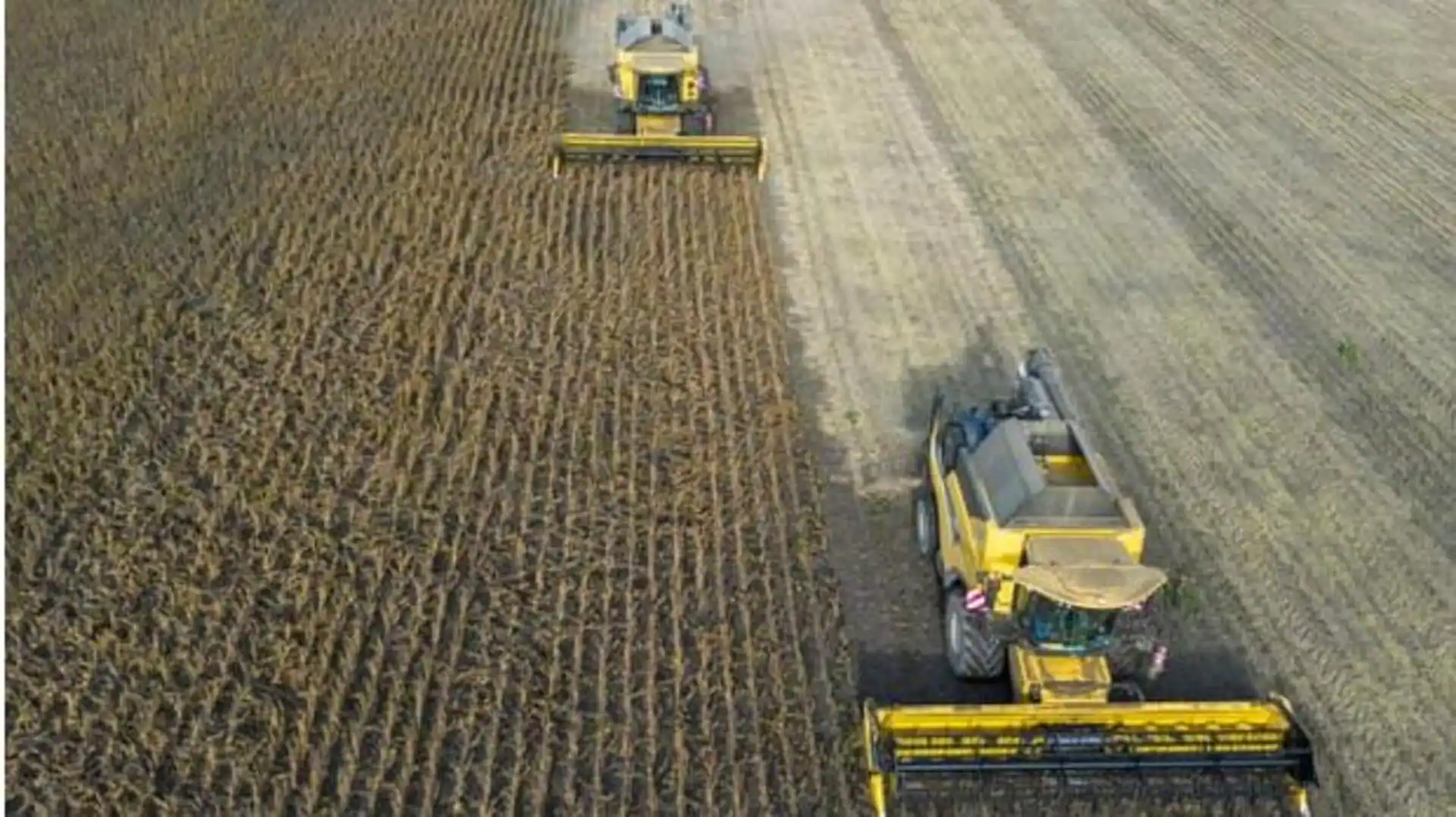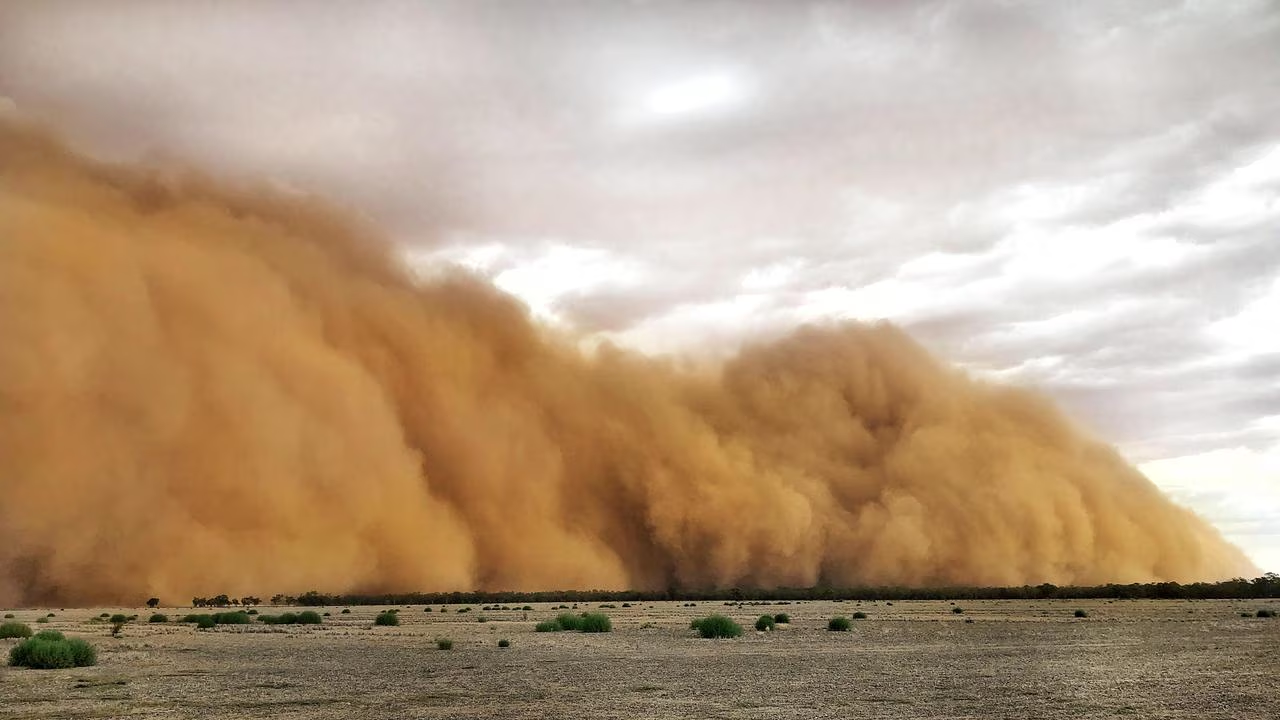
A devastating global food price spike is back on the agenda.It never really went away.War closed vital shipping channels through the narrow Strait of Hormuz in February. This choked global supplies of oil, fertiliser, helium and aluminium.A “Super” El Niño has since formed over the eastern Pacific. This has already produced sizzling heatwaves across Europe and the United States, unusual weather across Africa, and severe floods in China.This is all adding up to what strategic analysts term a “polycrisis”.Lots of problems. All at once. All over the place.This affects everyone.The cost of living is soaring worldwide.That’s because farmers are struggling to produce crops with high diesel and fertiliser costs. Not to mention weather extremes.Distributors and supermarkets are raising prices to maintain profit margins. It’s the cost of diesel again. And oil-derived plastics. Not to mention disruptions to tightly scheduled deliveries.Cheap backup imports and off-season supplies are evaporating. Many international suppliers are experiencing their own problems. And the same problems. If not worse.It’s leading towards what former Australian Army logistics officer Dr Elizabeth Boulton has defined as a “hyperthreat”. That’s when a chain of crises reaches a tipping point.It’s when everyday people, everywhere, get upset. Hungry. Angry.And markets, governments and militaries are left with no quick fix to fall back upon.The dominoes are falling.Ukraine is the grain food bowl of Europe. Its exports are often a lifeline for drought-affected nations in Africa, the Middle East, and elsewhere.Russia this week began an intensive bombing campaign of the harvests being gathered in its ports.And that harvest is already diminished because of fuel and fertiliser supply problems, and war.This is Moscow’s response to Ukraine’s ongoing resistance to invasion. Kyiv has been sending its drones out in a sustained attack on Russian oil refineries, harbours, cargo ships and logistics hubs. That’s been limiting Russia’s profitable supply of illicit crude oil to global black markets.It’s all adding up.Floods in China. Fires in the United States. Power plants across Europe shutting down due to heat. Fighting and ebola in Africa. Diplomatic coercion over controlling the South and East China Seas.Some welcome relief was offered to the world on June 17.That’s when a memorandum of understanding was signed to pause fighting between the United States and Iran.Cargo ships hesitantly returned to the embattled Hormuz Strait. Oil and fertiliser supplies began to reach their global destinations once again. Perhaps the harvest after the next would be stronger, cheaper …But that hope only lasted three weeks.The ceasefire deal collapsed after Iran’s new Ayatollah Ali Khamenei laid his assassinated father to rest amid a spectacular funeral procession in Tehran.The missiles and drones are flying again.And the ships have turned away.Patchwork PolycrisisGlobal investment firm Schroders is worried. Its analysts have been calculating the impact of a strong El Niño weather pattern combining with war in Europe and the Middle East.It expects food price inflation in advanced economies to push into double digits early next year. Urea, a vital ingredient in fertiliser, has already doubled in price. That flows through to the next planting season worldwide. Especially for grains.Add to that sustained high diesel costs. And crop damage.Now Schroders’ economists have modelled this broadbased scenario past upcoming global harvests.“If past correlations were to hold, then a very strong El Niño would imply a doubling of global food prices from current levels over the next year or so,” the Schroders report reads.“Of course, none of these relationships are ever perfect.”But the World Meteorological Organisation agrees.“We need to prepare for a potentially strong El Niño event which will exacerbate drought and heavy rainfall and increase the risk of heatwaves,” it warns.And the Food and Agriculture Organisation of the United Nations adds that the Strait of Hormuz and Ukraine invasion have already affected harvests and food supplies. Further disruptions will just make it all worse.“We meet at a moment of profound strain,” the Director-General told a recent gathering. “This is not only a geopolitical crisis, but also a disruption at the core of the global agrifood system.”Now, the Washington DC-based Council on Strategic Risks think tank says this is all just the beginning. “The next shock could be worse,” states Director Erin Sikorsky. “By 2040, climate change more than triples the odds of wheat crops failing simultaneously in India, France, and Germany.”European food prices as sharply as the first year of the Russia-Ukraine war and stir Arab Spring-style unrest in import-dependent NATO partners such as Morocco and Algeria.”Similar, if not worse, problems would be experienced across Southeast Asia.Heightening HyperthreatLast year, NATO members agreed to increase defence spending to 3.5 per cent of their gross domestic product. They reaffirmed this last month.Significantly, members also promised to allocate an additional 1.5 per cent to new national resilience and security projects. That means preparing for fire, flood, drought, storms, sabotage and cyber attacks. And adapting infrastructure (such as roads, railways, canals, and buildings) to cope with much higher temperatures.Canberra is yet to follow suit.But the problem is already real for Europe.“Britain’s Royal Air Force had to reroute planes to different runways in 2022 when the tarmac on one field at Brize Norton softened in the heat,” Sikorsky notes. “Hot air is also thinner, so aircraft carry less, take off over longer distances, and climb less easily.”Just one more cog in the growing polycrisis.“Members must also invest in … the food, water, and energy systems that hold societies together under stress,” Sikorsky adds.“Shocks brought on by extreme heat in low-income and climate-vulnerable countries can fuel instability, conflict, and displacement, with downstream effects on European security through migration pressures, disrupted supply chains, and increased demand for military and humanitarian engagement.”It’s not a problem limited to Europe.World history is brimming with examples of what happens when crops fail.People get hungry. Nations go to war. Nations suffer civil strife. People die.The world is different now.It has extensive trade networks designed to profit from variations in global demand.The world is bigger now.More people, more machines, more systems mean much greater demand.The world is smaller now.The internet has no borders. And that means international sabotage is just a keystroke away.It’s all a patchwork building towards hyperthreat.Australia is far from the Ukraine war’s front line. But the Signals Intelligence Directorate this week reiterated warnings that the nation’s critical infrastructure (hospitals, logistics, water supplies, power networks, etc.) is under Russian cyberattack.This has the potential to take lives. But mostly it’s intended to generate chaos. Upset people.In Poland, this month’s unprecedented heatwave was met with a barrage of anonymous social media abuse aimed at the government for “manipulating the weather”.“Being unprepared for extreme weather also leads to more indirect risks from hybrid threat actors,” Sikorsky concludes. “[These] leverage disasters to push disinformation aimed at undermining societal trust in governments.”
Global food crisis: How El Nino and war could double grocery prices
A devastating global food price spike is back on the agenda.
1,111 words~5 min read