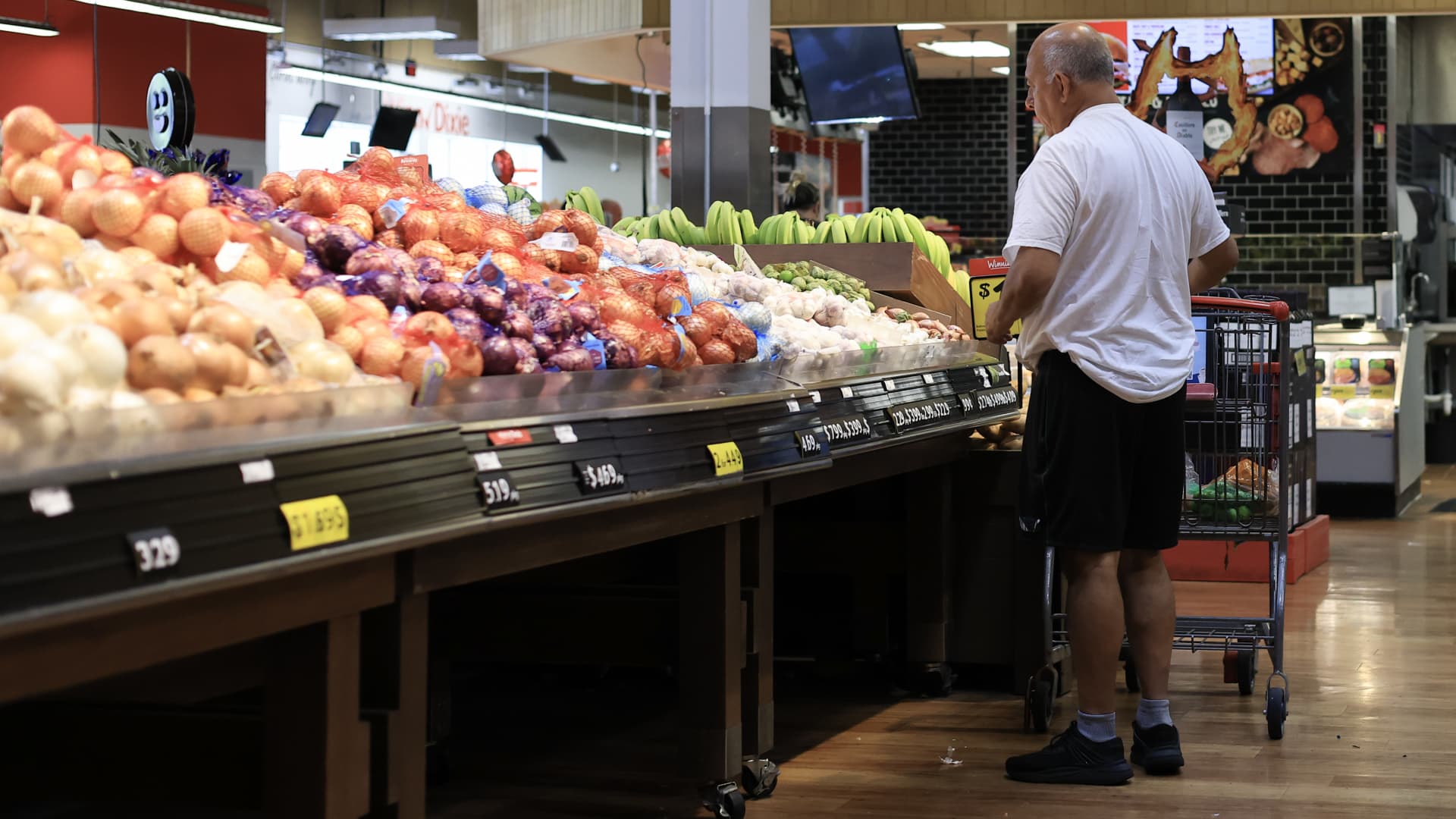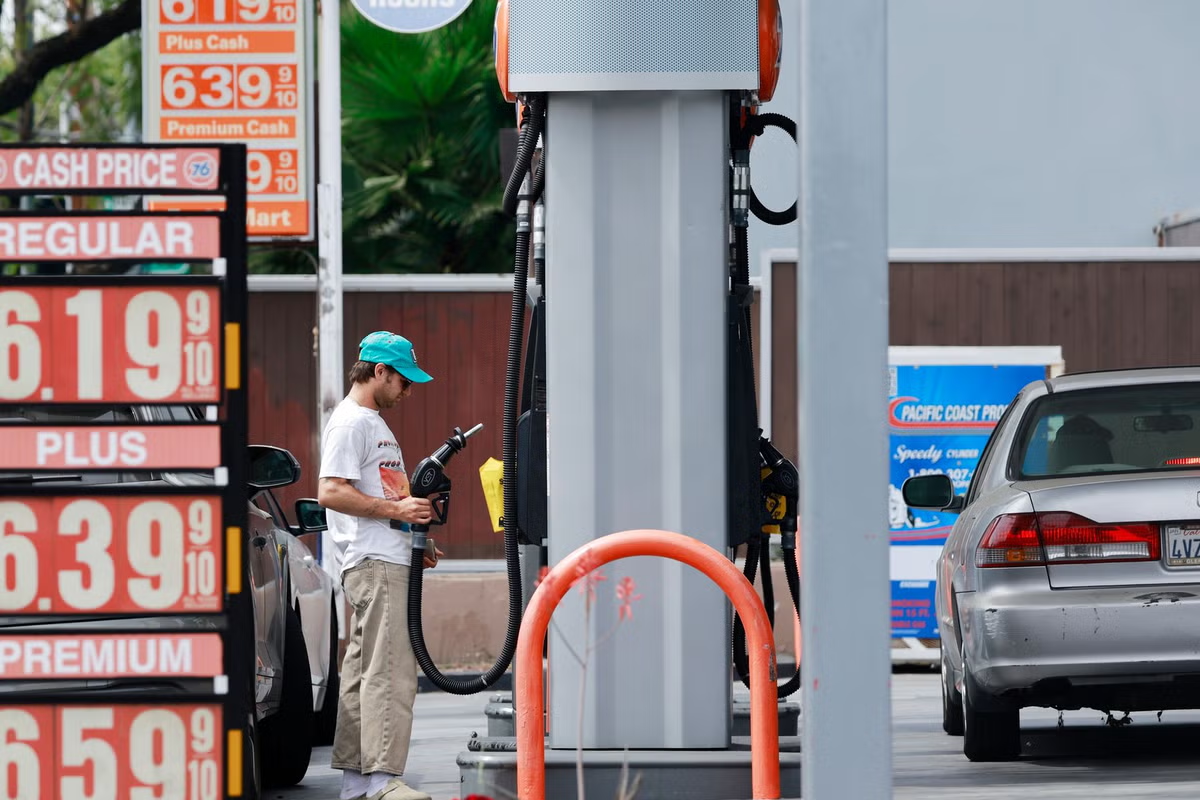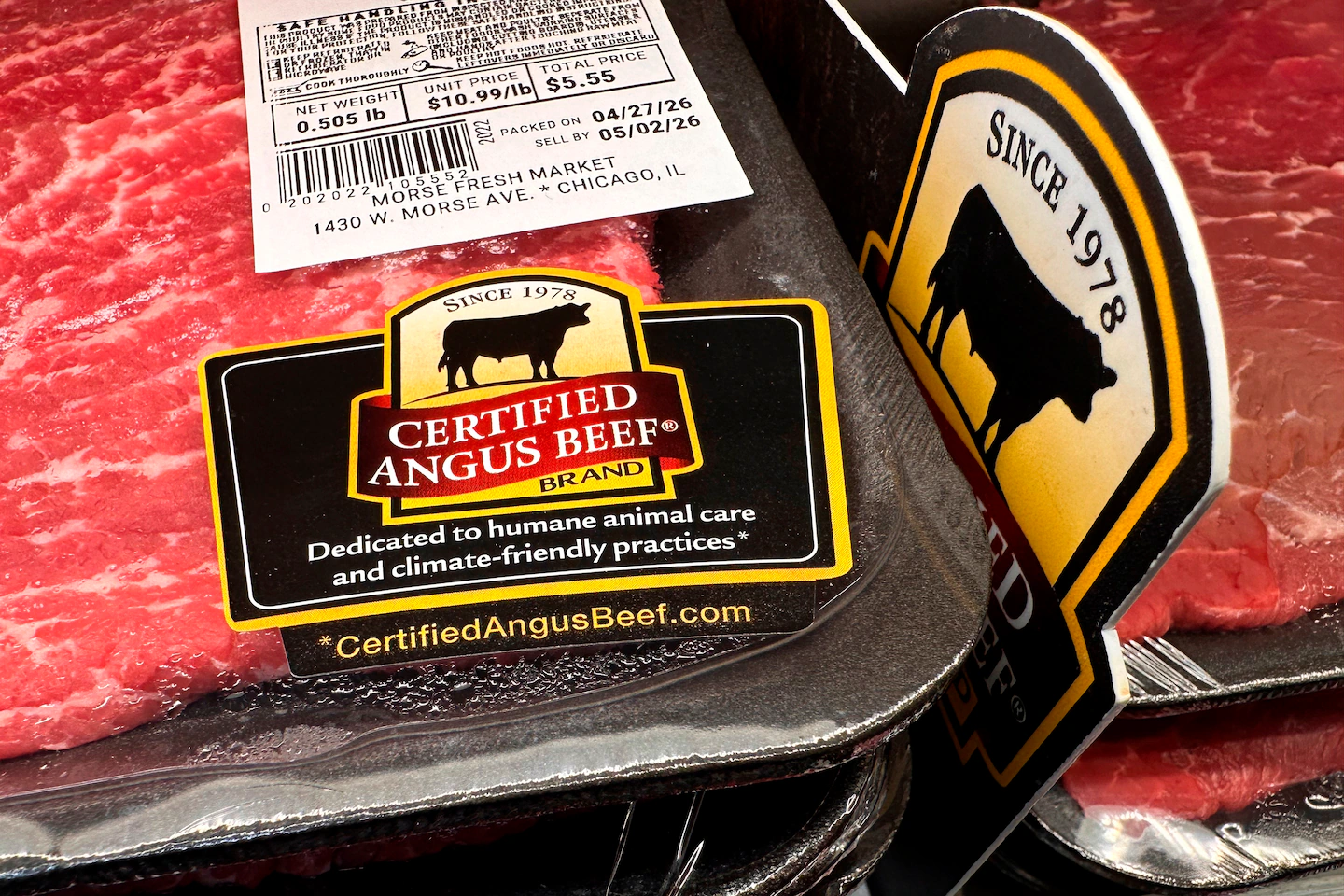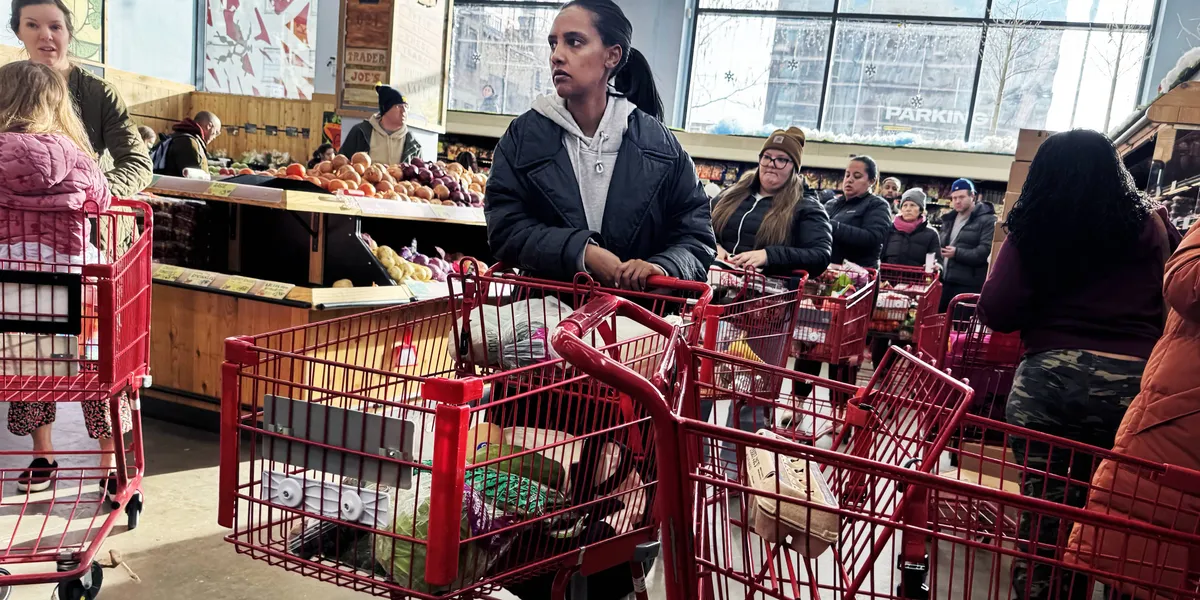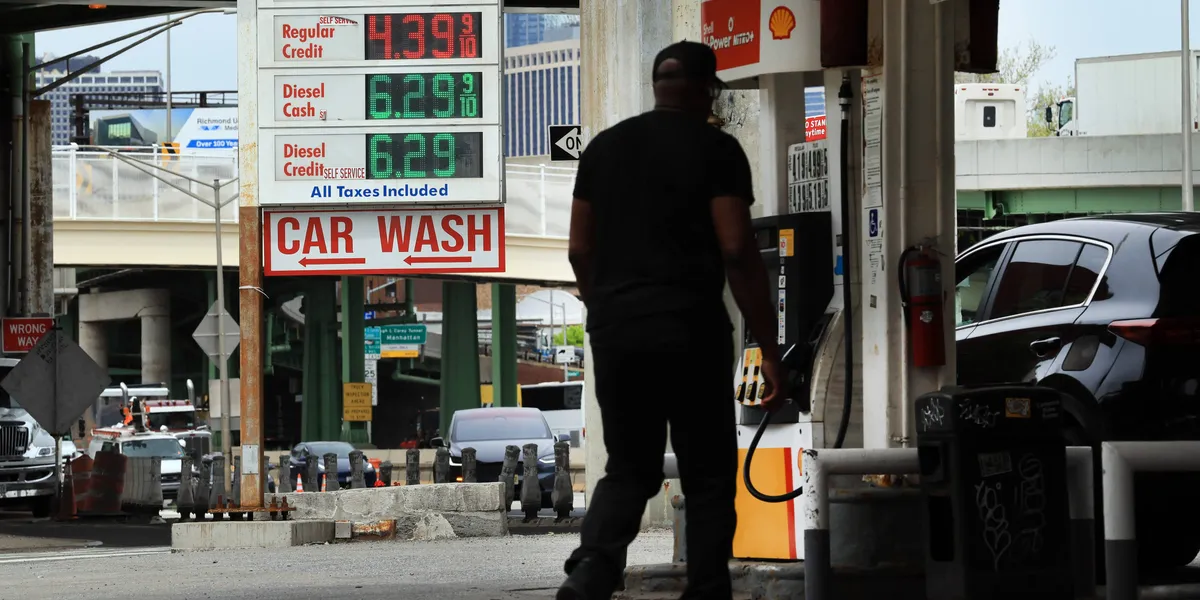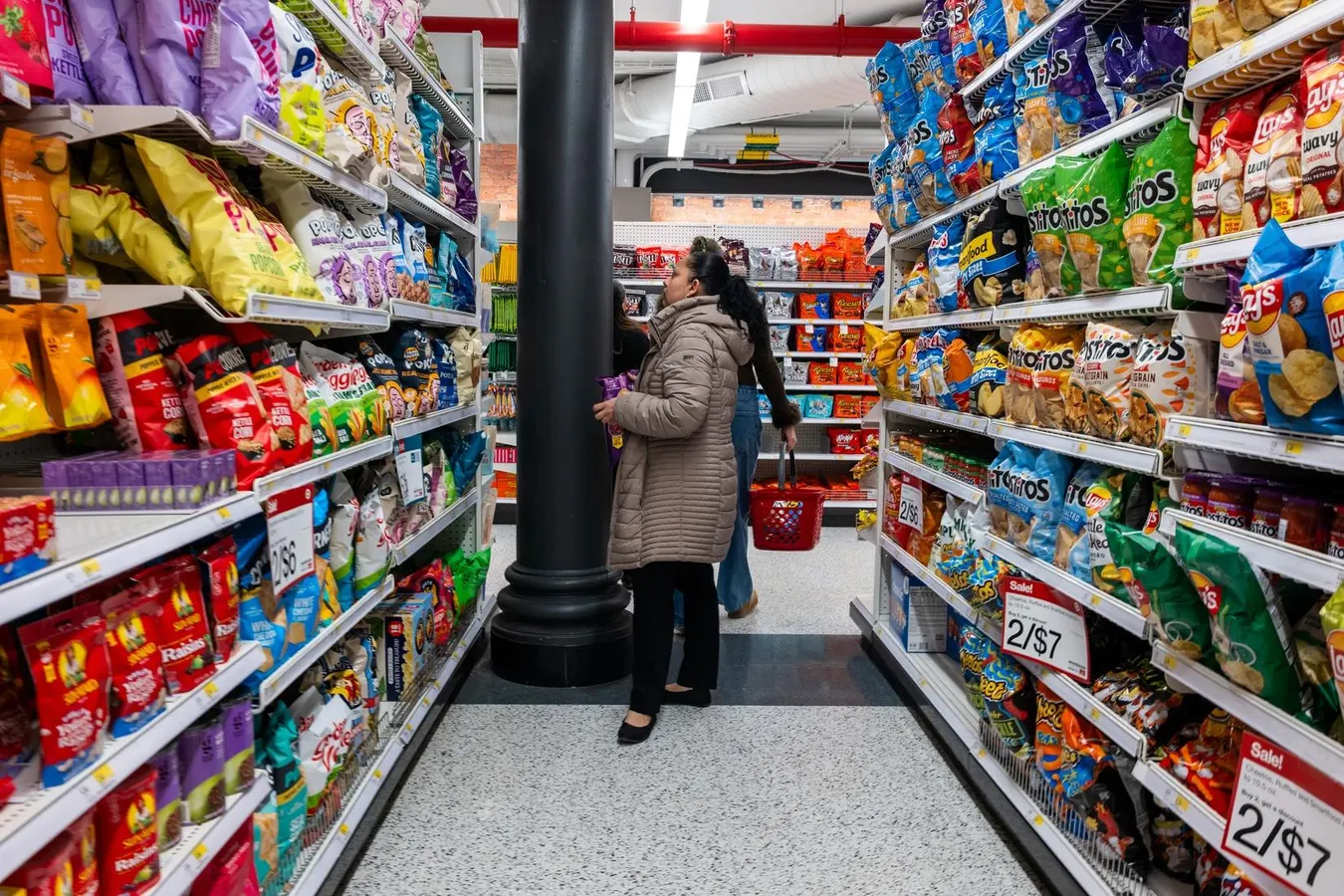
ToplineThe war in Iran started by the U.S. and Israel six weeks ago helped push global food prices up 2.4% in March, the UN said Friday, the second month in a row of increases as the price of moving and processing food rises on the back of higher energy and fertilizer prices. People shop at a grocery store in Manhattan on Feb. 27, 2026.Getty ImagesKey FactsOf the commodities tracked by the FAO Food Price Index, sugar (7%) and vegetable oil (5%) were the biggest increases in March, and global wheat prices rose 4.3%. Dairy prices rose 1.2% from February and meat prices rose 1%, per the UN.The month's cost increases were in part thanks to higher energy prices linked to the war in the Middle East, specifically the stoppage of oil flowing through the Strait of Hormuz, the UN reported, and the agency has predicted global prices are likely to continue rising. Higher energy prices have in turn meant higher costs for moving, processing and making food around the world, including in the United States, where diesel prices have risen to an average of $5.53 per gallon as of Friday. Diesel is an essential fuel for farmers, who use it to power agricultural equipment, and for trucking companies, which are responsible for transporting 83% of all agricultural products and 92% of dairy, fruit, vegetables and nuts in the U.S., according to the USDA.In the U.K., the Food and Drink Federation predicts food prices will rise by at least 9% by the end of the year, the Guardian reported, up significantly from the 3.2% rise that was expected before the start of the war.In addition to oil, about one third of global fertilizer production travels through the Strait of Hormuz, placing an additional burden on farmers that the UN says has already led to the planting of less wheat in Australia, helping to drive March’s price increase on the commodity.What To Watch ForMore price hikes. The UN has indicated global fertilizer prices could average 15% to 20% higher in the first half of 2026 if the war in Iran persists, and experts haven’t seen any indication fuel prices will drop soon. The United Nations World Food Program has warned surging fuel prices could push more people "towards severe food insecurity" in the coming months.Crucial Quote‘When fertilizer becomes more expensive, the next harvest gets smaller and costlier,” wrote Lee Crawfurd and Eeshani Kandpal with the Center for Global development. “We won’t see the full effects of fertilizer prices spiking until the harvest season 6-12 months later. But the time to act is now, not after the higher prices are baked in.”Big Number65%. That's how much of their income poor households in low- and middle-income countries spend on food, as compared to 20% of the budget of the richest households, according to the Center for Global Development, meaning the same food price increases hit the poor three times harder than the rich. Key BackgroundAffordability was one of President Donald Trump’s biggest campaign talking points, and has turned into one of his largest issues since he took office. On the campaign trail, his supporters promised "a vote for Trump means your groceries will be cheaper," and at this year's State of the Union address he argued his policies were bringing prices down. But food prices are up 3.1% over the last year, according to the latest Consumer Price Index from the U.S. Bureau. In addition to the war, food prices have been impacted by the broad tariffs Trump imposed on other countries—including food and agricultural imports. Even after exemptions granted by the administration in November, more than half of imported food products are still impacted. In December, food prices grew at their fastest monthly rate since fall of 2022, according to the Center for American Progress. The price of beef increased 16% last year (in large part due to cattle supply issues, but also thanks to tariffs), coffee rose nearly 20% in 2025 and American consumers paid more than 6% more for fruits, as well as for fish and other seafood, as a direct result of the administration’s tariffs, per CAP. Further ReadingForbesTrump Suggests U.S. Will ‘Take The Oil’ From Strait Of Hormuz ‘With A Little More Time’By Sara DornForbesTrump Suggests U.S. Will ‘Take The Oil’ From Strait Of Hormuz ‘With A Little More Time’By Sara Dorn
These Foods Are Already More Expensive Thanks To Iran War
Between the war and tariffs, food prices have largely risen since Trump took office.
723 words~3 min read