July 30th, 2026
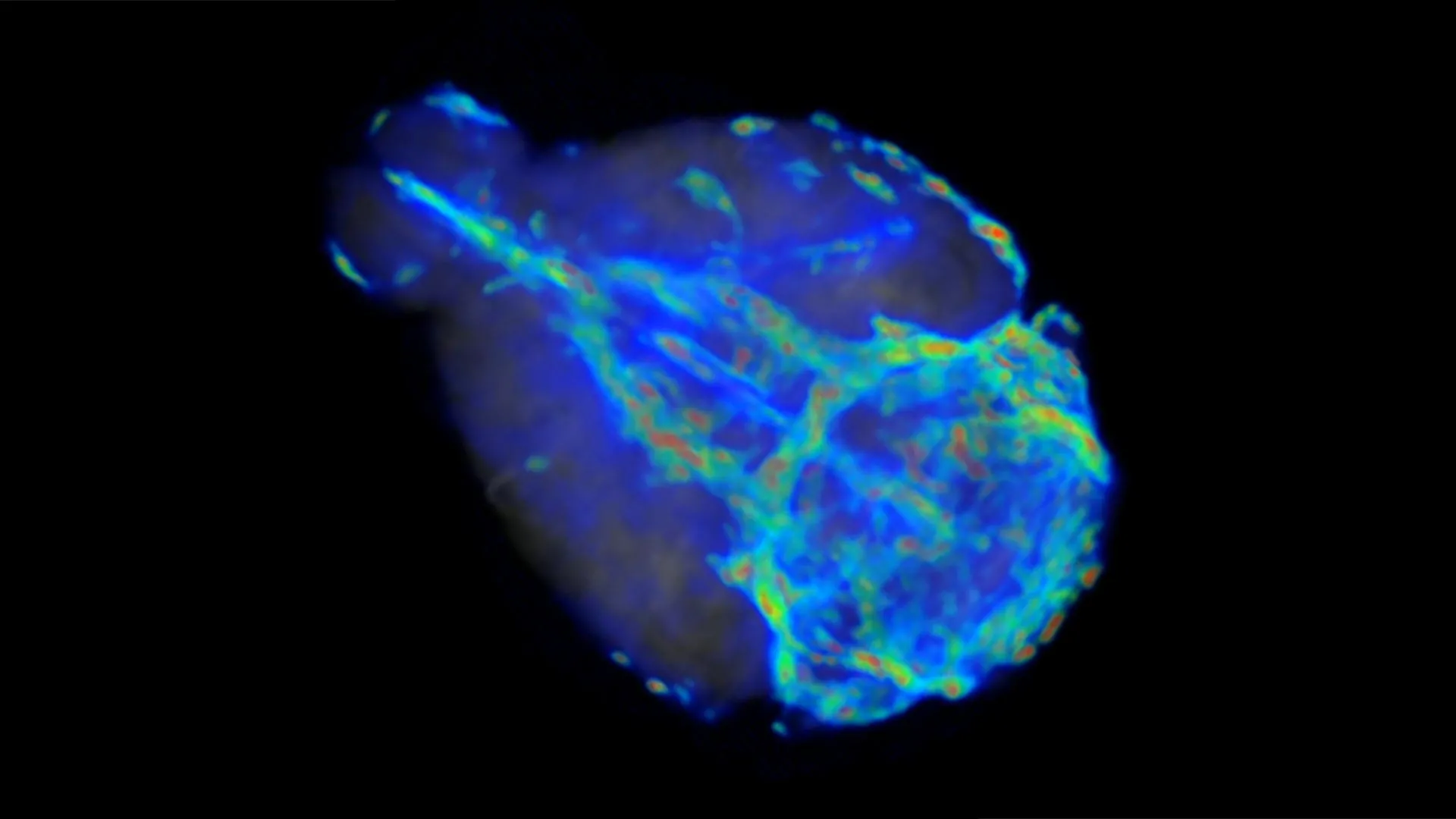
The vessels of the glymphatic system run parallel to blood vessels entering the brain. Glymphatic vessels provide a path for drainage of cerebrospinal fluid into the body. This is a way to remove metabolic waste from the brain, such as the protein aggregates that contribute to neurodegenerative conditions. Loss of glymphatic flow is a feature of aging, allowing the build up of metabolic waste in the brain and consequent cellular dysfunction. Researchers here report on interesting results from a relatively simple approach to restore a greater drainage of cerebrospinal fluid through the glymphatic system, intermittently changing gas levels known to affect blood vessel contraction and dilation in order to encourage fluid flow in the glymphatic system close to those vessels. It remains to be seen as to whether this will affect disease progress, but animal studies of other ways to increase drainage of cerebrospinal fluid are encouraging.
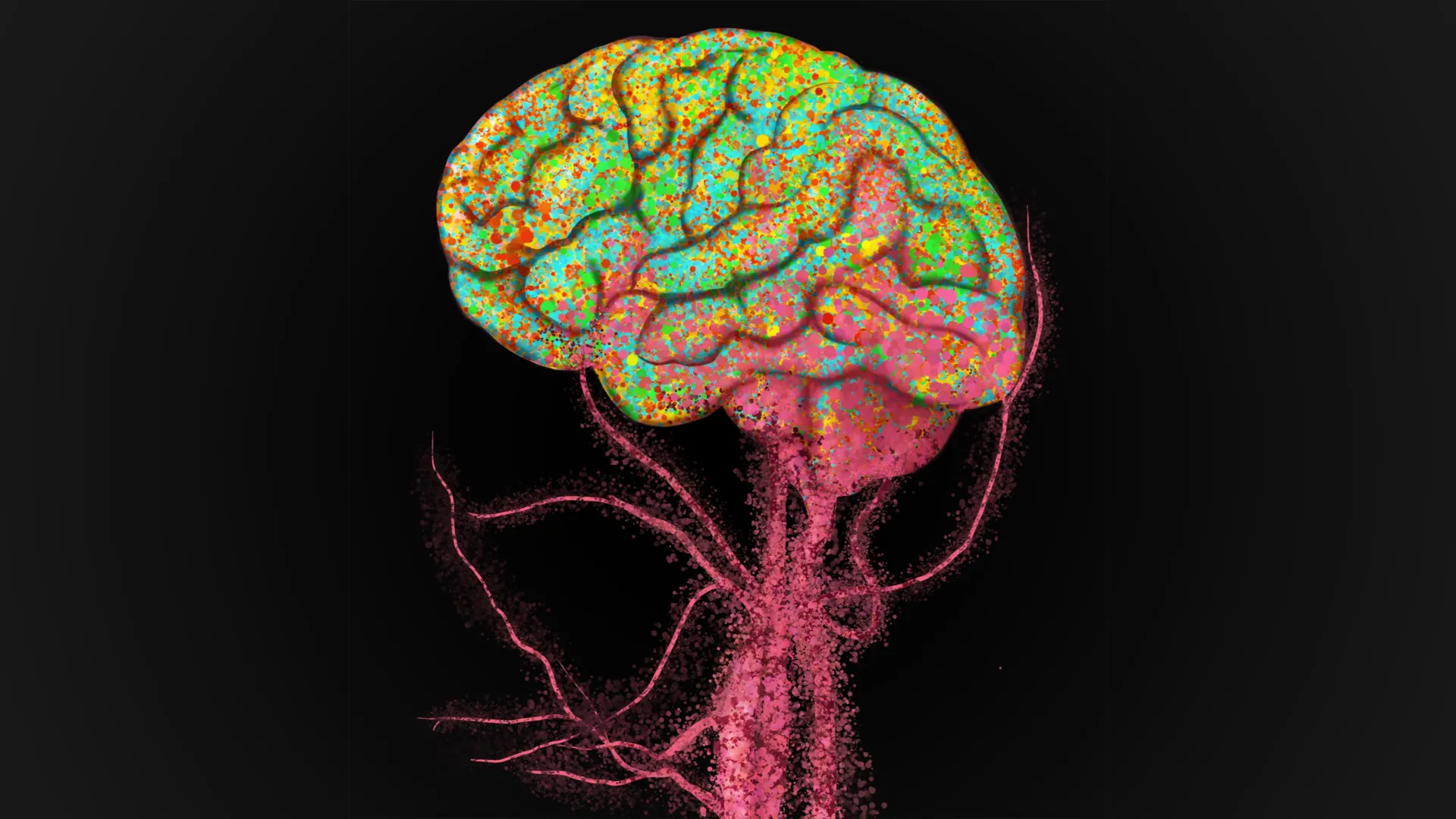
A unifying feature of neurodegenerative conditions is the accumulation of unwanted proteins in the brain. For Alzheimer's disease it is amyloid beta and Tau proteins, while for Parkinson's disease it is alpha synuclein. Related conditions such as Lewy body dementia have a similar protein buildup. Normally, the body can clear these proteins, which are often the waste products of neuron activity, using a natural process called glymphatic clearance, which takes place when our bodies enter deep sleep.