July 10th, 2026
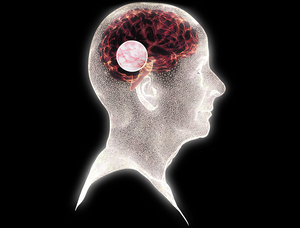
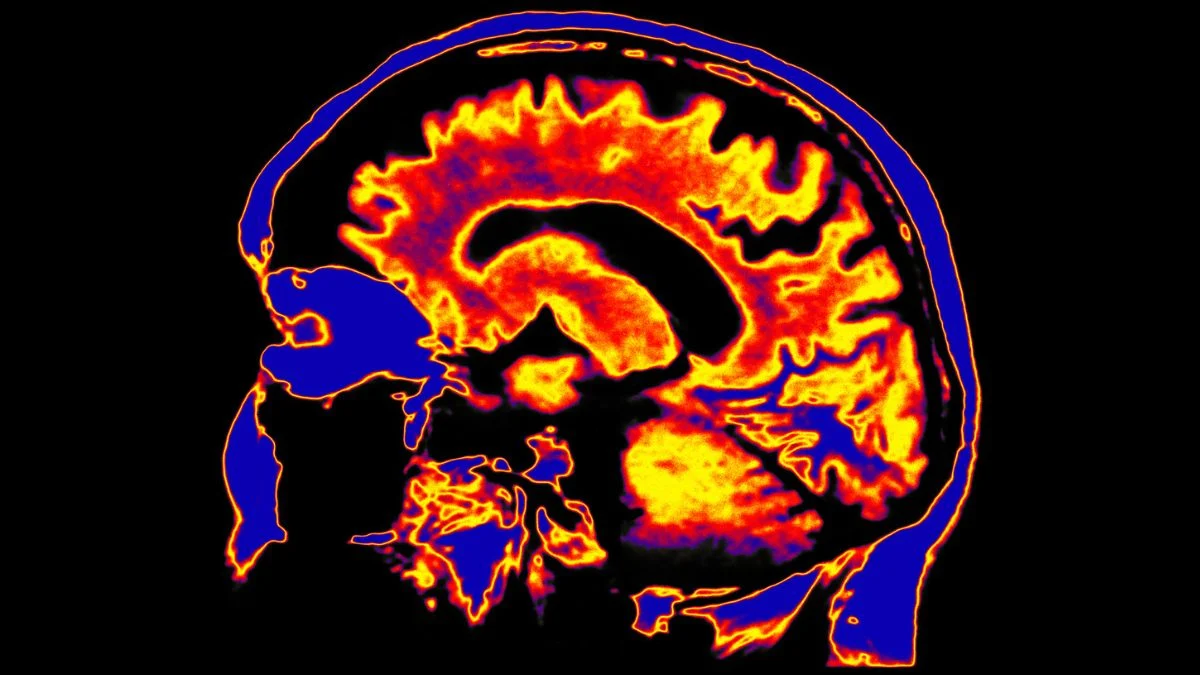
Age-related impairment of drainage of cerebrospinal fluid from the brain is a topic of increasing interest. This was pioneered by the work of Leucadia Therapeutics, specifically focused on the drainage path for the olfactory bulb leading through the cribriform plate, but most present work is focused instead on the glymphatic system drainage that parallels the vasculature supplying the brain. The two pathways decline in capacity with age, but for very different reasons, and will need different forms of therapy. Thin channels for fluid flow through the cribriform plate ossify shut with age. The glymphatic system suffers from a failure of regulation of peristaltic flow through vessels, however.
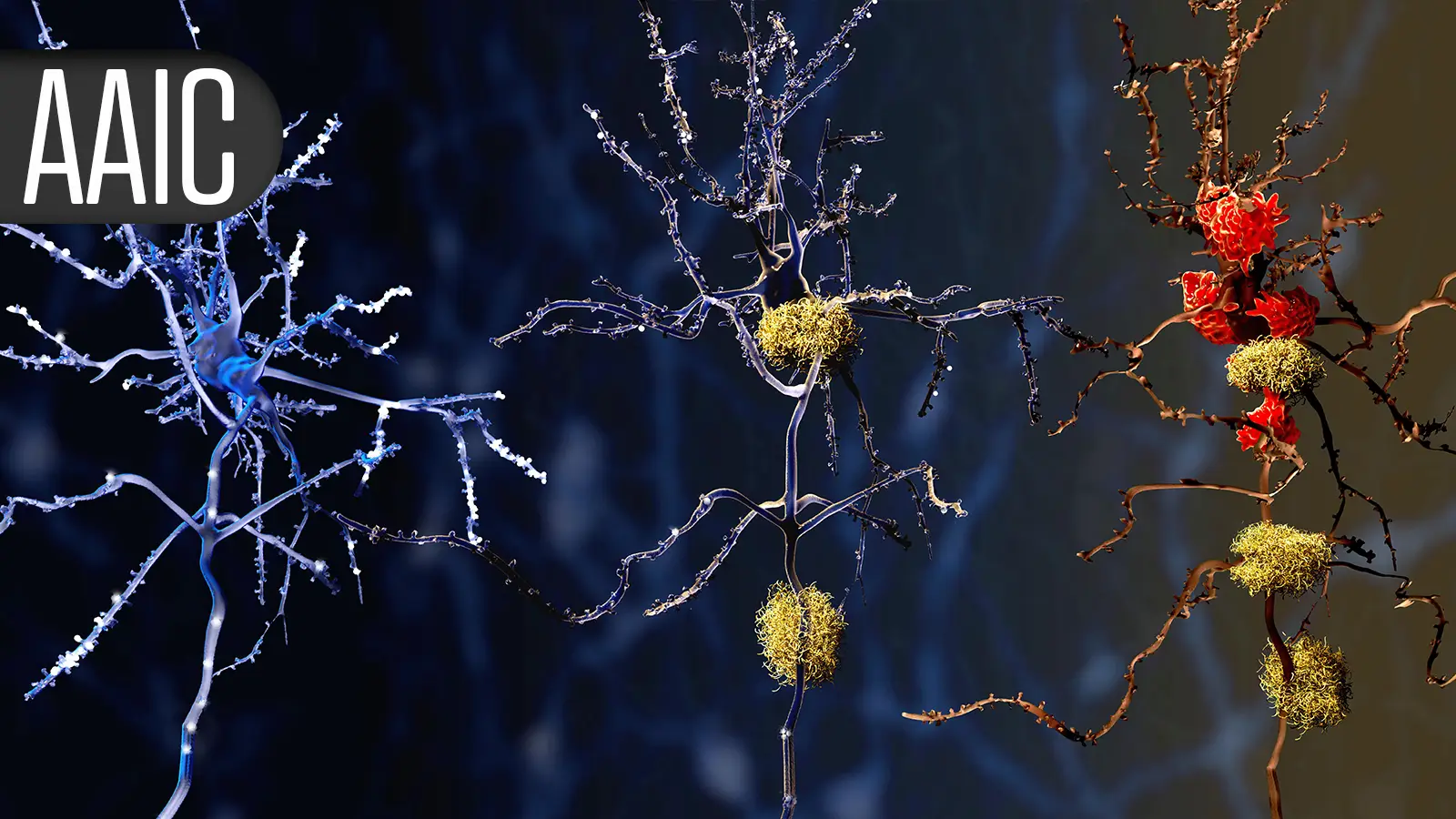
Cerebrospinal fluid drainage is a way to remove metabolic waste from the brain. Declining flow means that this waste will build up. This includes the protein aggregates associated with neurodegenerative conditions, and probably a great many other forms of metabolic waste that individually have more subtle effects, but collectively act to provoke cell dysfunction when present at high levels. One of the more important consequences is thought to be a maladaptive inflammatory reaction in glial cells in the brain, which in turn drives the onset and progression of neurodegenerative conditions.