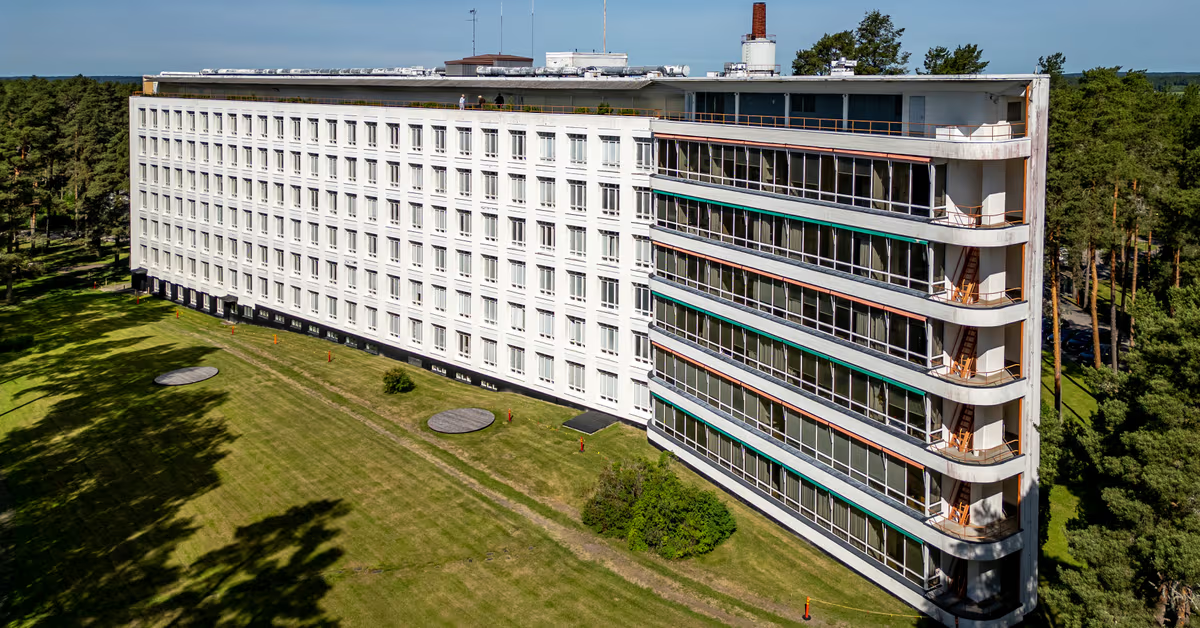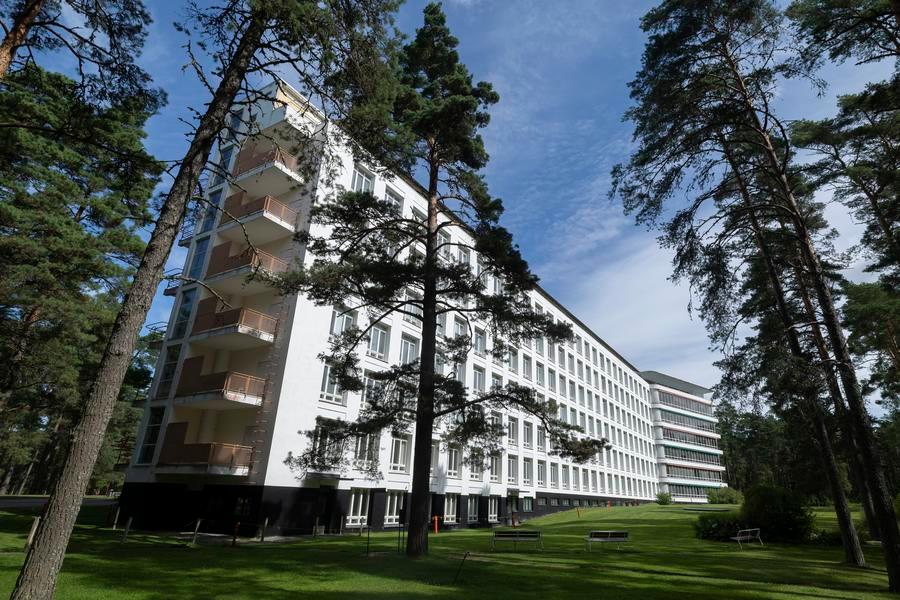
A sanatorium designed to foster a soothing environment to help tuberculosis patients recover was among a series of sites by Finnish architect Alvar Aalto to join UNESCO's World Heritage List on Sunday.
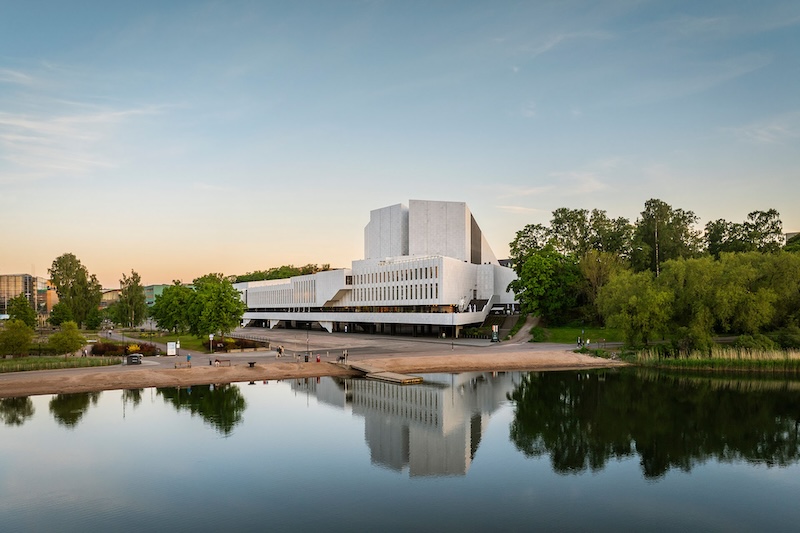
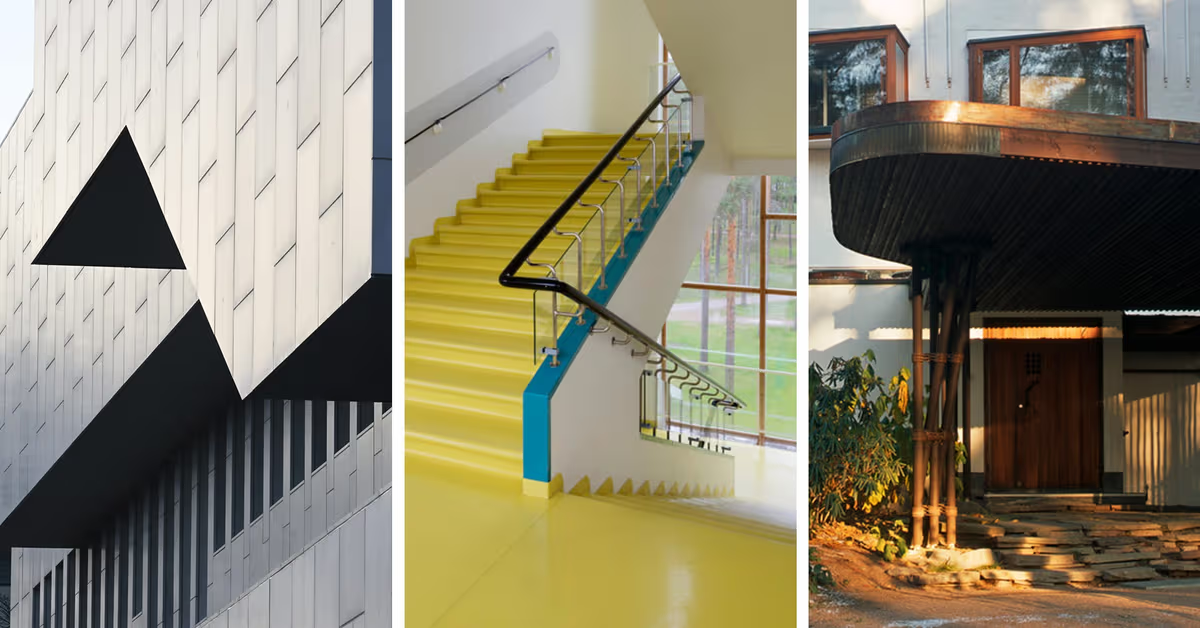
The Aalto Works, comprising 13 sites across the Nordic country, were designed by Aalto along with his first and second wife, architects Aino and Elissa Aalto, and highlight architecture's role in the development of the welfare state, Finland's Ministry of Education and Culture said in a statement.
The sites embody what the ministry called the Aaltos' humanistic modernism, an approach which strived for harmony between buildings and the natural environment.
Their inclusion in the UNESCO list marks "a significant international recognition of Finnish modern architecture", the minister of science and culture, Mari-Leena Talvitie, said.
In contrast to the emphasis of strict geometry and function in modernist, early 20th-century architecture, the Aaltos sought to bring human emotion and natural forms into their work.