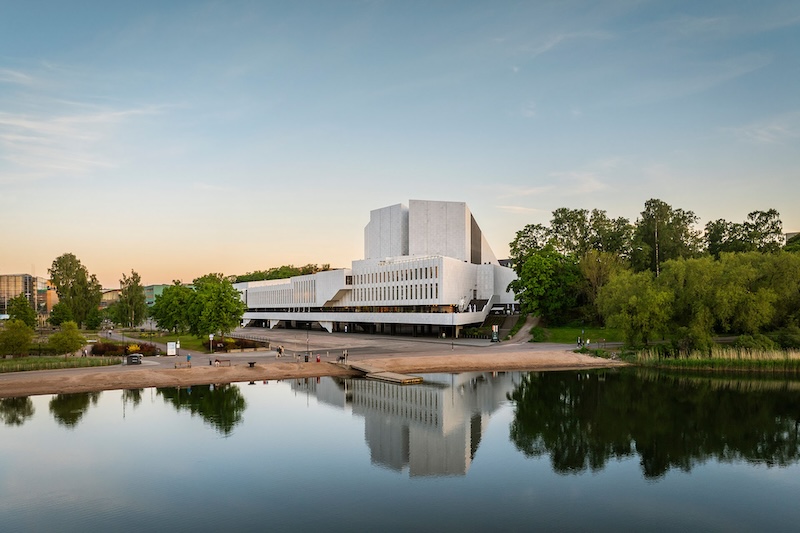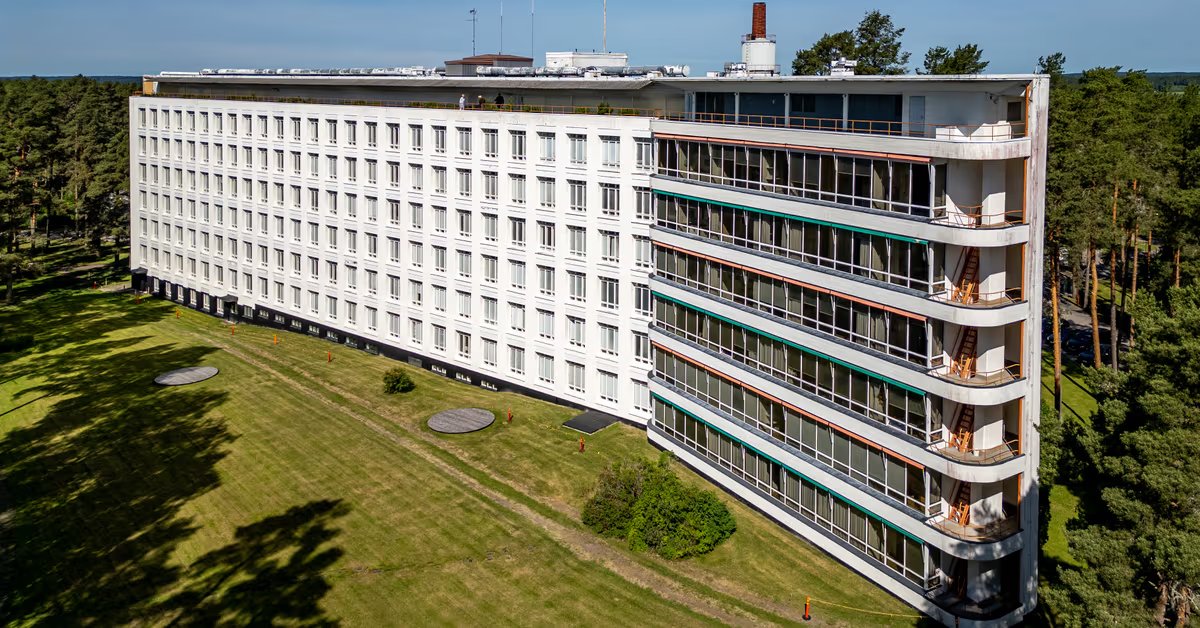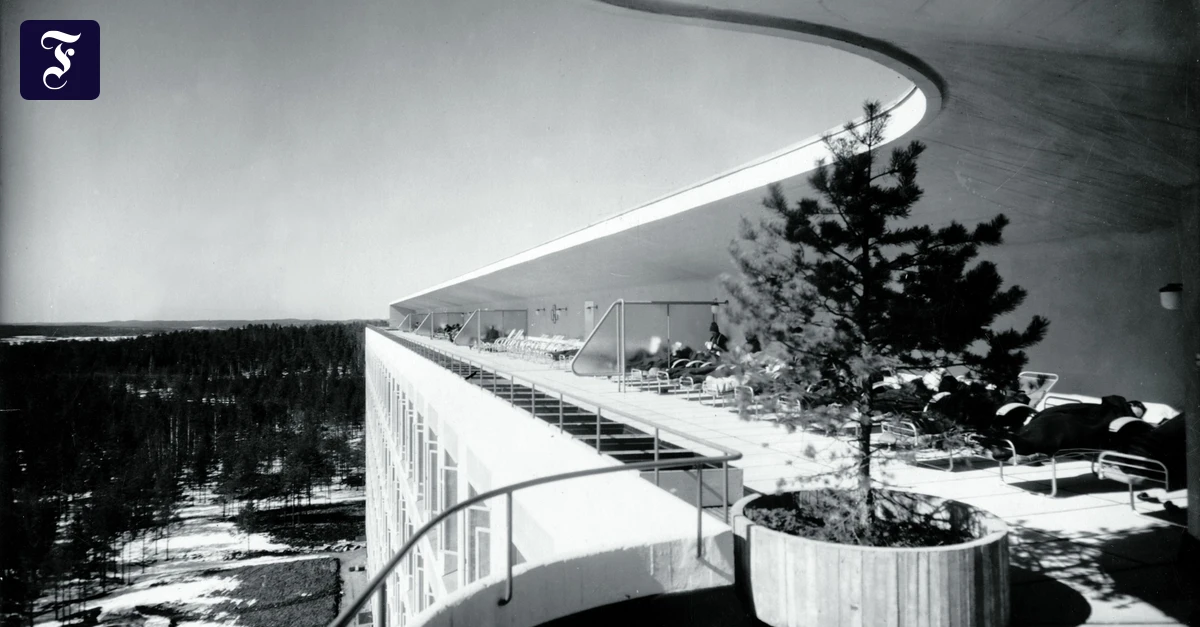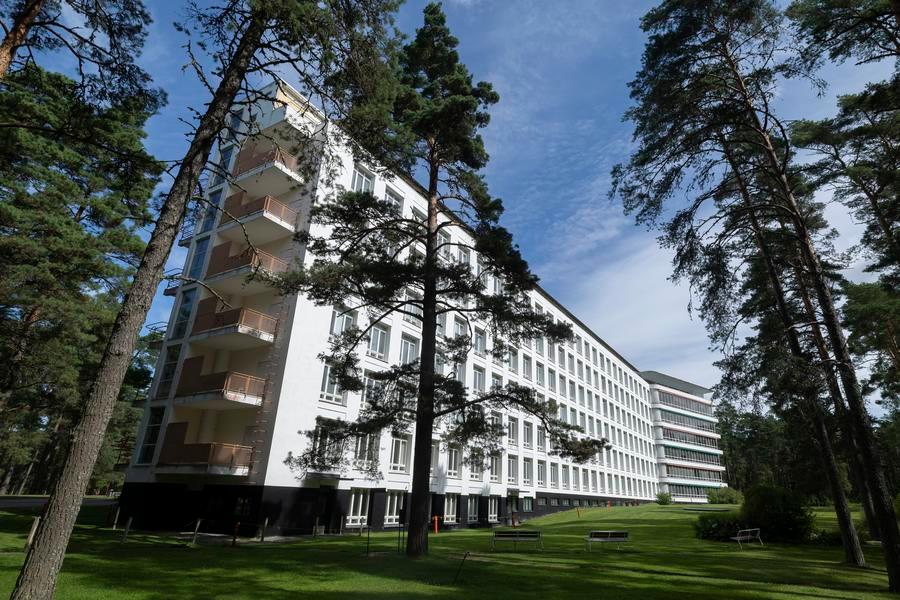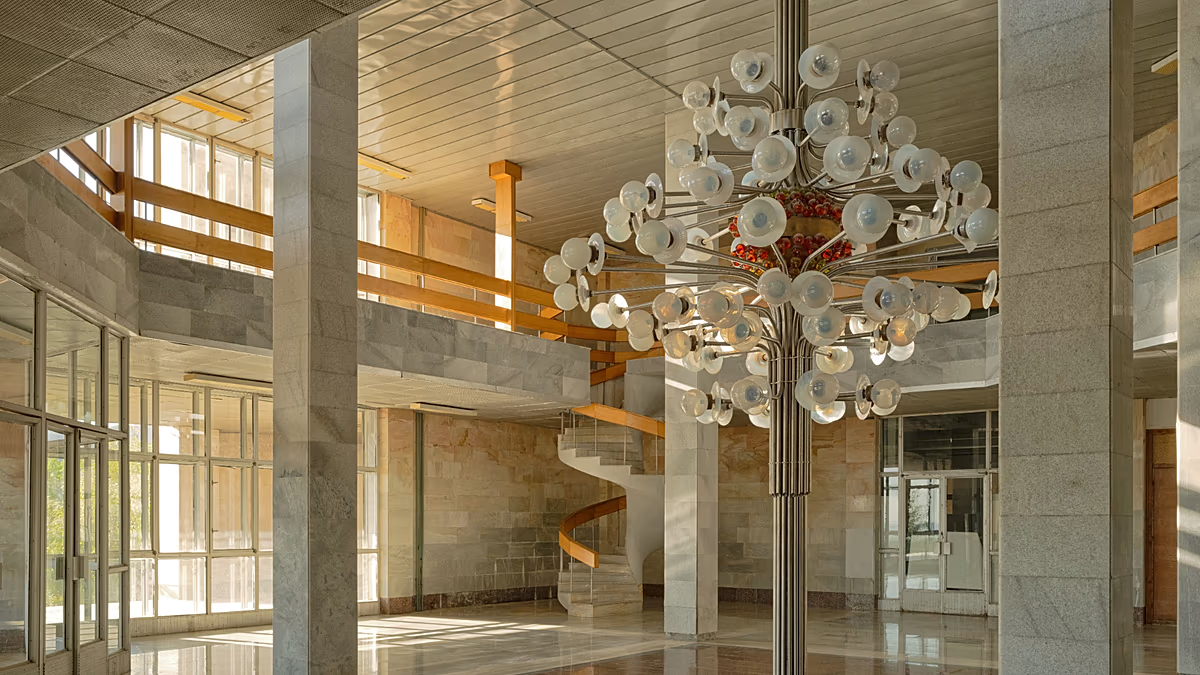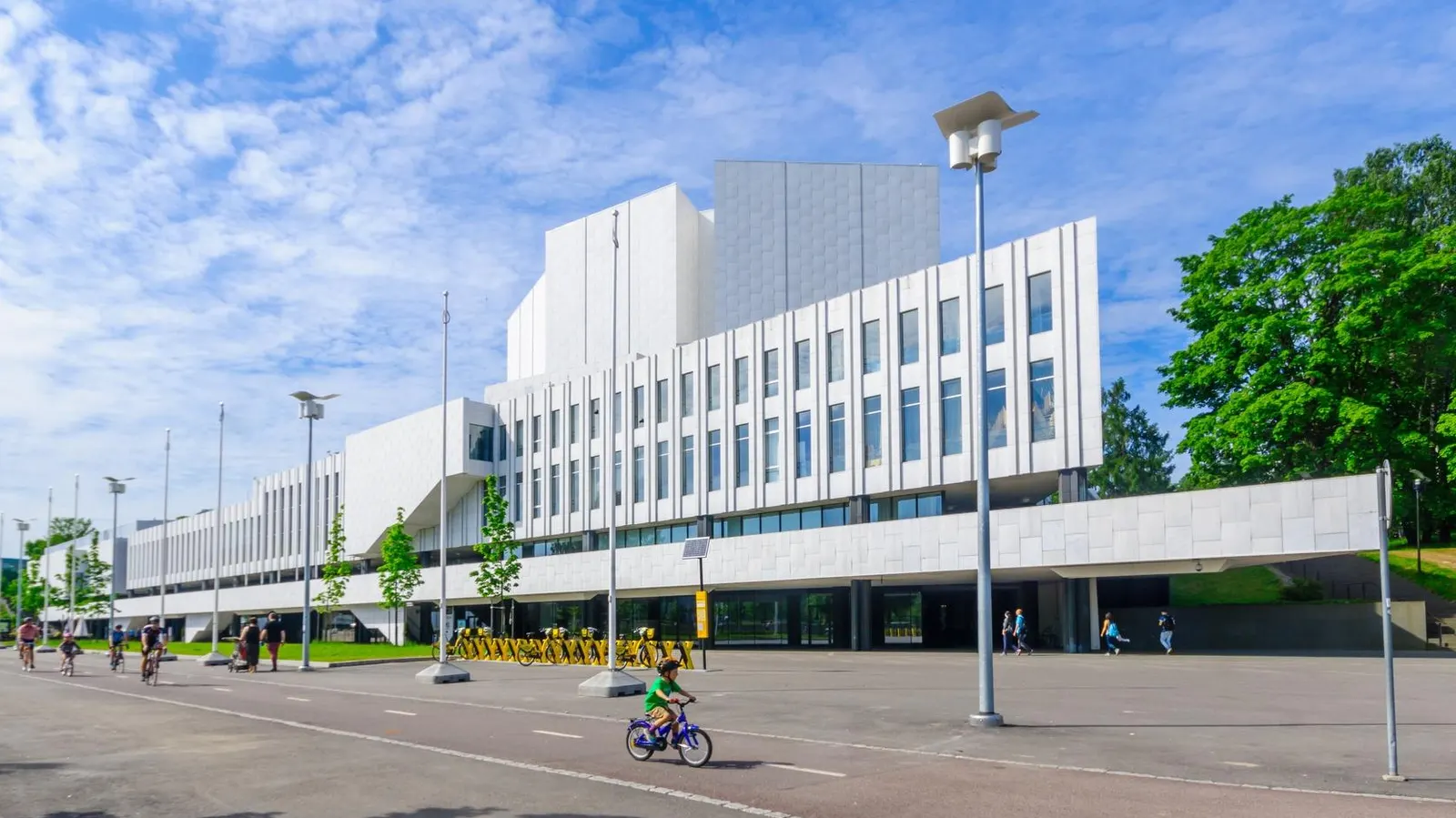
Approach to the landmark Aalto-designed Finlandia Hall in Helsinki, Finland.gettyAalto Works brings together 13 locations designed by Alvar Aalto and his collaborators, including spouses Aino and Elissa Aalto and their design partners.Spread across Finland, the collection includes private homes, concert halls, university buildings, industrial communities and one of the world’s most influential modernist sanatoriums.Together, the sites tell the story of a particularly Finnish approach to modern architecture.Rather than focusing solely on imposing forms, the Aaltos used natural light, tactile materials and connections with the surrounding landscape to create spaces around the needs of their occupants.The UNESCO designation creates a new reason to explore Finland through its architecture.An Introduction To Aalto In HelsinkiHelsinki offers the easiest introduction to the newly listed sites, with several Aalto landmarks located within the capital.Finlandia Hall is the most prominent. Standing beside Töölönlahti Bay, the white marble concert and conference venue is one of Helsinki’s best-known modern buildings. Visitors can explore its public areas, attend events or learn more through its permanent Alvar Aalto exhibition.The hall’s scale and ceremonial setting show one side of Aalto’s work, but two smaller sites in the residential district of Munkkiniemi offer a more intimate perspective.The Aalto House was designed as both a family home and workplace. Its interiors, furniture and use of natural materials reveal how the architects applied modernist ideas to everyday domestic life.A short walk away, Studio Aalto was created around the needs of an architectural practice. Curving walls, carefully controlled daylight and open working spaces give visitors an insight into how the studio operated. Both buildings are best experienced on guided tours, which should be booked in advance.Elsewhere in Helsinki, the red-brick House of Culture remains an active venue for concerts and events. The headquarters of Finland’s National Pensions Institute also forms part of the UNESCO collection, reflecting Aalto’s belief that even administrative buildings could be welcoming and human in scale.Taken together, the Helsinki sites can form the basis of a design-focused city break, but there’s much more to see in Finland’s capital city.The impressive Oodi Library and the Museum of Architecture and Design are must visits, the latter hosting an Aalto exhibition for the rest of 2026.Finland’s Strongest Aalto DestinationTravelers prepared to venture beyond the capital should consider making Jyväskylä the center of a dedicated architecture trip.Aalto's Säynätsalo Town Hall combines municipal offices with spaces designed to encourage community life.gettyThe central Finnish city and its surrounding lake district contain three of the UNESCO-listed locations. At the University of Jyväskylä, Aalto’s brick buildings and landscaped campus demonstrate how architecture can shape an entire learning environment rather than a single structure.Nearby, Säynätsalo Town Hall is among the most rewarding Aalto buildings to visit. Built around a raised courtyard, the complex combines municipal offices with spaces designed to encourage community life. Its warm brickwork and modest scale feel far removed from the monumental government architecture found in many national capitals.The Muuratsalo Experimental House offers an entirely different experience. Built on a lakeside island as a summer home and architectural laboratory, it is best known for its courtyard walls, where Aalto tested different brick patterns, materials and construction techniques.Public visits are generally concentrated in the summer season, making the warmer months the most practical time for combining the three Jyväskylä-area sites.A Route For Committed Students Of ArchitectureThe remaining locations stretch across a substantial part of Finland. They include Paimio Sanatorium, Villa Mairea near Pori, Seinäjoki’s civic center, the Sunila industrial community in Kotka and the Church of Three Crosses in Imatra.Visiting them together would require careful planning, advance reservations and a willingness to cover significant distances. It is less a conventional vacation itinerary than a specialist architecture journey.Helsinki and Jyväskylä provide the clearest and most manageable introduction for all but the most ardent students of architecture.Aalto’s legacy remains visible in buildings that are still used for concerts, education, government, work and daily life. Traveling between them offers a way to understand Finnish design not simply as a visual style, but as an idea about how people should experience the spaces around them.MORE FROM FORBESForbesWhy Helsinki Is A Standout Port On A Baltic CruiseBy David NikelForbesHelsinki’s Oodi Library Is Much More Than A Place For BooksBy David NikelForbes5 Travel Trends Fueling Scandinavia’s Tourism BoomBy David Nikel
Finland’s New UNESCO Route Celebrates Aalto’s Design Legacy
Discover Finland’s newly recognised Aalto Works UNESCO sites, from Helsinki highlights to a longer architecture-focused road trip.
705 words~3 min read