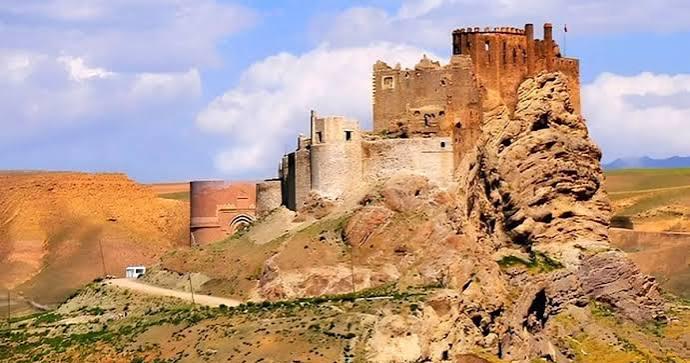
The 48th session of the UNESCO World Heritage Committee, held in Busan, South Korea, approved the inscription of “Alamut Castle and Associated Fortifications” on the World Heritage List, expanding Iran’s official inventory of World Heritage sites.
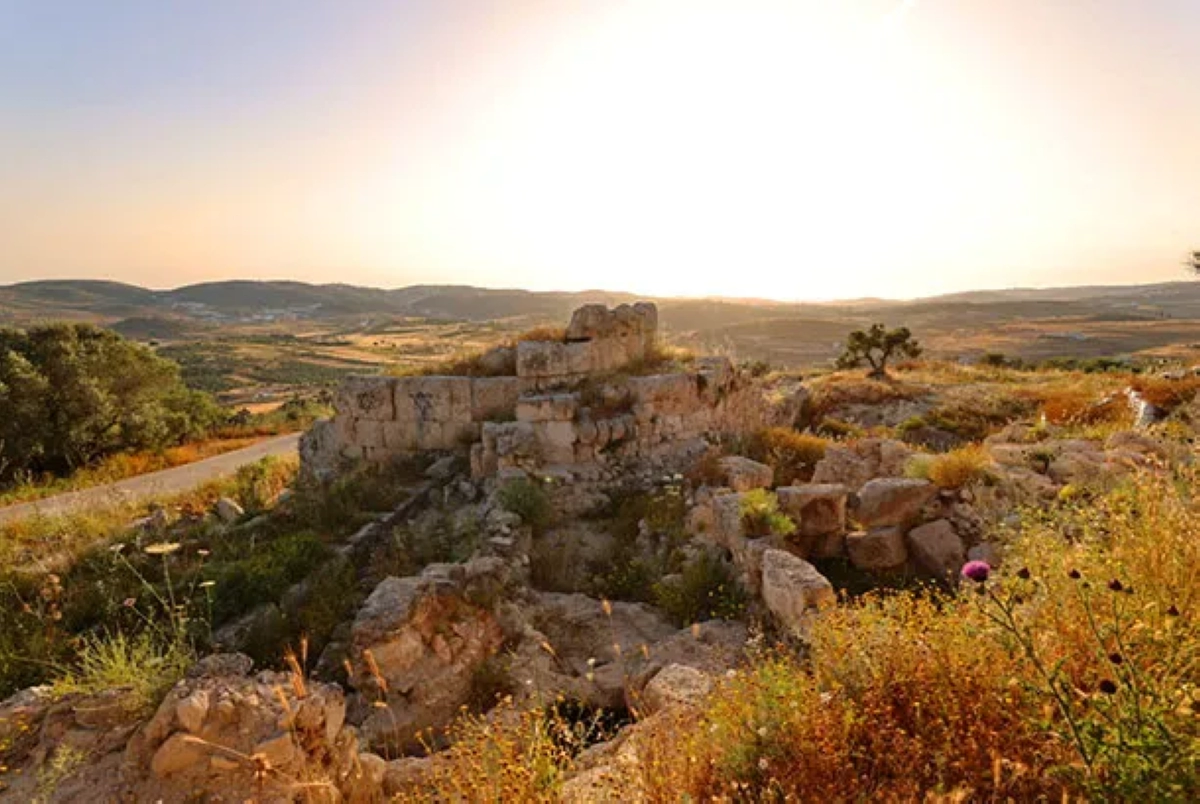
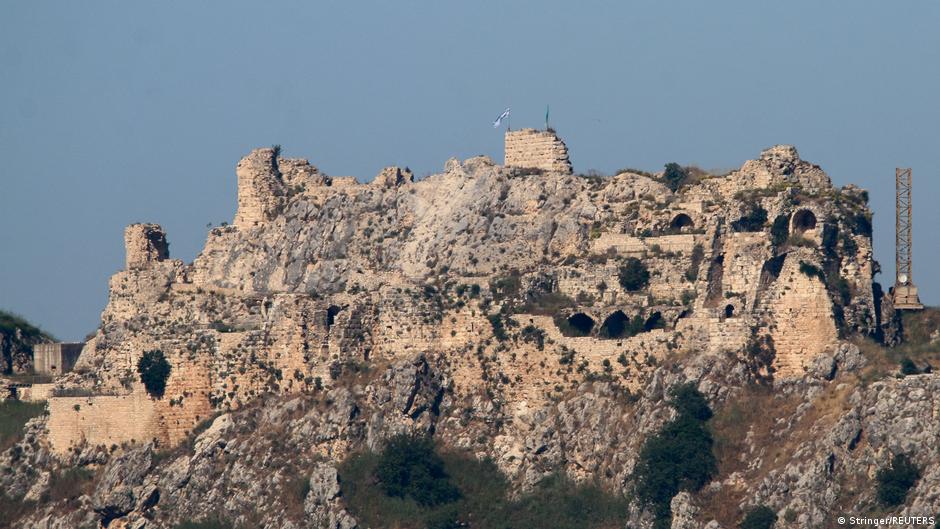
The inscribed serial property comprises a network of seven historical castles and strongholds: Alamut, Lambasar, Nevizar Shah, Shams Kelayeh, Qestin Lar, Shirkuh, and Ilan. These fortifications are distributed across the eastern and western Alamut valleys, along the southern slopes of the Alborz mountain range.
Originating between the 11th and 13th centuries CE, the historical complex represents an extraordinary example of defensive architecture and advanced spatial organization in Iran. Designed to leverage the region’s rugged natural topography, the fortresses incorporated sophisticated water management systems, strategic control over key transit corridors, and military defenses that played a pivotal role in the political and defensive landscape of the era.
In its evaluation, UNESCO highlighted the historical and engineering significance of this defensive network, as well as its status as a historical center of intellectual activity. Notably, prominent scholars such as Nasir al-Din al-Tusi were closely associated with Alamut and the scientific endeavors conducted within its walls.