A polity that hears its citizens routinely learns that trust once extended is repaid in kind, expressed in enthusiastic, self-motivated political engagement
| Photo Credit:
Karma Bhutia
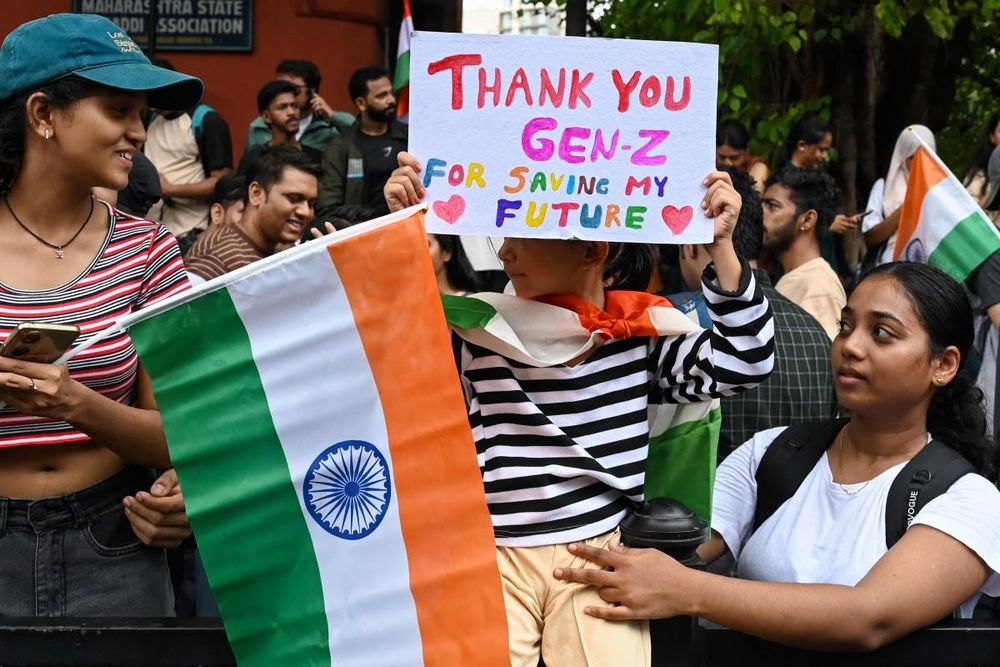
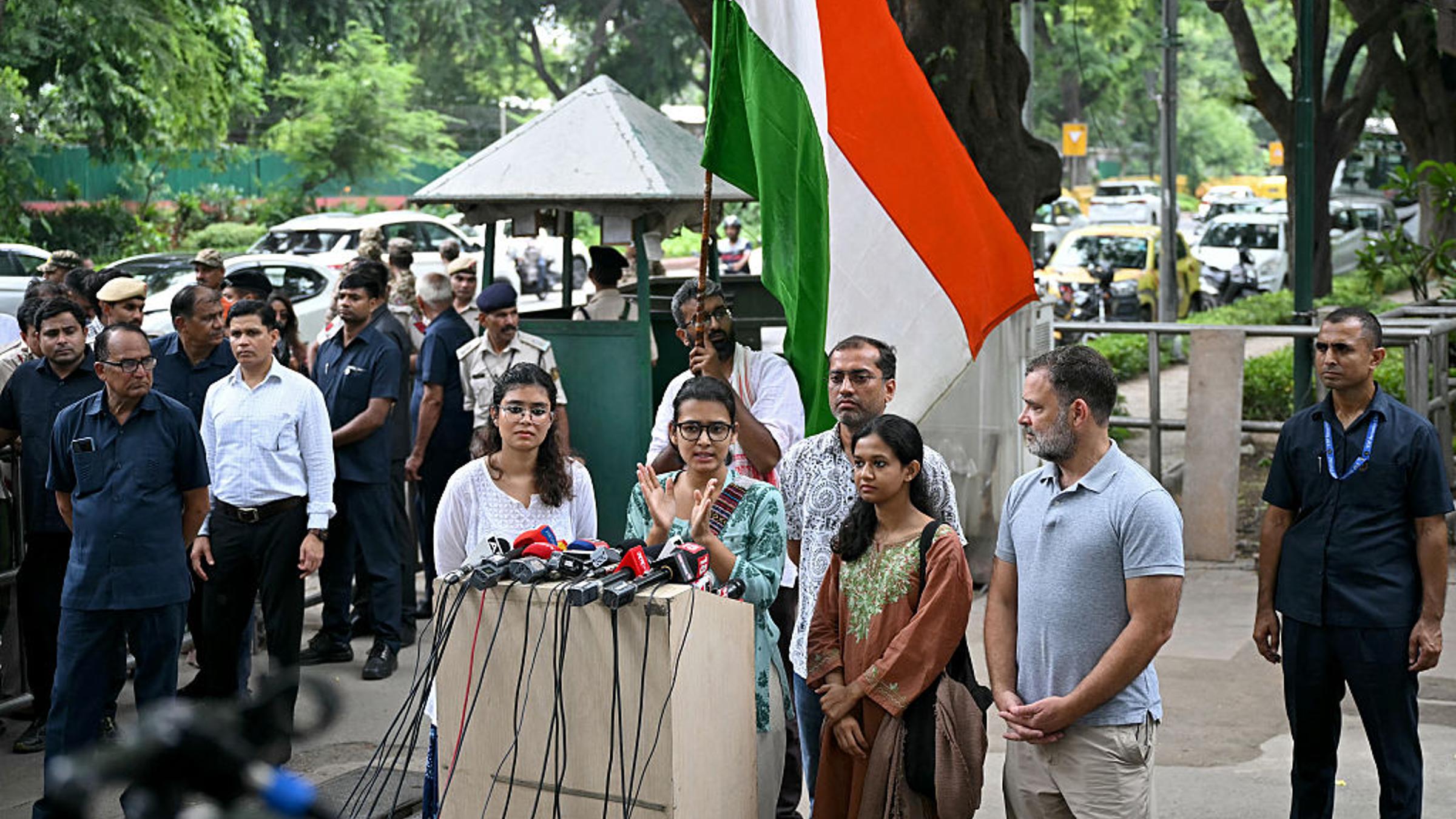
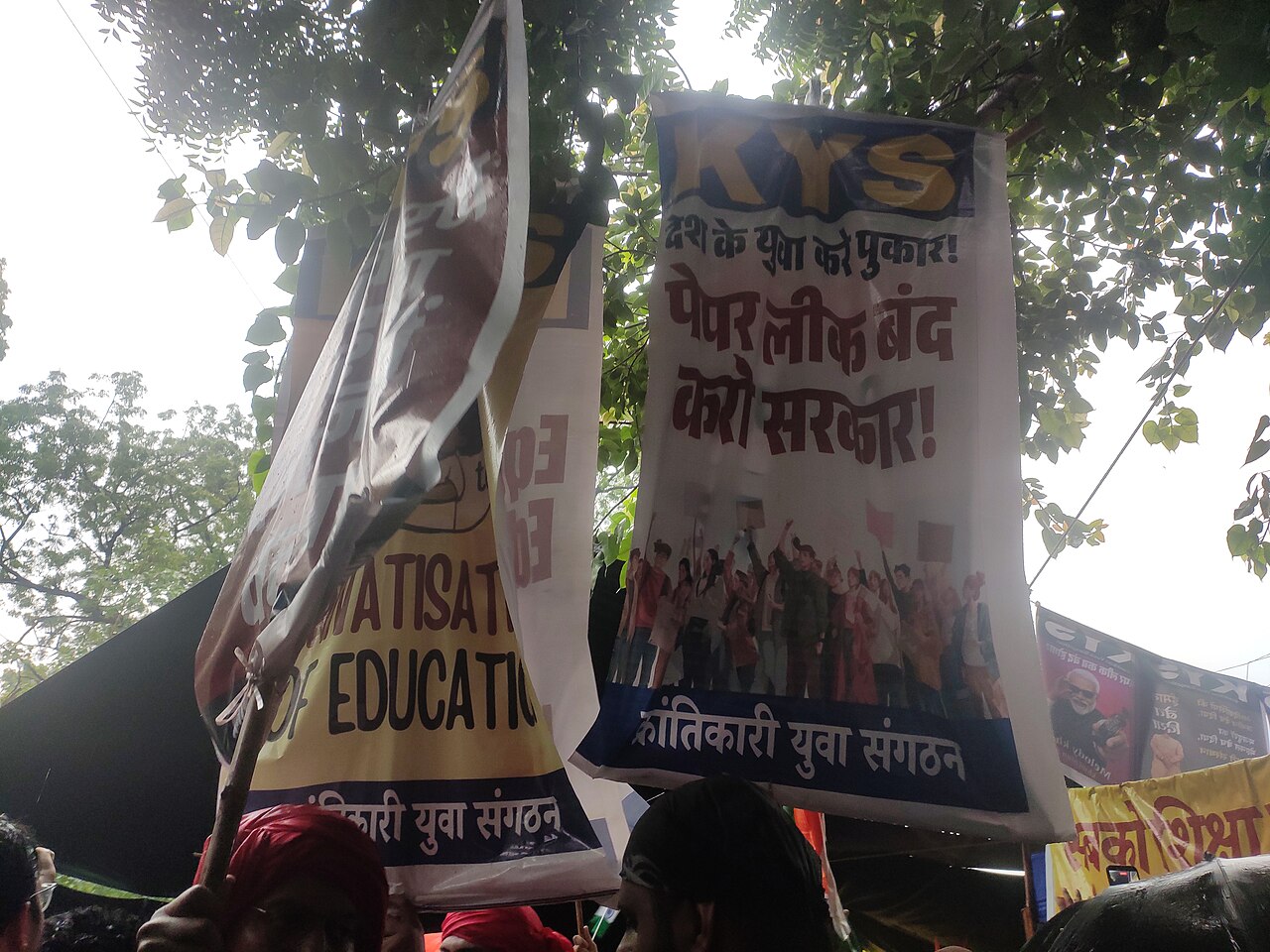
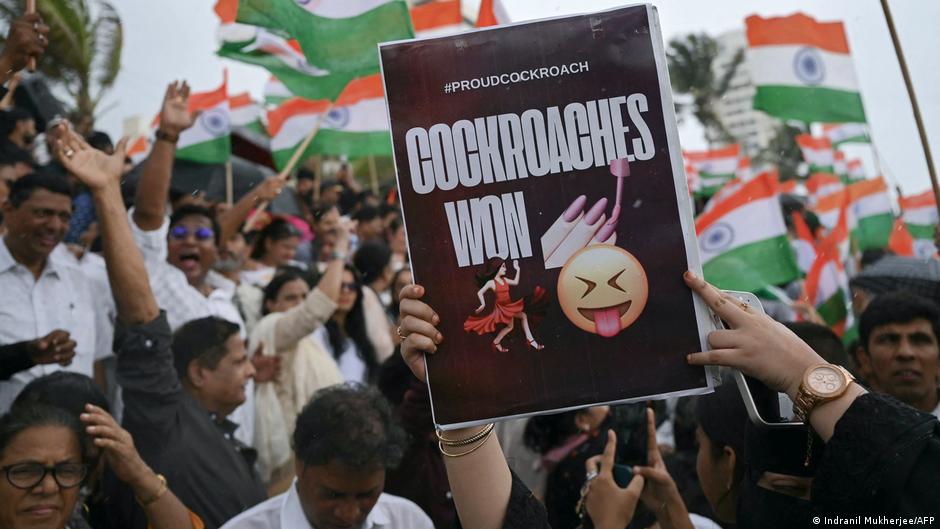
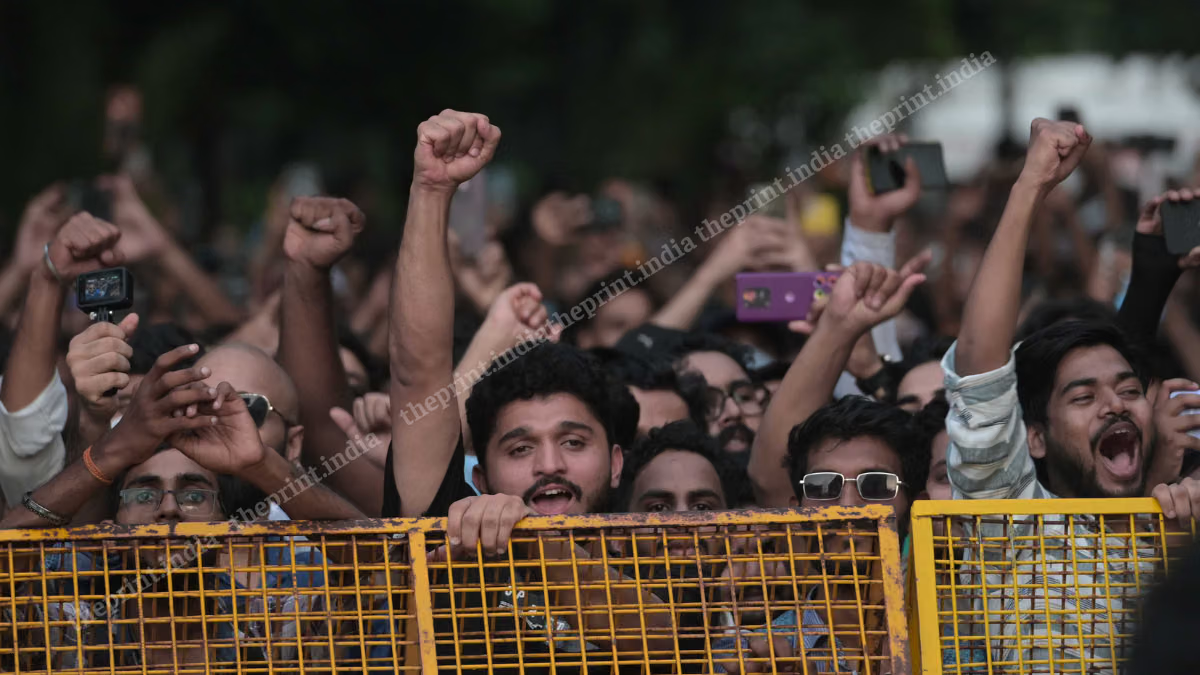
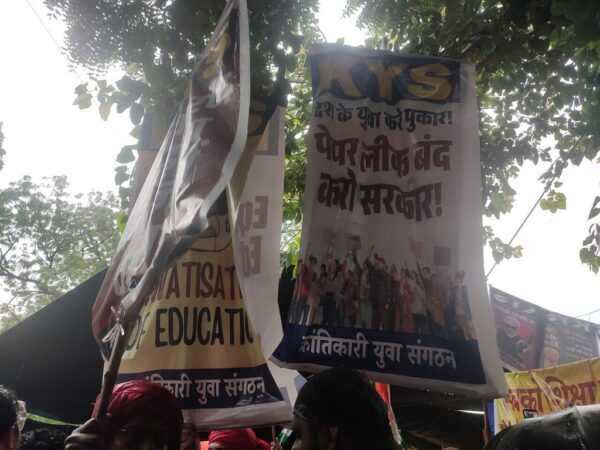
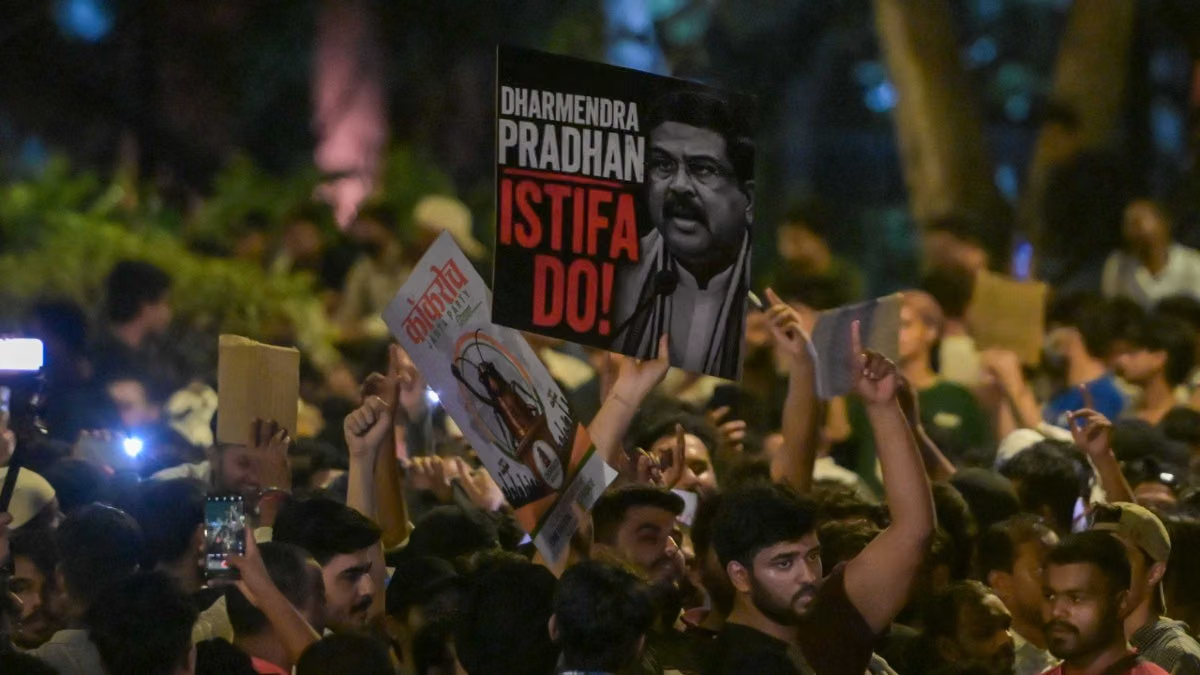
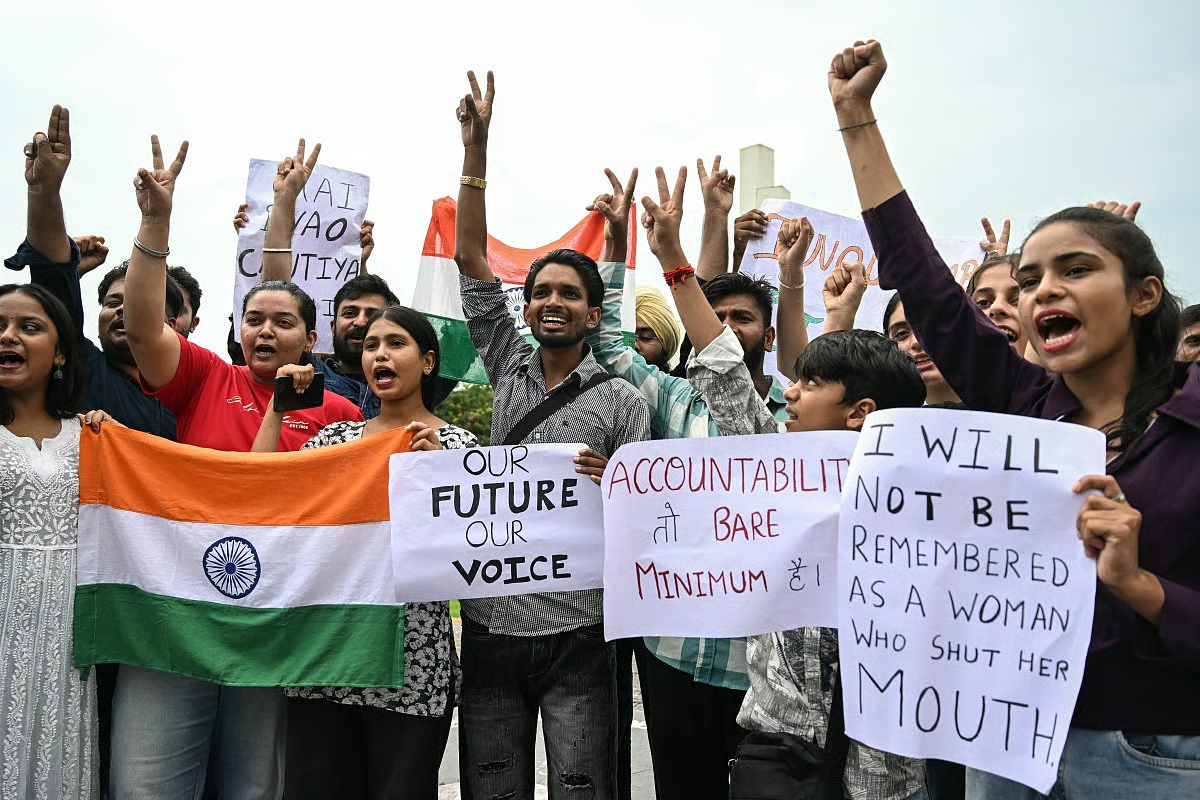
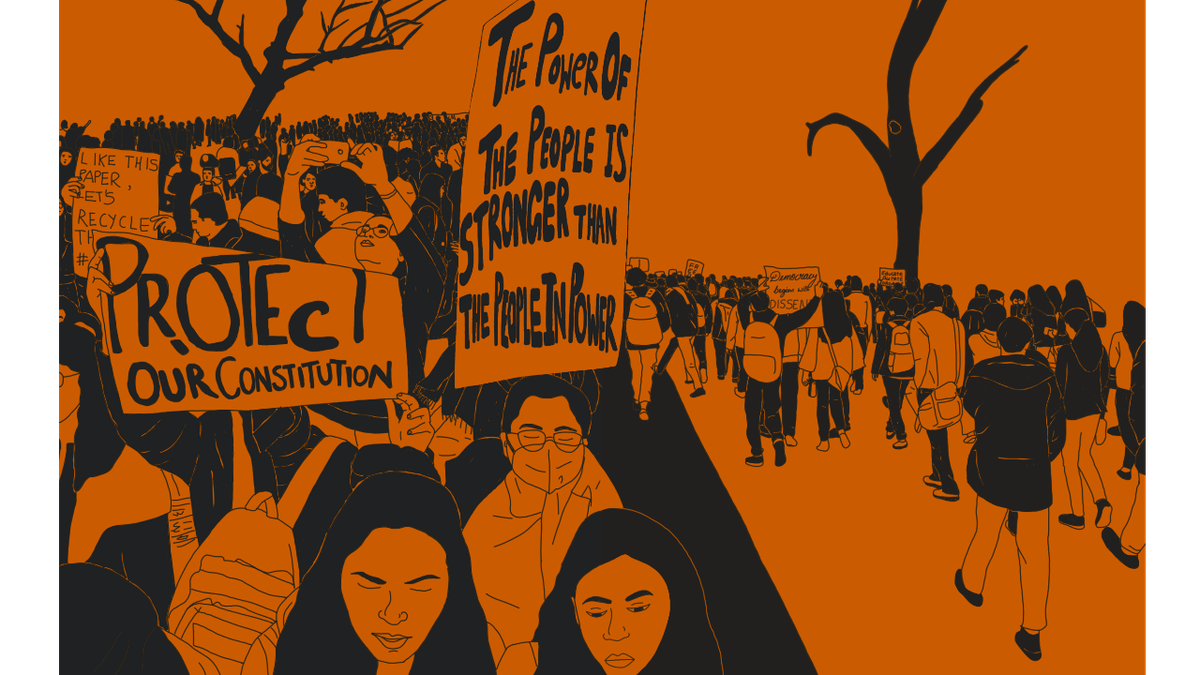
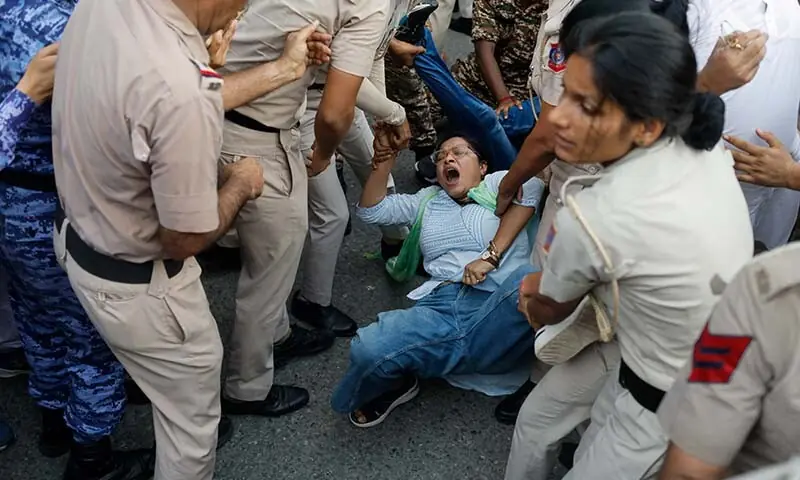
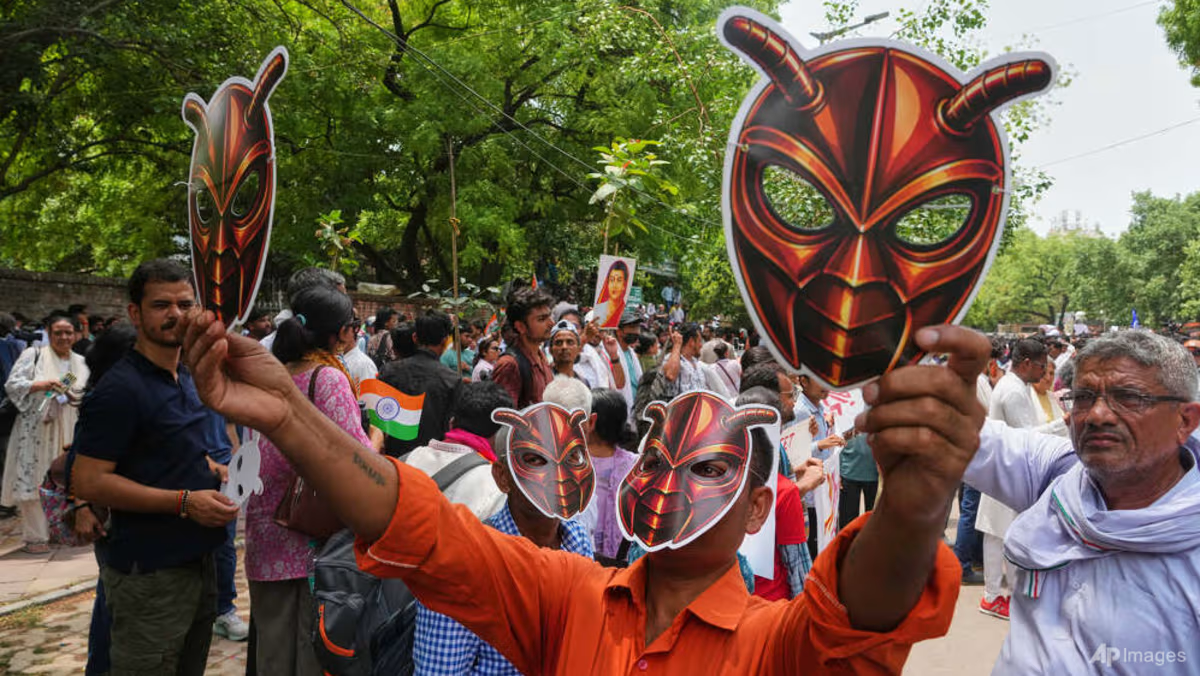
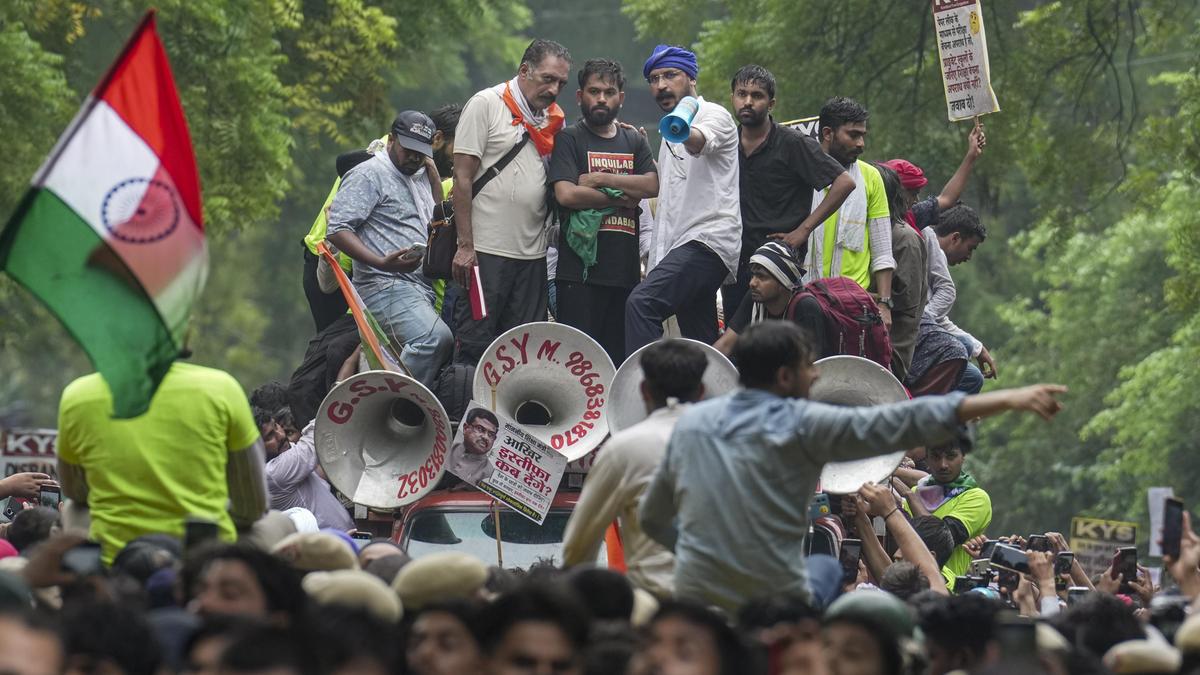
Last week marked a rare moment in contemporary Indian politics. The NEET protests achieved what many thought unlikely: sustained mobilisation by young people that forced real accountability. It’s worth celebrating as a democratic victory — but also worth reflecting upon. This moment challenges more than just governance failures—for years, the most persistent assumption about Indian youth has been that they are apathetic, absorbed in private ambition, indifferent to public questions. That diagnosis now looks difficult to sustain.Evidently, young people care, and will act on what they care about. But it is worth asking why caring surfaces almost exclusively on the streets as episodic bursts, as opposed to the parliament, election booth, consultations, or municipality offices. Protest, instead of voting, contesting, or deliberation has become the adopted idiom of youth political participation. But protest is a valve, it blows when pressure has nowhere else to go, and is best read as a symptom rather than a preference: the sign of a state that has failed to make a section of its citizens feel heard.Ambedkar described democracy as “a mode of associated living, of conjoint communicated experience.” The phrase asserts that democracy is not primarily a machinery of elections but a condition of ongoing exchange between groups who must live together. Where that exchange breaks down, something antithetical to democracy has occurred, whatever the state of the formal procedures. The frustration visible on Delhi’s roads, in this sense, tells us that a crucial conversation is simply not happening.Strikingly low participationTrace the life of a young person in India—from home, to school, to college, to adulthood and enfranchisement—and ask: where are the avenues for their frustrations to be heard? In a country with a youth population estimated at over 350 million, meaningful youth participation remains strikingly low. Parliament, local bodies, and advisory committees see negligible youth representation; the pre-legislative consultation policy, which asks ministries to open draft laws to public comment, binds no one and in most cases is simply not observed—for any constituency, let alone the young. Schools offer little to no avenues to learn civic agency or behaviours, and colleges often shut down civic discourse as irrelevant to a student’s life. Student government, where it may exist, seldom holds influence over their own administrative policies, let alone over broader civic questions.Student elections have been suspended or curtailed across college campuses and states, eroding a pathway through which generations of public leaders once learned to organise, deliberate, and represent their peers. Even during the recent protests, JNU and Delhi University issued advisories discouraging students from joining.Within their own homes, young people are often dismissed and trivialised, their concerns labelled as juvenile and unfounded. From the beginning, young people are asked to be passive observers of democracy. The effects of this are chilling for democratic health: a constant fermenting of political disinterest, cynicism, and low institutional trust within the youth, who believe there may be no reliable channels through which they can productively express frustration and demand accountability.Few groups are invoked more often in Indian public life than the young. They are the future of the country, the demographic dividend, the promise on which national ambition rests. Yet they are addressed chiefly as “prospective workers” and prospective voters, their civic worth deferred to a date that never quite arrives. While surveys periodically capture youth attitudes, few mechanisms continuously attempt to understand evolving conditions of youth perceptions, what this generation actually aspires to, and what new challenges they face. Because young people aren’t treated as a constituency worth engaging in civic dialogue, we learn what they want only at the point of rupture — teaching them that institutions respond to disruption, not dialogue.Managing protestsThe state pours enormous resources into managing protests: paramilitary deployment, internet shutdowns, barricading, adjourning sessions, absorbing political damage. Almost nothing comparable is spent on the ordinary channels that would let young people participate in decision-making. Examples of these are not difficult to come across: Kerala’s Balasabhas have spent decades integrating children’s collectives into local government, creating regular opportunities for participation. Internationally, Finland’s Local Government Act obliges every municipality to constitute a youth council and gives it a formal say in planning, budgeting and monitoring. Civil society organisations across India have similarly shown how civic education and participatory programmes can cultivate democratic habits long before frustration spills onto the streets.A polity that hears its citizens routinely—because it trusts what they have to say is valuable, and worth acting upon—learns that trust once extended is repaid in kind, expressed in enthusiastic, self-motivated political engagement. Student representation with genuine remit, youth participation in committees and consultations, deliberate inclusion in pre-legislative processes, and civic education that treats students as citizens now rather than later—these can restore what Ambedkar thought democracy could not survive without: a productive dialogue that runs in both directions, where tangible commitments in the present overtake the flimsiness of future promises.Shipra is the CEO and Rishika is a Programmes Officer at Young Leaders for Active Citizenship (YLAC)Published on July 30, 2026