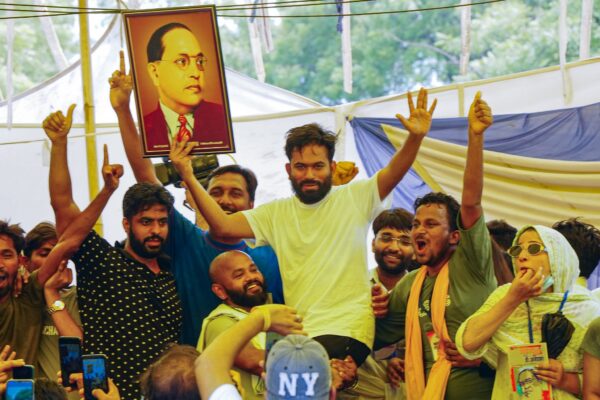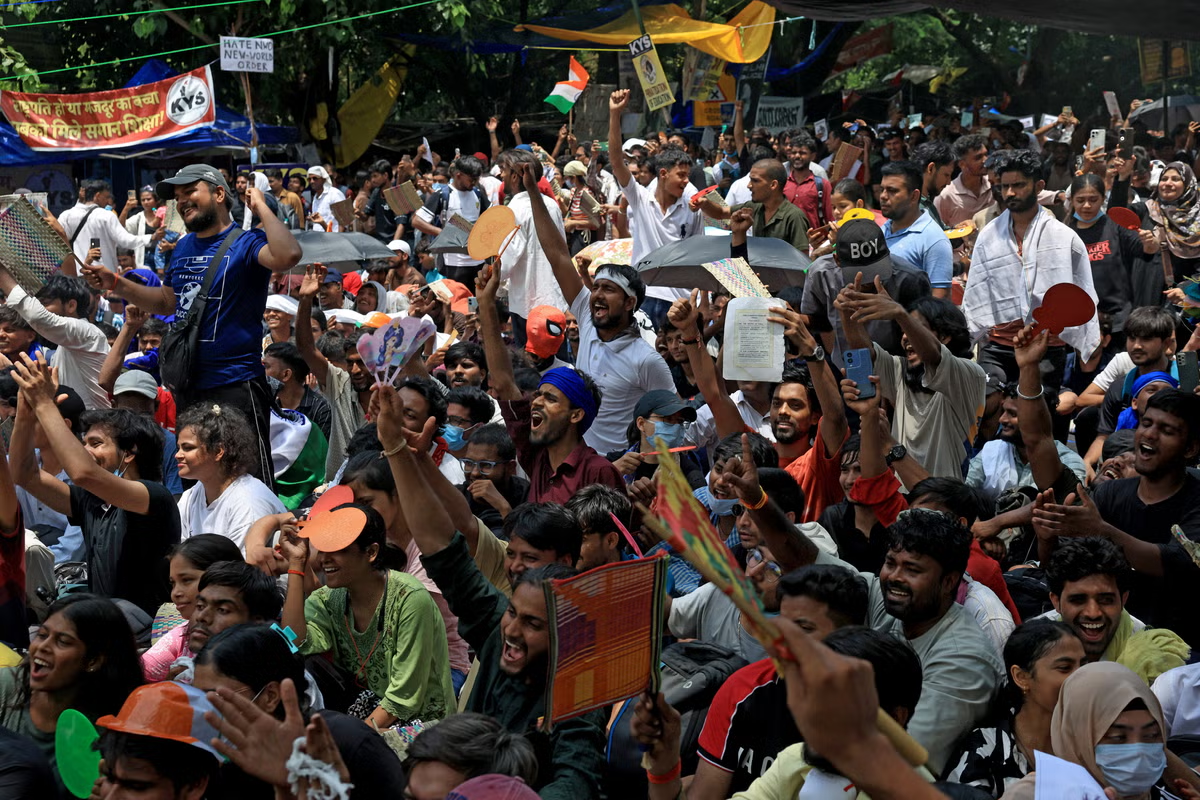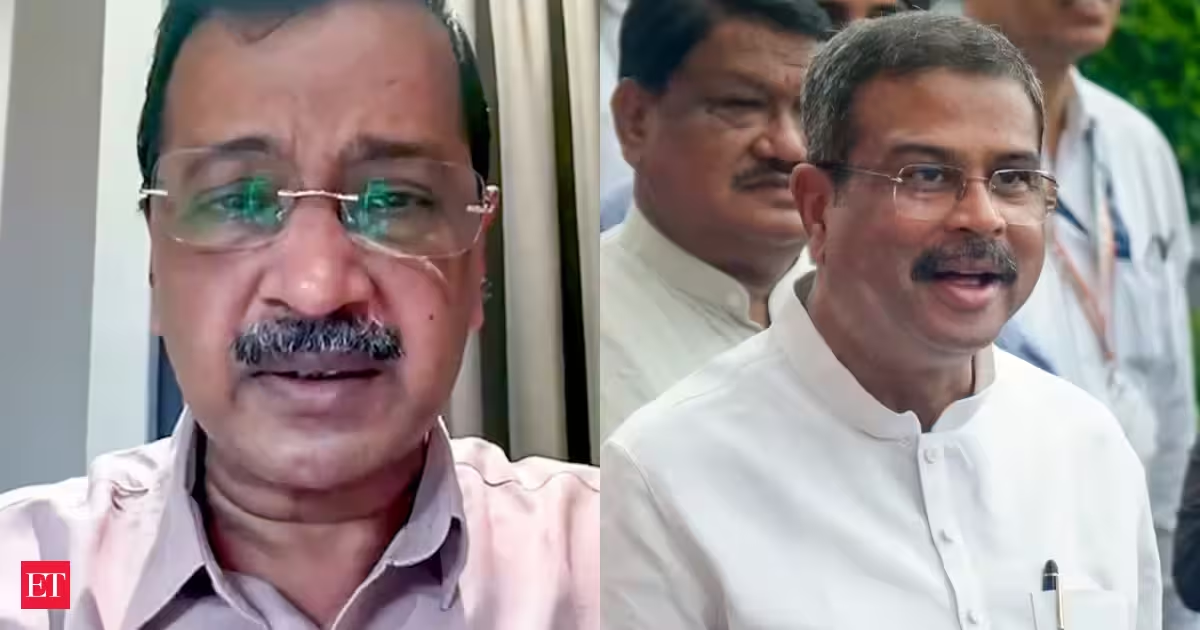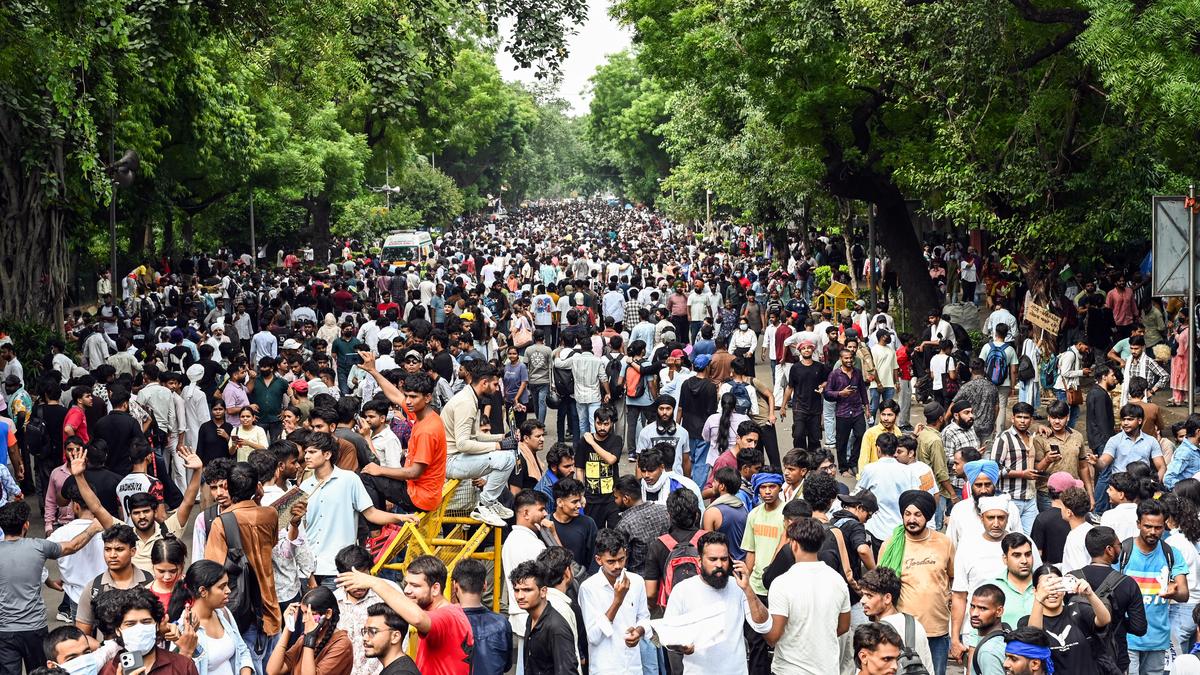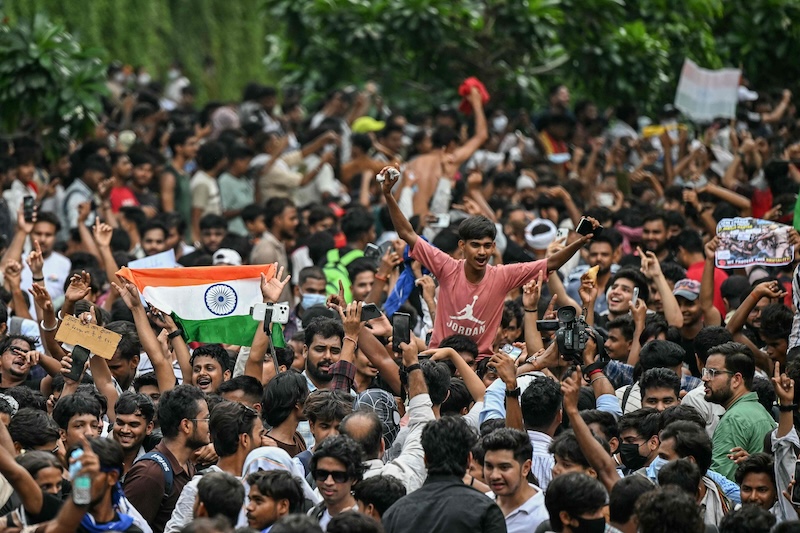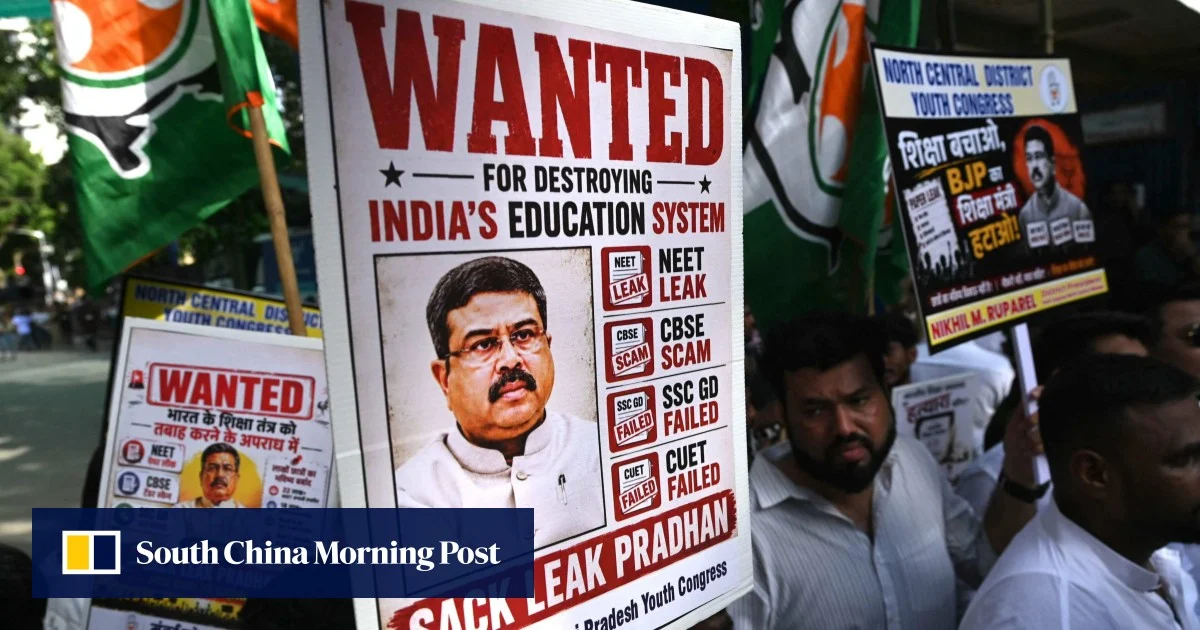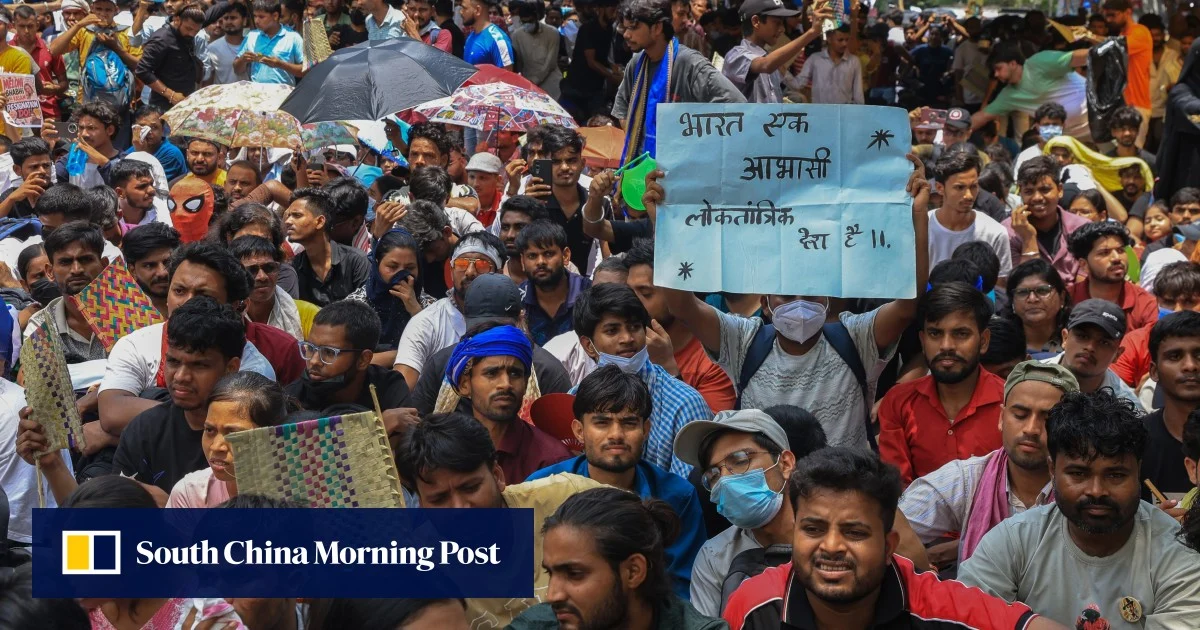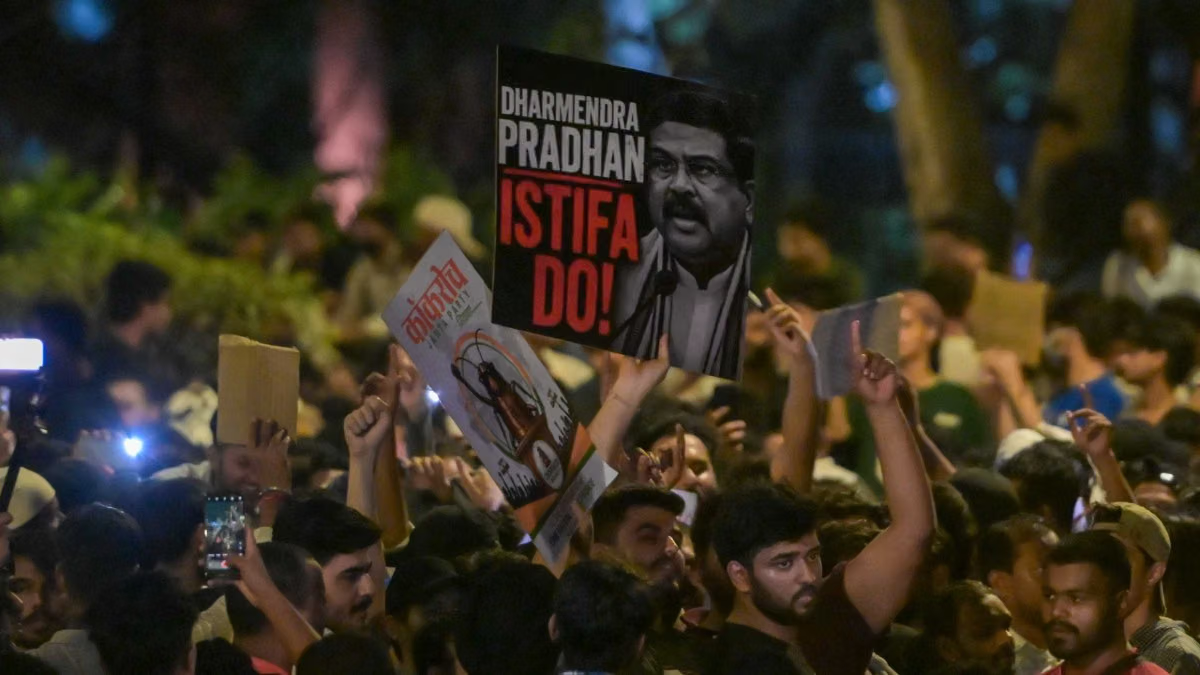
The resignation of Union education minister Dharmendra Pradhan will be remembered as a key event in the history of independent India. Since 2014, the Union government has operated on a neo-doctrine of absolute unaccountability and unresponsibility. The studies show that there was a predictable modus operandi at work: weather any popular storm, outlast the frantic cycle of television news, dismiss protestors as partisan actors, and most importantly, label dissent as the handiwork of some sponsored foreign elements.
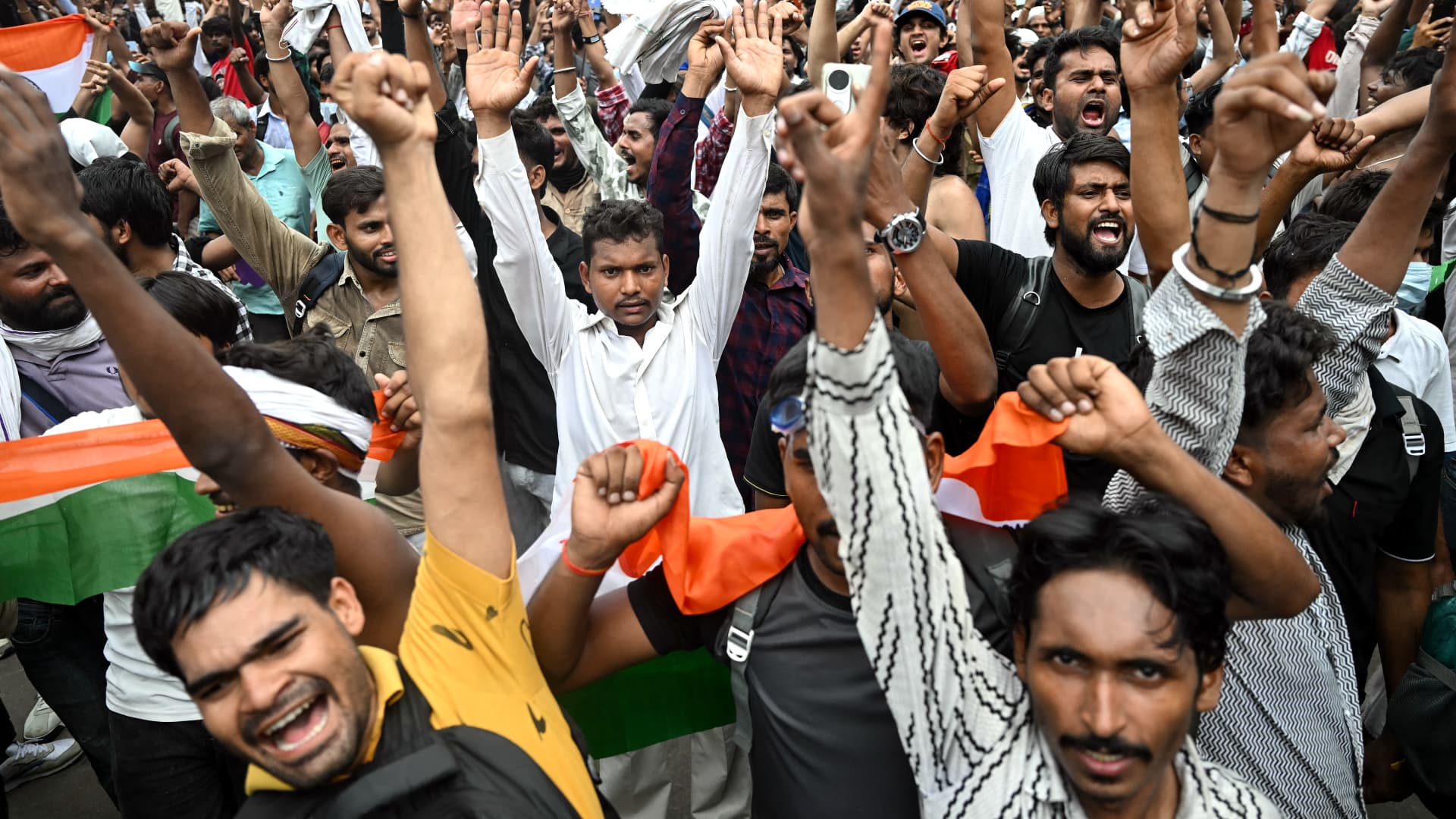
A key aspect of this toolkit was to never sacrifice a minister under public pressure. Yet, hours before a critical third round of negotiations with the organically formed Cockroach Janta Party (CJP), the armour of a State that refused to show vulnerability—helmed by a person with a 56-inch chest—dissolved entirely. Pradhan has done more than abdicating his office. He has validated a generational revolution in how civic accountability is to be extracted from reticence in modern India.Since the very start of the CJP-led protests, the political strategists in New Delhi misread the undercurrents. They viewed the spreading youth anger as a localised grievance that standard administrative measures and brute repressive force could easily contain. But they failed to recognise that the many failures of national-level entrance examinations had caused deep socioeconomic trauma, as evidenced by the reels and placards of this movement. A compromised exam system disrupted the aspirations of millions of students nationwide.