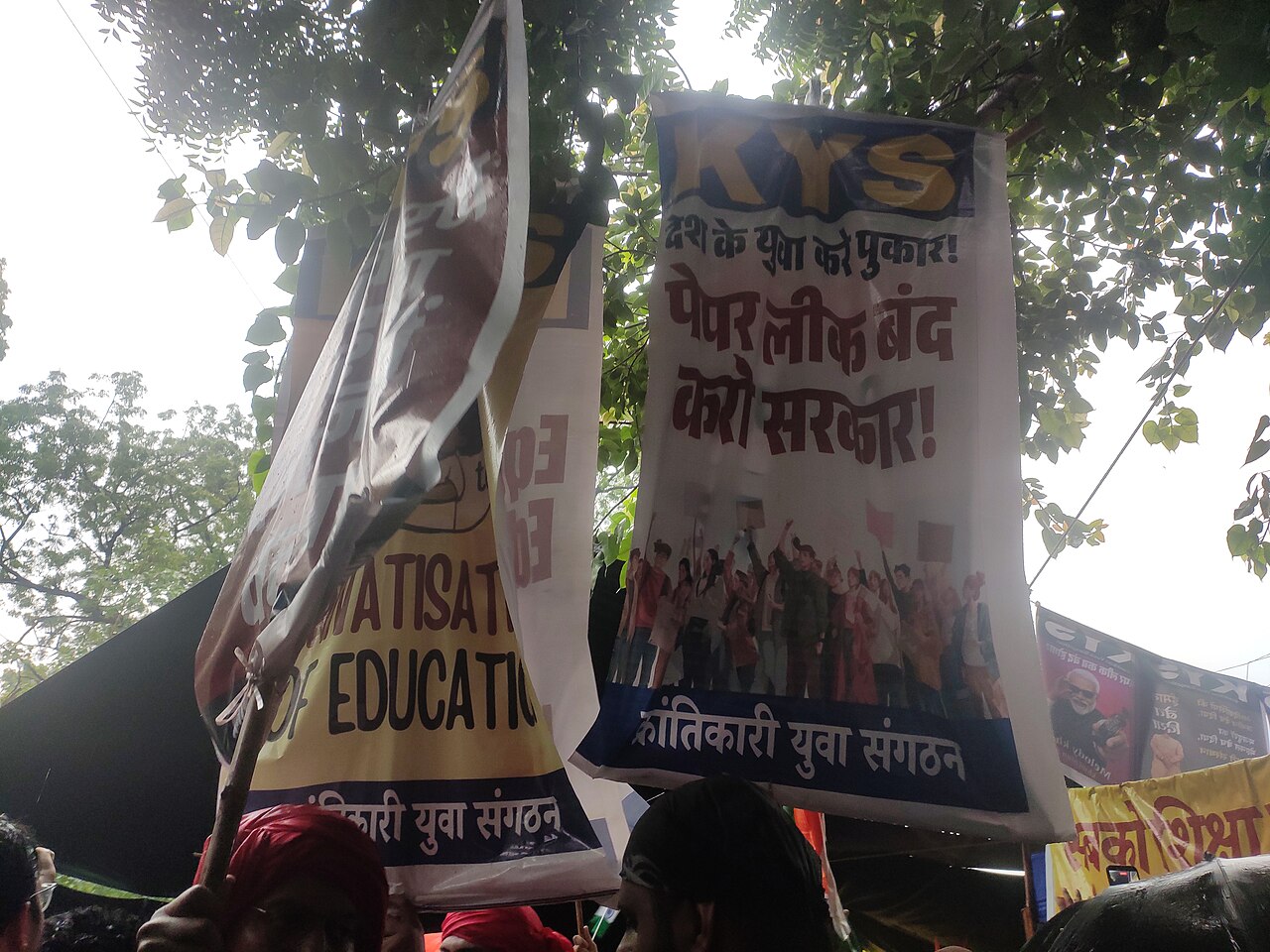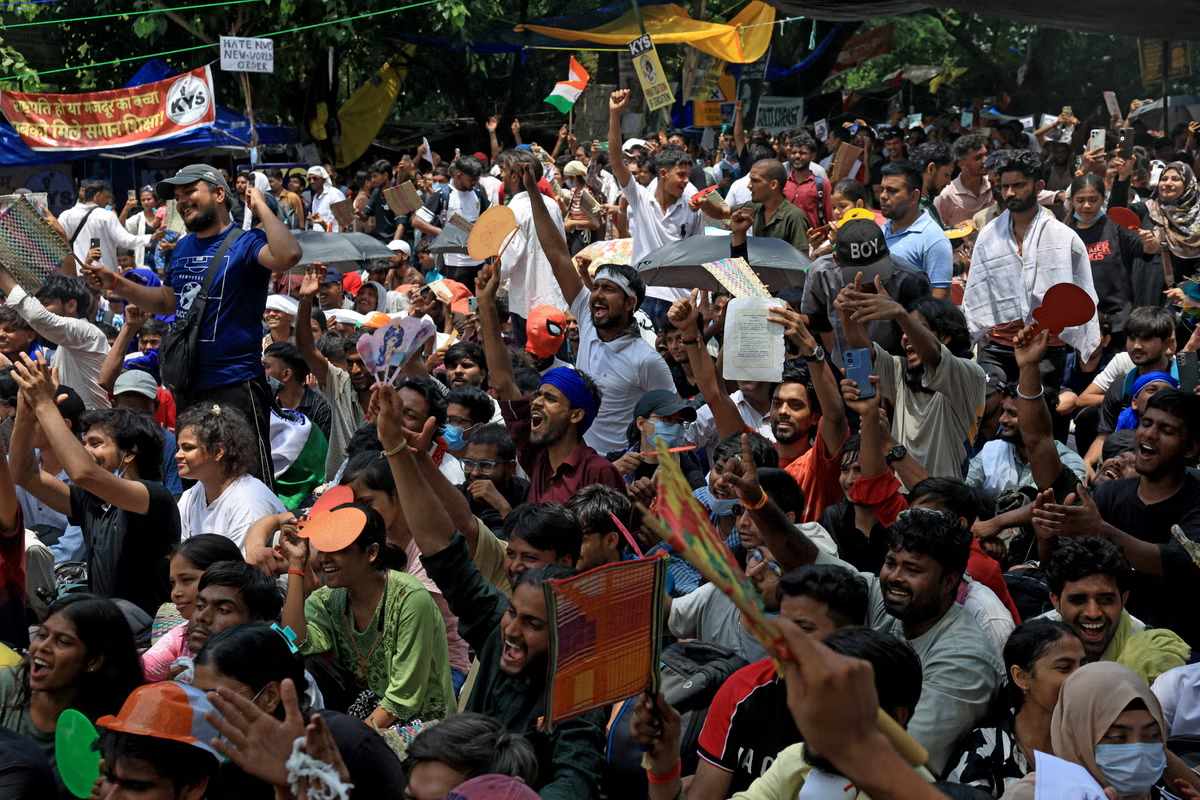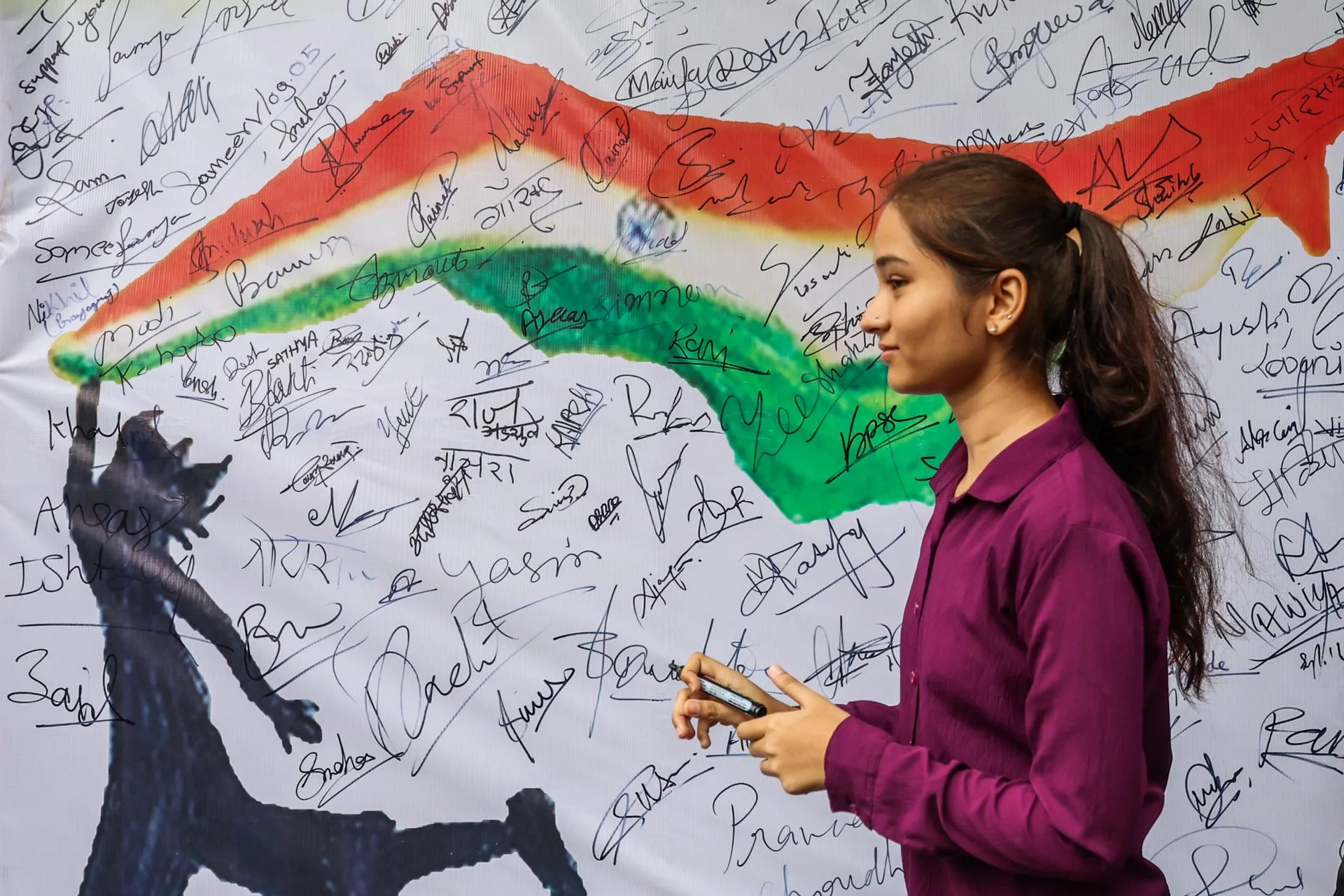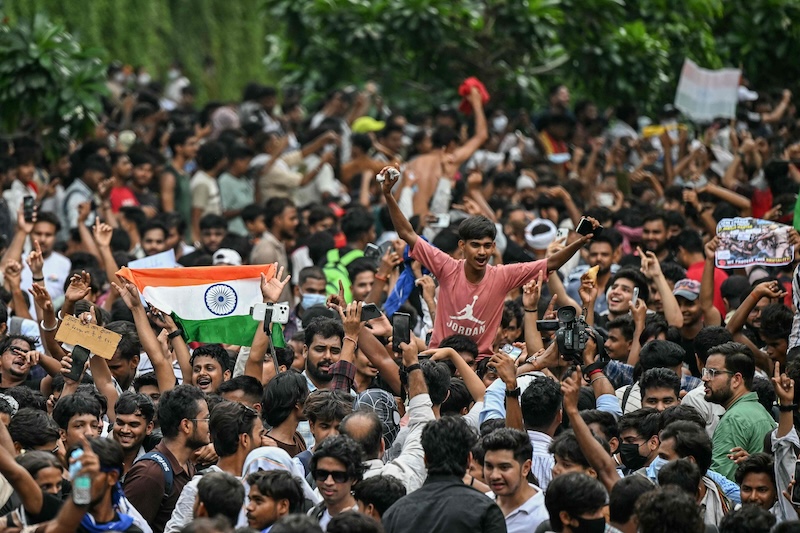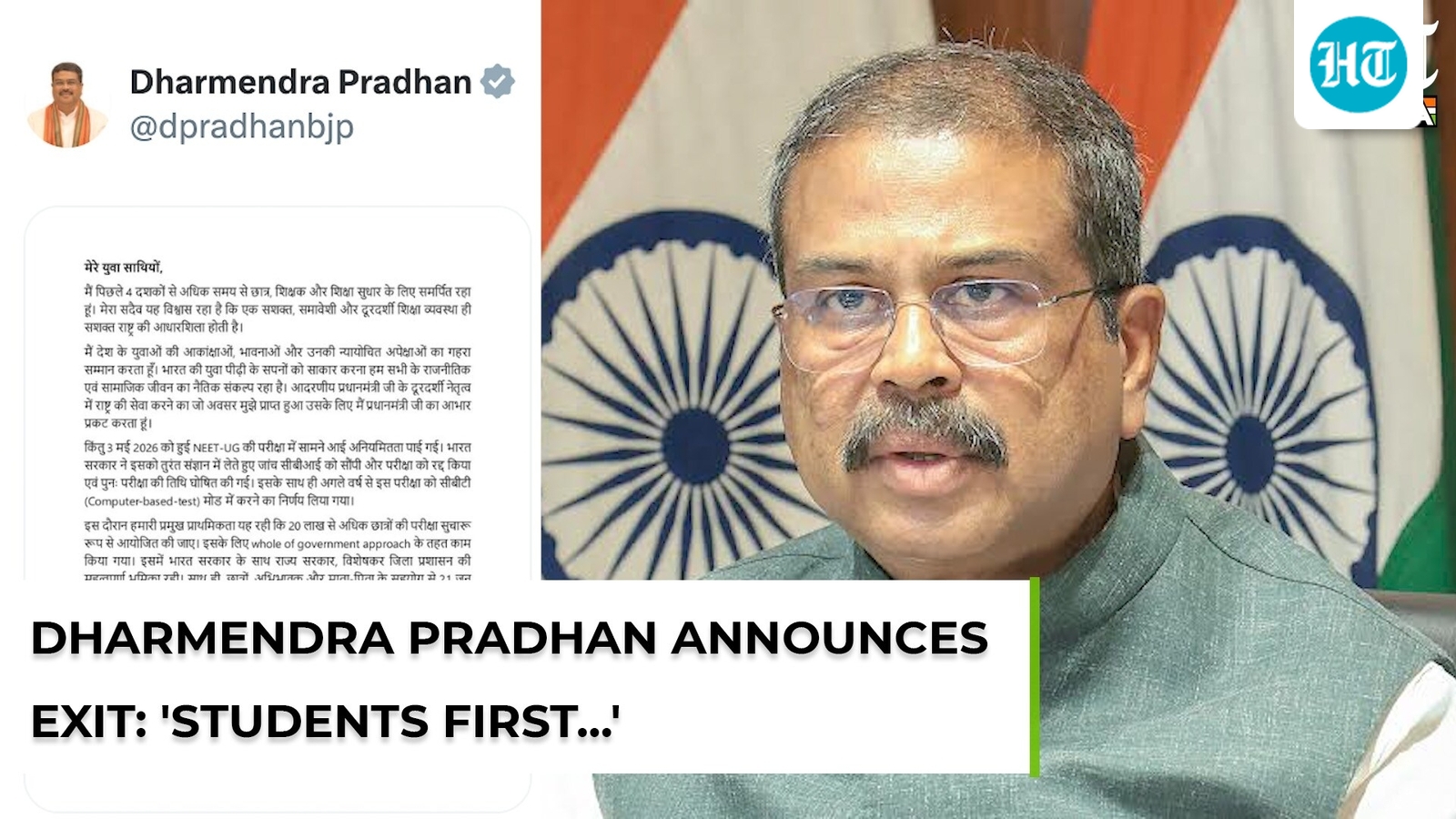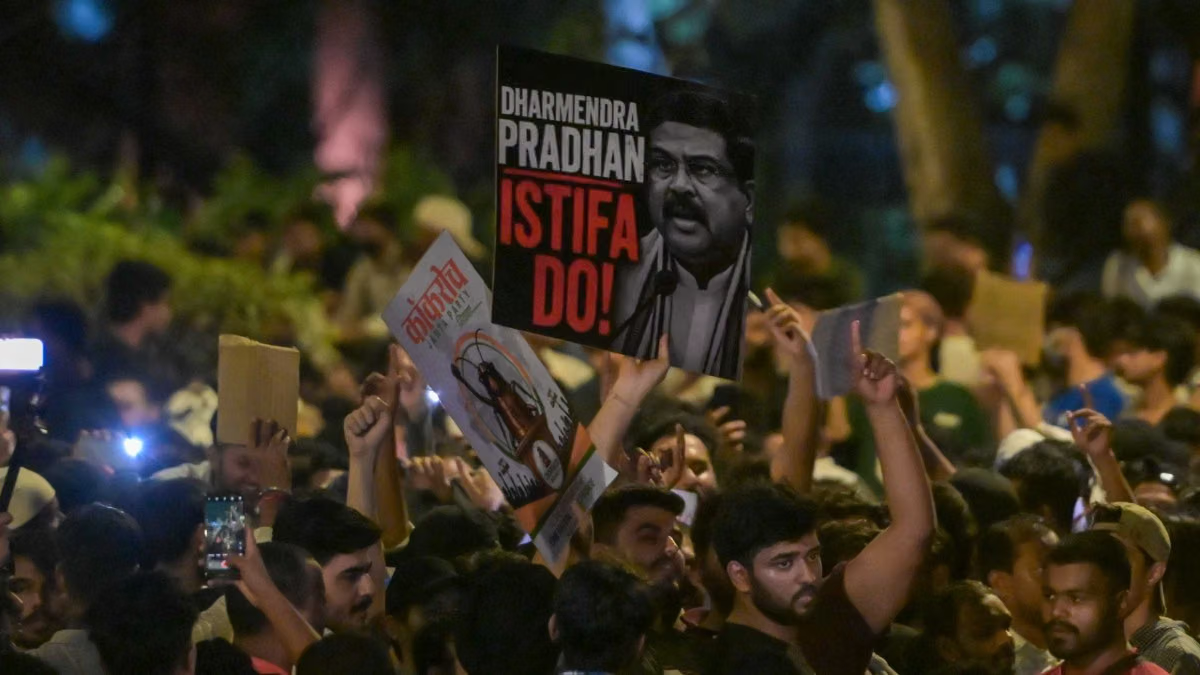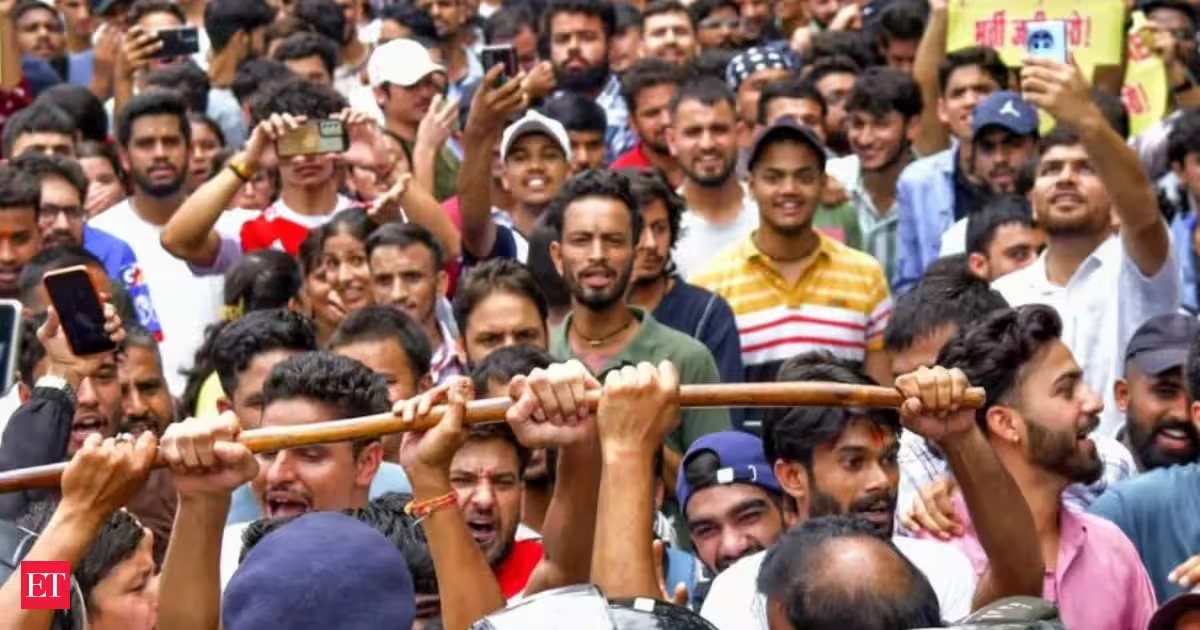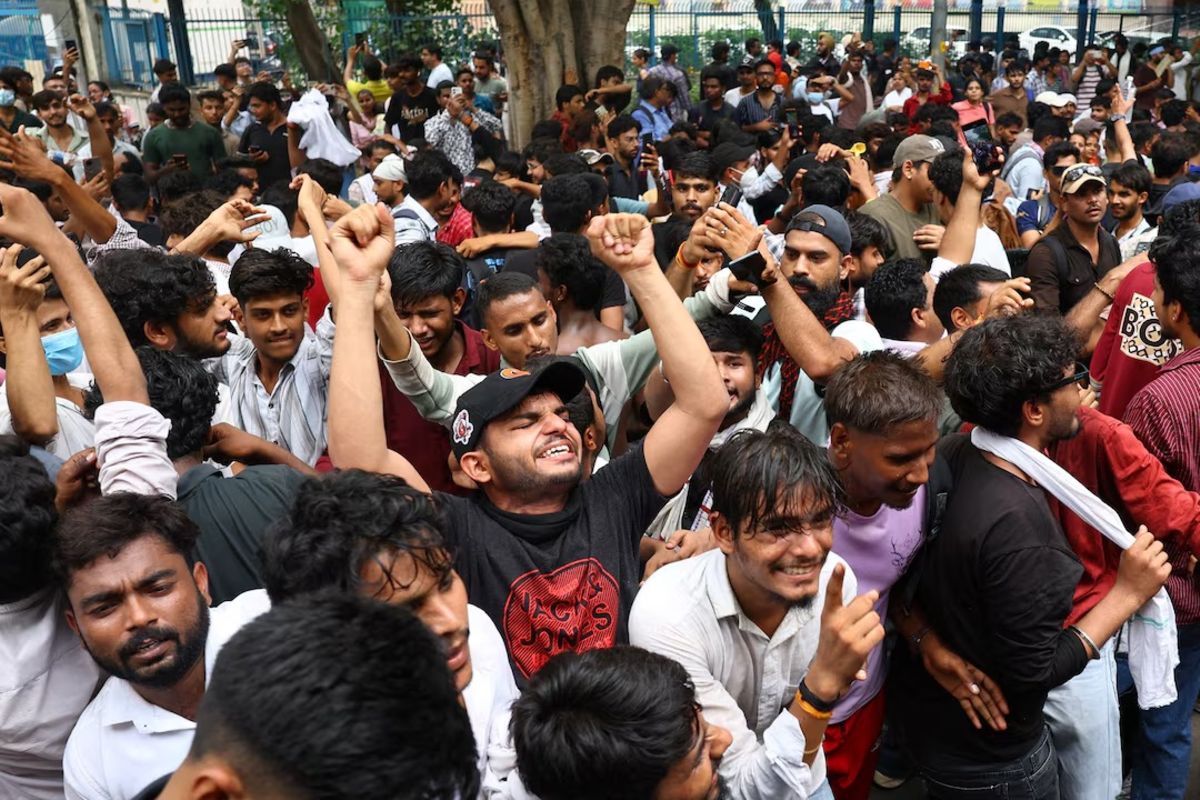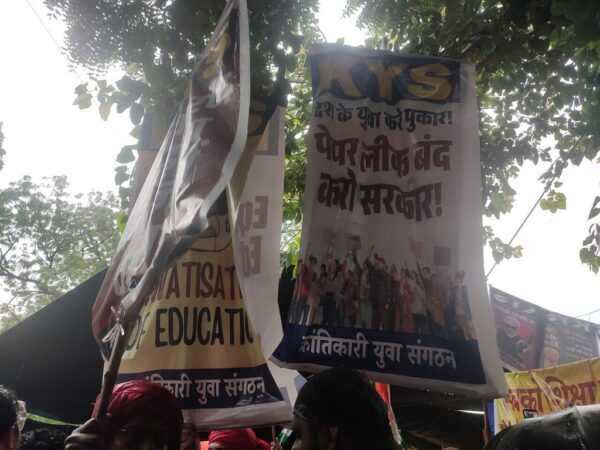
In a letter addressed to “young friends,” Dharmendra Pradhan resigned as India’s education minister on July 25 after taking “moral responsibility” for the National Eligibility cum Entrance Test (NEET) paper leaks and the youth-led protests stemming from them.
For some, the reason for this untimely ministerial departure–he is the second after M.J. Akbar, junior minister for external affairs, to be forced to quit in the Narendra Modi government’s 12-year tenure–is framed as protective instead of punitive. Pradhan wrote that he did not wish for “anti-national forces” to exploit the situation at New Delhi’s Jantar Mantar protest site and across the country.
This “situation” which Pradhan alluded to ignited – and provided – an intriguing churn in India’s democratic expression of change: led broadly on two grounds, education and accountability, which otherwise historically carried lesser weight insofar as the citizens are concerned.
While there have been resignations by Indian ministers in the past, this recent departure scripted history because of the mobilized force which caused it to happen – not through a court-driven stricture or parliamentary proceeding, but rather because of the unified and relentless voice of Gen Z comprising mostly students and young professionals.