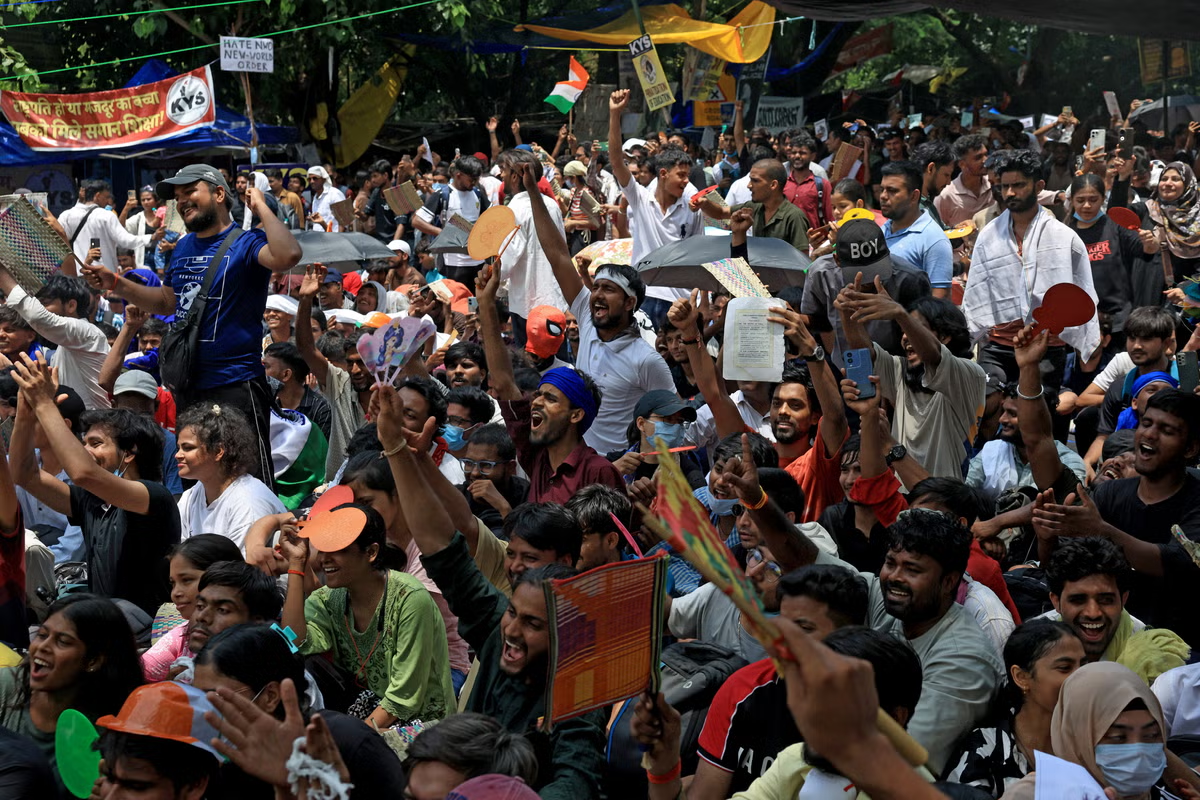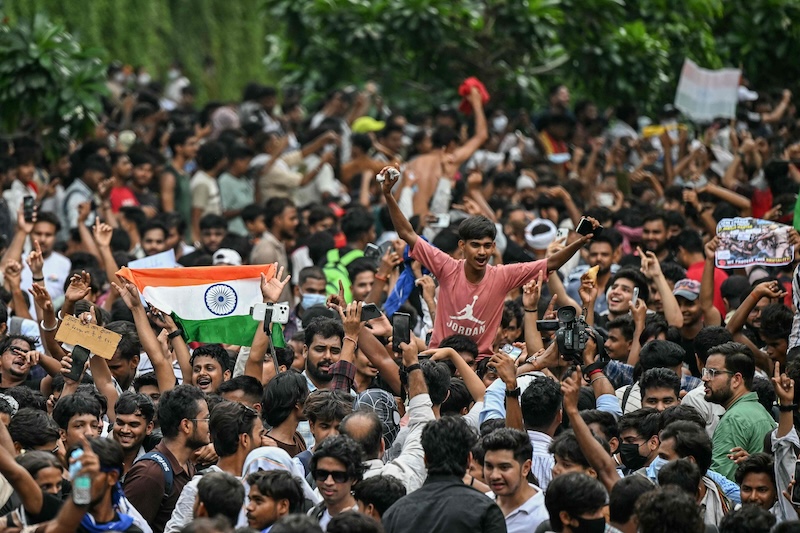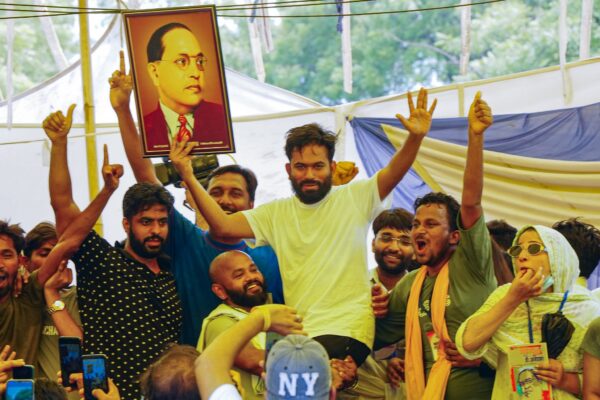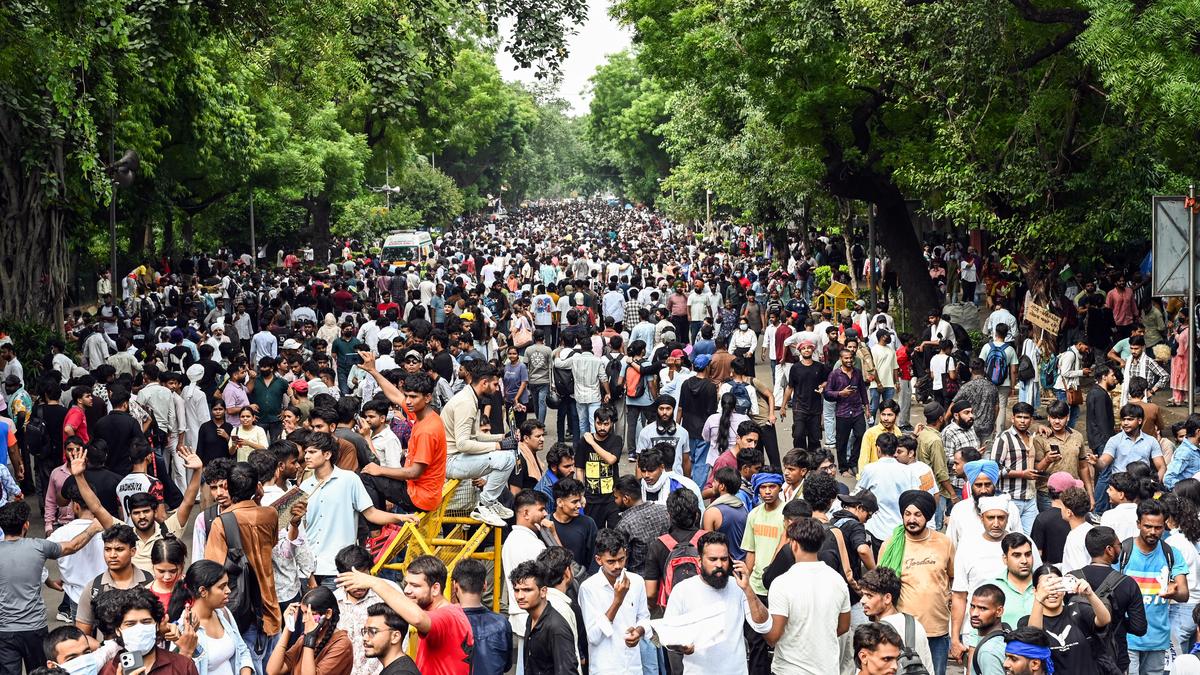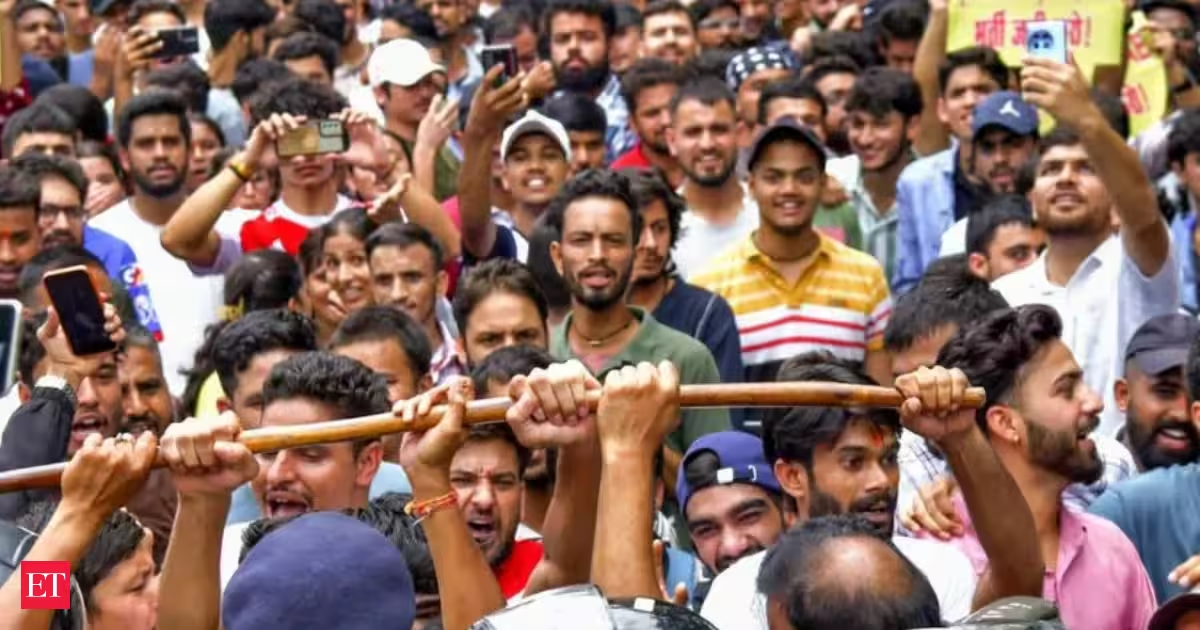
Youth protests across India transformed digital dissent into accountability, compelling unprecedented political concessions and democratic institutional reflection.
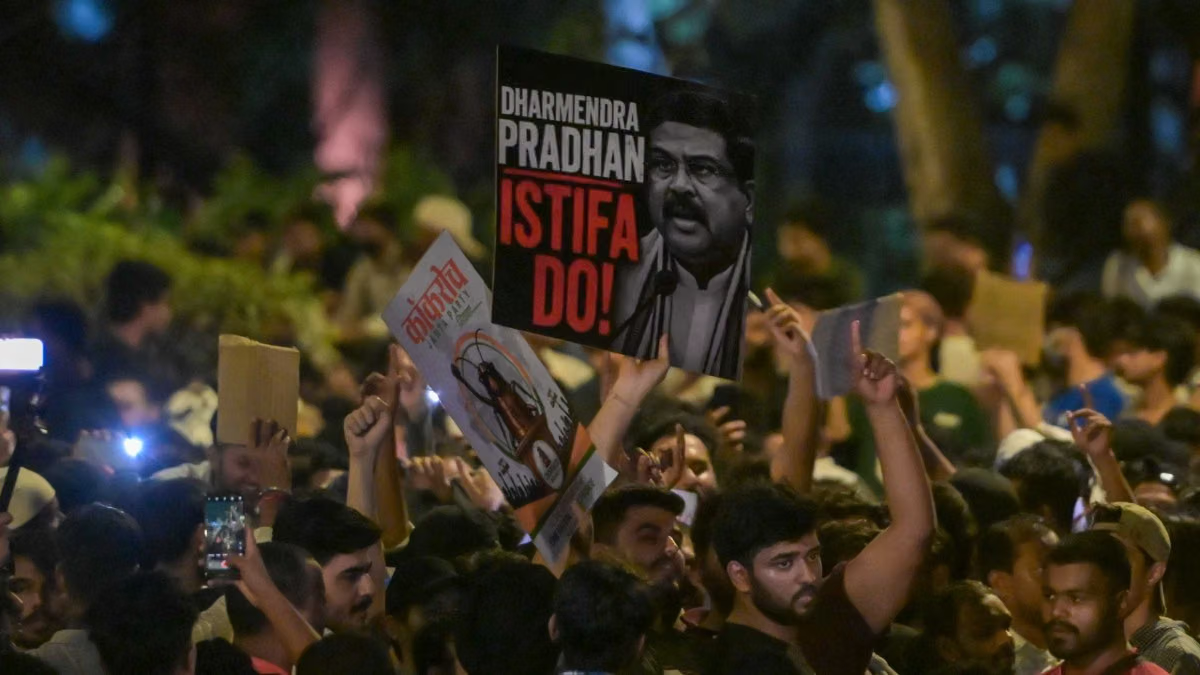
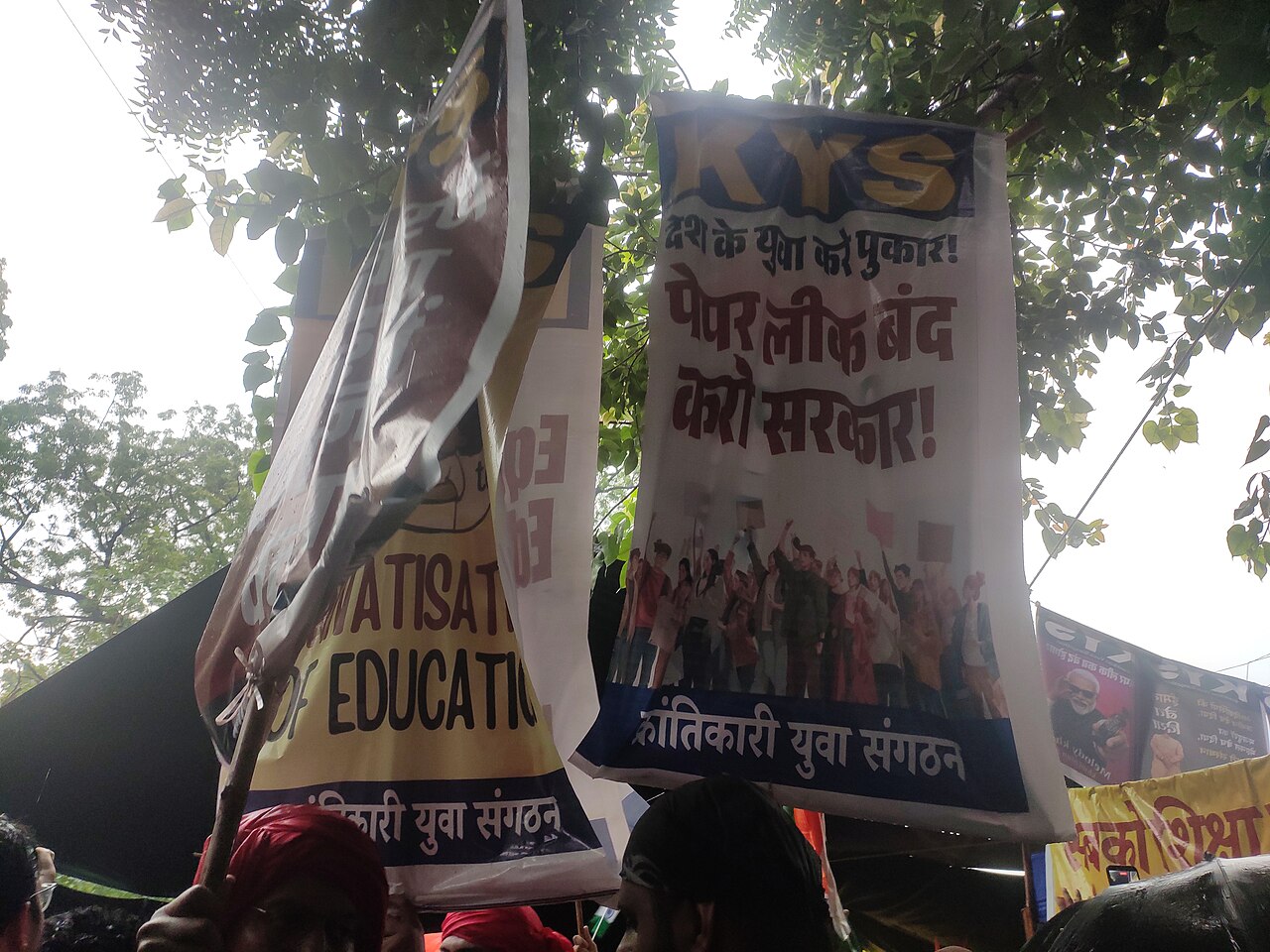
The demand for the education minister’s resignation was a broader demand for institutional responsibility and meaningful reform. Sumita Roy Dutta, Wikimedia Commons, CC-BY-SA-4.0.
Youth protests across India transformed digital dissent into accountability, compelling unprecedented political concessions and democratic institutional reflection.
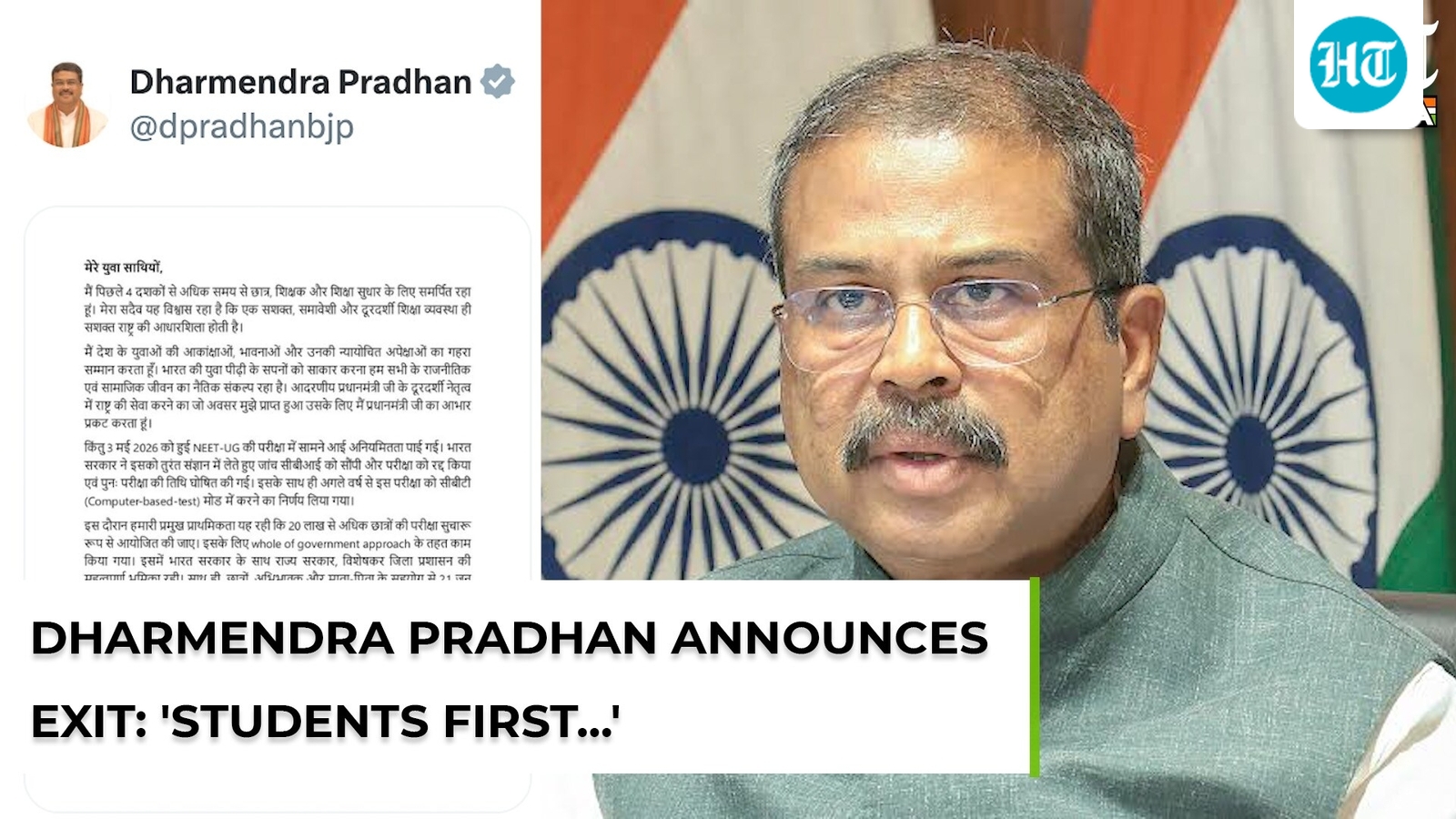
In a letter addressed to “young friends”, Dharmendra Pradhan resigned as India’s education minister on July 25 after taking “moral responsibility” for the National Eligibility cum Entrance Test (NEET) paper leaks and the youth-led protests stemming from them.
For some, the reason for this untimely ministerial departure, for the first time in the Narendra Modi government’s 12-year tenure, is framed as protective instead of punitive. Pradhan wrote that he did not wish for “anti-national forces” to exploit the situation at New Delhi’s Jantar Mantar protest site and across the country.