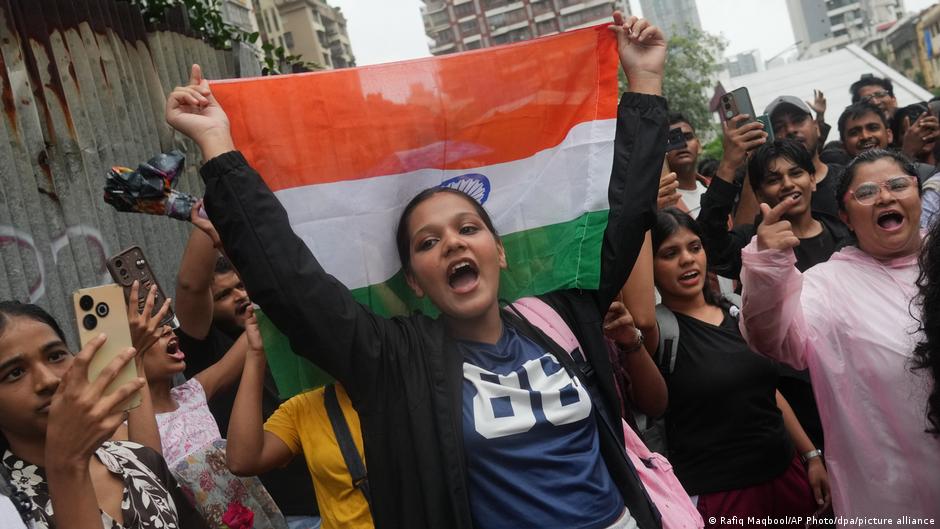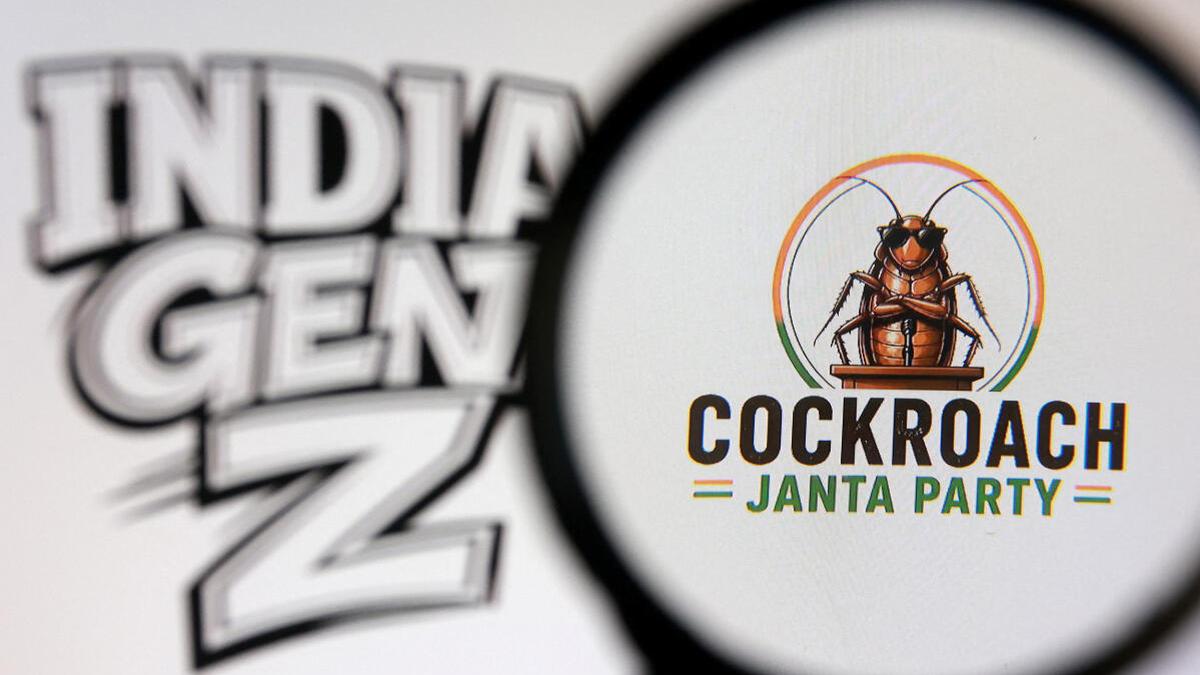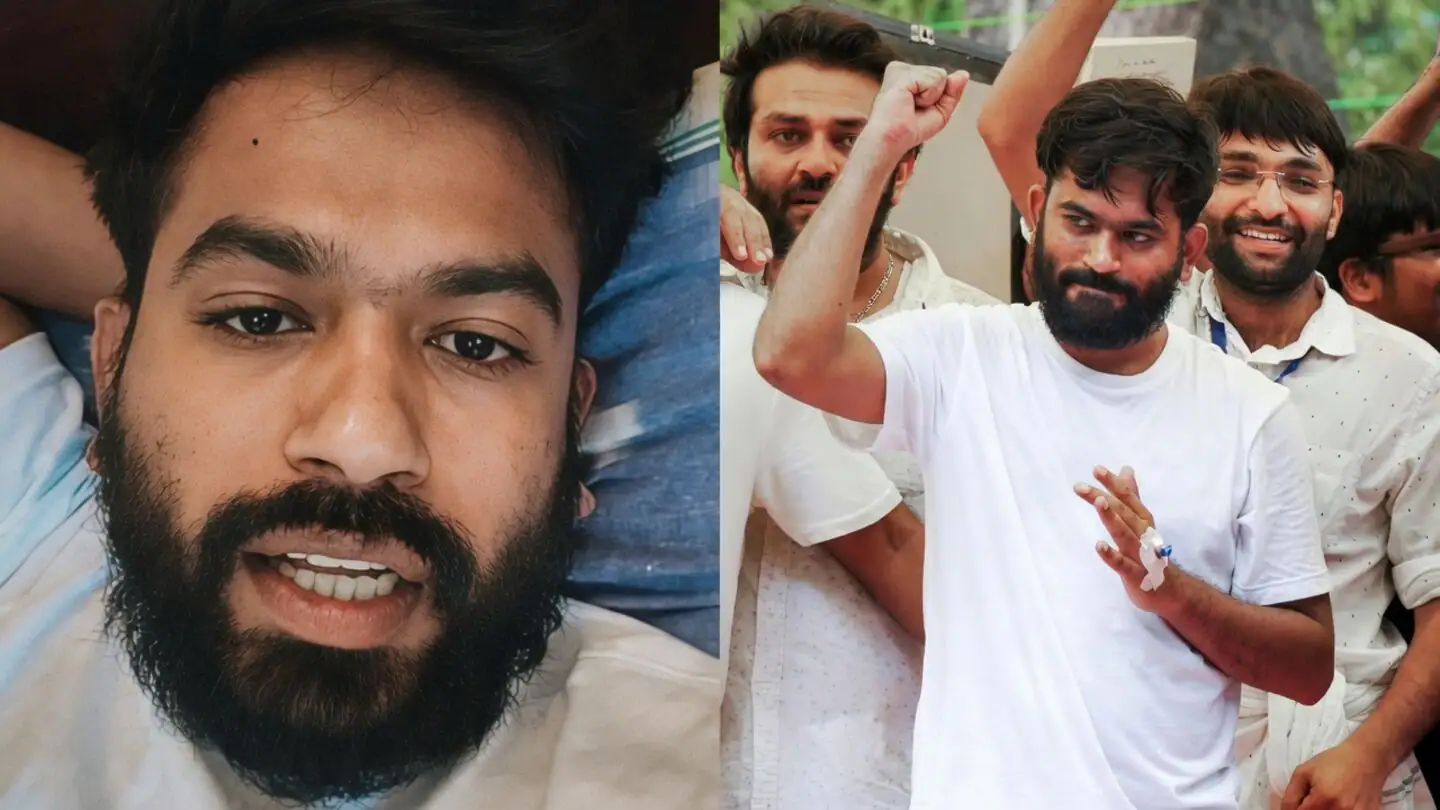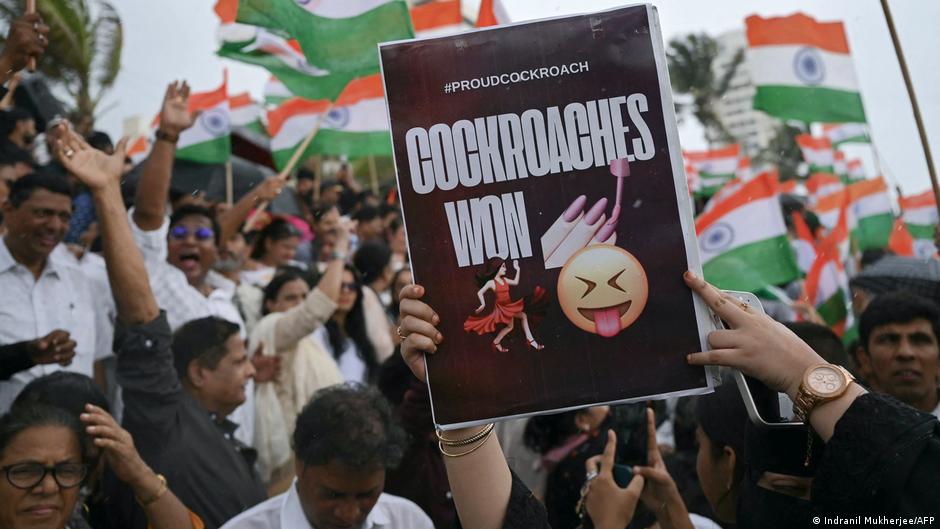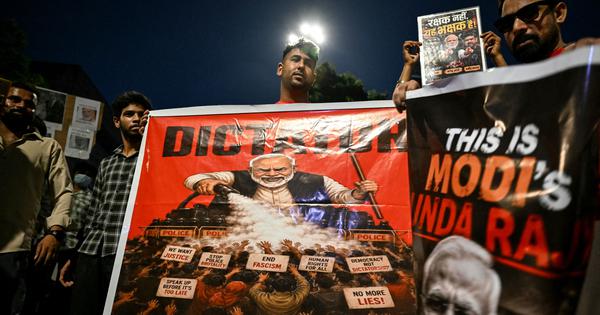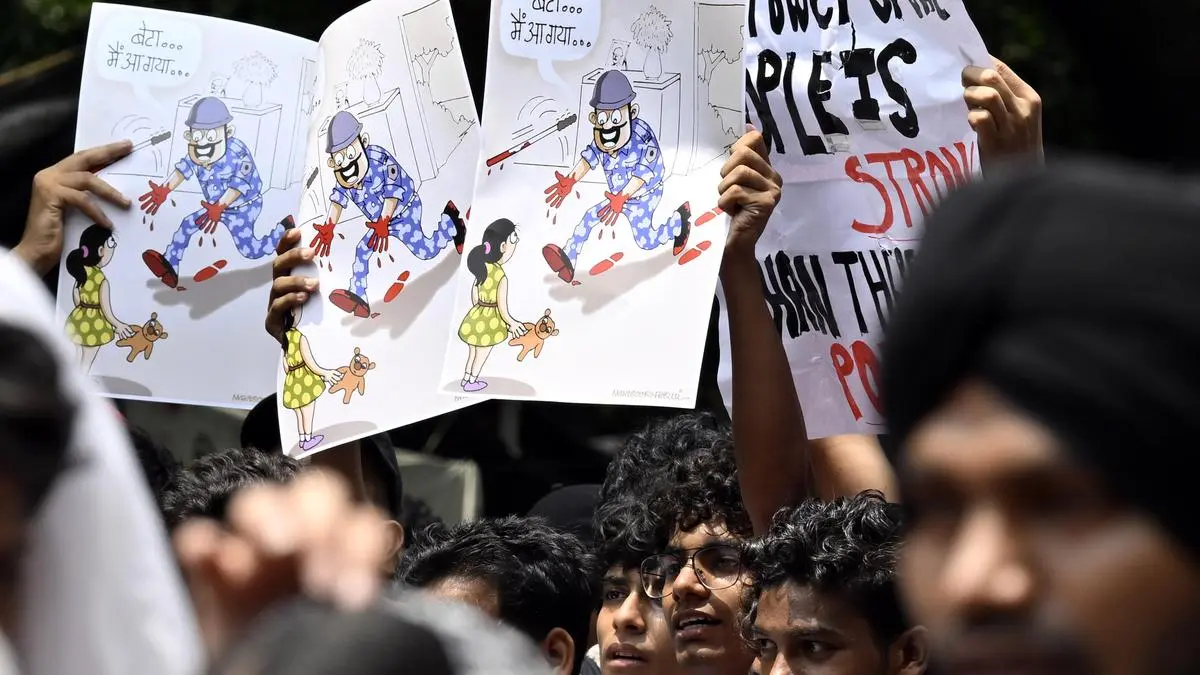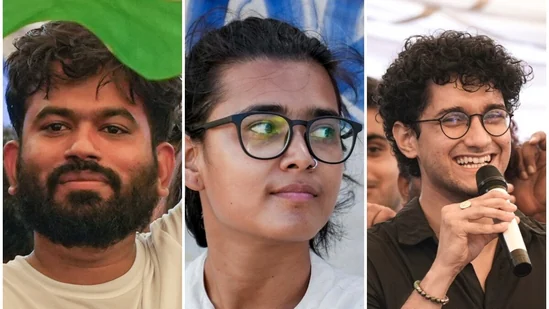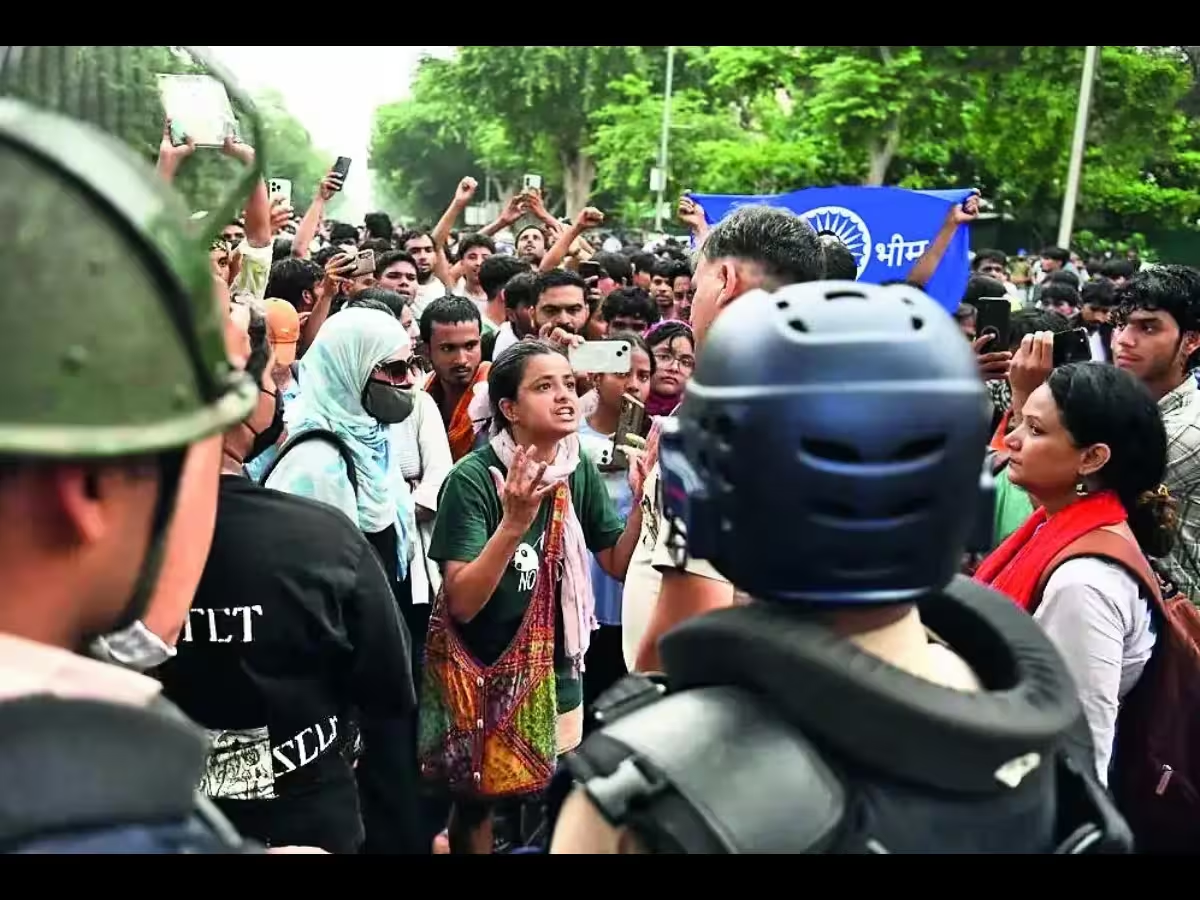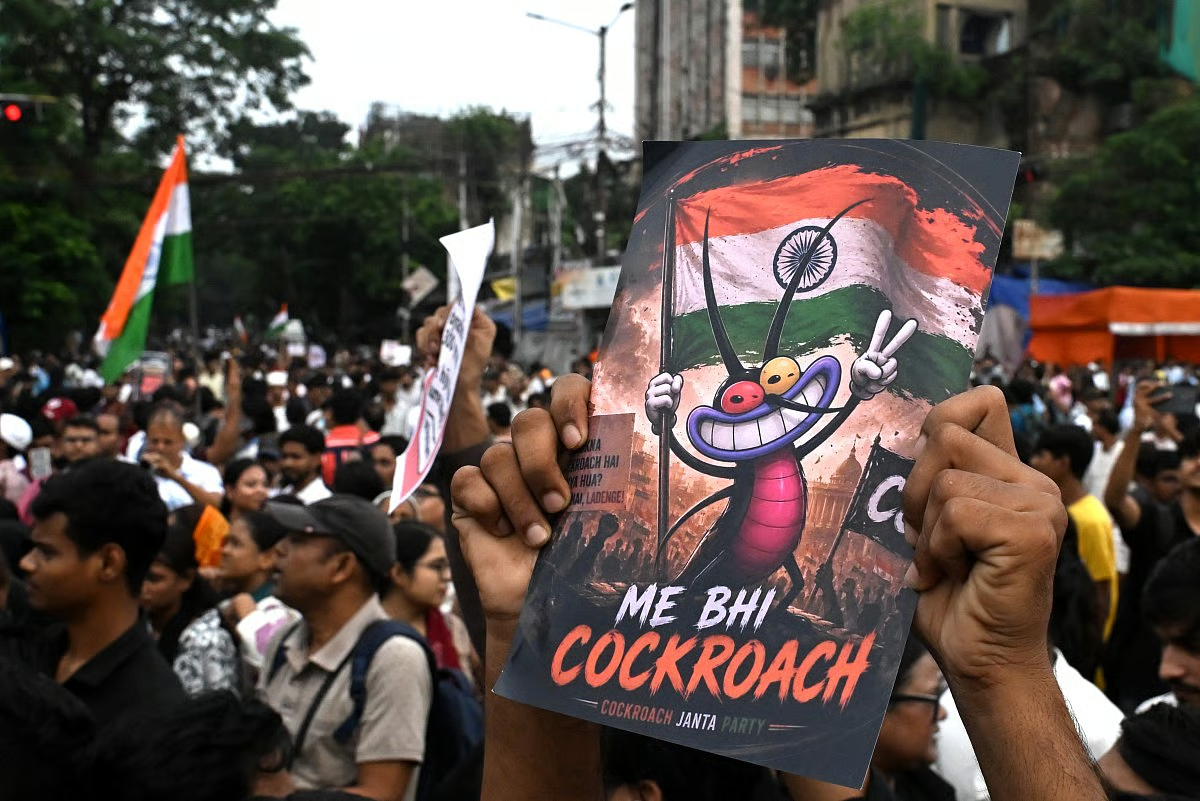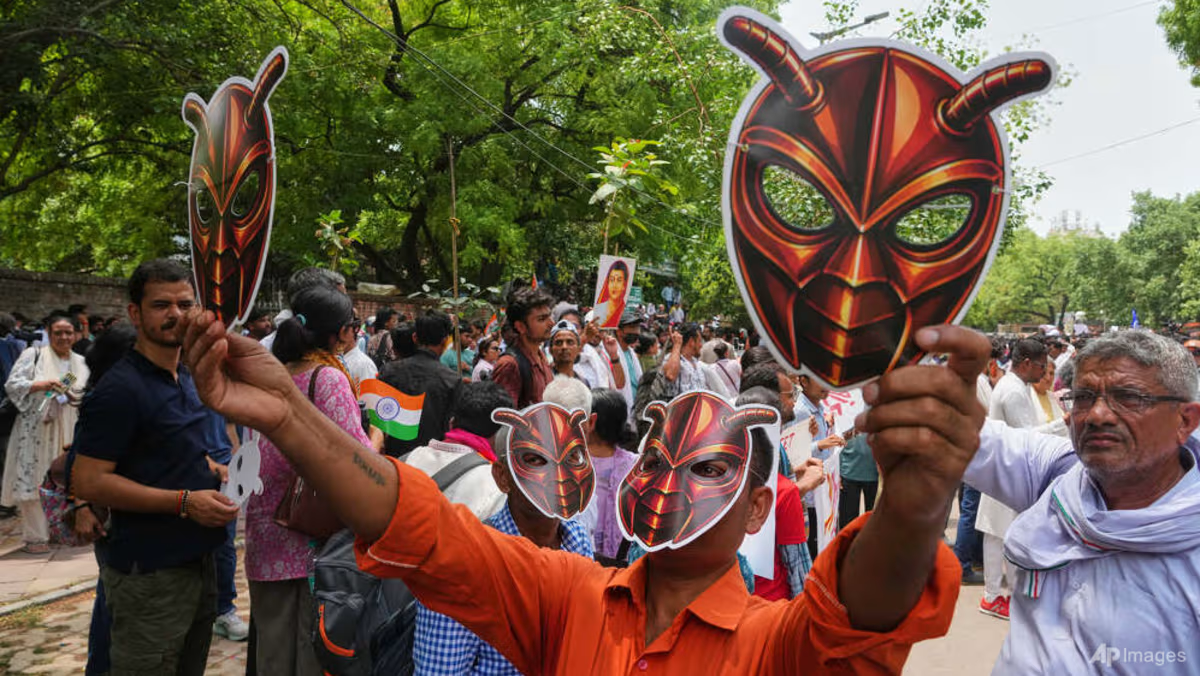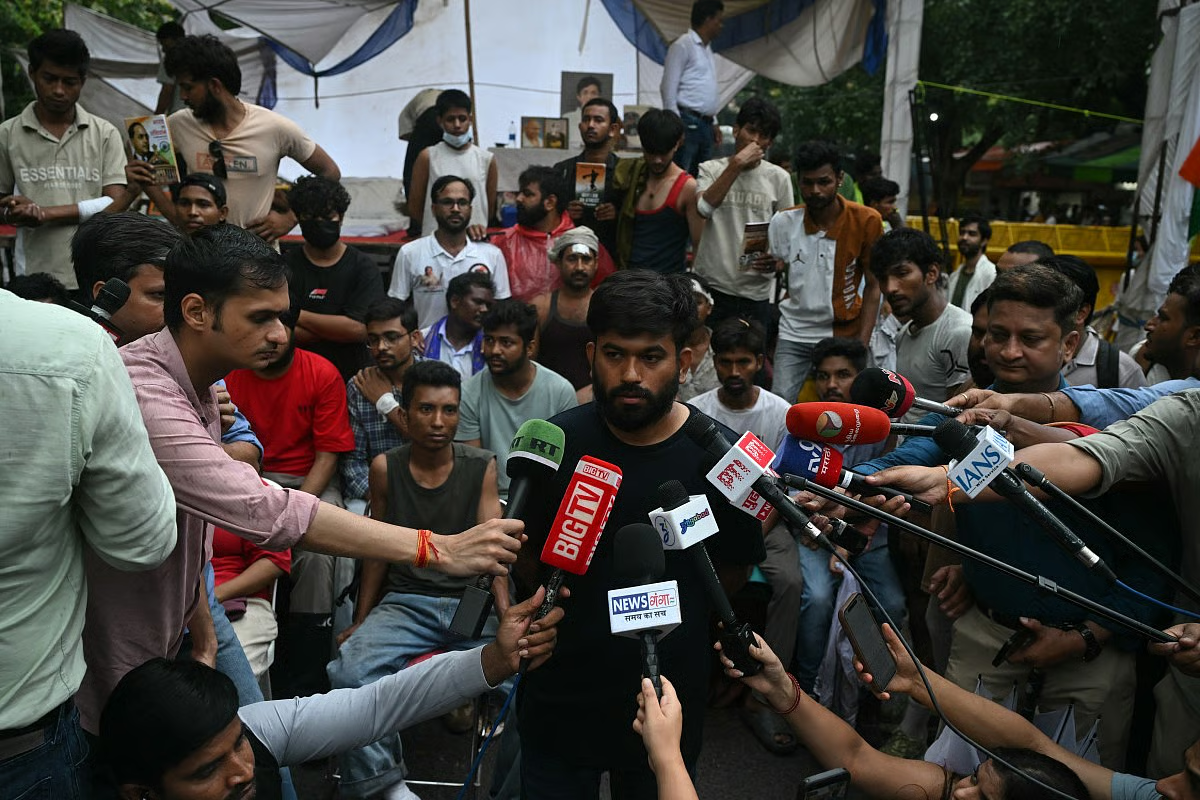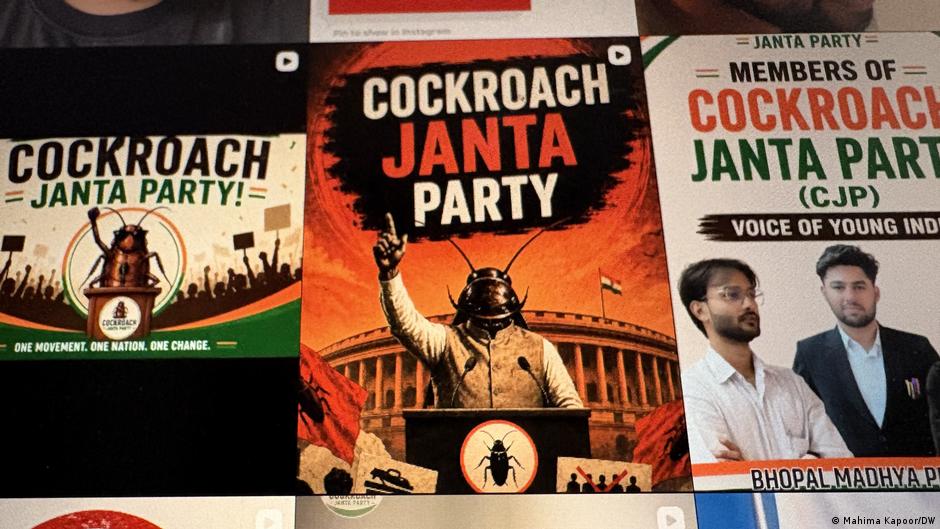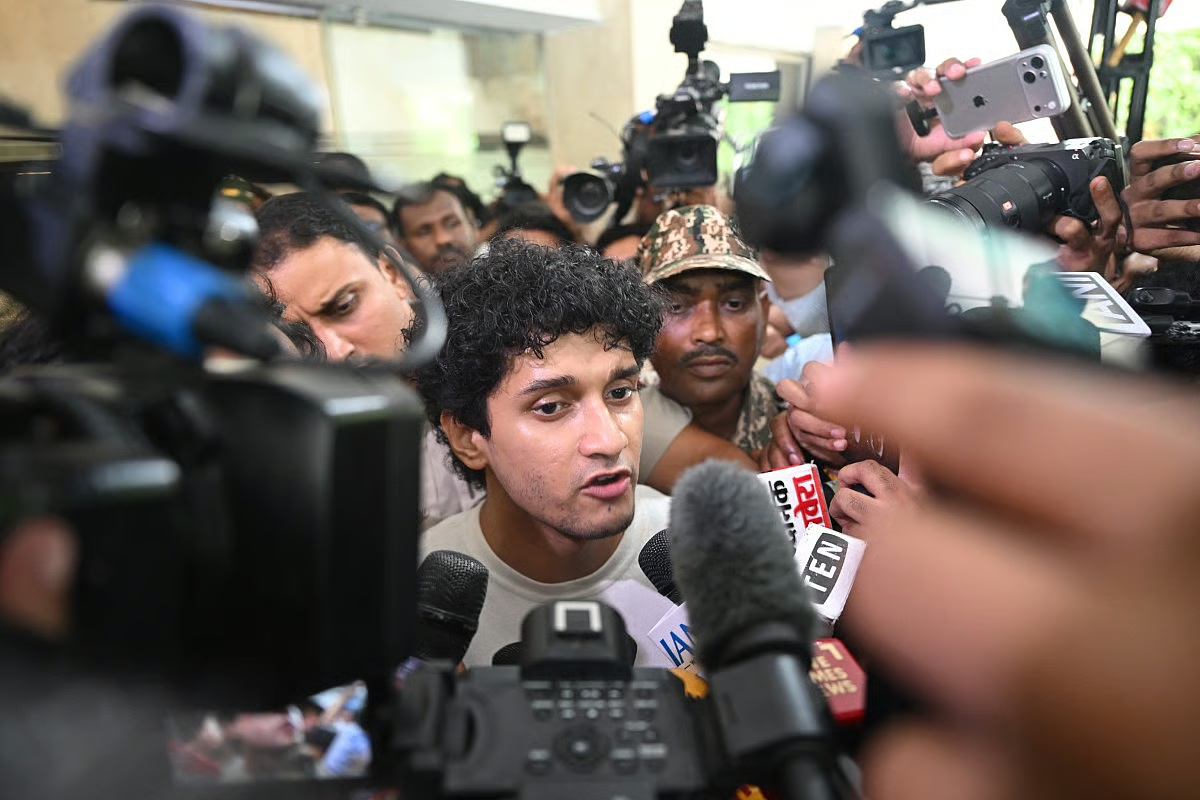
The journalist at the heart of CJP’s fight to restore accountability and democracyLast updated: July 28, 2026 | 09:515 MIN READFrom satire to street power: How Saurav Das turned Cockroach Janta Party into India’s Gen Z protest engineAFP-ARUN SANKARIt started as an internet joke. Then it became a movement. When the Cockroach Janta Party (CJP) first appeared on social media as a satirical political experiment, few expected it to evolve into a youth-led campaign demanding answers from the government. But as thousands of students gathered at Delhi’s Jantar Mantar over examination reforms and accountability, investigative journalist Saurav Das emerged as the movement’s most visible voice — explaining its demands, defending its strategy and leading its public conversations with authorities.Known for his reporting on law, governance, judiciary and transparency, Das became the public face of CJP after the group evolved from an internet parody into a youth-led campaign focused on education reforms, student rights and accountability over the NEET-UG 2026 paper leak.Get updated faster and for FREE: Download the Gulf News app now - simply click here.Long before he declared, “This is just a trailer. The picture is still to come,” Das had already built a reputation in India’s investigative journalism and transparency circles.From RTI campaigner to investigative journalistBefore entering the spotlight through CJP, Saurav Das had established himself as an independent investigative journalist and transparency advocate.Based in New Delhi, Das developed an interest in investigative journalism during his college years while studying Journalism and Mass Communication at Amity University. At the age of 18, he began using the Right to Information (RTI) Act to investigate issues involving public institutions, with several of his findings receiving national attention.Since beginning his professional writing career in 2020, Das has reported on governance, judiciary, crime, transparency and access to information. His work has appeared in publications including The Caravan, Article 14, Al Jazeera, The Wire, The Hindu and New Lines Magazine, according to his professional profile.His investigative work has also earned recognition, including a Pulitzer Center grant for his reporting on policing and judicial accountability. He is currently working on his debut book, “Complicit Silence: The Court’s Role in India’s Quiet Suffering”, which examines questions around justice, institutional accountability and the role of courts.A journalist who used courts as a reporting toolDas’ approach to journalism has often extended beyond reporting.During the Covid-19 pandemic, he approached the courts over delays in accessing public information, an intervention he said led the Central Information Commission to expedite pending appeals related to urgent pandemic information requests.He has also filed public interest litigations on broader issues linked to transparency and accountability.Beyond journalism, Das is the co-founder of Climate Action Front, an initiative focused on environmental transparency. In 2024, he was recognised among the “30 Young Indians Transforming the World’s Largest Elections” by the Young India Foundation.How Saurav Das became CJP’s key spokespersonThe Cockroach Janta Party was founded by Abhijeet Dipke as a satirical political group following controversial remarks comparing unemployed youth to “cockroaches”. However, the movement quickly gained traction and transformed into a platform centred on student concerns, competitive examination reforms and government accountability.As CJP expanded its campaign, Das was named one of its official spokespersons along with Vijeta Dahiya and Ashutosh Ranka.His background in investigative journalism and governance reporting made him a natural fit to represent the movement during media interactions, public addresses and talks with government representatives.How Das acted in CJP: Spokesperson who turned satire seriousAs CJP moved from online satire to street protests, Das brought a reporter’s approach to political negotiations — relying on documentation, legal arguments and public pressure.High-stakes negotiations and demand for written assurancesIn late-night meetings with Union representatives, Das refused to rely on verbal promises, insisting on formal, legal notifications to protect student protesters from police action. When CJP suspended its Jantar Mantar demonstration "in good faith," he made it clear the pause was strictly conditional:"Hours after our press conference, Government's representatives met us... They shared copies of the Bihar and Assam notifications guaranteeing FIR withdrawals, no action in future, and release of all detainees... No protester will be left alone. We are all in this together!"Tactical escalation and firm public messagingDas continuously leveraged press briefings and video updates on X (formerly Twitter) to keep heat on the administration. Whenever state governments delayed issuing protective notifications, he publicly threatened fresh demonstrations—forcing swift assurances of legal immunity for student protesters in states like Rajasthan.Demanding accountability: A non-negotiable stanceFrom day one, CJP treated Union Education Minister Dharmendra Pradhan's resignation over the NEET-UG paper leak as non-negotiable. When Pradhan eventually stepped down, Das struck a triumphant yet uncompromising tone:Dharmendra Pradhan's resignation is the first step; if the system is not improved, the youth will come back in larger numbers... This is just a trailer. The picture is still to come. As a party, as a movement, this is obviously not ending.Saurav Das Taking the fight nationwide: "A Jantar Mantar in every district"Outline CJP's strategy to expand beyond New Delhi, Das called for creating protest hubs across the country:Calling out government inaction: "Every district needs a Jantar Mantar because this government is not listening to students," Das told India Today, pointing out the double standard of politicians visiting voters door-to-door during elections while ignoring 30 days of street protests.Insisting on neutral venues: While open to dialogue, Das demanded future talks occur at neutral locations like Jantar Mantar, Kerala House, or the Constitution Club, alleging CJP representatives were effectively detained for hours during an earlier meeting with Union Minister JP Nadda at a government facility.Defending the movement and reclaiming democracyAddressing critics who attempted to label CJP as politically motivated or foreign-funded, Das dismissed the accusations as cheap attempts to derail genuine student grievances:Restoring constitutional norms: "The Constitution allows us the right to peacefully protest and assemble. We are asserting that right," he stated, emphasizing demands for exam integrity and compensation for affected families.A return to accountability: "Resignations used to happen before 2014, and that’s how democracy works. We are only restoring democracy."Beyond CJP: A journalist navigating activism and politics Beyond journalism and activism, Saurav Das is the co-founder of Climate Action Front, an initiative focused on climate issues, transparency and public accountability.He is also working on his debut book, “Complicit Silence: The Court’s Role in India’s Quiet Suffering”, which explores questions around judicial accountability, access to justice and the functioning of institutions.A journalist at the centre of a political momentSaurav Das’ journey from an RTI-driven investigative journalist to the chief spokesperson of a youth movement reflects the increasingly blurred lines between journalism, activism and public campaigns.By bringing the tools of investigative reporting — documentation, legal scrutiny and accountability-focused questioning — into street politics, Das helped transform CJP from an internet-born satire project into a movement demanding concrete government action.As CJP prepares to expand its campaign across India, Das remains one of its most recognisable voices — the journalist-turned-spokesperson who helped turn a viral joke into a serious conversation on youth, education and accountability. Also In This PackageRelated Topics:Get Updates on Topics You ChooseUp Next
The voice behind India’s Gen Z protest: How Saurav Das turned CJP satire into a political challenge
How Saurav Das turned the satirical Cockroach Janta Party into India’s biggest Gen Z protest movement demanding exam reforms and government accountability.
1,166 words~5 min read