in History, Literature, Music | July 29th, 2026 Leave a Comment
Image via Wikimedia Commons
It’s been a humanist truism for some time to say that Shakespeare speaks to every age, transcending his time and place through the sheer force of his universal genius. But any honest student first encountering the plays will tell you differently, as will many a seasoned scholar who works hard to place the writer and his work in historical context. Even onetime director of London’s National Theatre, Nicholas Hytner, once said, “I’ll admit that I hardly ever go to a performance of one of Shakespeare’s plays without experiencing blind panic during the first five minutes. I sit there thinking… I have no idea what these people are talking about.”
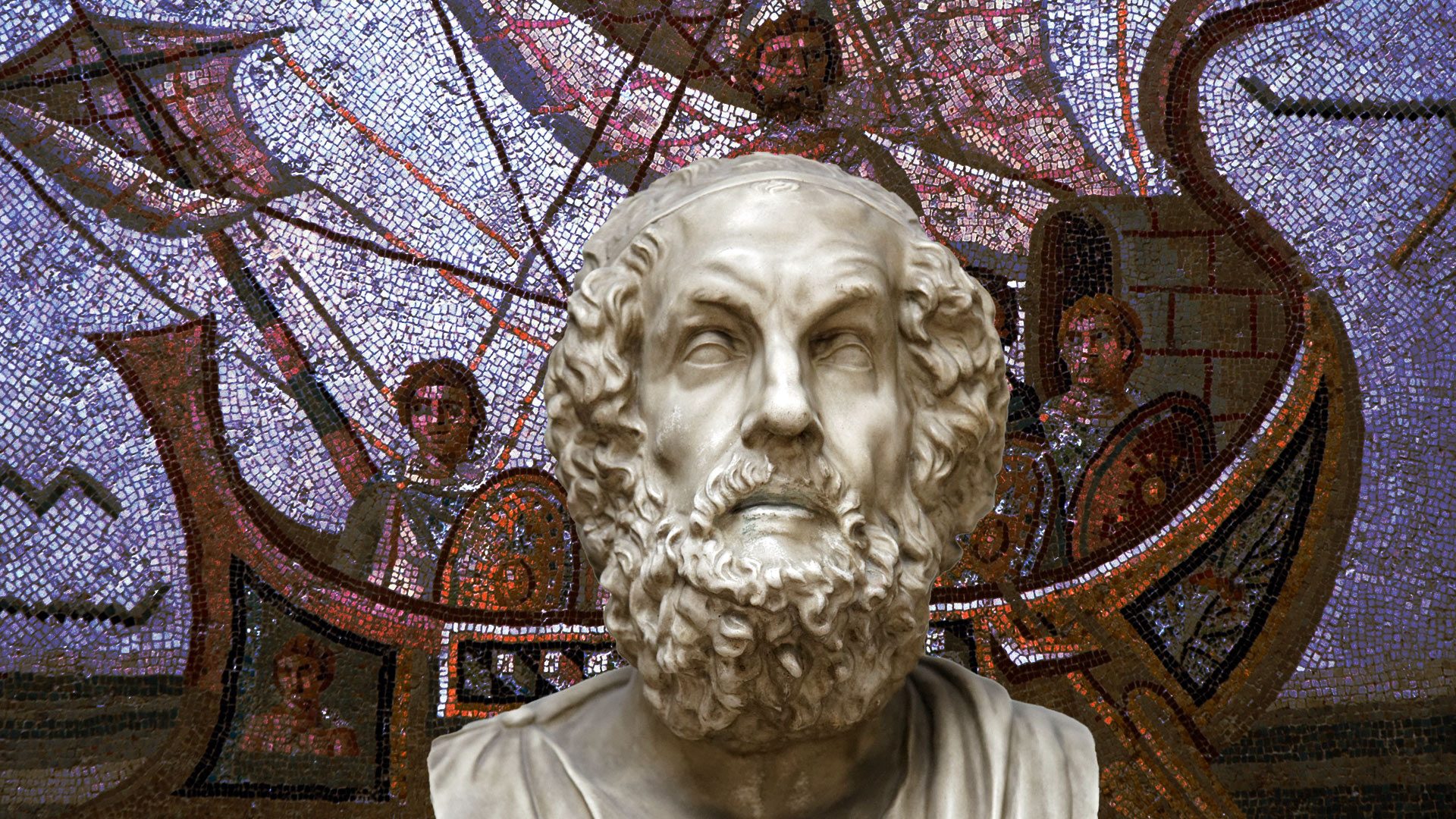
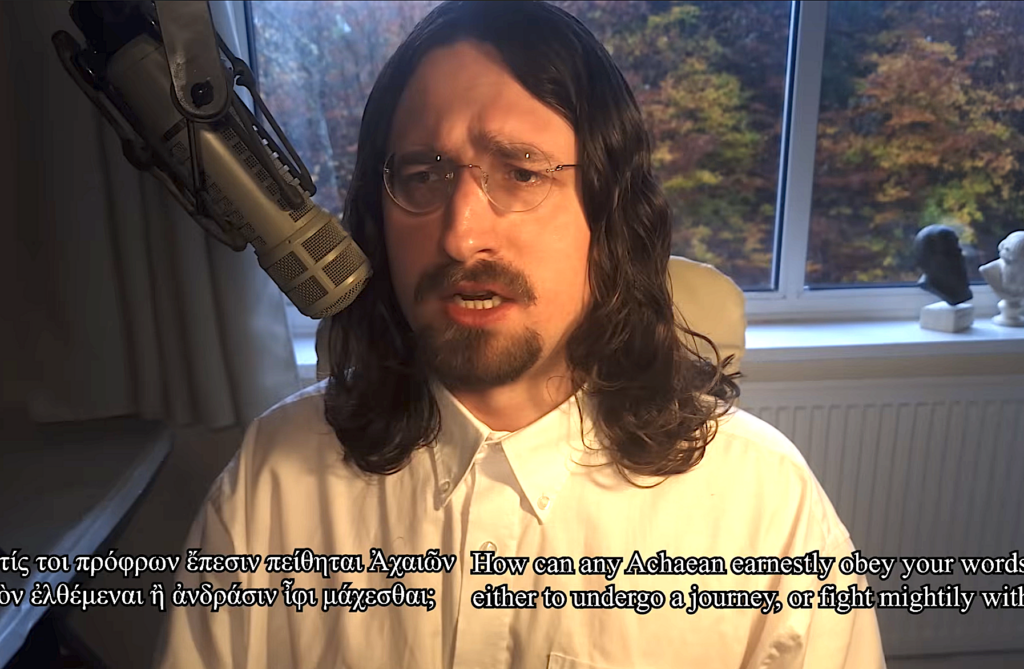
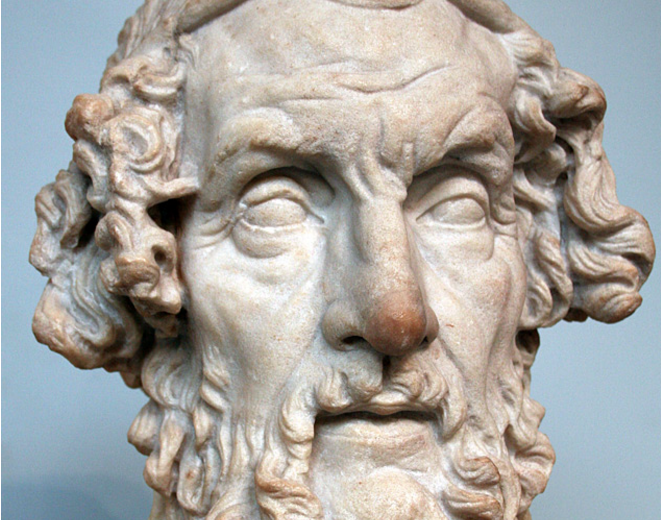
Of course, none of that means we can’t learn to appreciate Shakespeare, and we do not need a graduate-level education to do so. But much of his archaic language and obscure references will always sound foreign to modern ears. How much more so, then, the language of the ancient Greeks, whether in translation or not? Although we’ve also been taught to think of the Homeric epics as containers of universal truth and beauty, the world of Homer was, in many ways, an alien one—and the literature of ancient Greece was far closer to song than even Shakespeare’s musical speeches.