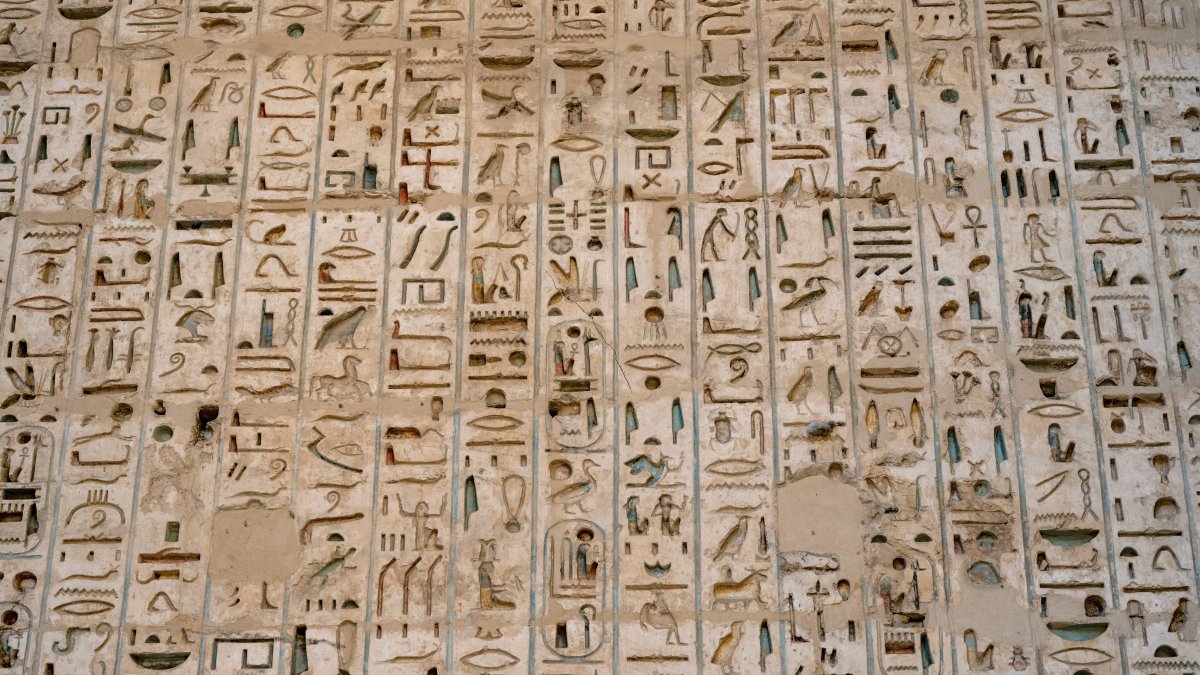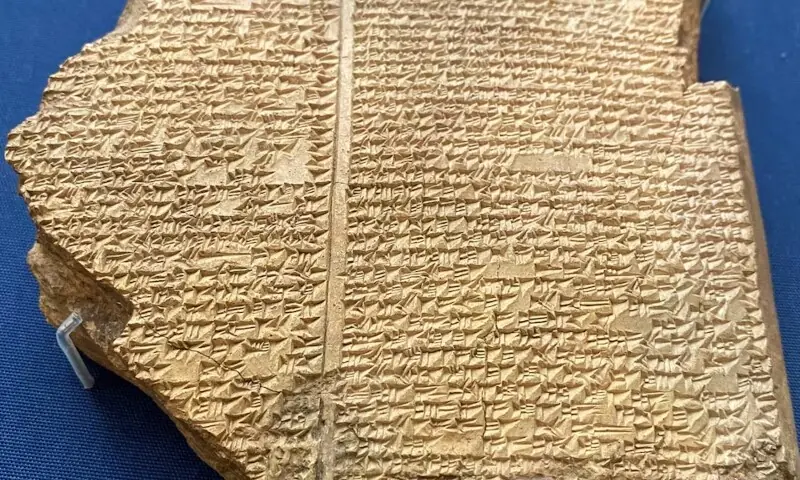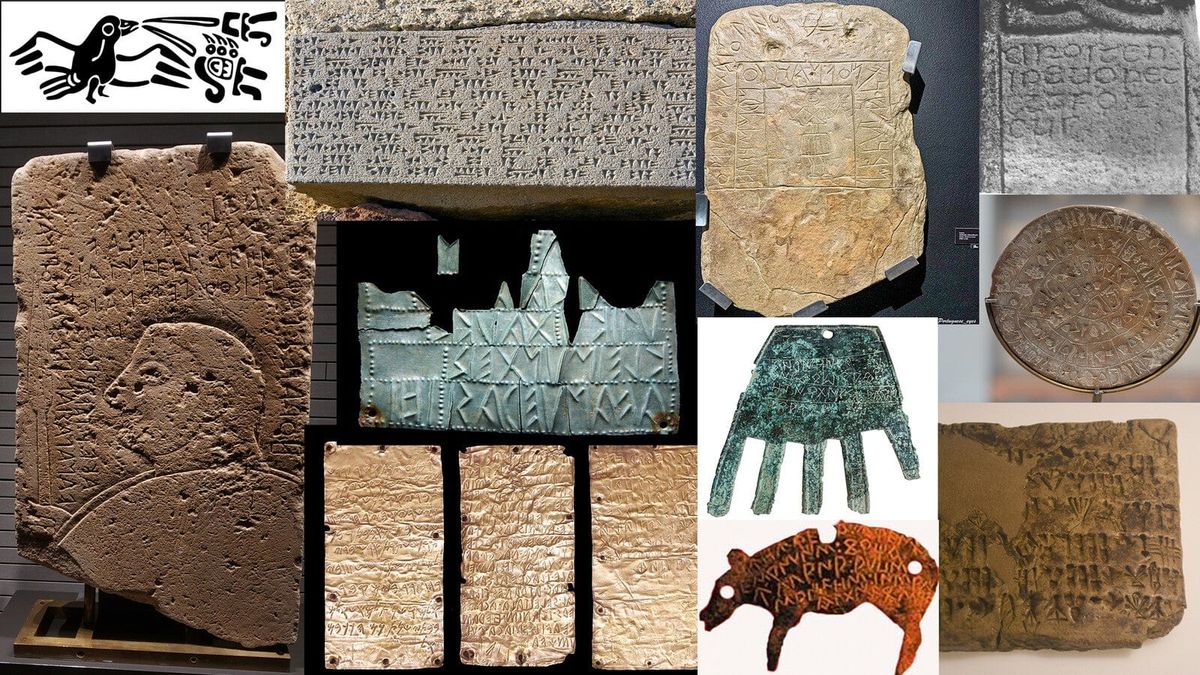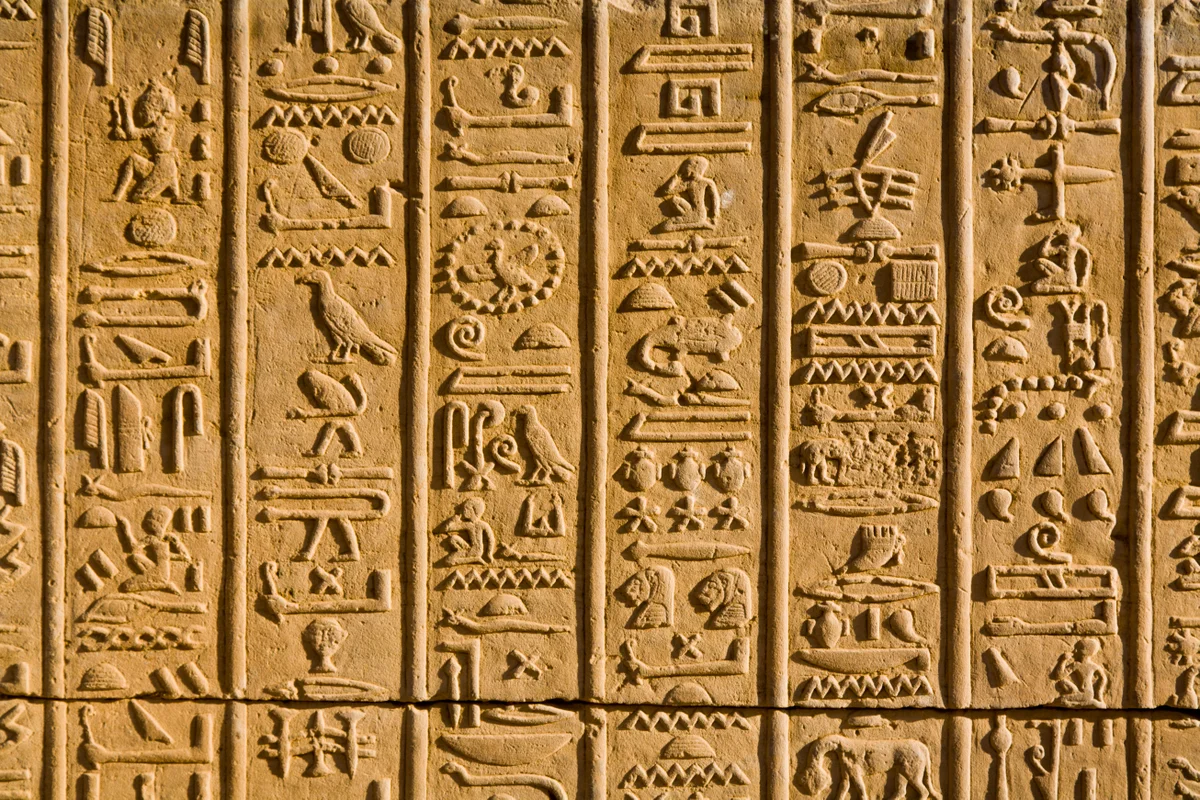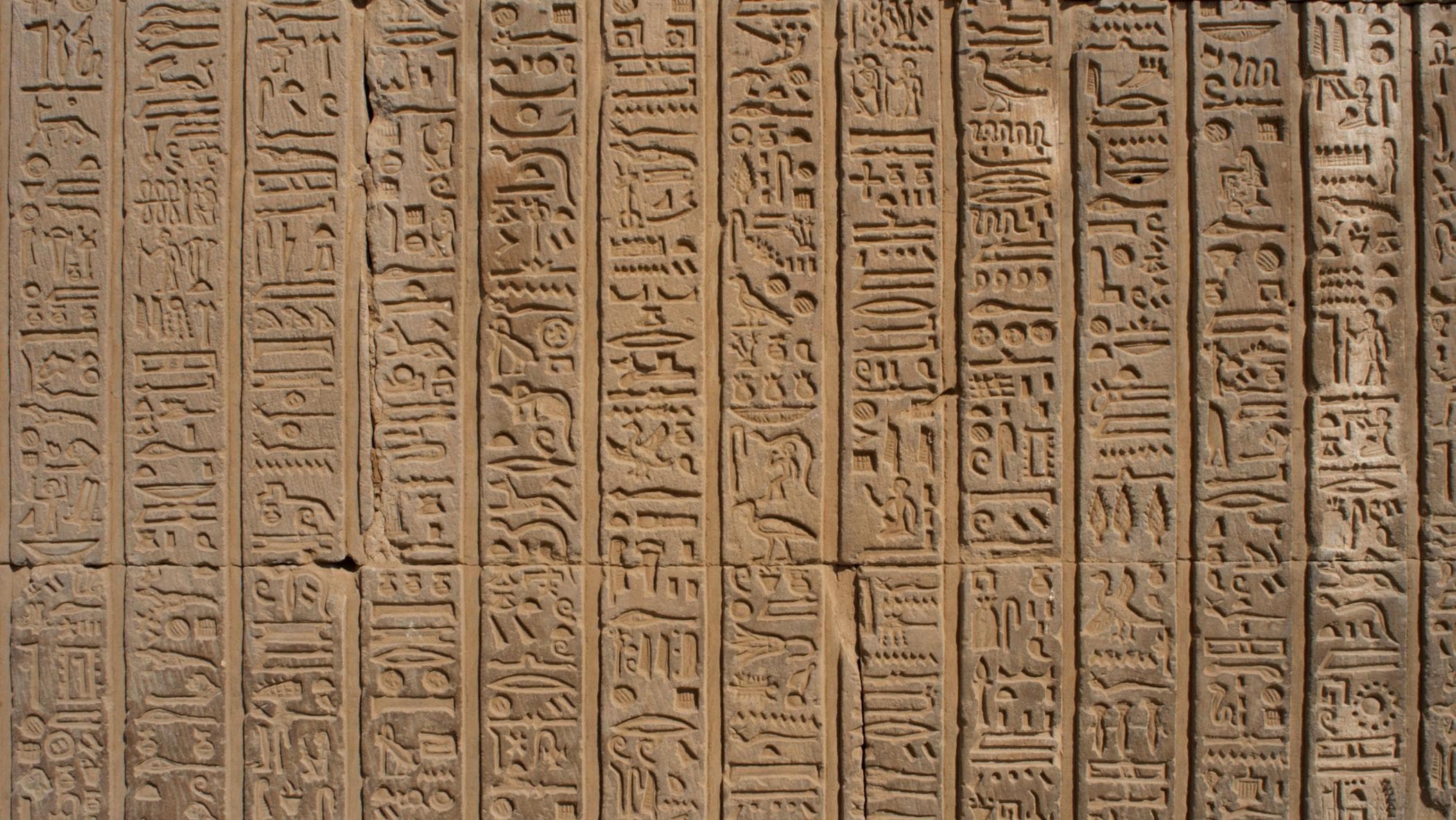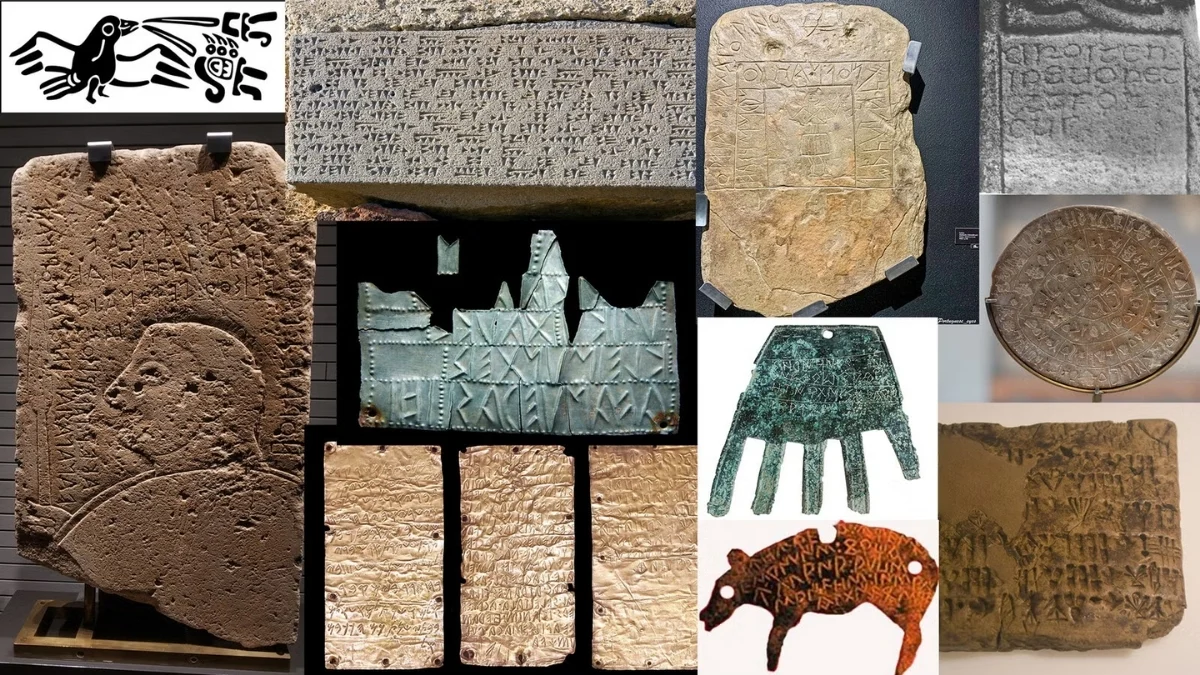
Examples of ancient languages. Image sources and credits are included in the article text. (Yale University/Wikimedia)
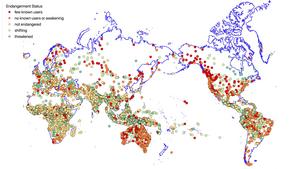
Around 7,500 spoken and signed languages are used worldwide today. Yet this extraordinary diversity may represent only a fraction of the linguistic richness humanity once possessed.A new modeling study published in Science suggests language diversity reached a forgotten golden age between 1,000 and 3,000 years ago, when tens of thousands of languages may have coexisted.What followed was a dramatic decline that appears to have begun long before European colonial expansion. As large states and empires grew, countless local languages may have disappeared.Map of currently spoken and signed languages of the world, colored by endangerment status. (Claire Bowern/Yale University)Exactly how many were lost is impossible to know."There's no direct evidence for language numbers until very recently," Yale University historical linguist Claire Bowern, the study's senior author, told ScienceAlert."We cannot rely on the extremely patchy records from antiquity."The researchers began with data from 171 mobile hunter-gatherer and fishing societies. Their typical population sizes helped the team estimate how many ethnolinguistic groups might have existed around 12,000 years ago, at the beginning of the Holocene – the geological period that followed the last Ice Age and continues today.At that time, the global human population is thought to have been between 4.4 million and 7 million.