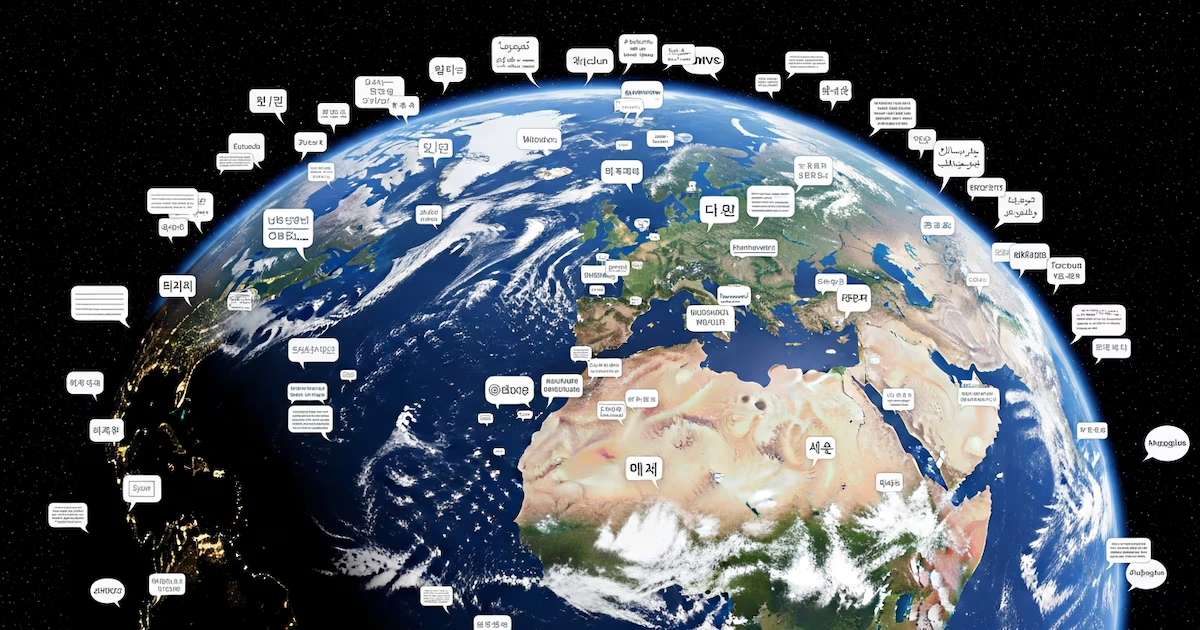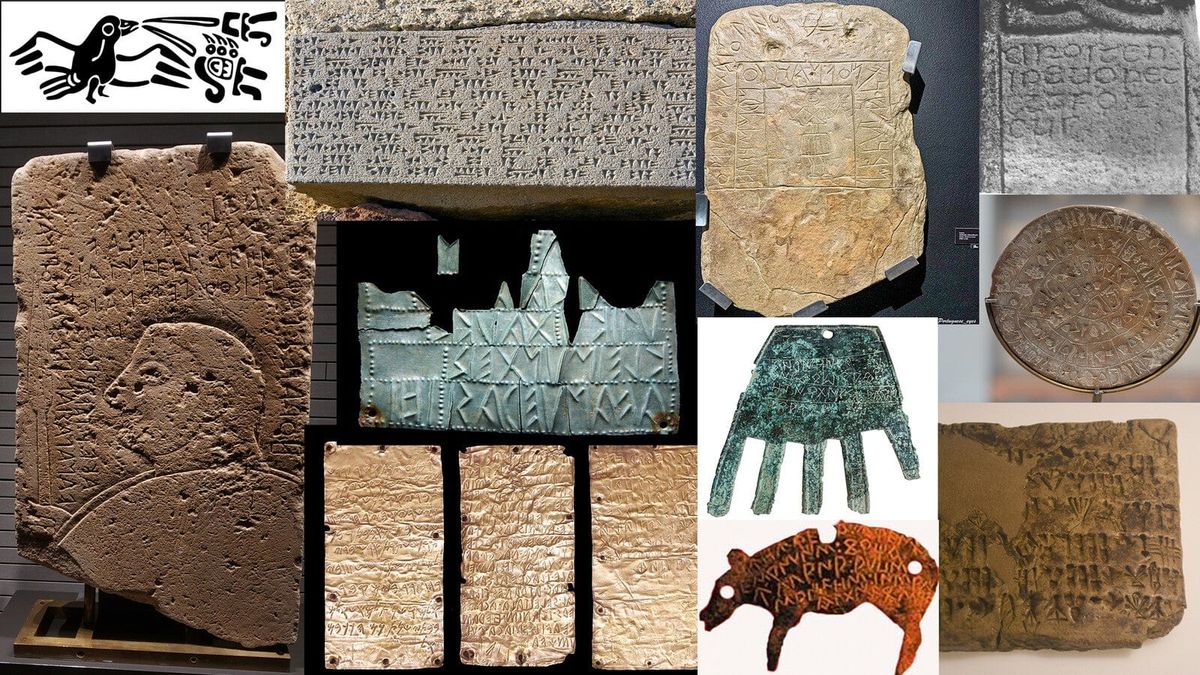
A new study has found that linguistic diversity in human history peaked much later than previously thought and then rapidly declined with the rise of empires.
According to the study, published in the journal Science, the languages spoken today are the legacy of the small number of tongues that survived a major 'language bottleneck' in the past.
To reach this conclusion, researchers analysed the linguistic diversity of 171 hunter-gatherer communities living today and used the data to estimate how many languages were spoken on Earth roughly 12,000 years ago, after the last Ice Age.
On that basis, when the global population was still below 7 million, around 4,500 to 6,200 different languages were spoken worldwide.
The number of languages grew for thousands of years