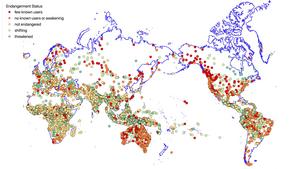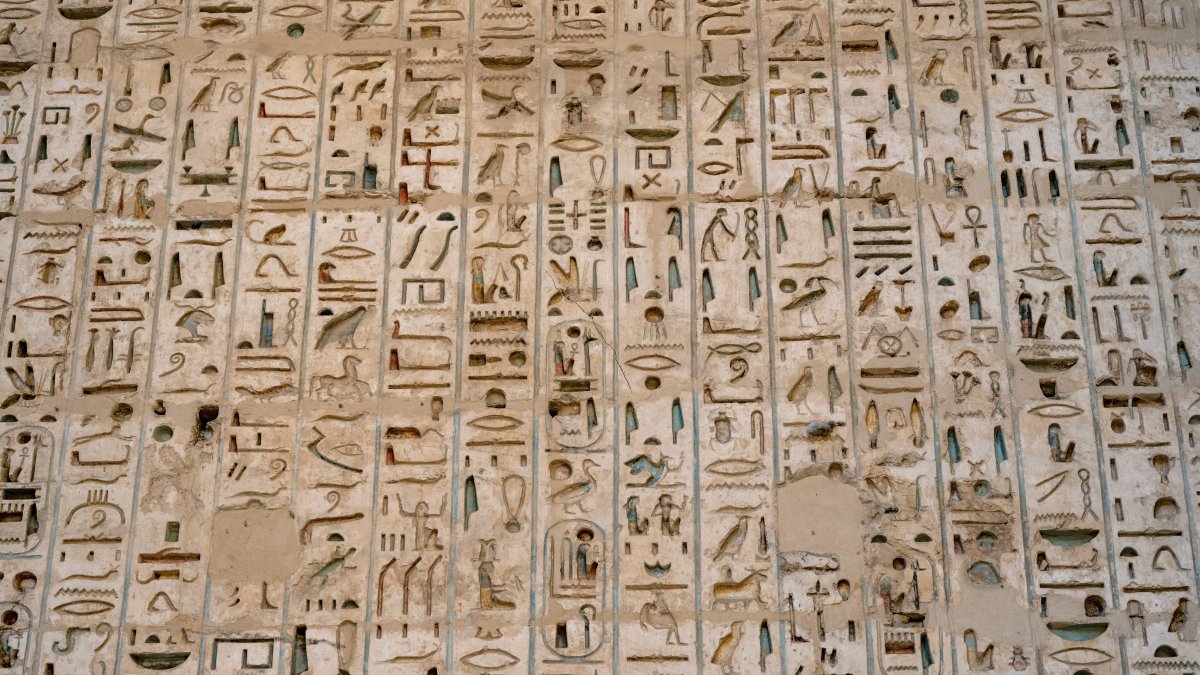
Globally, people currently use roughly 7,500 languages, with English, Mandarin Chinese, Hindi, Spanish, Arabic and French the most common, counting native and non-native speakers. That is a lot of languages. But it is a far cry from the peak number historically.
Researchers used mathematical modeling and insights from anthropology, linguistics and demography to estimate the number of languages used globally dating back about 12,000 years to around the end of the last Ice Age, covering a chapter in time called the Holocene epoch. They identified a period spanning the first millennium B.C. and first millennium A.D. when humankind may have spoken tens of thousands of different languages.
The researchers also charted a major decline since this linguistic "golden age," due to language replacement driven by factors such as the expansion of large empires in antiquity and European colonialism in the past several centuries.
"Languages are meaningful to their communities. They carry knowledge, associations and memories," said Claire Bowern, a professor of linguistics and anthropology at Yale University in Connecticut and a leader of the study published in the journal Science.
"For scientists, languages carry huge amounts of information about the past, from where people lived to what they ate, and what they talked about. They also give us a window into the human mind," Bowern said.