Washington rallies allies to shape next-generation networks after spending 18 months rattling them
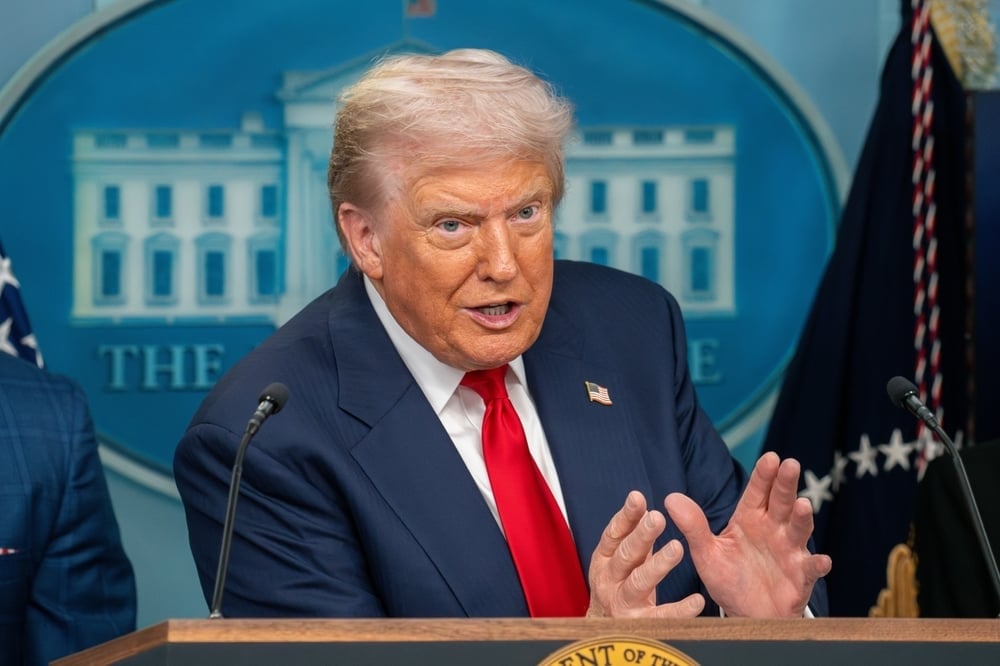
America wants its allies to come together and help it lead the way in defining 6G communications standards, with security and resilience seen as key goals for next-generation networks.The latest effort to corral international work on 6G comes from the US National Telecommunications and Information Administration (NTIA), which says it is pursuing the objectives of a December 2025 memo from President Trump on "Winning the 6G Race."That memo didn't identify who America is racing against, but it is a fair bet that it is China, which gained a lead during the development of 5G technology. Huawei in particular is understood to hold more declared 5G standard-essential patent families than any other company.
The NTIA says it is launching this initiative alongside more than 20 governments, including several European nations like the UK and the Nordic countries, Japan, South Korea, and Australia. The Nordics are significant as they are home to telecoms equipment suppliers Nokia and Ericsson.
These governments have all pledged to strengthen cooperation on 6G over the next 12 months and beyond in support of greater security, interoperability, and resilience for next-generation networks, the NTIA claims."The Call to Action for 6G Leadership and Security reflects an unprecedented level of international coordination on the future of communications technology," stated NTIA administrator Arielle Roth."By working now with trusted partners, we will ensure that next generation networks reflect our shared security interests, strengthen our competitiveness, and drive innovation."So after President Trump has spent 18 months since inauguration disparaging and threatening America's "trusted partners," the US has decided it would really like their help in becoming the world leader in 6G technology. Isn't that nice?The initiative lays out specific milestones on strategic coordination over the next year or so, as 6G moves toward commercialization. These include engaging with the telecoms industry to understand the "political and economic landscape" for 6G networks and meetings to identify the potential for more coordinated approaches.It also calls for a big meeting in 2027 to review joint progress, where the partners are expected to evaluate funding strategies, share information on 6G research and development, assess 5G and 6G technical and cybersecurity risks, and promote common 6G policies.