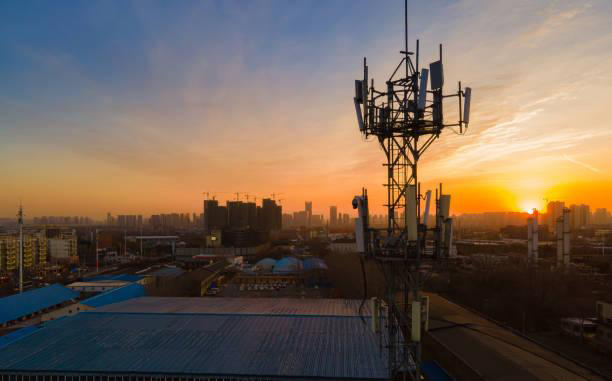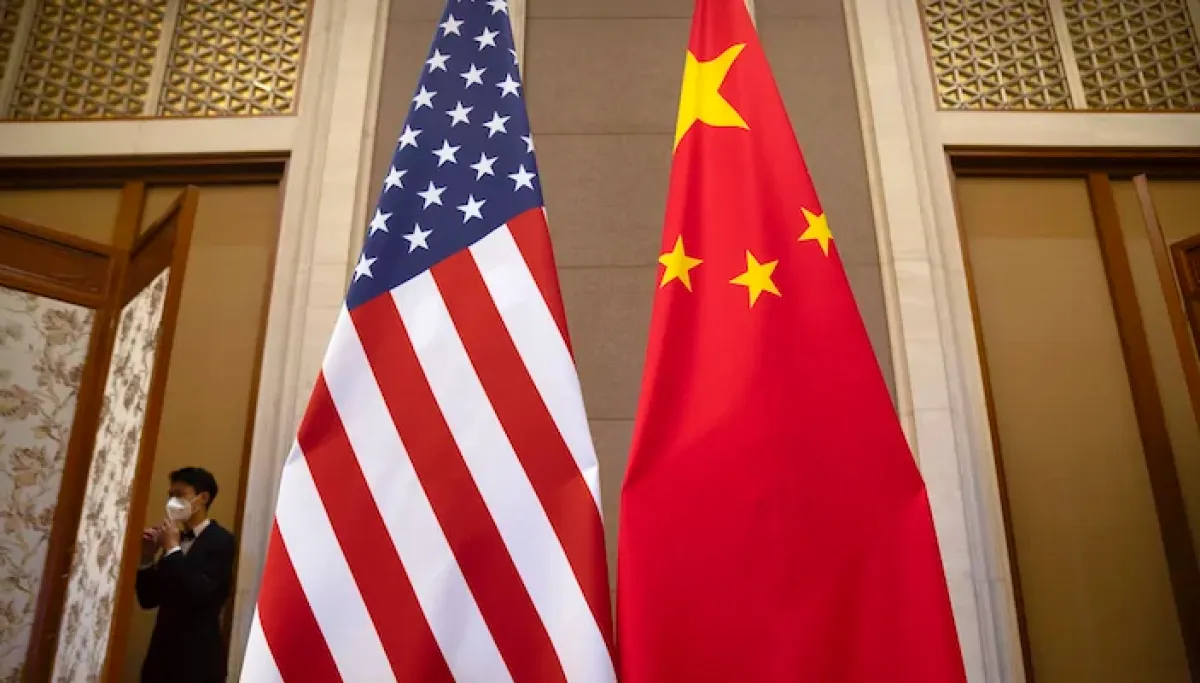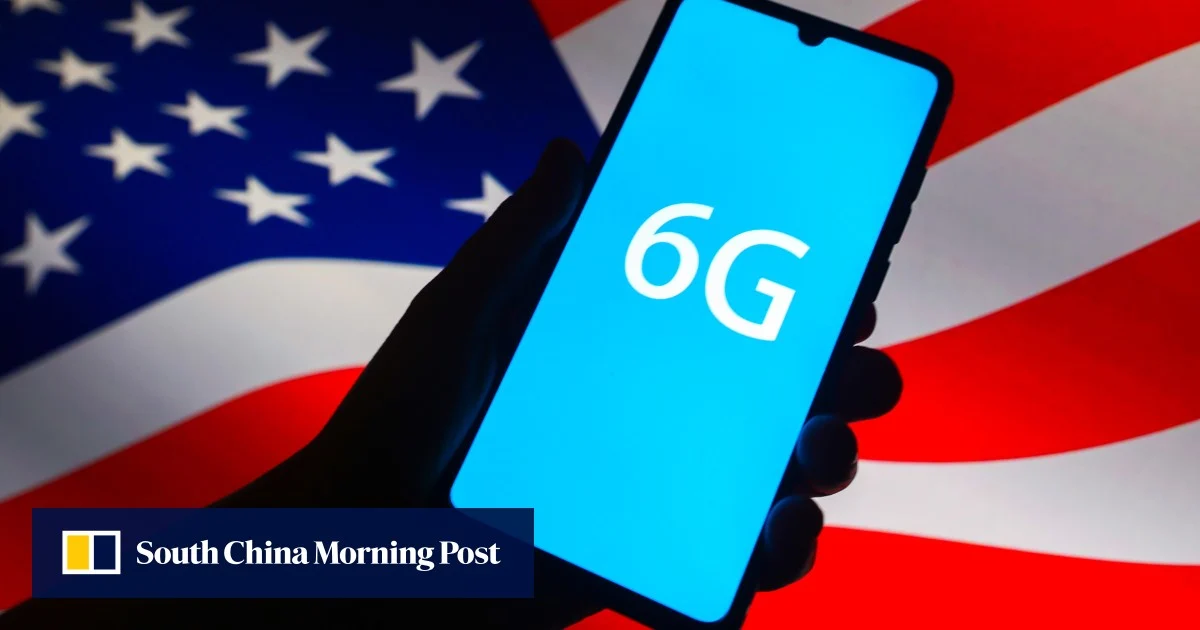
As the United States builds a 6G alliance with more than 20 countries across Europe and Asia, analysts say Washington’s efforts to counter Beijing’s growing influence in the next-generation technology face short-term challenges.The alliance, involving 24 countries including the United Kingdom, Germany and Japan, aims to coordinate their government’s 6G strategies, share technical resources and lay the groundwork for the commercial deployment of the technology, which is expected to begin replacing 5G in the 2030s.The initiative aimed to “secure leadership in the next generation of global communications”, the US Department of Commerce’s National Telecommunications and Information Administration said this week.Unlike previous generations of mobile networks that focused primarily on faster connectivity, 6G is expected to integrate artificial intelligence, sensing and computing capabilities, enabling applications ranging from autonomous systems to humanoid robots.“The US is seeking to build an alternative ecosystem across four fronts – technology, standards, industry and geopolitics – that reduces China’s role,” said Shan Guangcun, a professor at the University of Chinese Academy of Sciences whose research focuses on AI, robotics and smart sensors.“Its primary objective is to gain greater influence over 6G standards-setting and shape the rules of the next-generation technology race, after what it views as a weaker position during the 5G era.
Why US might struggle to rein in Beijing’s growing 6G influence
24-country alliance aims to coordinate next-generation telecoms strategies, but analysts say China’s tech prowess provides clearer road map.
206 words~1 min read