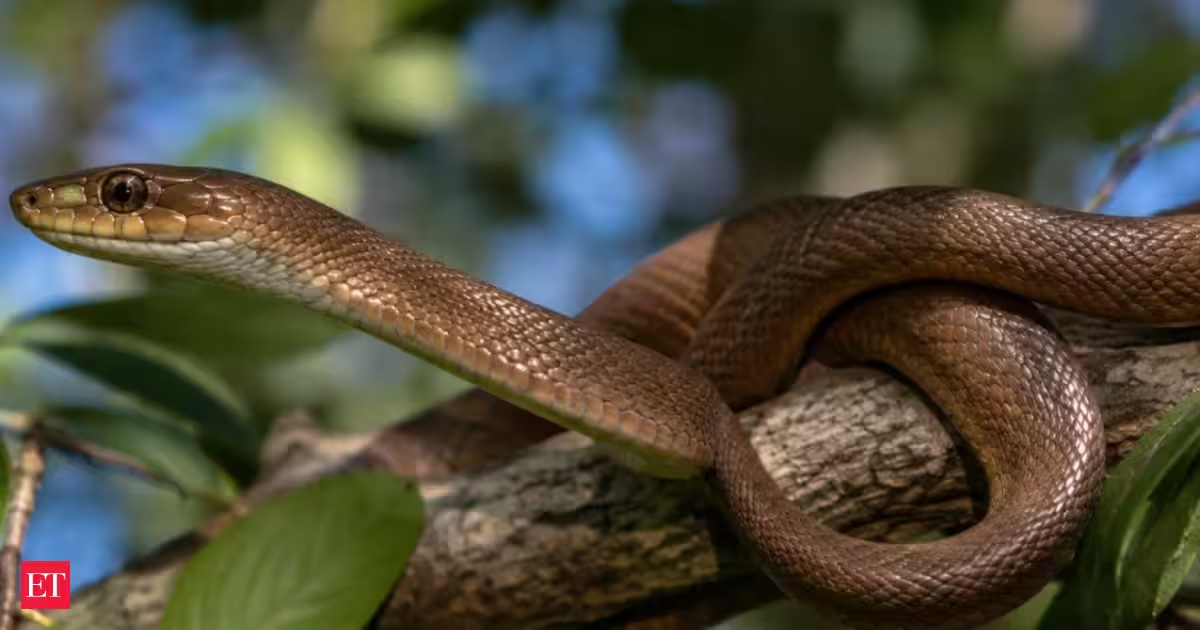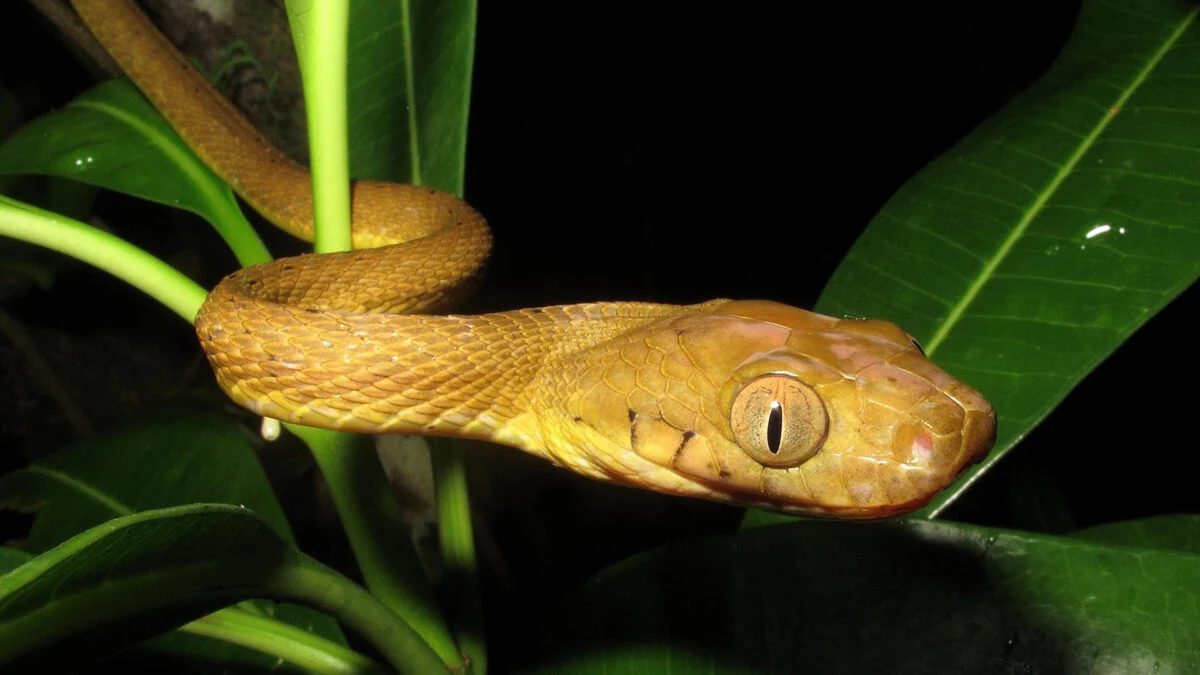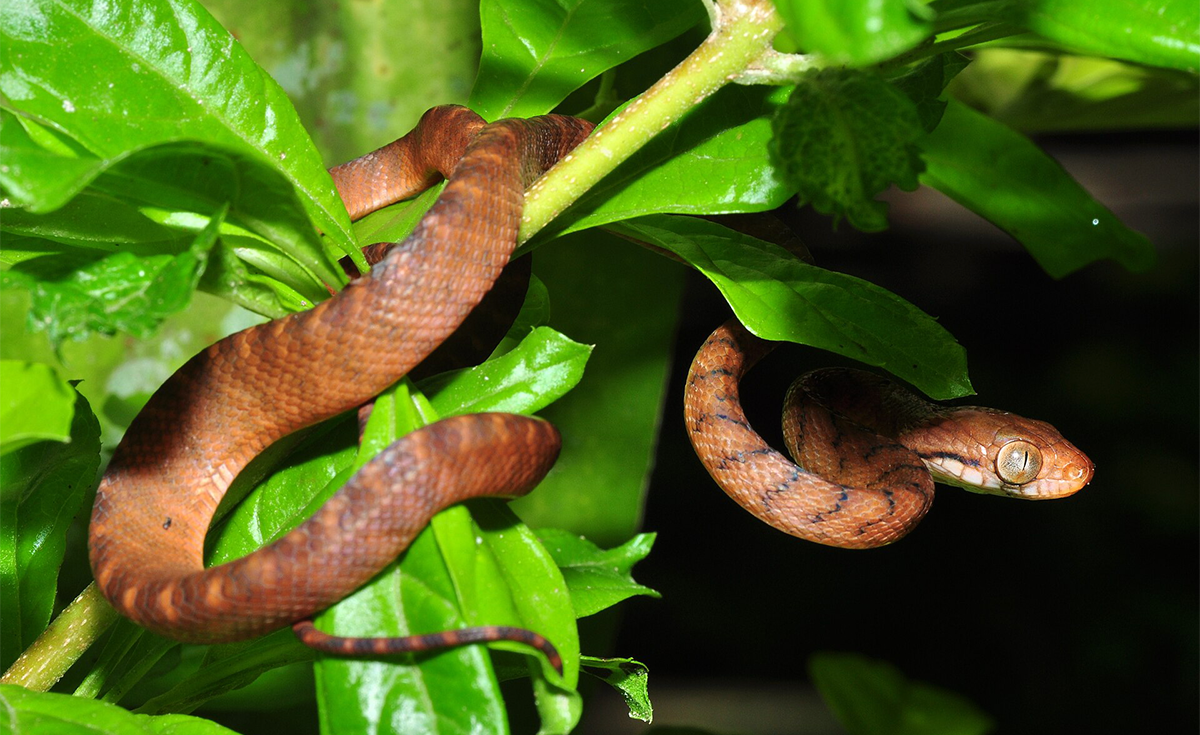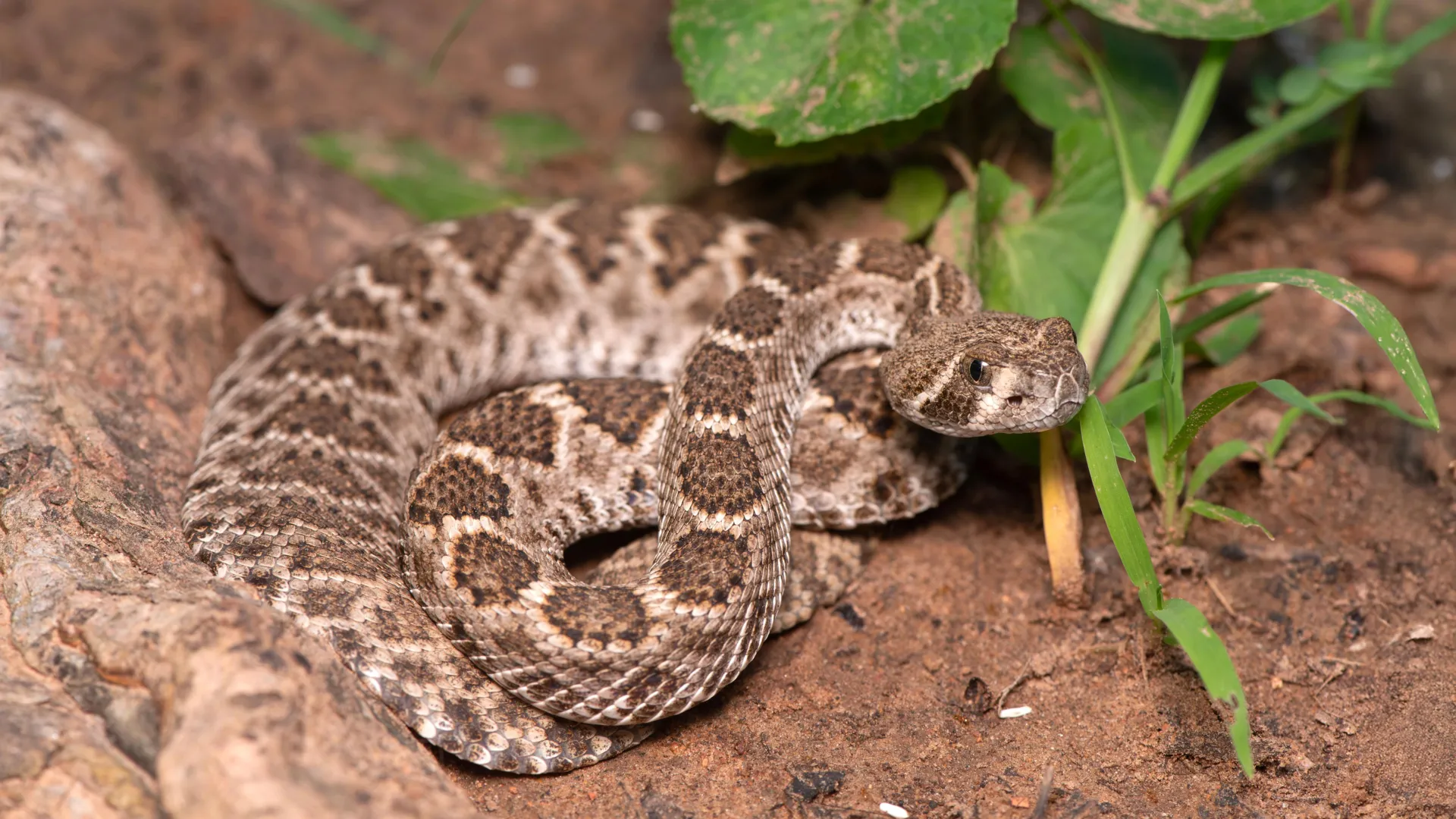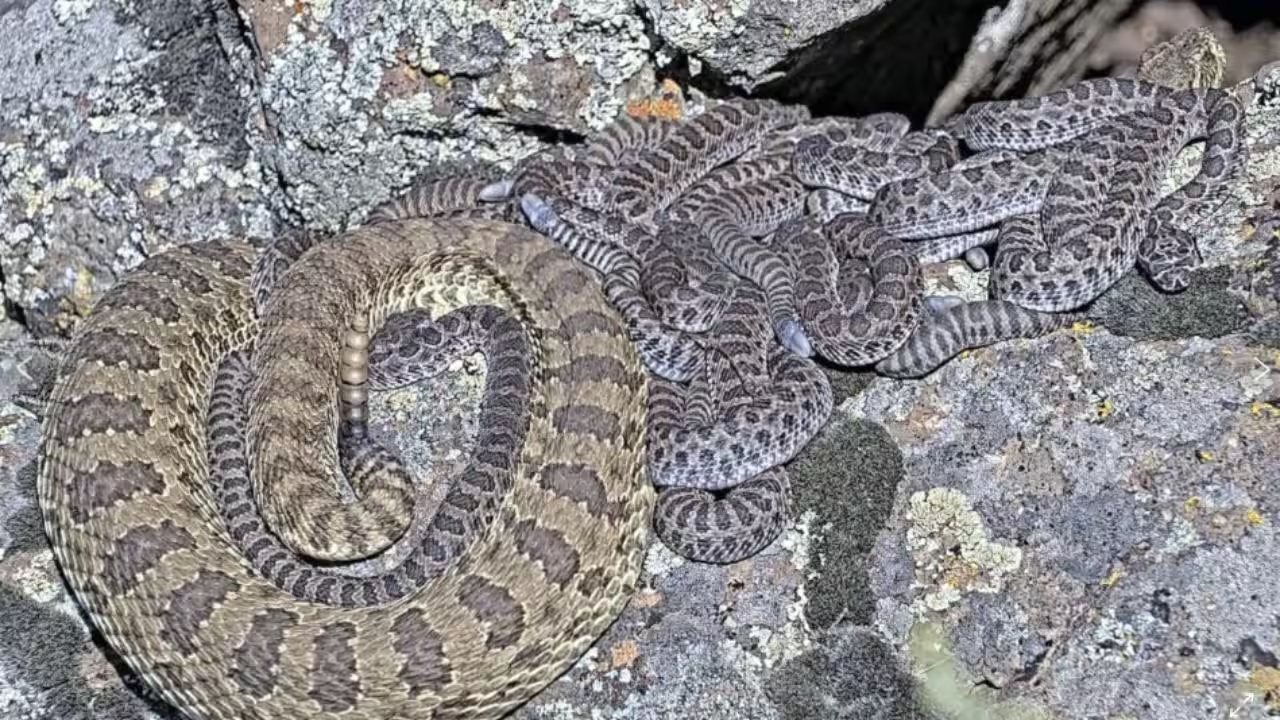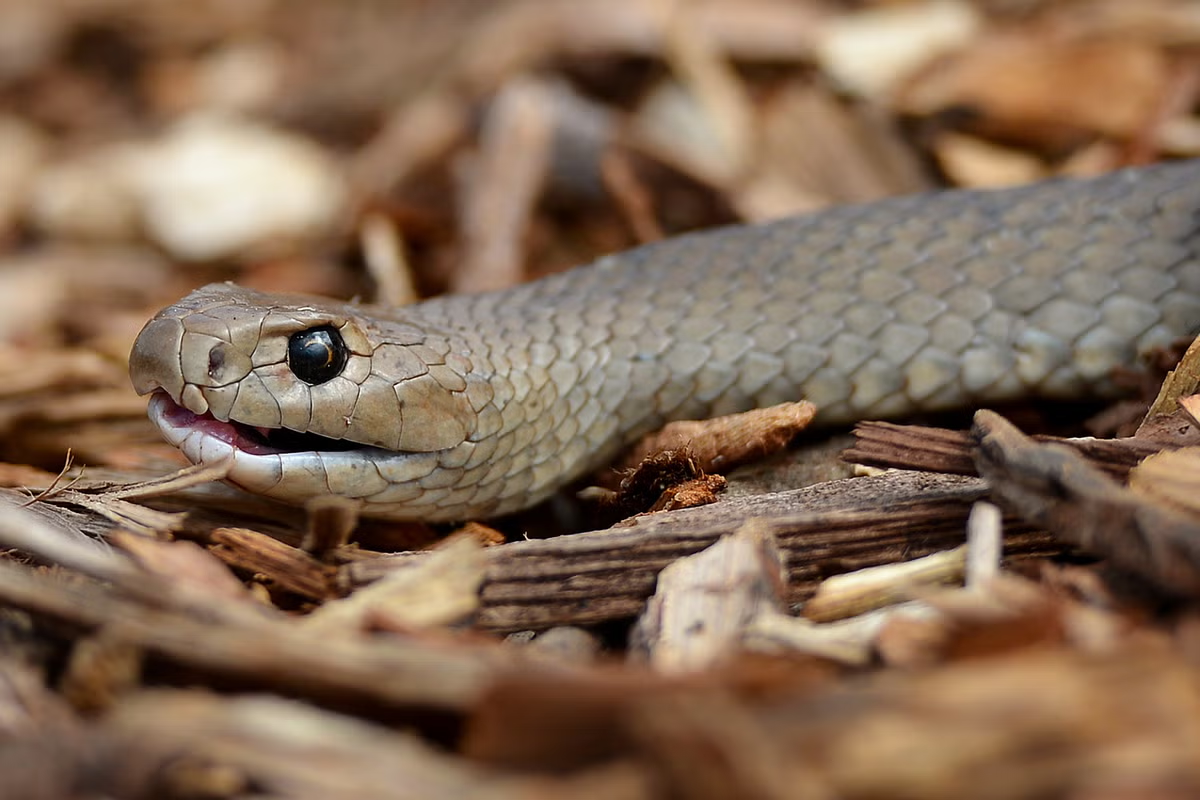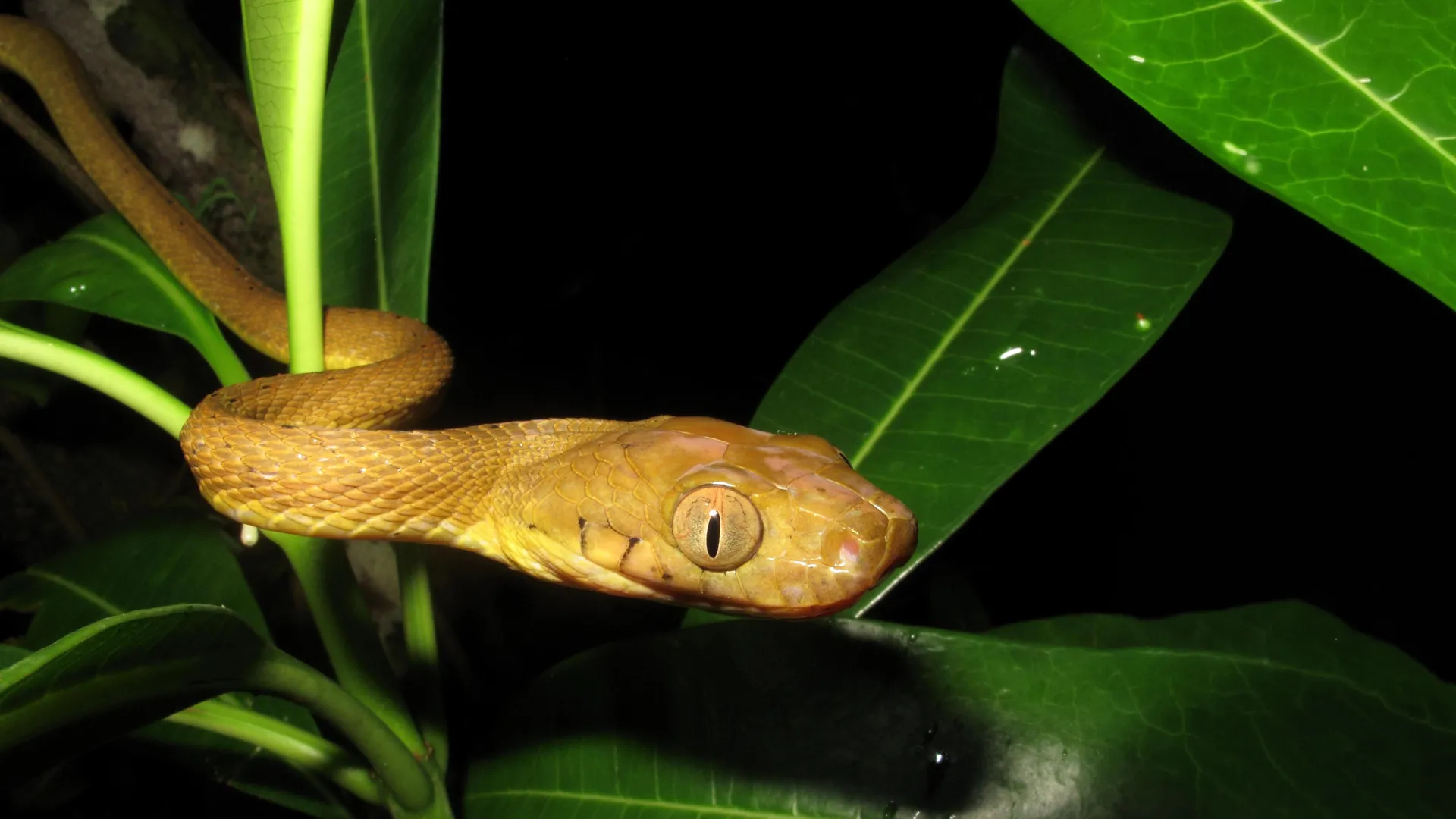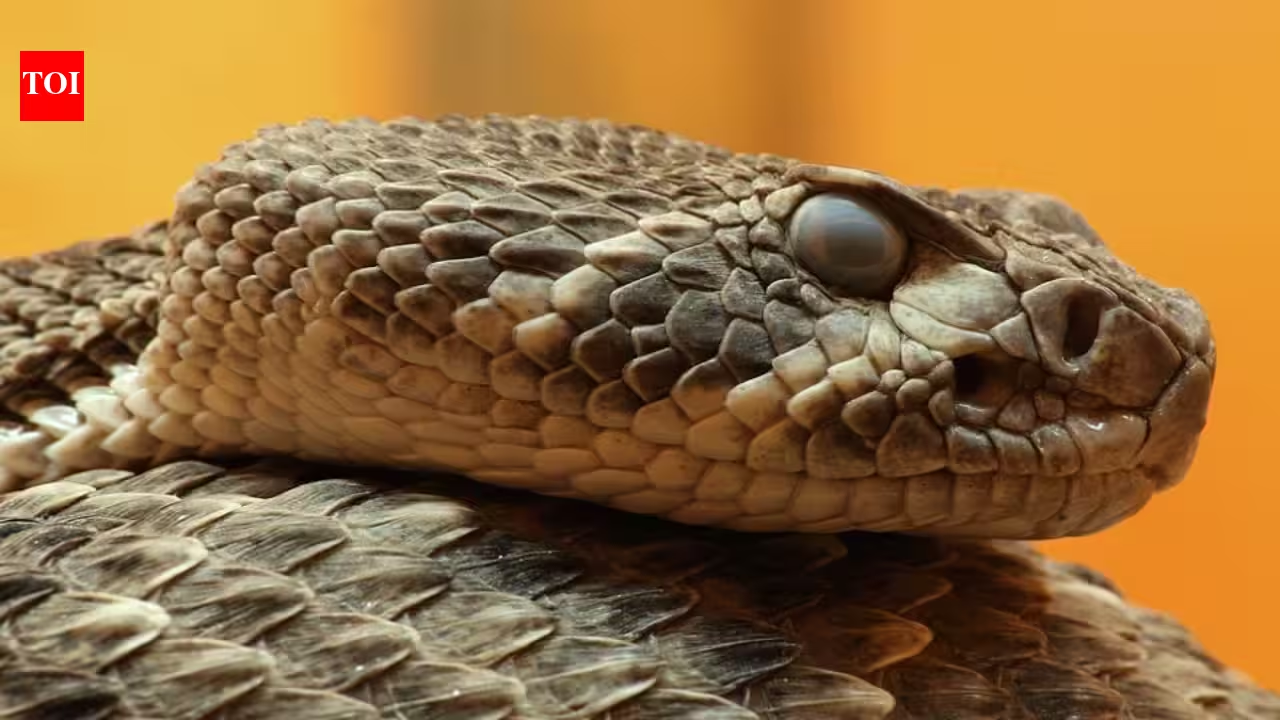
Western Diamondback Rattlesnake, Credits – Wikimedia CommonsAustralian brown snakes do not simply get more dangerous as they grow. Research from the University of Queensland shows their venom actually changes composition entirely between infancy and adulthood, shifting from a formula built to kill lizards into one built to take down mammals.According to research led by molecular biologist Bryan Fry at the University of Queensland's Venom Evolution Laboratory, young brown snakes produce neurotoxic venom, while adults produce venom that interferes with blood clotting. Fry explained that baby brown snake venom is neurotoxic, causing prey to go limp and stop breathing. Once the snake reaches adulthood, its venom shifts to attacking the circulatory system instead, triggering a process that can paralyse rodent prey in a way that resembles an induced stroke. Around half of all human deaths from snakebite in Australia are linked to brown snakes, and while the diluted venom in a human's much larger blood volume will not cause an instant stroke the way it does in smaller prey, victims can still die from internal bleeding if untreated. Additionally, the researchers traced this shift to an ontogenetic change in diet: juveniles focus on lizards, while adults switch to mammals. In the paper, they found that juveniles consistently showed non-coagulopathic venom, whereas adults developed coagulopathic venom; the lone exception was P. modesta, which retained the juvenile-like pattern into adulthood.Why brown snake venom changes with ageThe shift corresponds to what the snake eats at each stage of its life. According to Australian Geographic's coverage of the research, young brown snakes specialise in hunting small reptiles, while older, larger snakes shift toward mammals as their primary prey. Fry described this as a case of parallel specialisation, where the venom's targets changed in step with the prey the snake was targeting at each life stage. The study behind these findings, published in Comparative Biochemistry and Physiology, confirmed this same ontogenetic shift, meaning a shift tied to age and development, from non-coagulating venom in juveniles to blood-clotting venom in adults, across most species in the Pseudonaja genus. Researchers also identified a previously unknown enzyme at work in adult venom, one that activates a blood clotting factor called Factor VII, which helps explain why adult brown snake bites act on the blood so quickly.Ringed brown snake (Pseudonaja modesta), Northern Territory, Australia. Credit - Wikimedia CommonsThe one species that never made the switchNot every brown snake species follows this pattern. Pseudonaja modesta is the sole exception among the nine currently recognised brown snake species, retaining the same lizard-targeting, non-coagulating venom into adulthood rather than shifting toward the mammal-targeting formula seen in its relatives. Researchers describe this species as neotenic in this trait, meaning it retains a juvenile characteristic into adulthood. Two other species show partial departures from the typical pattern as well. Pseudonaja inframacula continues feeding predominantly on reptiles even as an adult, while Pseudonaja guttata incorporates a large proportion of frogs into its adult diet, roughly 40 per cent of its total prey. These exceptions matter because they show the venom shift is tied specifically to what each species actually hunts, not simply to age on its own.Why this matters for snakebite treatmentThis has practical implications. Fry noted that current antivenom is formulated specifically to neutralise the blood clotting effects found in adult brown snake venom. Because juvenile venom works through a different neurotoxic mechanism, existing antivenom may not treat a young snake's bite as effectively as an adult's, Fry's team said. Adult snakes do still carry low levels of the neurotoxins found in juvenile venom, leaving open the possibility that antivenom could partially cross-react even in cases involving an older snake. For emergency responders and doctors treating snakebite victims in Australia, knowing a snake's approximate age, alongside its species, could end up mattering just as much as identifying which brown snake actually delivered the bite in the first place. Fry's team has continued investigating exactly how well existing antivenom performs against the neurotoxic effects found specifically in juvenile venom, since the current formula was designed and tested primarily around the coagulation effects seen in adult snakes.Brown snakes are found across mainland Australia, with eastern brown snakes also present in New Guinea, meaning this age-related venom shift is relevant across a genuinely wide geographic range rather than one isolated population. Fry has described the broader research as a clear example of how studying basic evolutionary biology can produce direct, practical benefits for human health, since a discovery about diet and evolution ended up reshaping how clinicians might eventually think about treating a snakebite based on more than just the species involved.
Australian brown snakes change their venom as they age, shifting from lizard-targeting neurotoxins to mammal-targeting blood-clotting toxins
Australian brown snakes do not simply get more dangerous as they grow. Research from the University of Queensland shows their venom actually changes composition entirely between infancy and adulthood, shifting from a formula built to kill lizards into one built to take down mammals.
764 words~3 min read