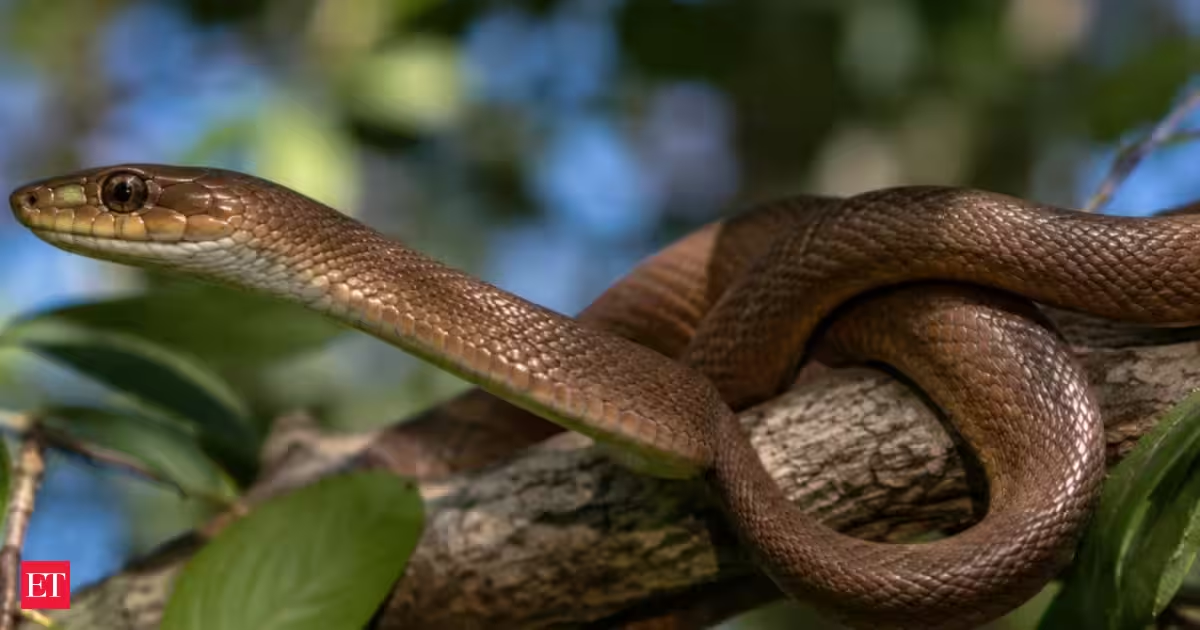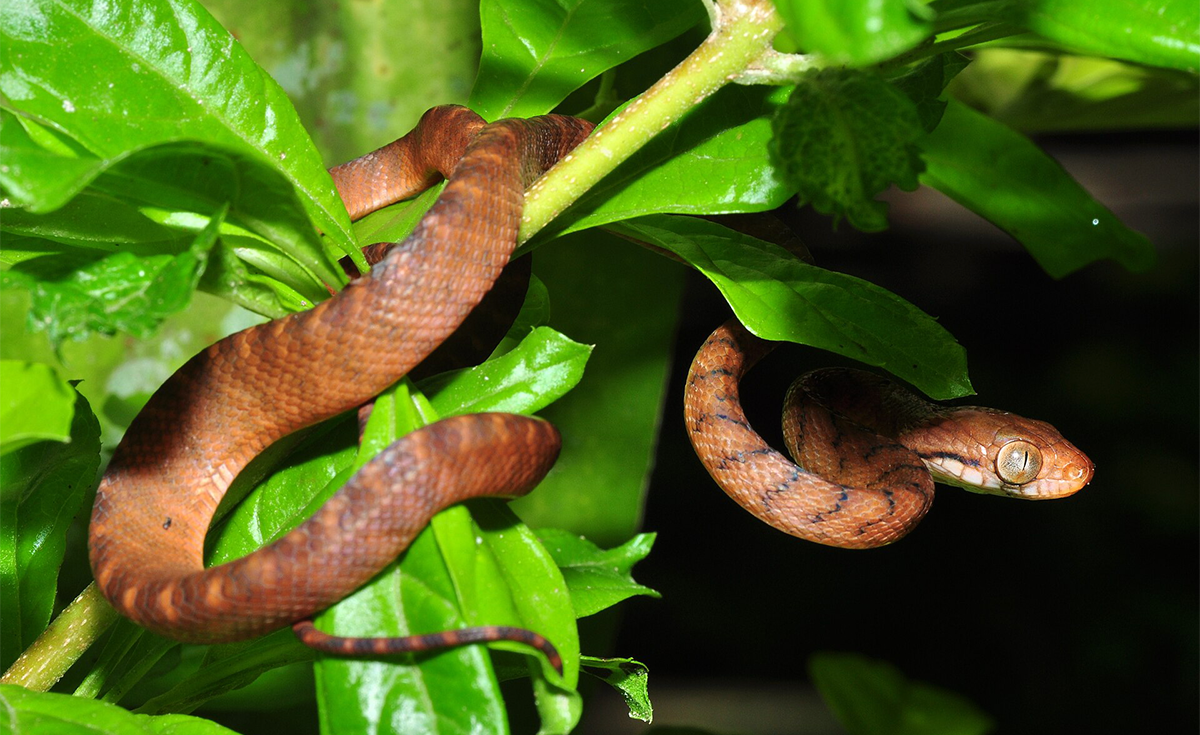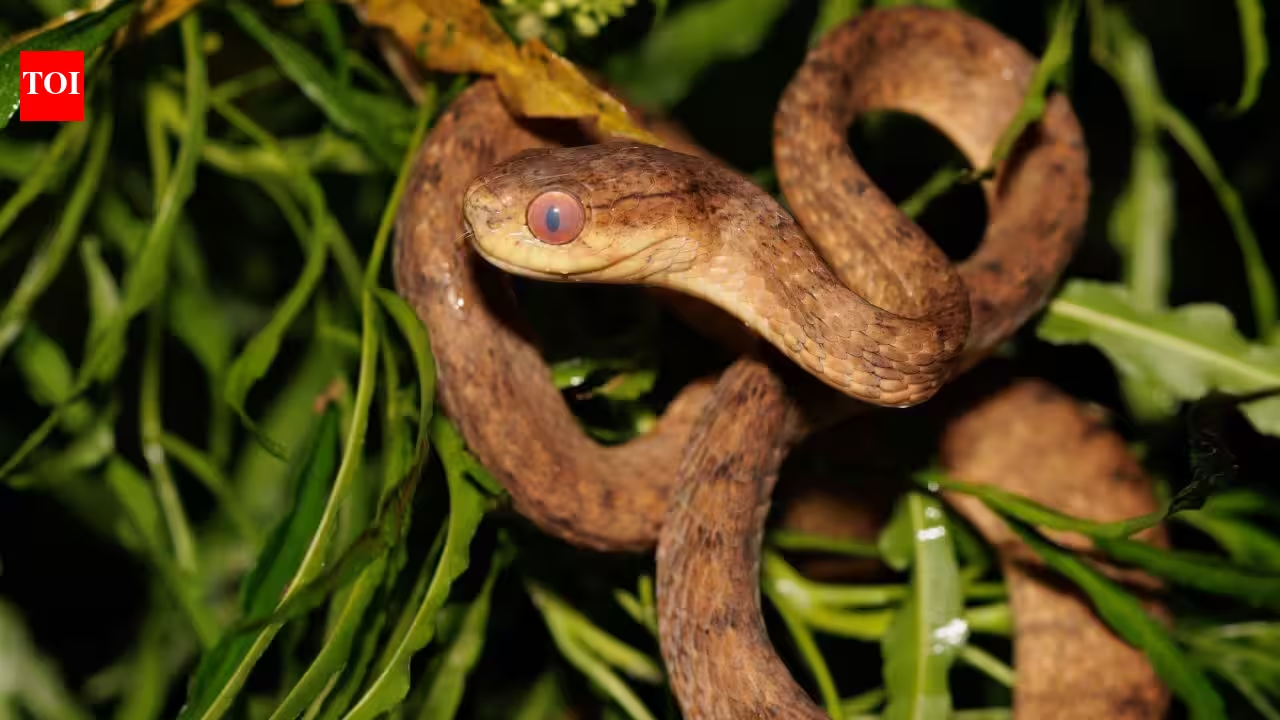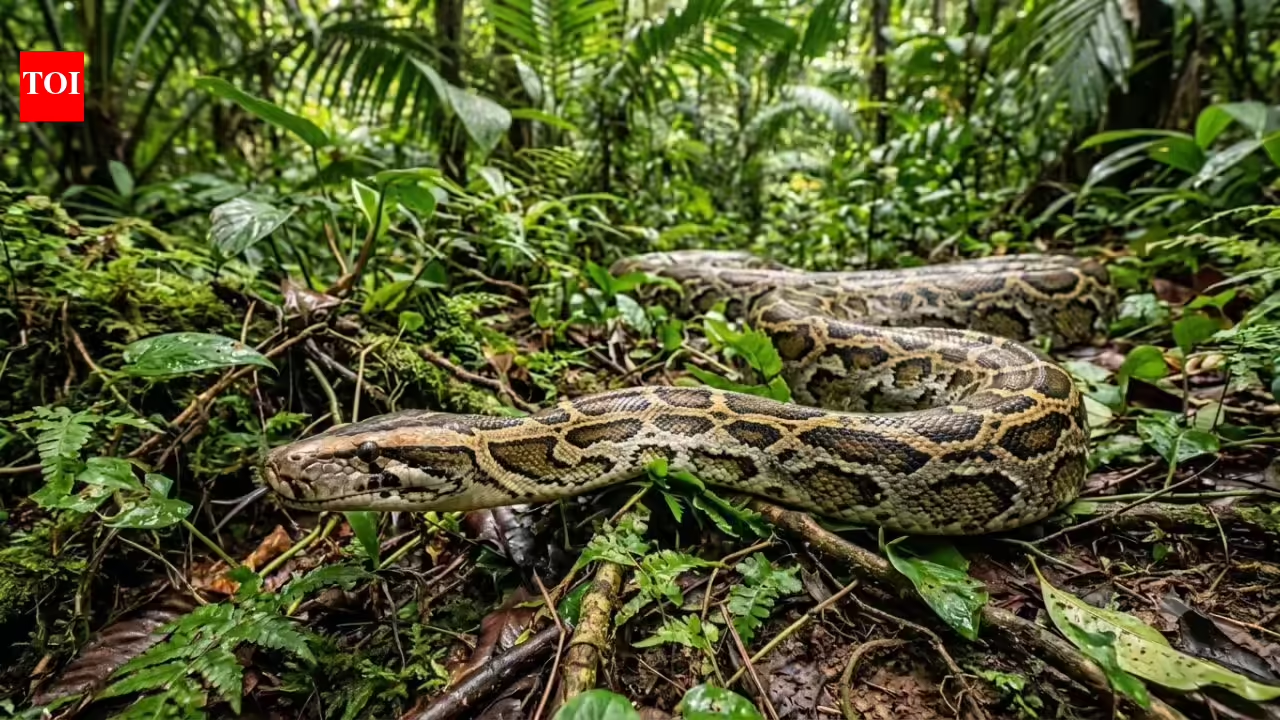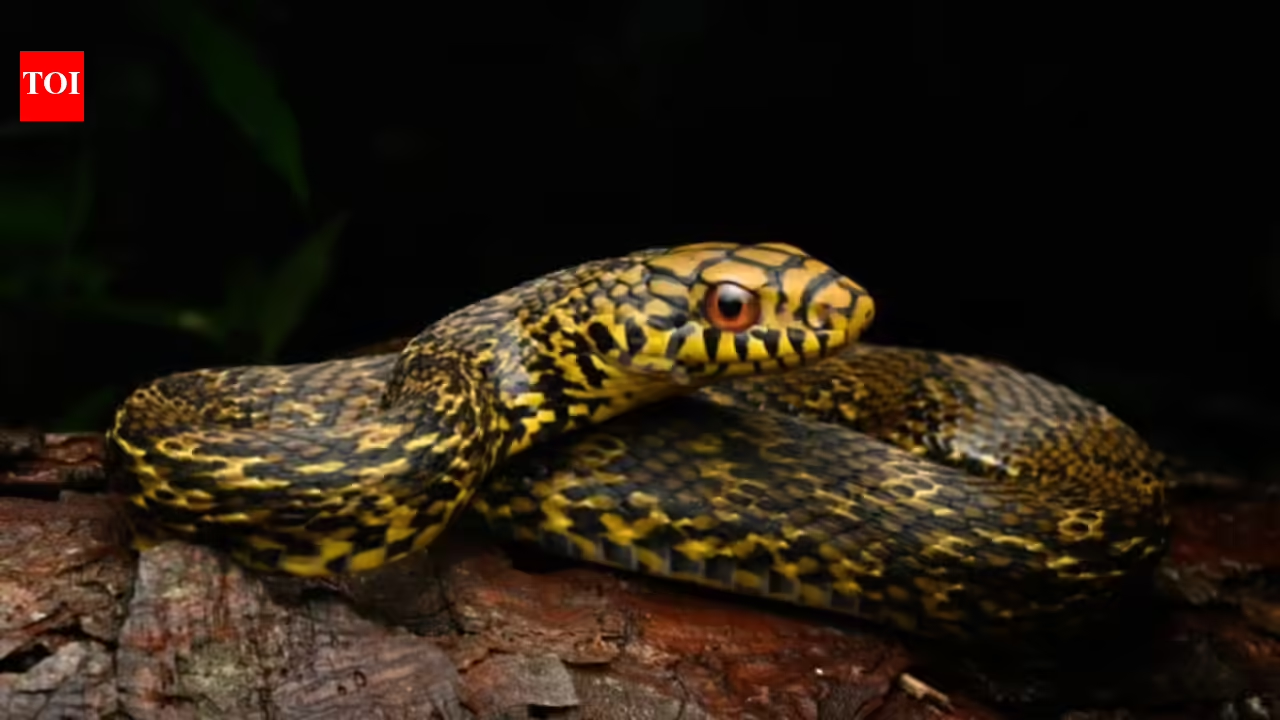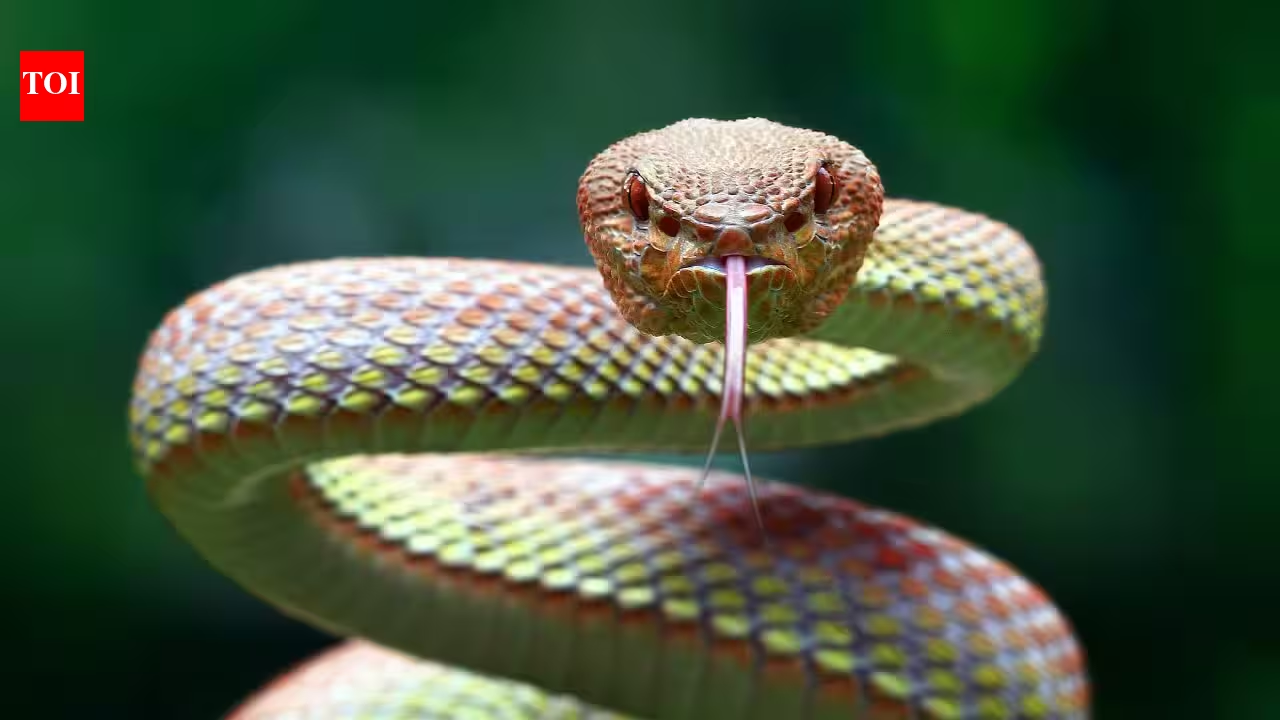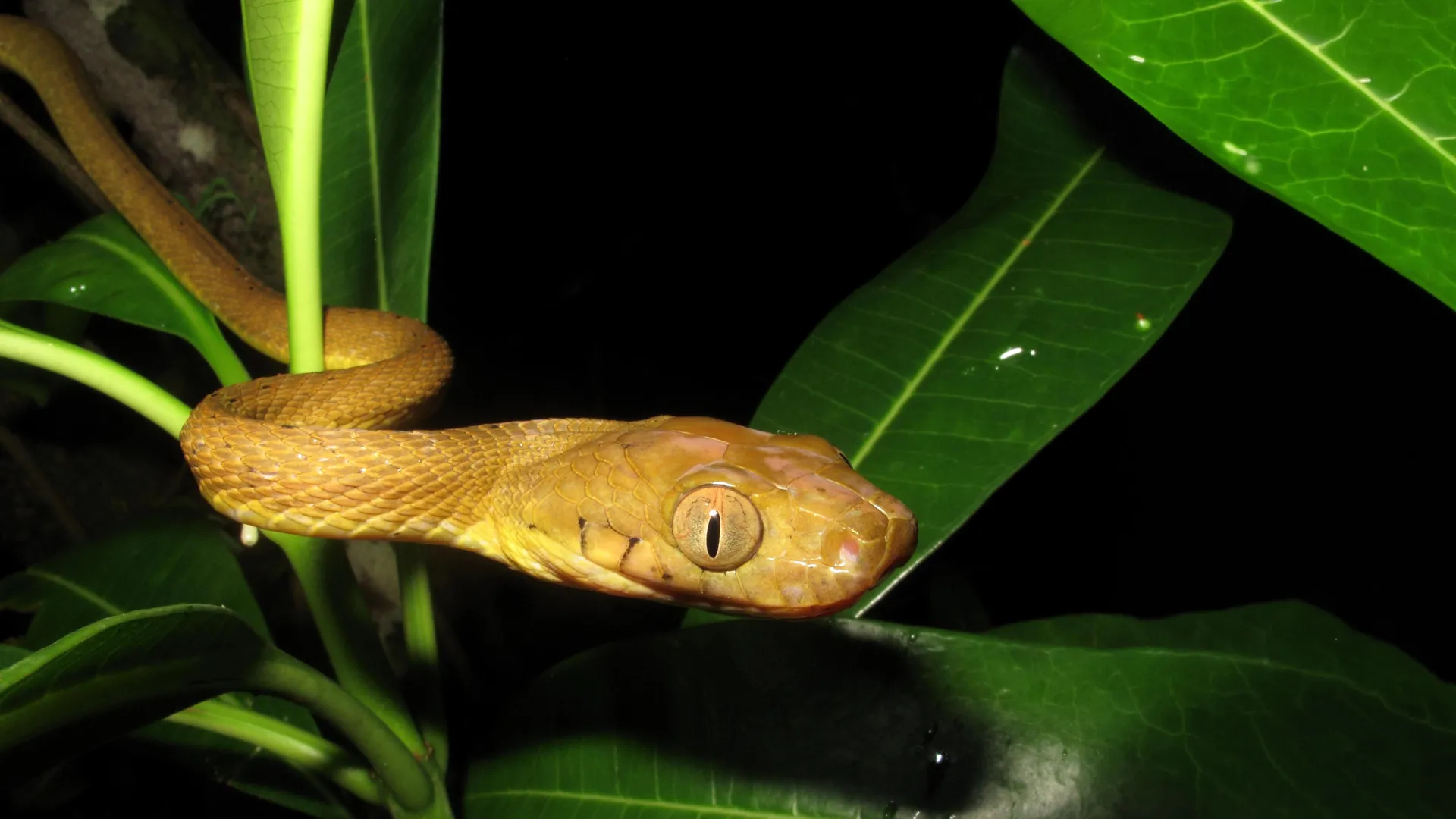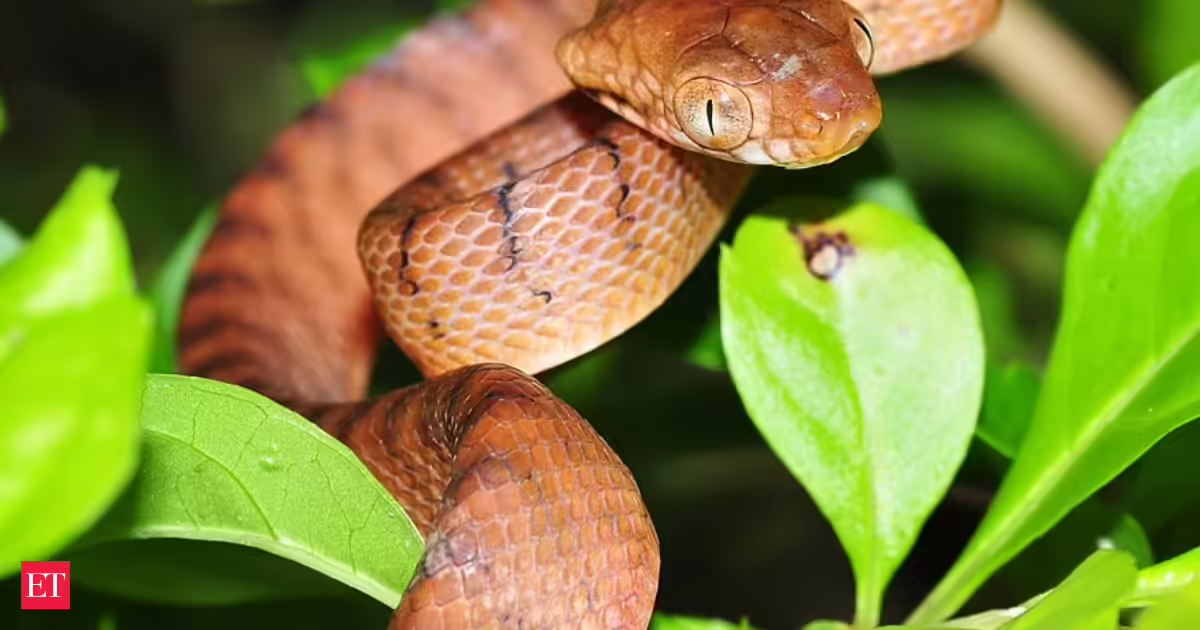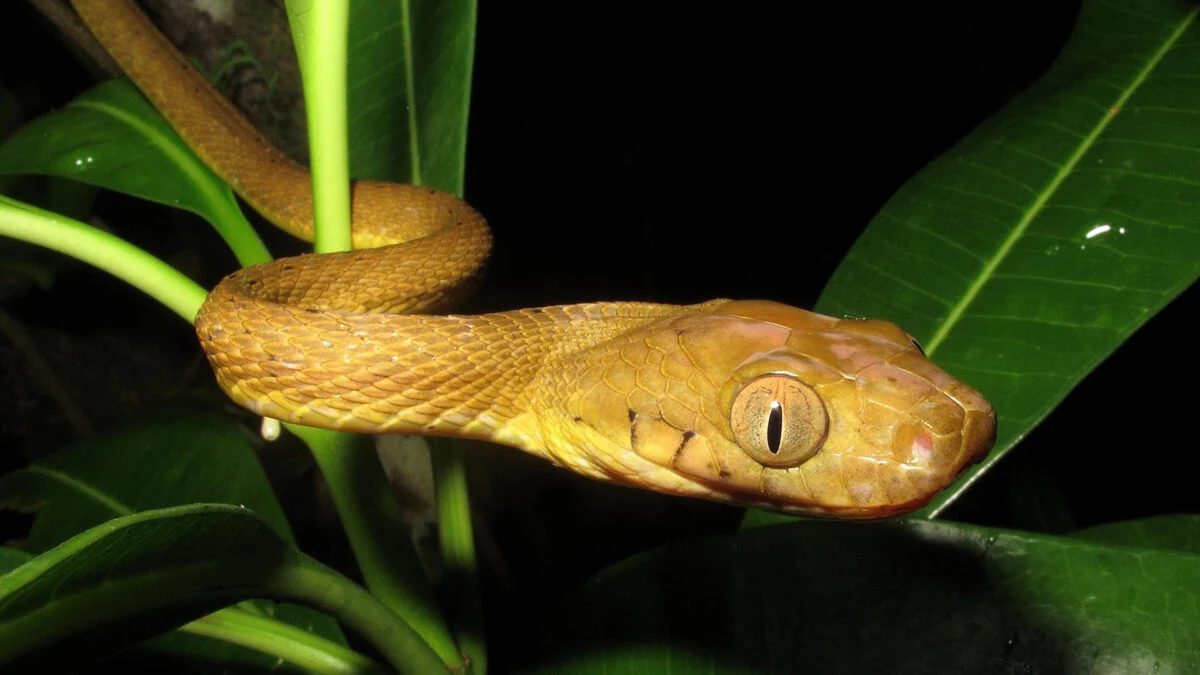
Brown tree snakes are a textbook example of an invasive species. Sometime after World War II, the snakes took over Guam’s native forests, caused power outages, and generally caused a lot of unwanted chaos. A new study now suggests that the snakes’ “success” depends on their unexpected genetic diversity. The small number of brown tree snakes initially introduced to Guam should have created a genetic bottleneck for the invaders as inbreeding should have limited their ability to adapt and proliferate—except that’s not what happened. In a recent paper published in Science Advances, scientists describe how an extensive genetic study of the snakes revealed thousands of variations in their genome. As a result, despite starting out in small numbers, the snakes were able to reach densities as high as 30,000 individuals per square mile in the United States. “It’s possible that endangered species may have more flexibility in their genes than we realize,” Christopher Osborne, the study’s first author and currently an aquatic biologist with State University of New York Oswego, said in a statement. “We’re now getting a better understanding of unappreciated sources of genetic diversity that may explain how some inbred species can still respond to their environment.”
Inbreeding Should Have Slowed Down These Pesky Brown Tree Snakes. Well…
A study of the invasive brown tree snake genome found that, despite high levels of inbreeding, the snakes' genes found a way to thrive.
603 words~3 min read