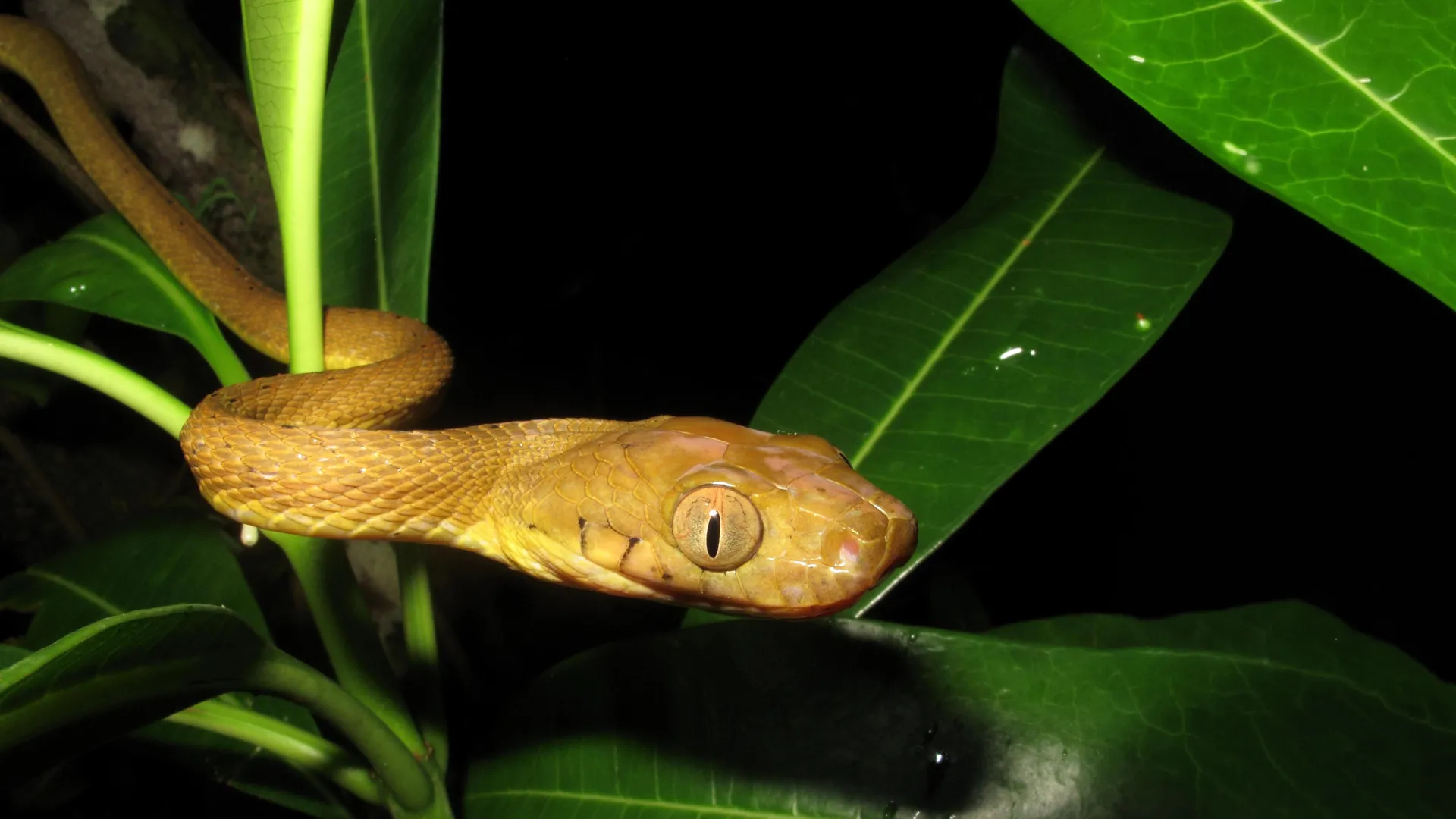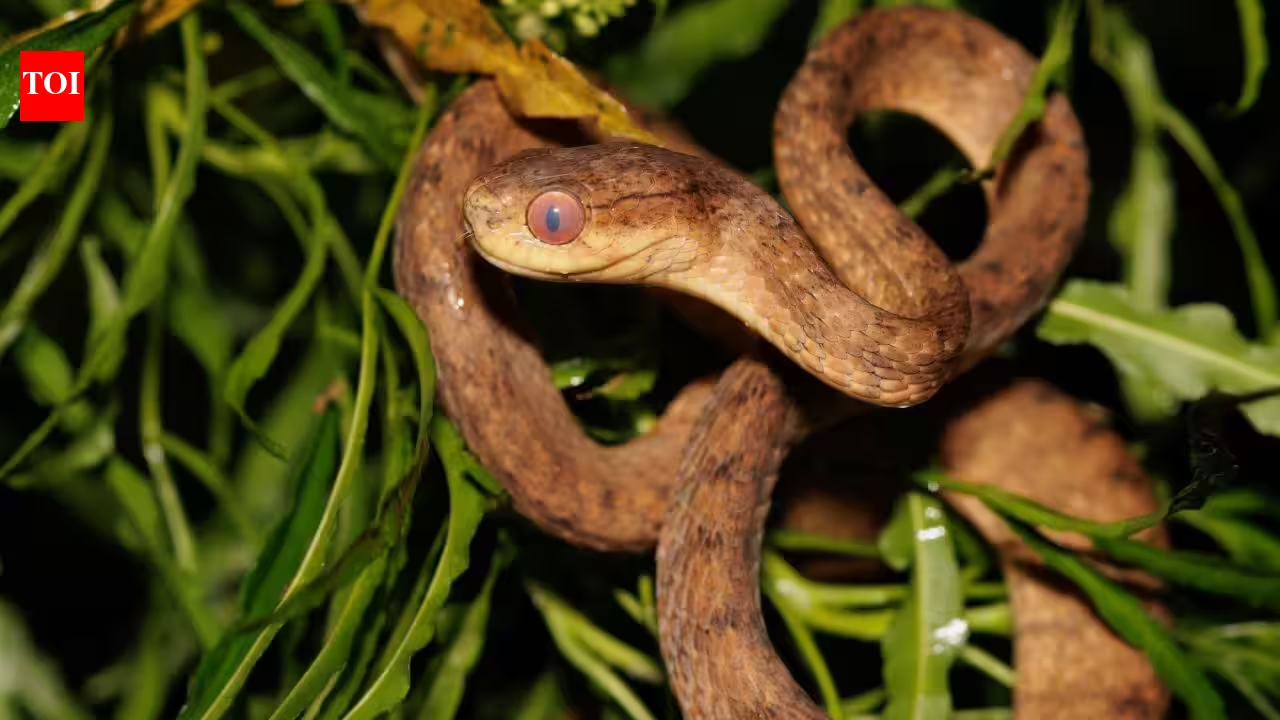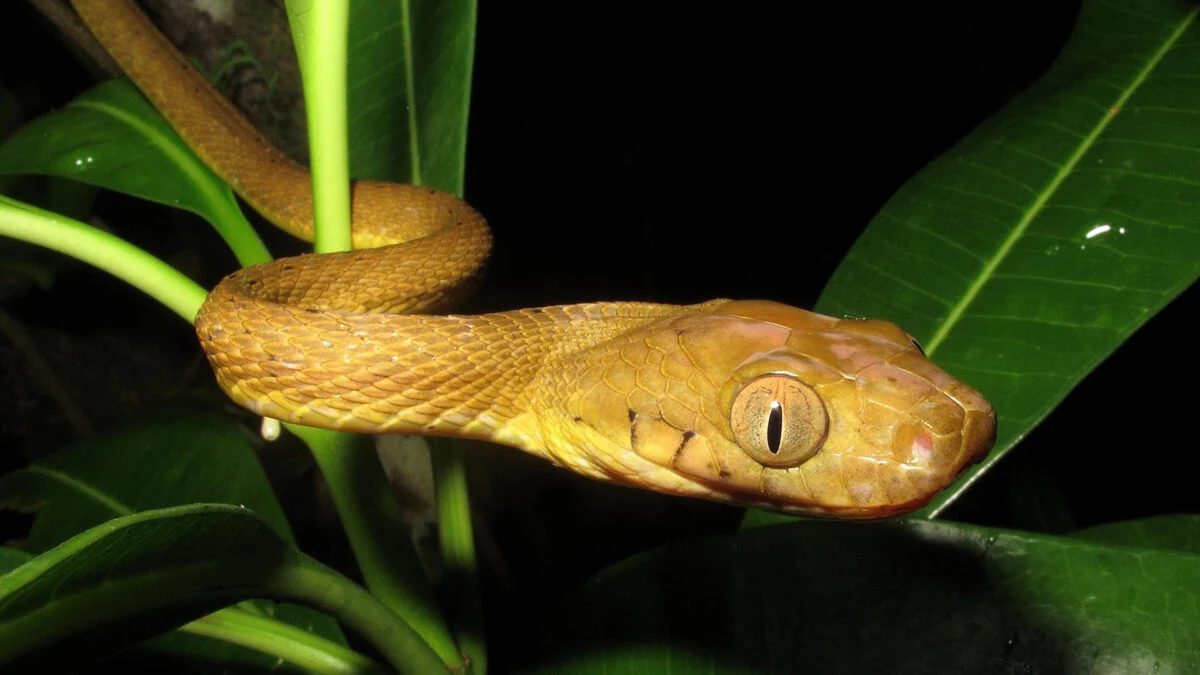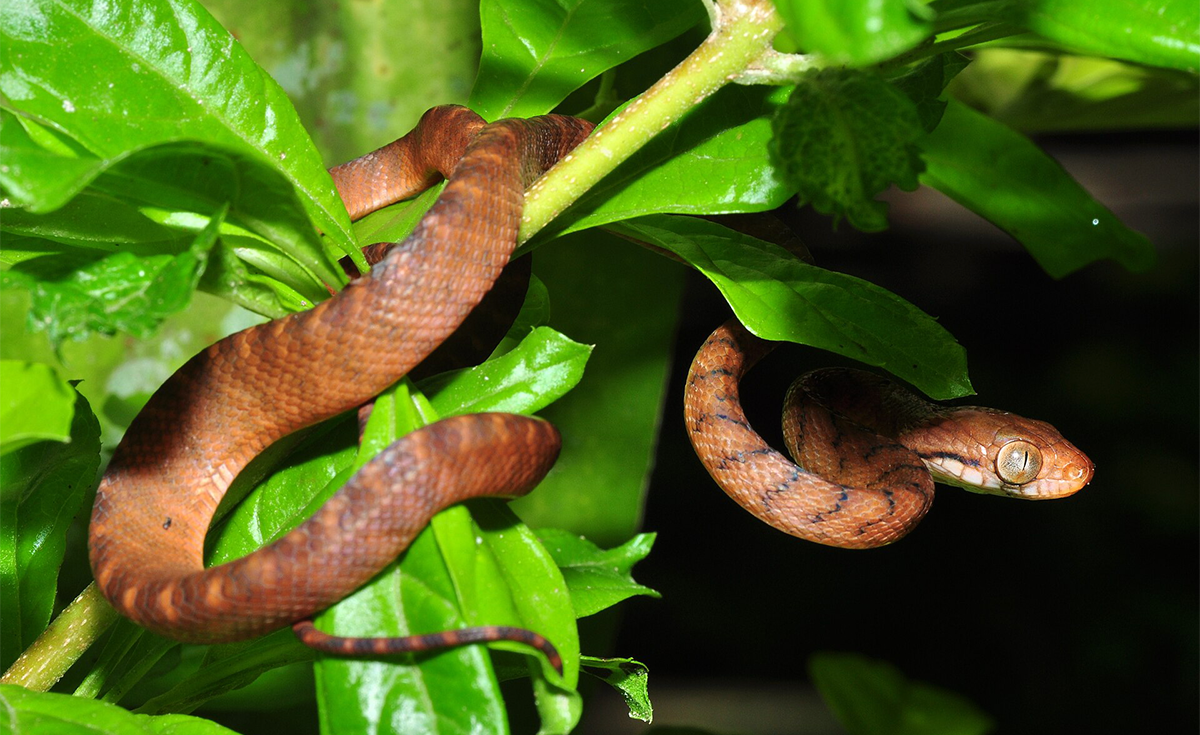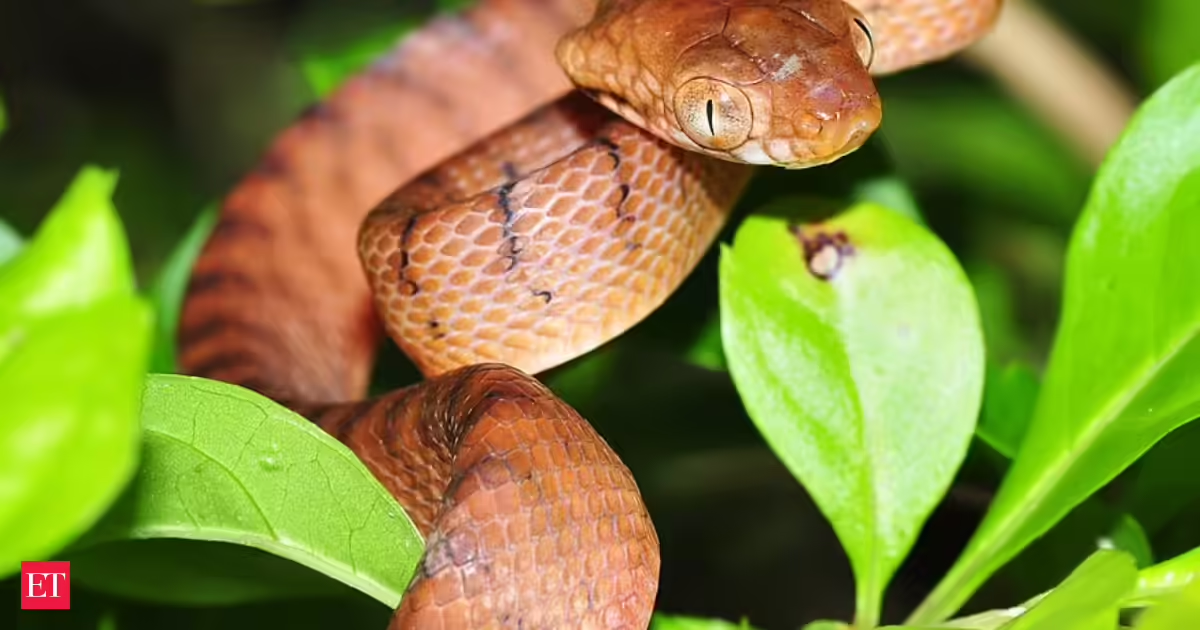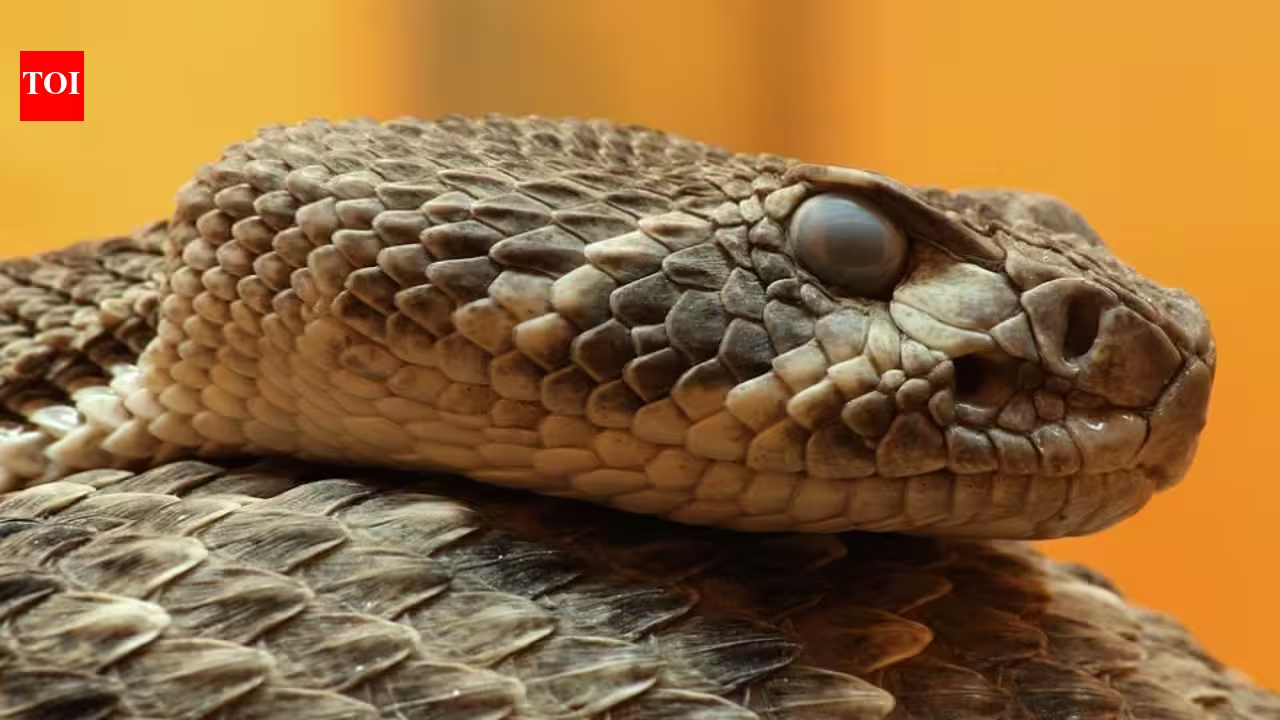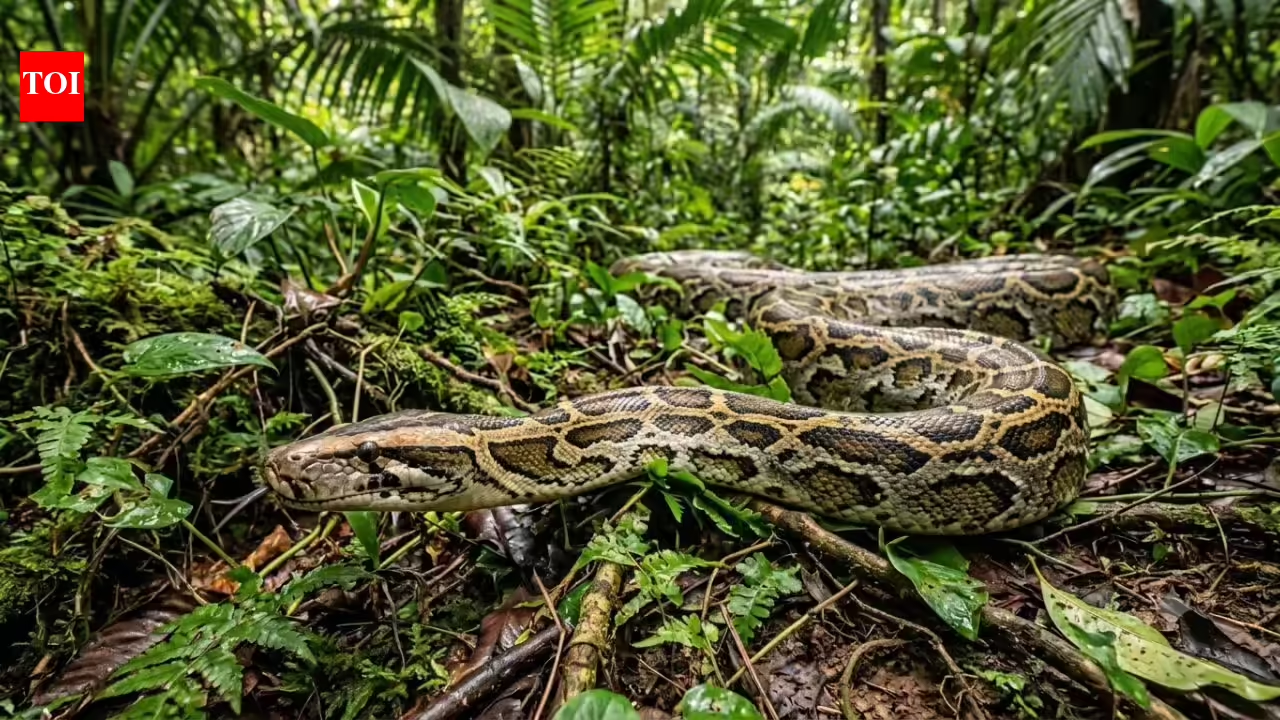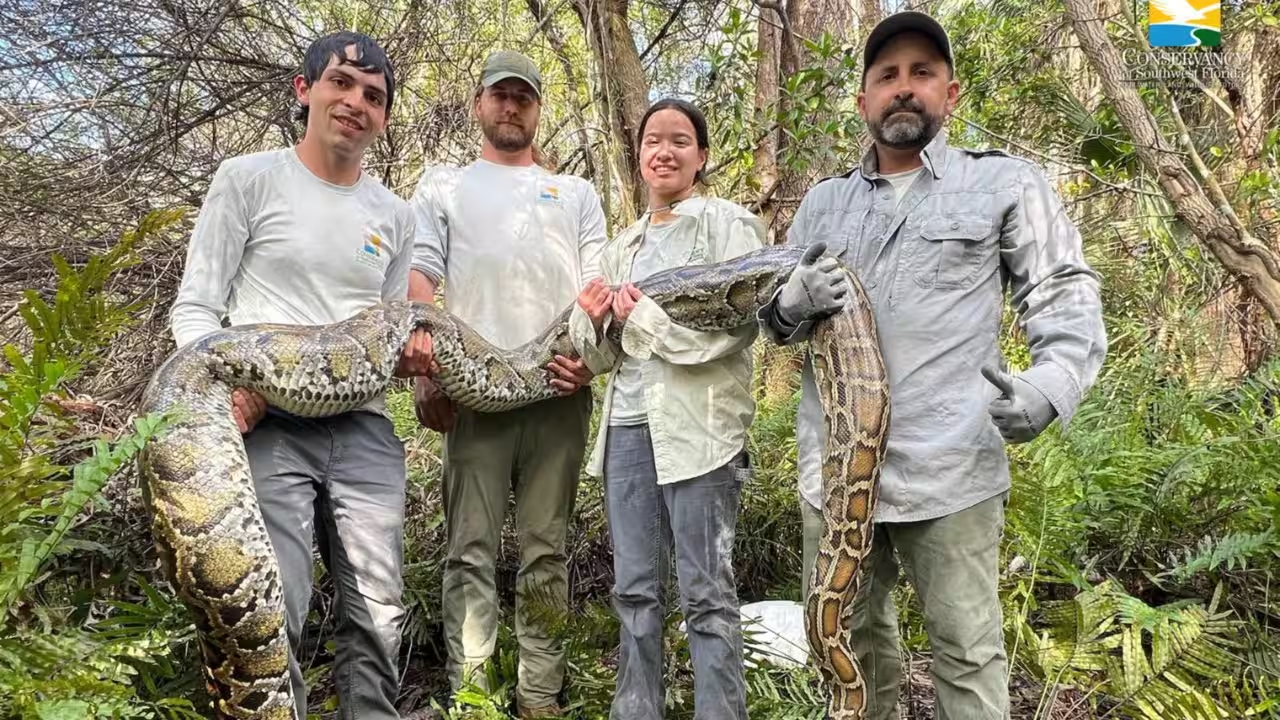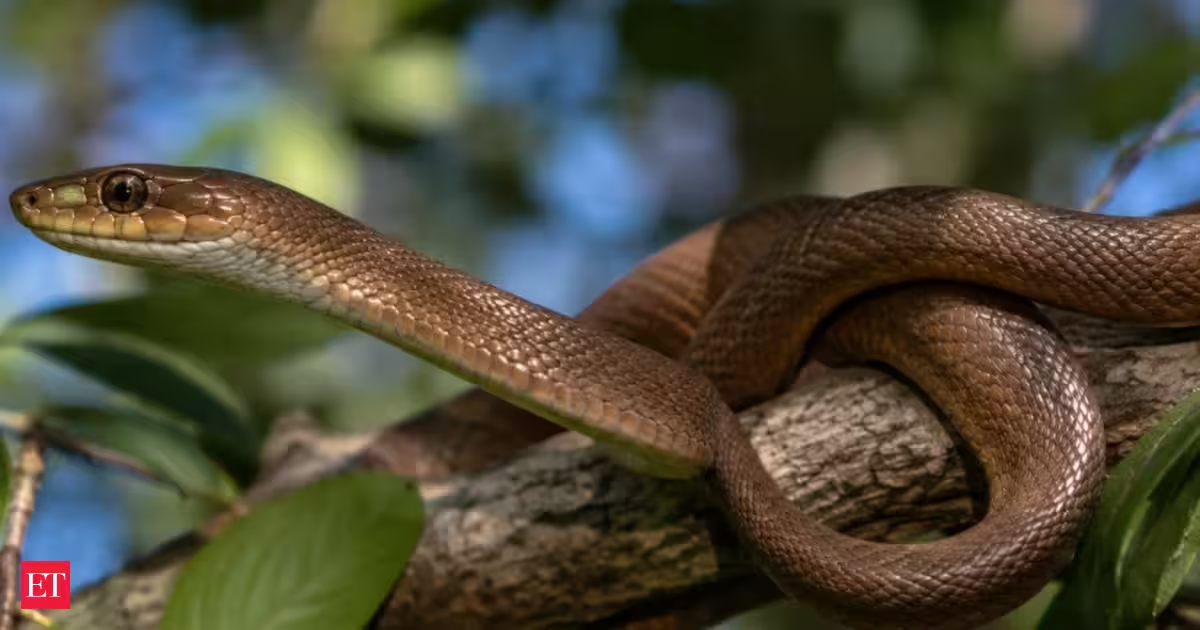
The brown tree snake has become one of the world’s most recognized examples of an invasive species, a long‑standing mystery for biologists because Guam’s population is believed to have started with only a small number of snakes. Native to Australia and the South Pacific, the snake likely reached Guam sometime after World War II, possibly by hiding aboard military cargo planes, according to online platform Science Daily.With their arrival, brown tree snakes brought devastating trouble to Guam. The species has driven many of the island’s native forest birds to local extinction and causes hundreds of power outages each year by climbing utility poles and electrical equipment, according to Science Daily.How Brown Tree Snakes left biologists perplexedIn some parts of the U.S. territory, brown tree snake populations have climbed as high as 30,000 per square mile. The invasion has long baffled biologists, since Guam’s population is believed to have begun with only a small number of snakes.Ordinarily, such a limited founding population creates a severe genetic bottleneck. With fewer genetic differences to tap into, inbreeding would typically reduce a species’ ability to adapt and make rapid population growth far less likely.Brown tree snakes possess thousands of variationsResearchers at the University at Buffalo, in a study published July 24 in Science Advances, report that brown tree snakes carry far more genetic variation than scientists once thought. According to the study, researchers from UB and the US Geological Survey (USGS) used advanced long-read sequencing to examine large sections of the snake's genome.They uncovered thousands of structural variants, including DNA segments that had been duplicated, deleted, or rearranged, as per Science Daily. Many of these variations were concentrated in genes related to immunity and smell.The discovery helps explain how a handful of snakes managed to survive inbreeding, adjust to Guam’s environment, and expand at such a scale. "The brown tree snake is maybe not wildly diverse, but it has important sources of genetic diversity that have been underappreciated," says the study's corresponding author, Trevor Krabbenhoft, PhD, associate professor in the UB Department of Biological Sciences, as quoted by Science Daily.ALSO READ: Brazilian scientist who defied a dictatorship bought 63 African queen bees in 1956; a year later, 26 escaped and became one of America's most notorious invasive insects
How Australia’s Brown Tree snakes reached Guam after World War II and left biologists baffled by the invasion
Brown tree snakes, an invasive species on Guam, have baffled biologists for years. Their population is believed to have started with only a small number of snakes. New research reveals these snakes carry thousands of genetic variations, which aids adaptation. This genetic diversity helps them survive inbreeding and expand rapidly.
374 words~2 min read