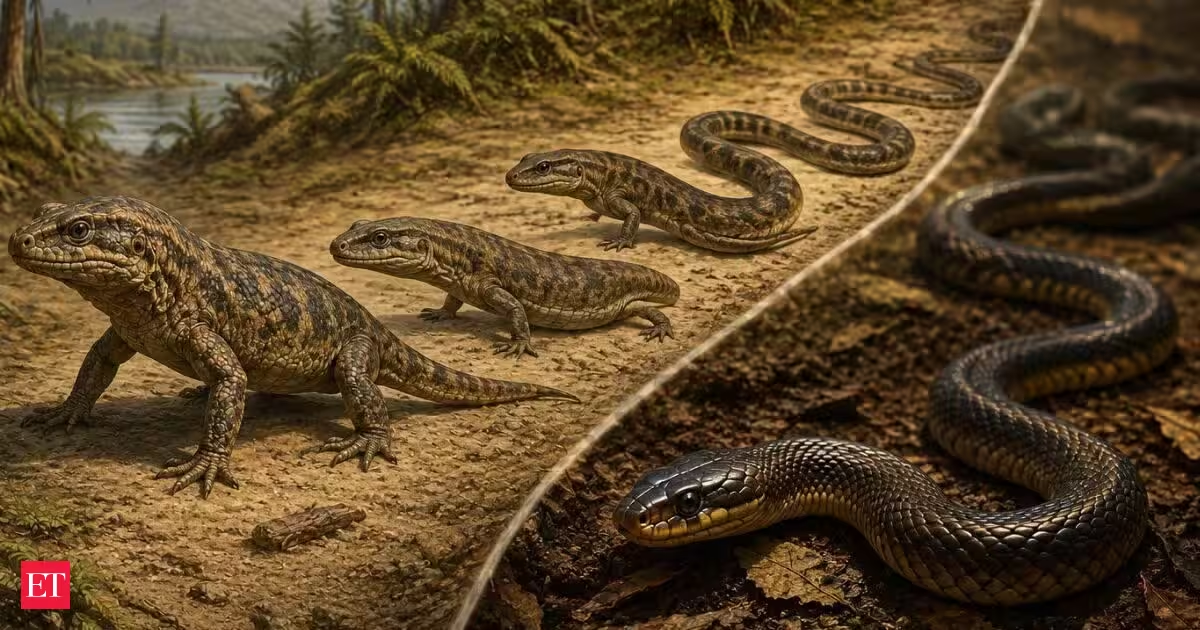
More than 4,000 snake species live today, all descended from heavily modified lizard ancestors. Yet scientists still do not fully understand how snakes developed their long, limbless bodies. Because early snake fossils are rare, researchers have struggled to determine which environments and behaviors shaped their evolution.
For many years, the debate centered on two main possibilities. Some scientists proposed that snakes first became elongated and limbless while adapting to underground life, while others argued that the body plan emerged in aquatic environments. New research published in Nature suggests the answer was more complicated. Instead of following a single ecological route, early snakes appear to have occupied several habitats and developed different sensory adaptations.
"Our findings show that early snakes had already achieved remarkable ecological and morphological diversity by the Late Cretaceous, around 80 million years ago," says lead author Tiago Simões, Assistant Professor at Princeton University.
An Exceptionally Preserved Ancient Snake
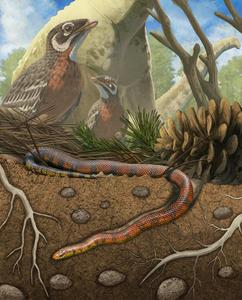
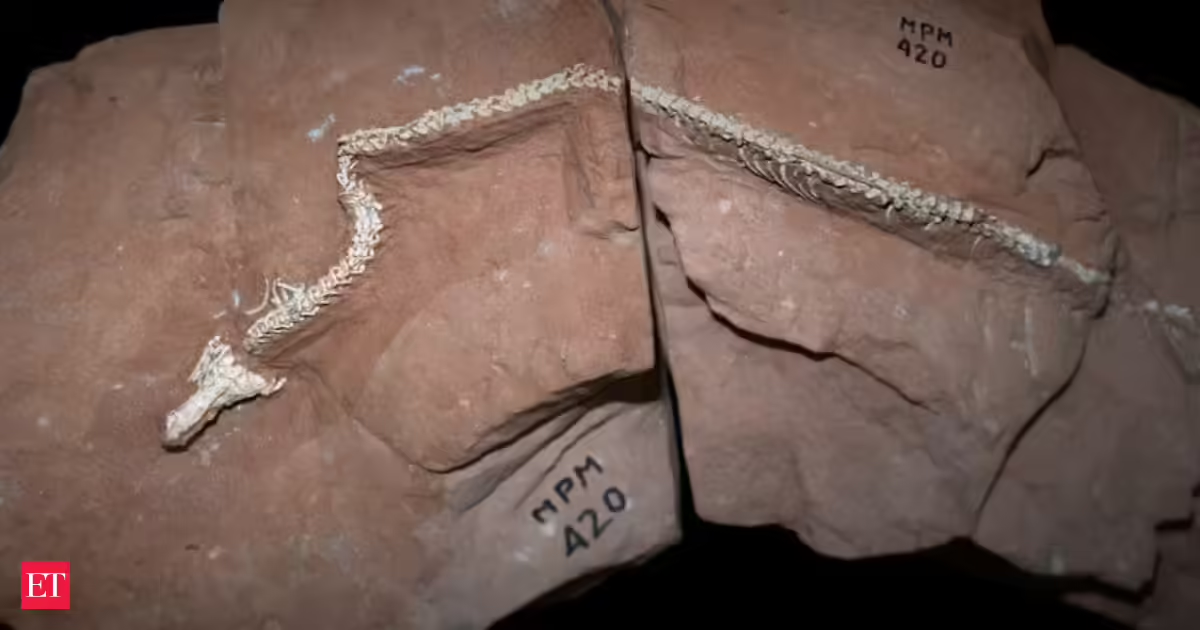
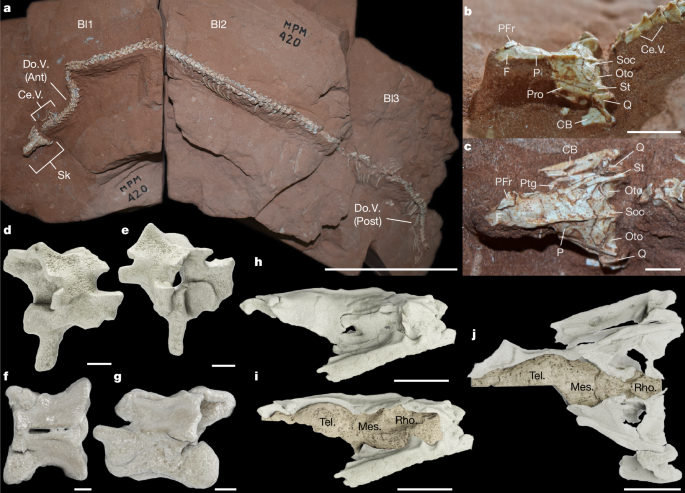
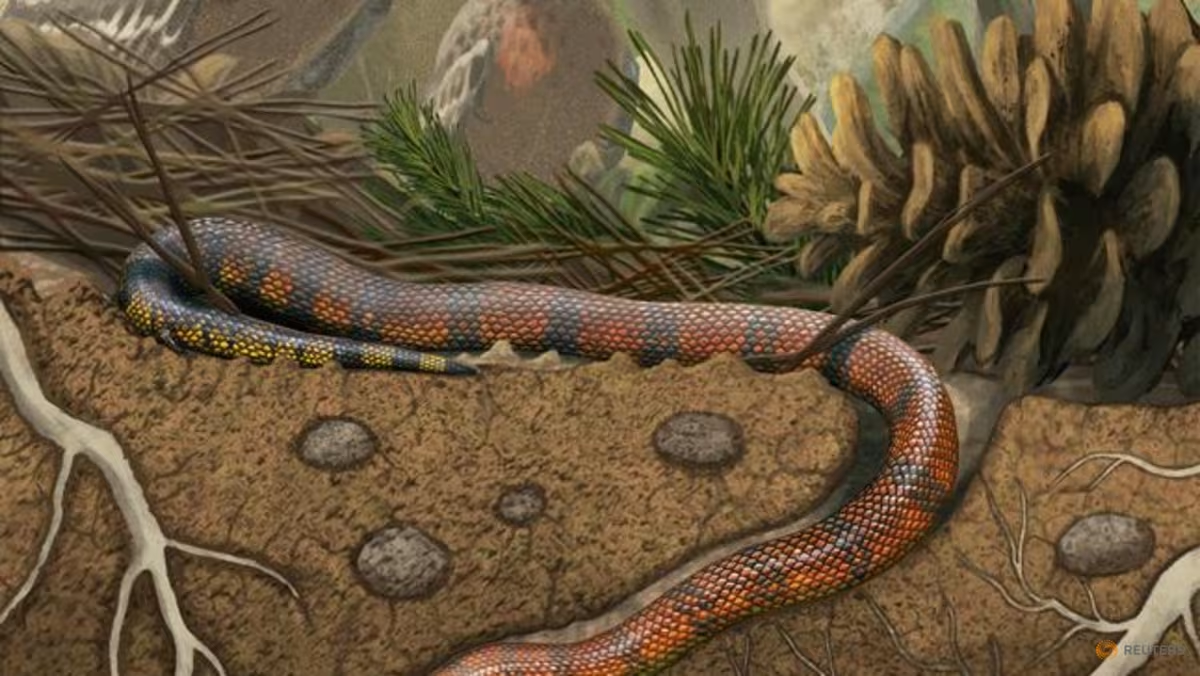
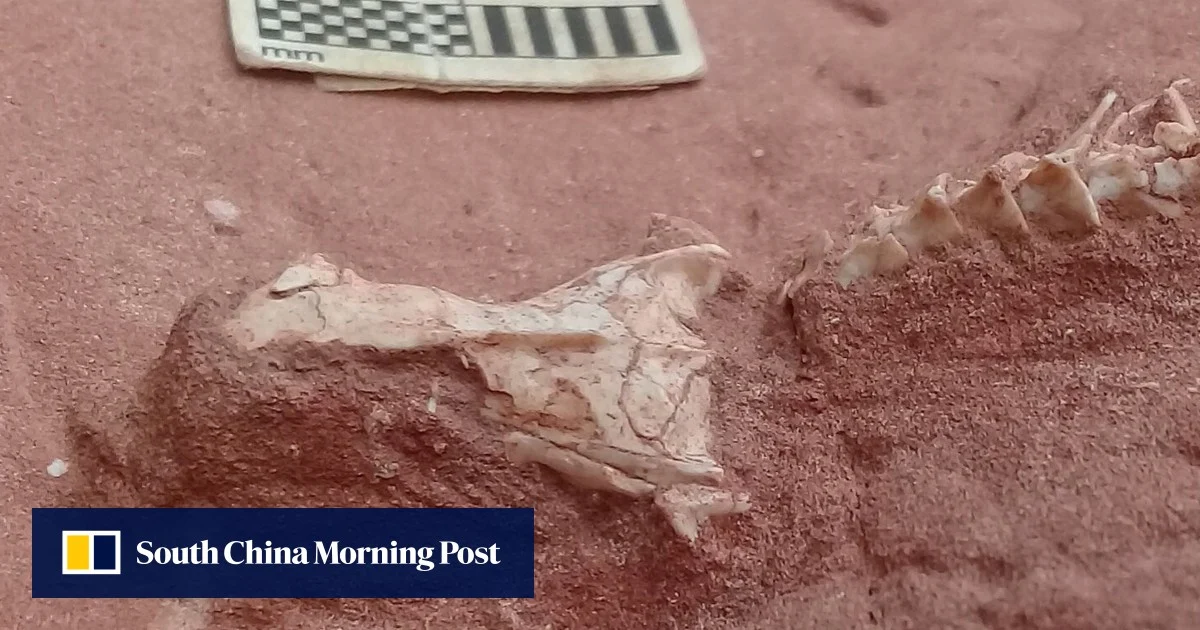
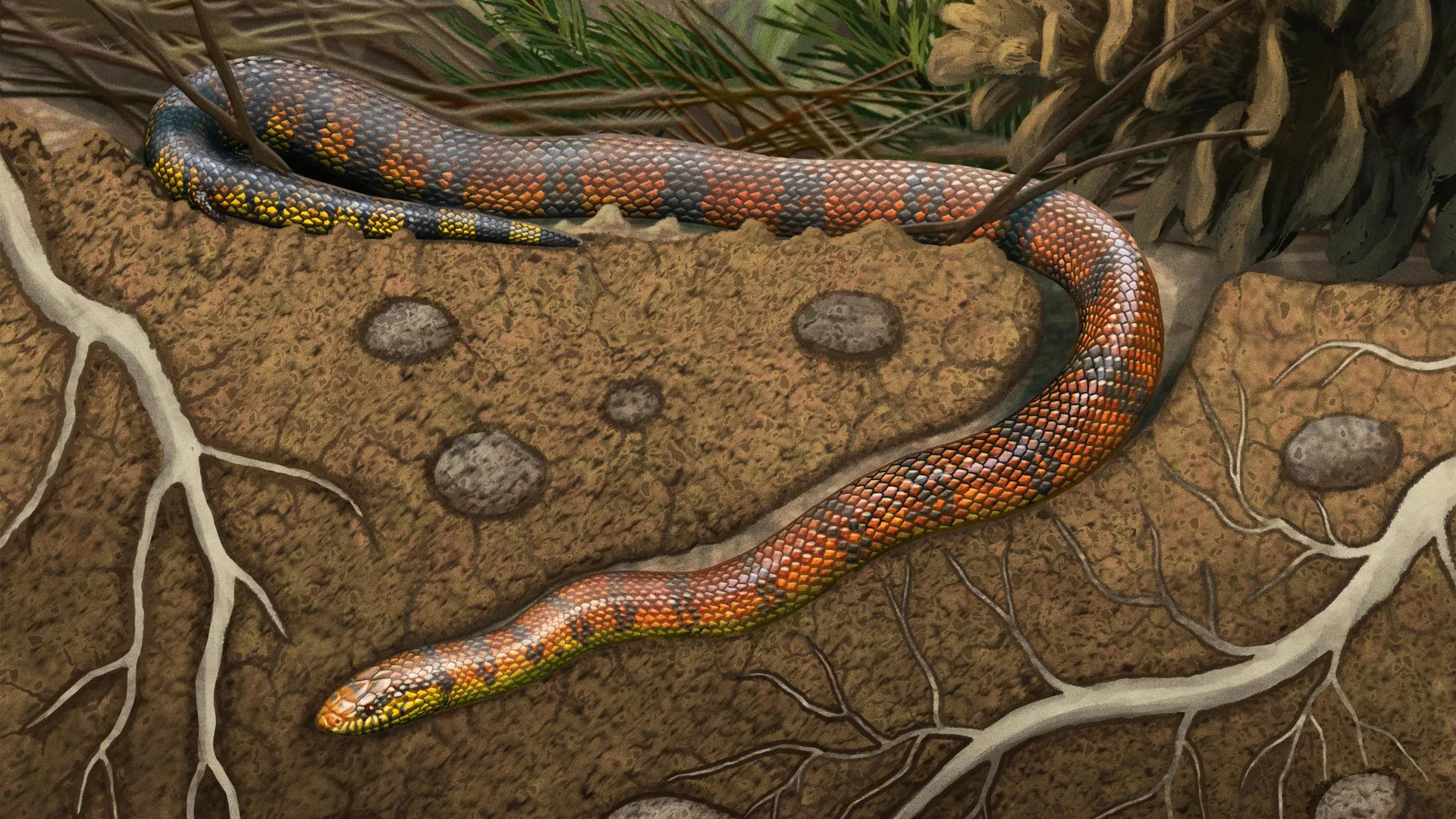
The researchers examined a newly identified snake species from Late Cretaceous deposits in southeastern Brazil dating to around 80 million years ago. Named Tametara mirim, the species is represented by one of the most complete fossil snake skeletons ever discovered.