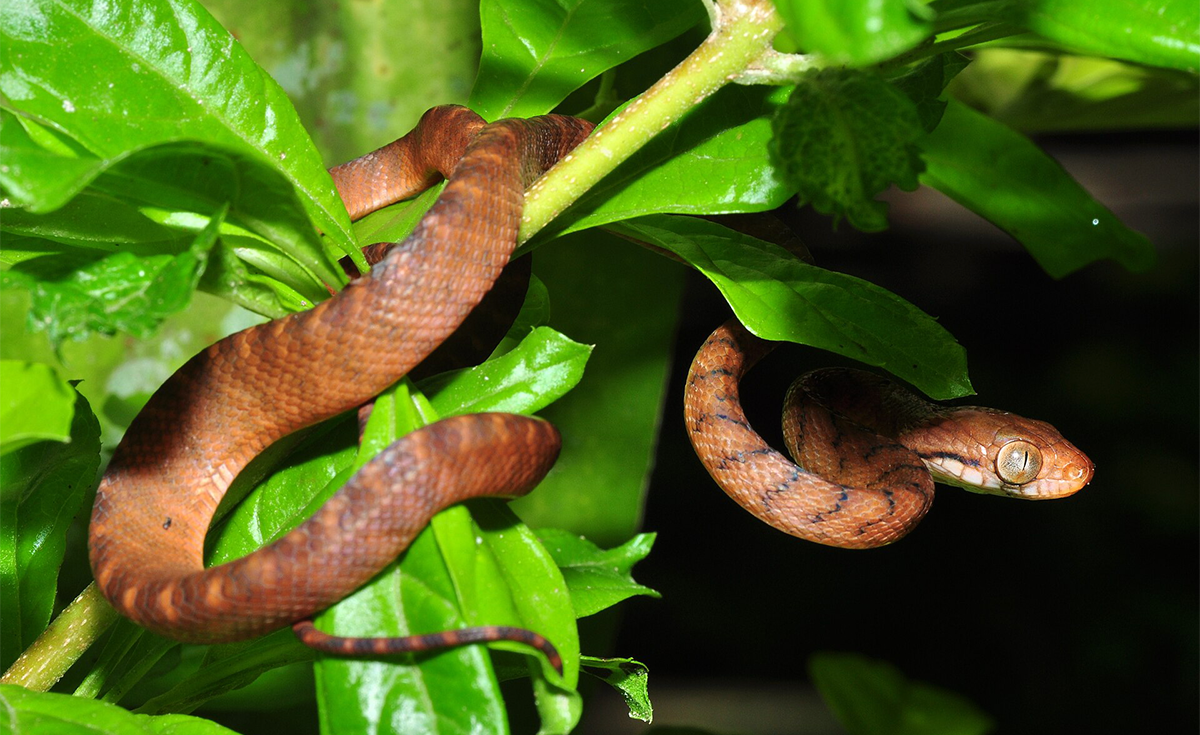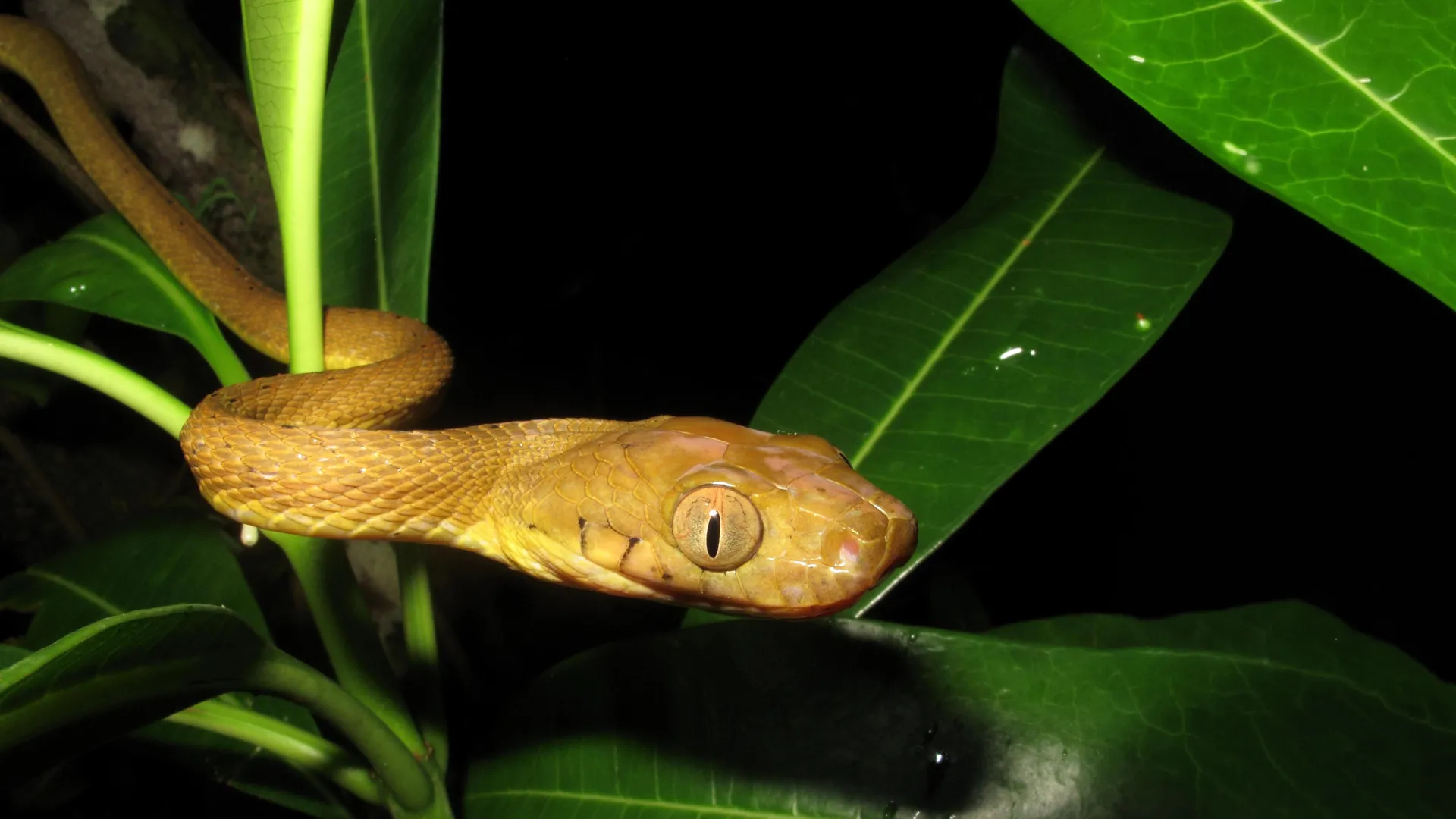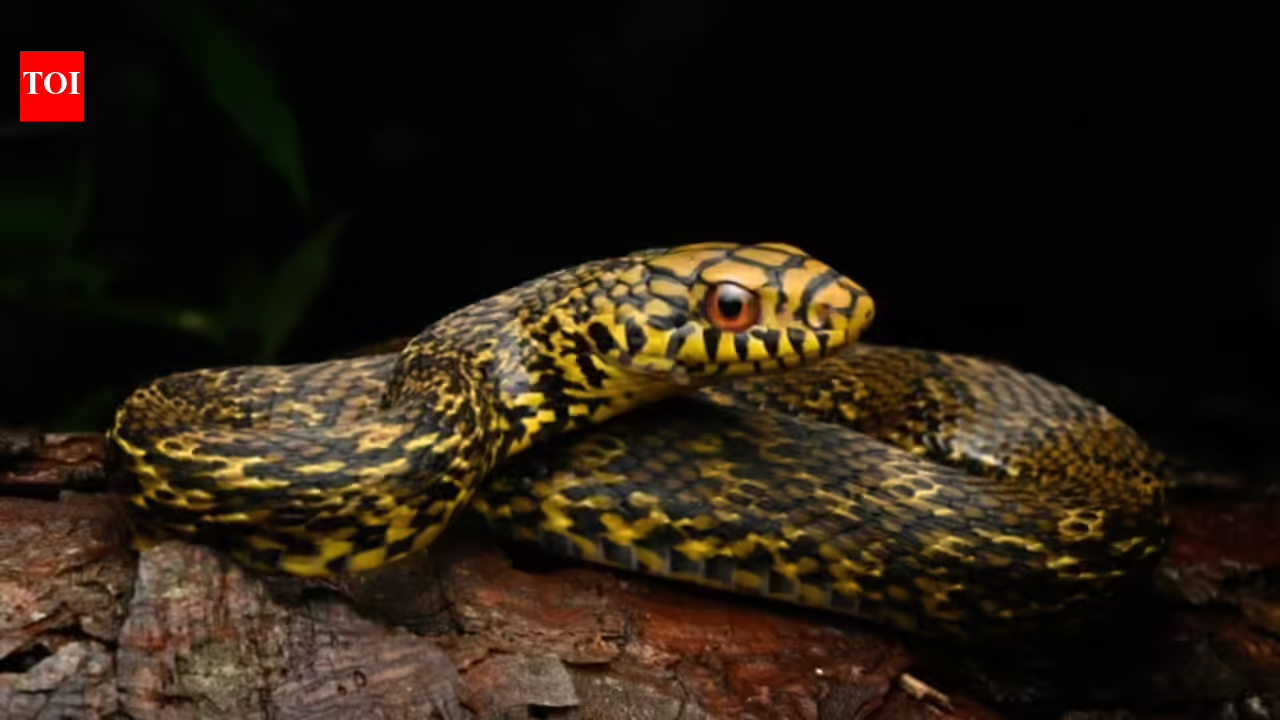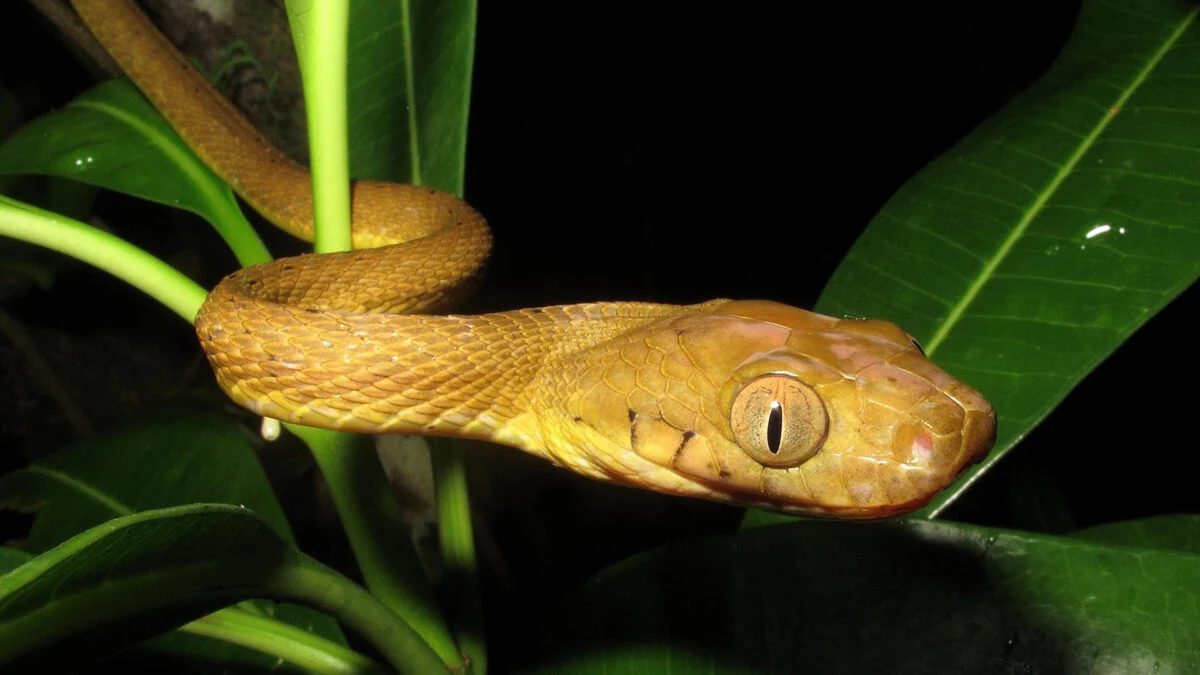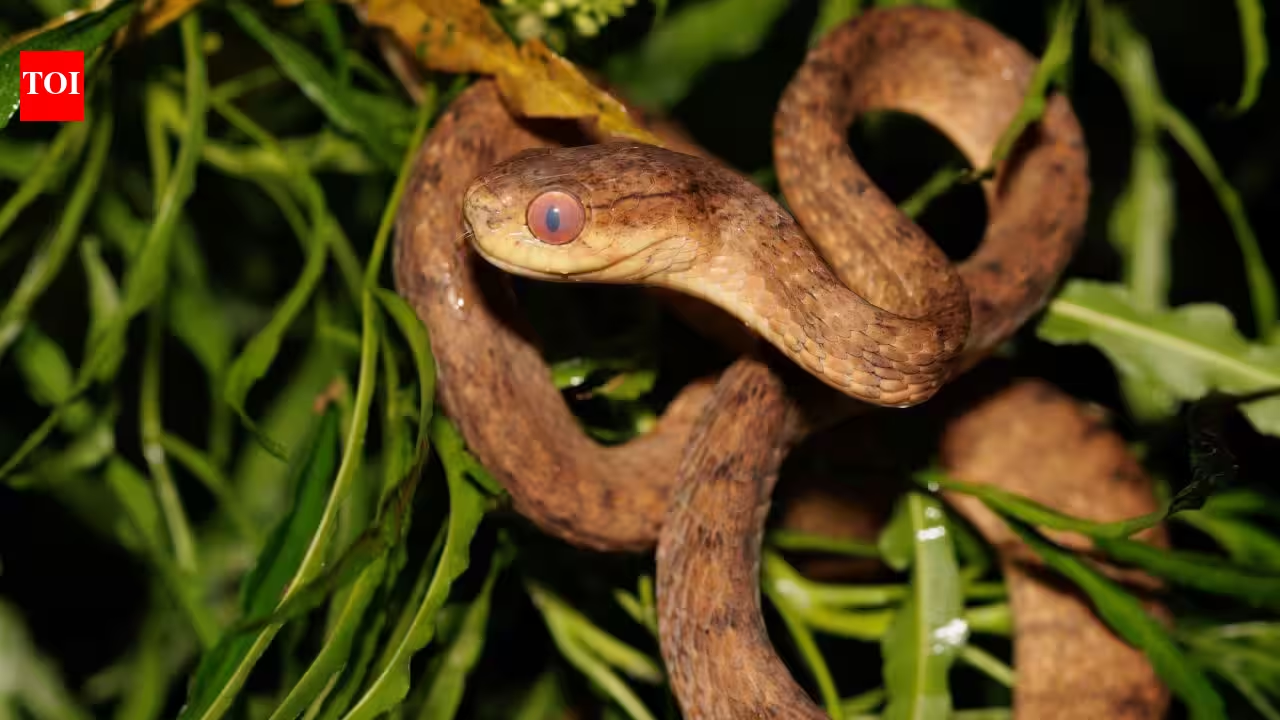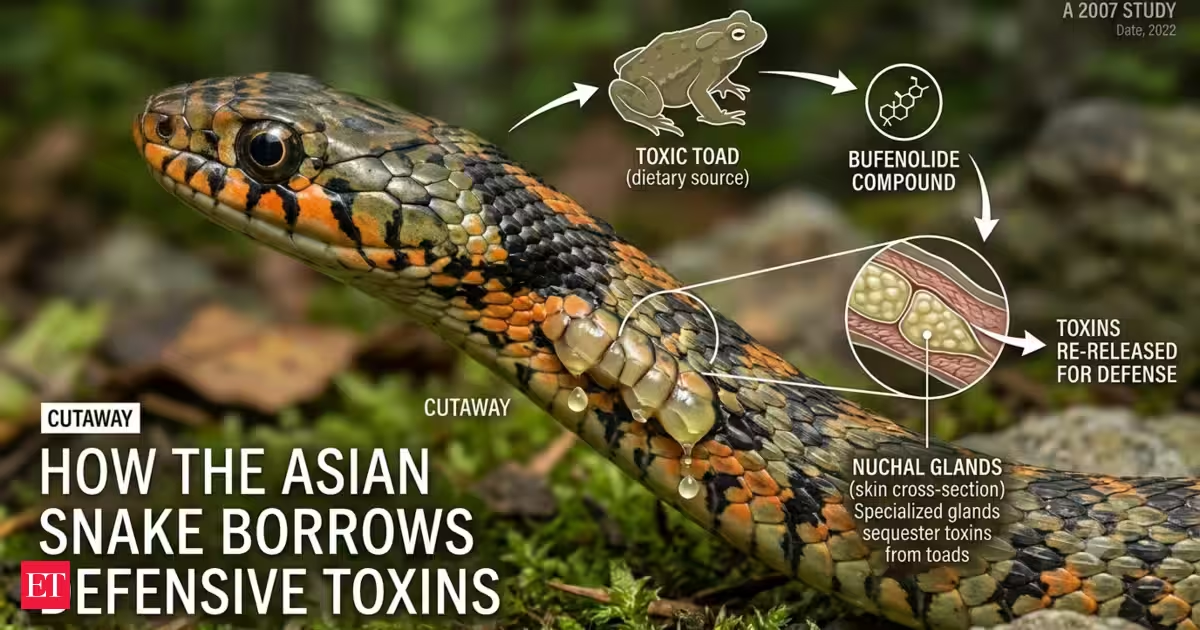
SynopsisSnakes use toad toxins: Researchers discovered Asian snakes sequester toxins from toxic toads for defense. These snakes store borrowed toxins in specialized neck glands for predator protection. Island populations revealed the toad diet as the source of these potent compounds. Female snakes also pass these toxins to their young offspring.Global DeskSnakes use toad toxins: A 2007 study found that the Asian snake 'Rhabdophis tigrinus' does more than simply eat toxic toads. Researchers discovered that the snakes sequester toxins from the toads they eat and store them in specialized glands in their necks, allowing them to use the chemicals as a defense against predators, as per a report.The research, led by Deborah A. Hutchinson of Old Dominion University and published in the Proceedings of the National Academy of Sciences, showed that the snakes do not produce these toxins themselves. Instead, they obtain them through their diet.How the snakes borrowed toxins from toxic toadsResearchers found that Rhabdophis tigrinus stores the toxins in paired structures called nuchal glands located in the skin on the back of its neck.When threatened, the snake adopts a defensive posture that exposes these toxin-filled glands to predators, allowing it to re-release the stored toxins as a form of chemical defense.Hutchinson said the process, known as dietary sequestration, is highly unusual among vertebrates, especially because the toxins come from vertebrate prey.You Might Also Like:Island populations revealed the source of the toxinsTo understand where the toxins came from, researchers compared snakes from several Japanese islands with different toad populations.Snakes from Ishima, where toxic toads are abundant, had high levels of toxic bufadienolide compound, as per a Mongabay report. In contrast, snakes from the toad-free island of Kinkazan lacked these compounds entirely.Snakes from Honshu, where toad populations vary, showed a wide range of toxin concentrations.Researchers also fed hatchling snakes either toad-rich or toad-free diets, confirming that the presence of toxins depended on whether the snakes consumed toxic toads.You Might Also Like:Mothers passed the toxins to their youngThe study also found that female snakes with high concentrations of bufadienolide toxins could pass the toxins to their offspring.This gave young snakes chemical protection from predators even before they began eating toxic toads themselves.Researchers observed that snakes without the borrowed toxins were more likely to flee from danger, while snakes with toxin-filled nuchal glands were more likely to stand their ground and use their chemical defense.A rare example of toxin borrowing in vertebratesAccording to the researchers, storing defensive toxins obtained from vertebrate prey is rare among vertebrates.Hutchinson also said the team identified six compounds in the snakes that could hold promise for future treatments for hypertension and related blood pressure disorders.William Zamer, deputy director of the National Science Foundation's Division of Integrative Organismal Systems, said at that time, "Sequestration of toxins in a specialized [neck gland] structure in a vertebrate is a remarkable finding," adding, "This finding offers new insights into the complex mechanisms underlying ecological relationships and will lead to important insights about fundamental biological questions," as quoted by ScienceDaily.Read More News on(Catch all the US News, UK News, Canada News, International Breaking News Events, and Latest News Updates on The Economic Times.) Download The Economic Times News App to get Daily International News Updates....moreless
In 2007, scientists found snakes on Japan's Ishima island didn't just eat toxic toads, they borrowed their toxins for defense
Snakes use toad toxins: A 2007 study reveals that Rhabdophis tigrinus snakes on Japan's Ishima Island not only consume toxic toads but also sequester their toxins for defense, offering unique insights into dietary sequestration in vertebrates.
532 words~2 min read