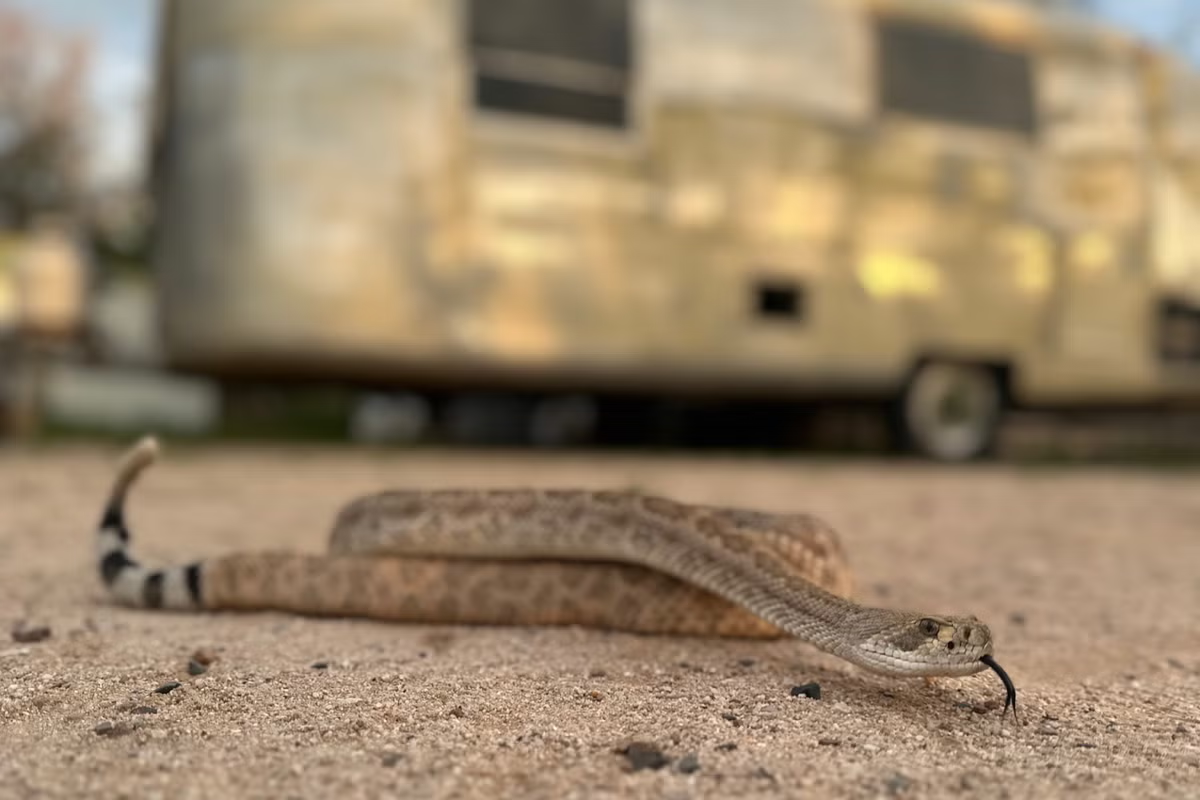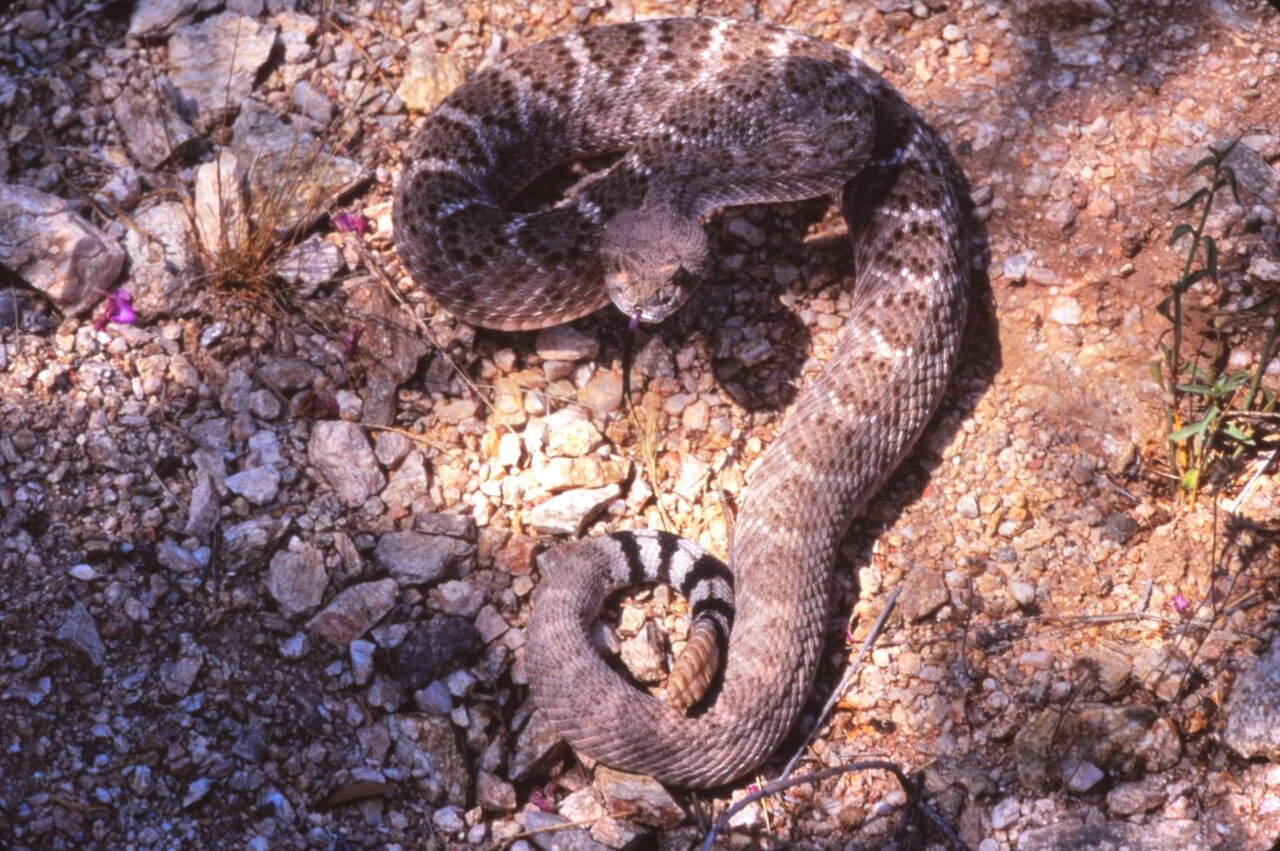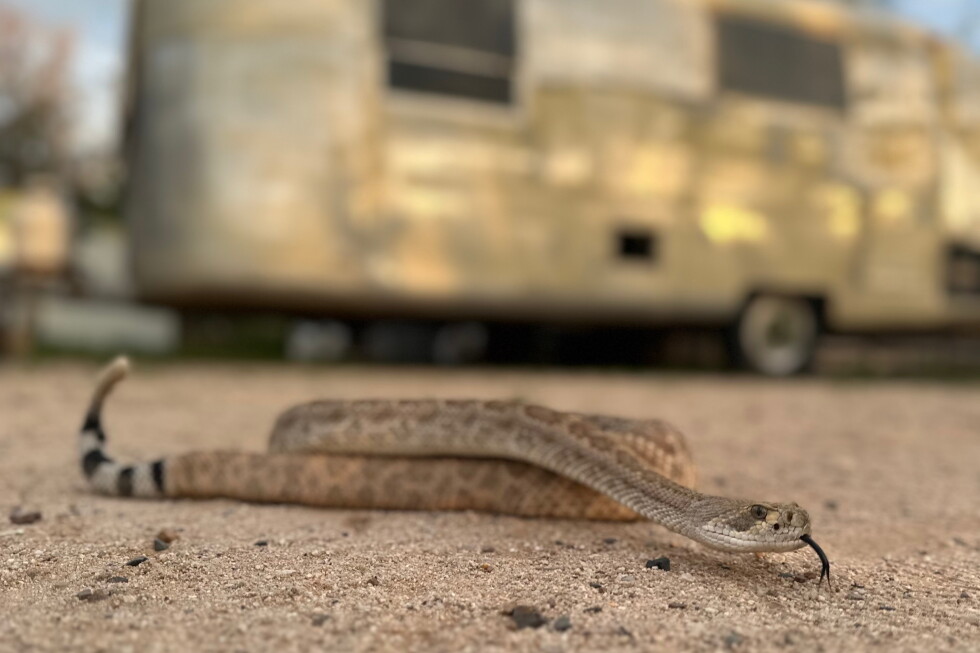
TUCSON, Ariz. (AP) — Ripley, a medium-sized dog with a strong prey drive, curiously approached Brian, a large western diamondback rattlesnake, until she got a quick zap on the neck meant to simulate a venomous viper’s bite.Suddenly, the 2-year-old blue heeler mix wanted nothing to do with Brian’s textured brown skin or furiously rattling tail. Ripley was never in danger because Brian had his venom glands removed years ago.Dog trainer J.J. Belcher of Sublime Canine in Tucson, Arizona, said the single shock delivered one recent morning from an electronic training collar should be sufficient to keep Ripley away from venomous snakes that can sicken or even kill a dog. Belcher said Ripley can come back in a year for a free training session to make sure the lesson stuck.Ripley’s owners, Amber Schneider and Wendy Timm, said they opted for the training because the dog regularly hunts small animals.“We have an acre of natural desert and respect all the snakes, but she’s very curious about wildlife,” said Timm. “We are doing this because we want to keep our dog safe.”
This article is part of AP’s Be Well coverage, focusing on wellness, fitness, diet and mental health. Read more Be Well.
How common are dog-snake interactions?The American Society for the Prevention of Cruelty to Animals says as many as 150,000 dogs are bitten by venomous snakes each year in the United States. In the rattlesnake hot spot of Arizona, emergency veterinarian Dr. Sarah Carotenuto says the Veterinary Specialty Center of Tucson treats four to six dogs daily for rattlesnake bites, along with an occasional cat.