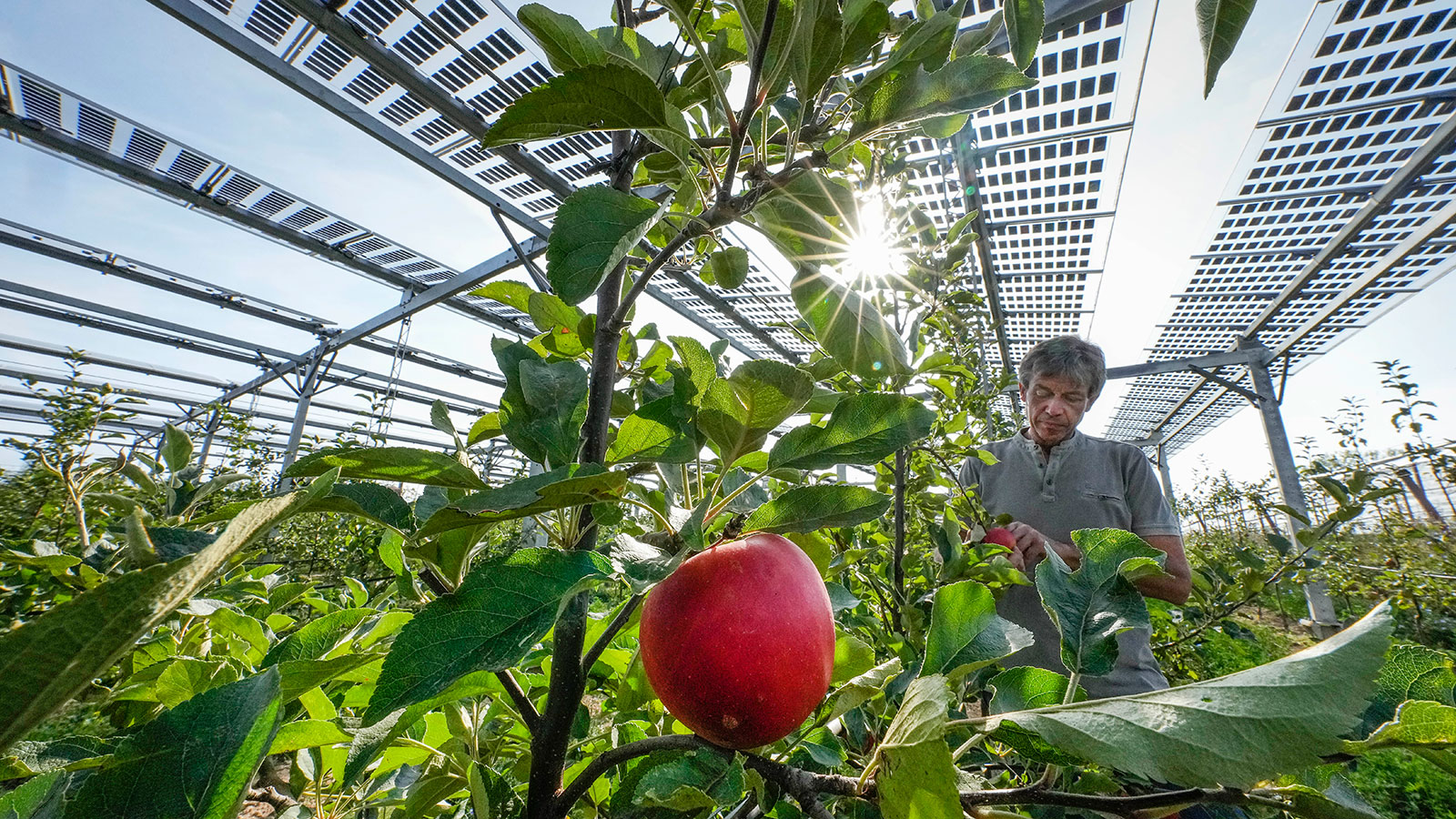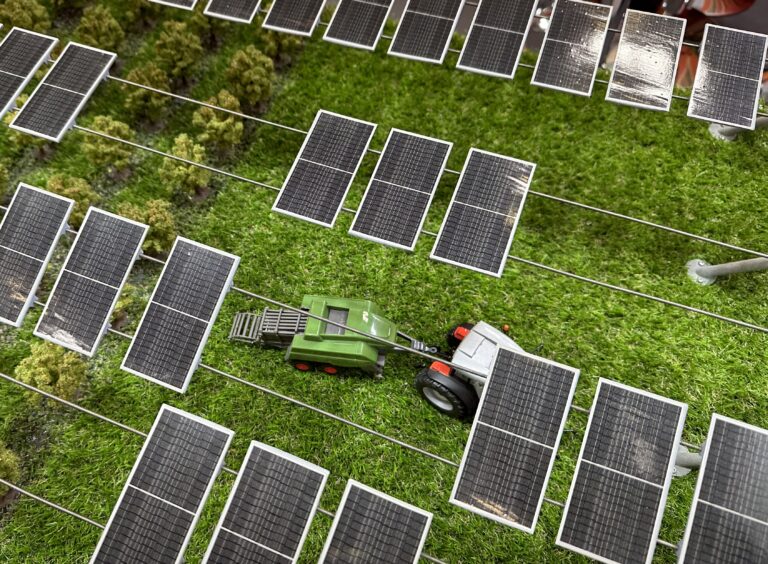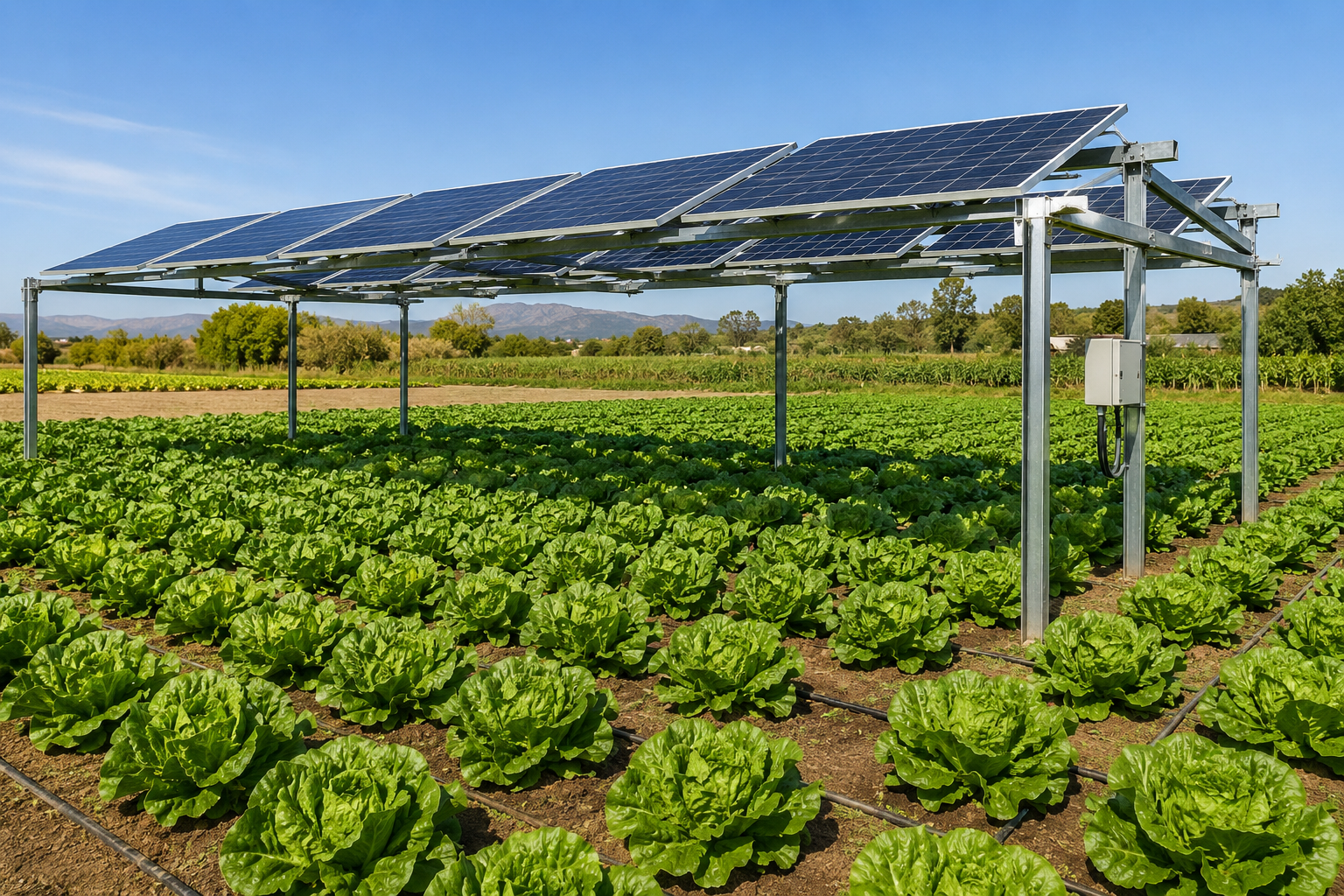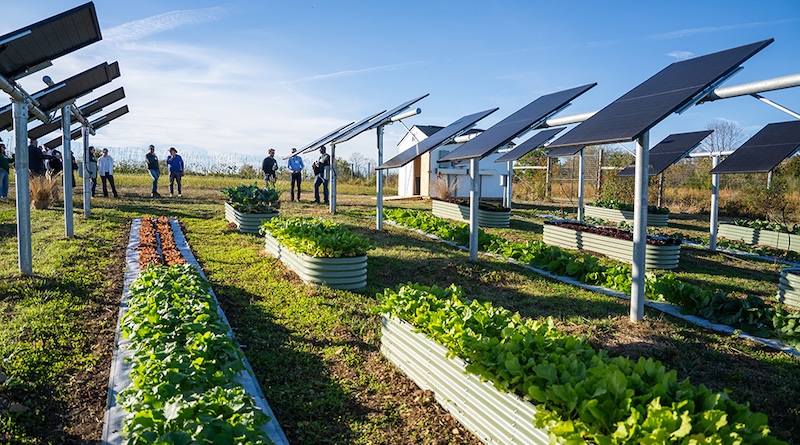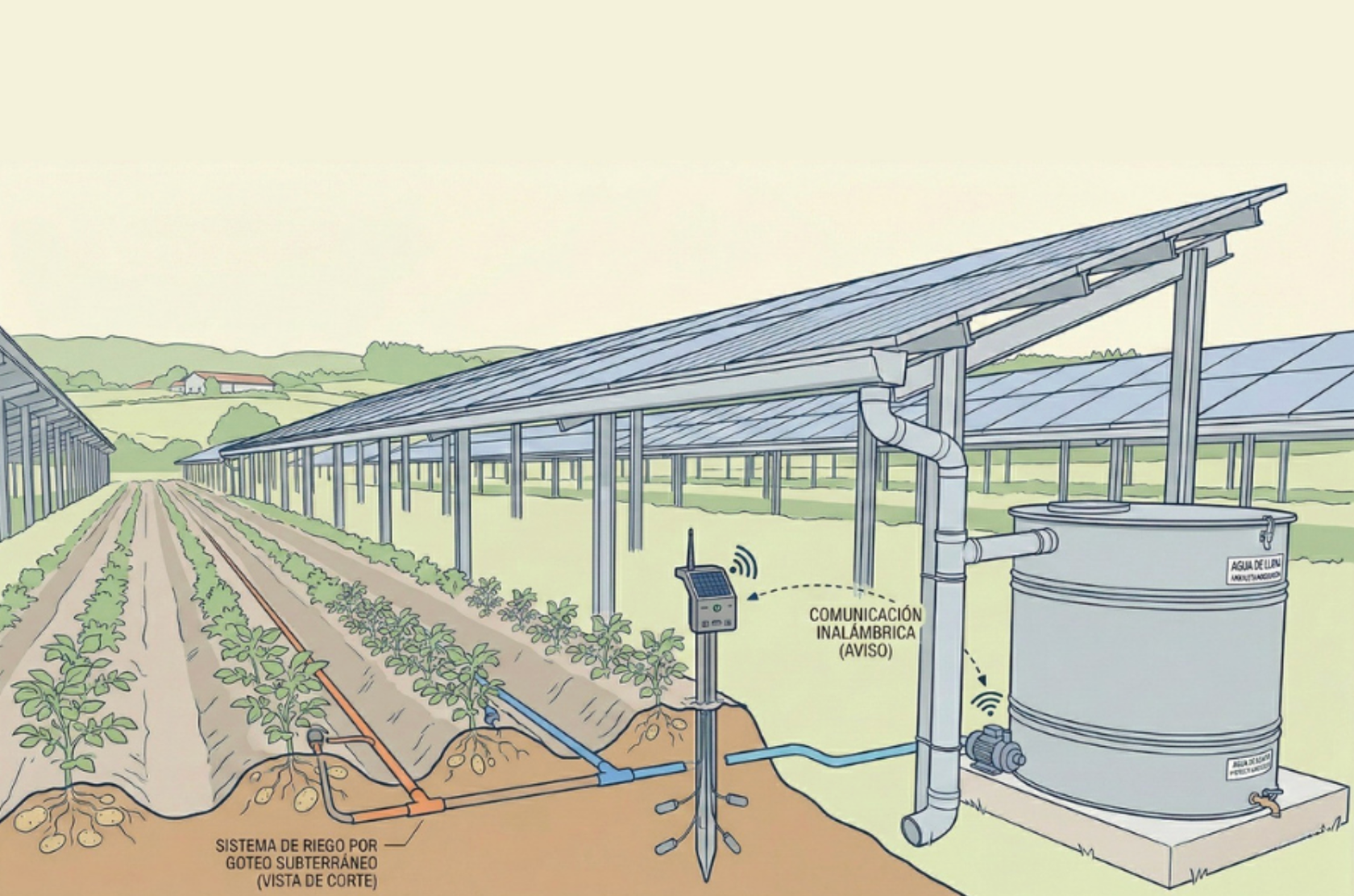
The group’s agrivoltaic proposal, known as SolarRoot, integrates photovoltaics with crops, rainwater harvesting and subsurface drip irrigation controlled by moisture sensors.
A team of recent graduates from the School of Engineering and Sciences at the Monterrey Institute of Technology have developed a novel agrivoltaic proposal.
Known as SolarRoot, their system combines photovoltaic modules installed above the crops with rainwater harvesting and an underground drip irrigation network. Soil moisture sensors determine when irrigation is necessary and allow only the required volume of water to be supplied to the plants.
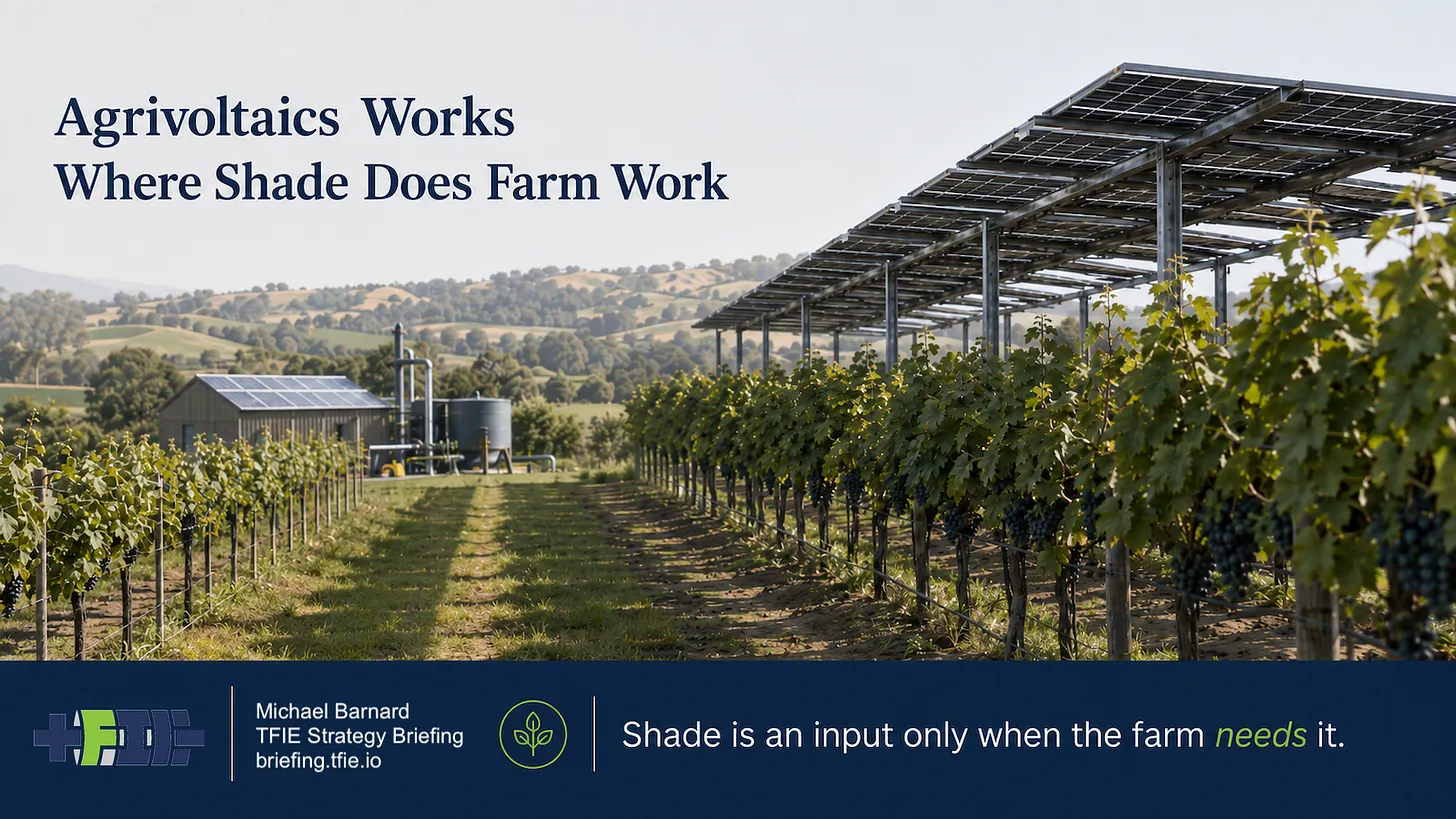
The proposal also seeks to utilize the shade cast by solar panels to reduce heat stress on crops and minimize water loss. According to its developers, the goal of SolarRoot is to produce electricity and food without dedicating separate areas to each activity.
The institute has not disclosed the planned photovoltaic power output, the type or number of modules, the required surface area, the crops that would be used, or the amount of water that could be recovered. The project remains a engineering proposal under evaluation, with any planned construction of a pilot project yet to be announced.