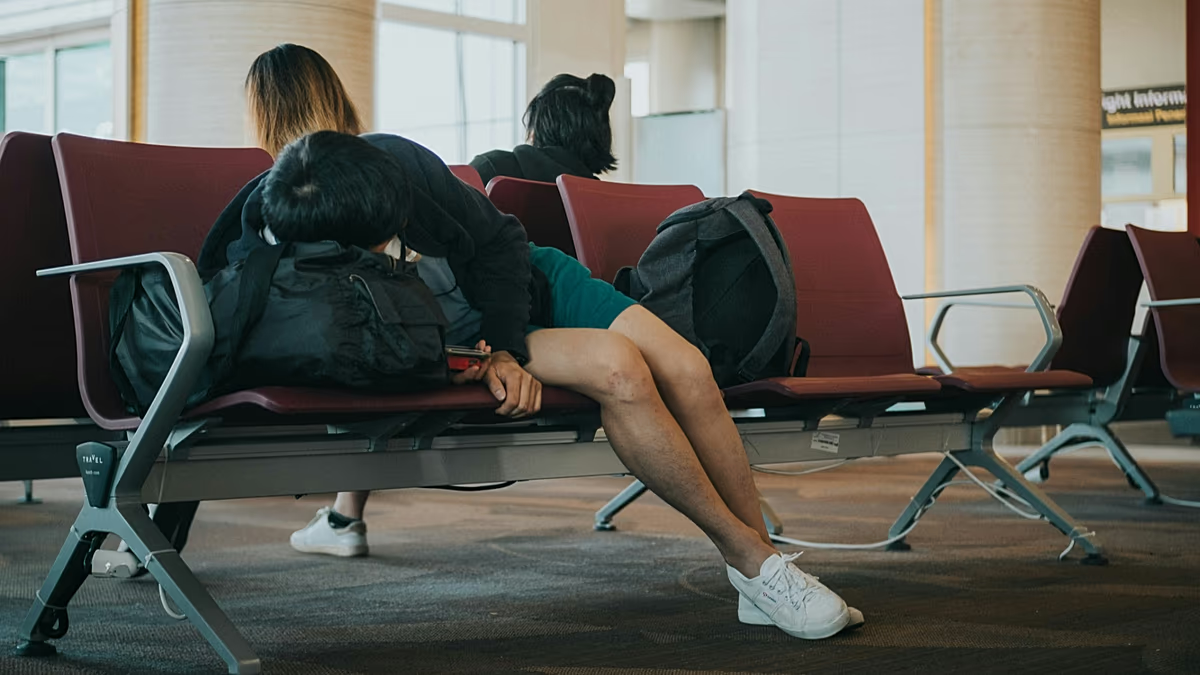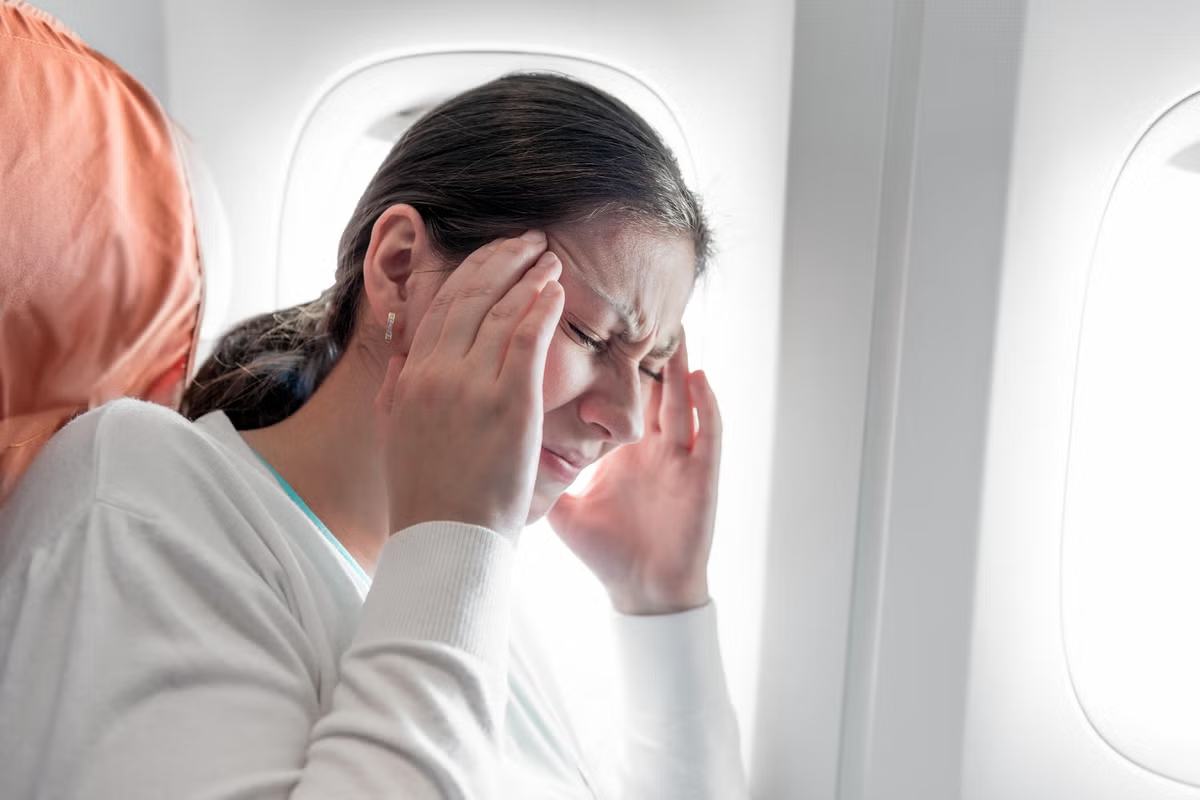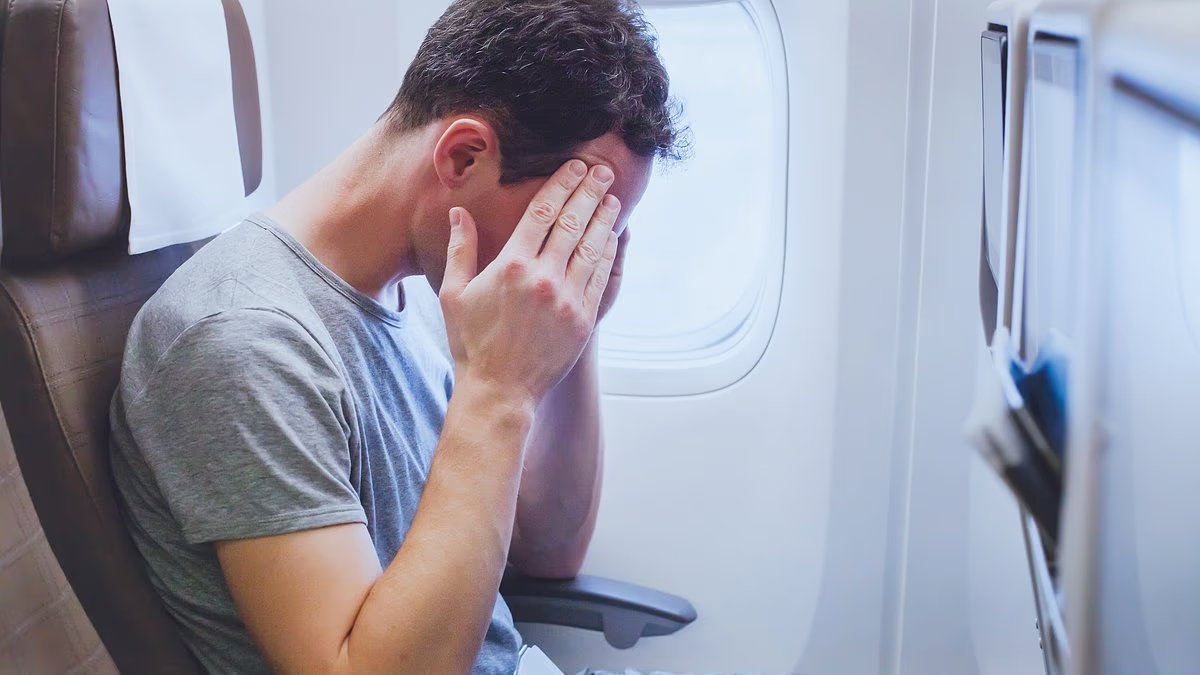
With peak travel season underway, here are some tips to minimise the effects of jet lag, which follows travellers, causing sleep disturbances, daytime tiredness, headaches and even gastrointestinal symptoms.
Jet lag is a temporary sleep condition that can affect anyone who travels across several time zones. The body has its own internal clock that signals when to stay awake and when to sleep. When this clock stays synced to the original time zone and does not adjust after travel, people experience jet lag.
Although symptoms are temporary and it cannot be fully prevented, there are some steps to reduce its effects that go beyond adjusting the sleep schedule.
What and how food and drink are consumed can make a difference too.
During travel