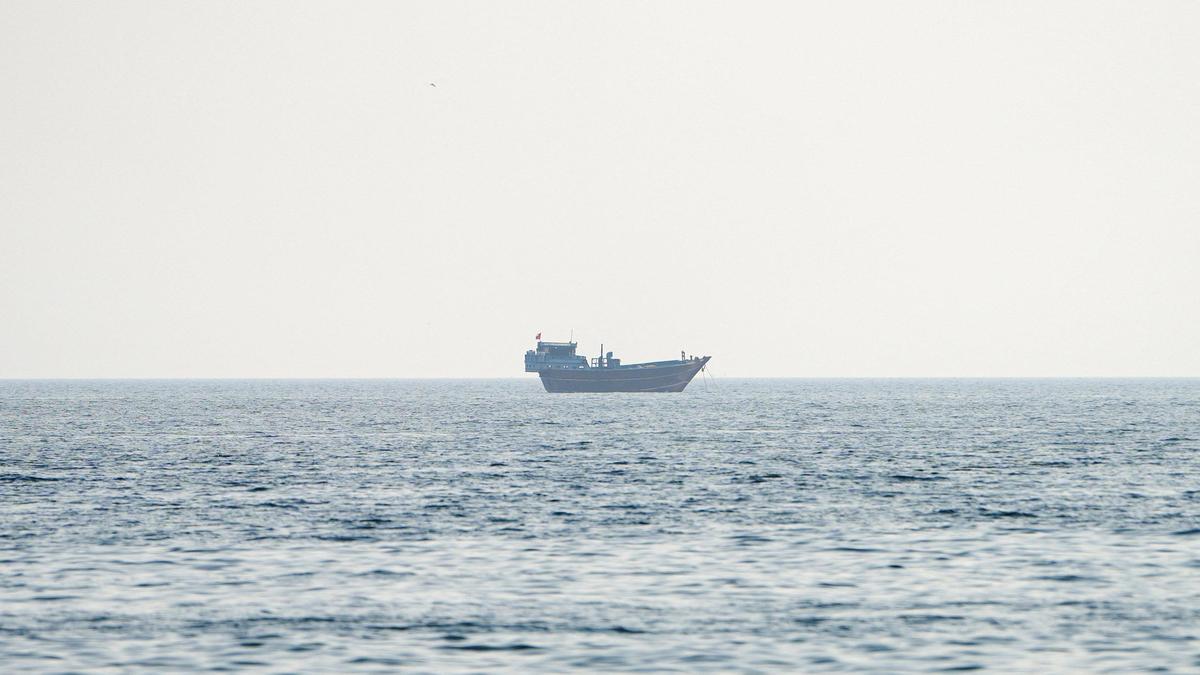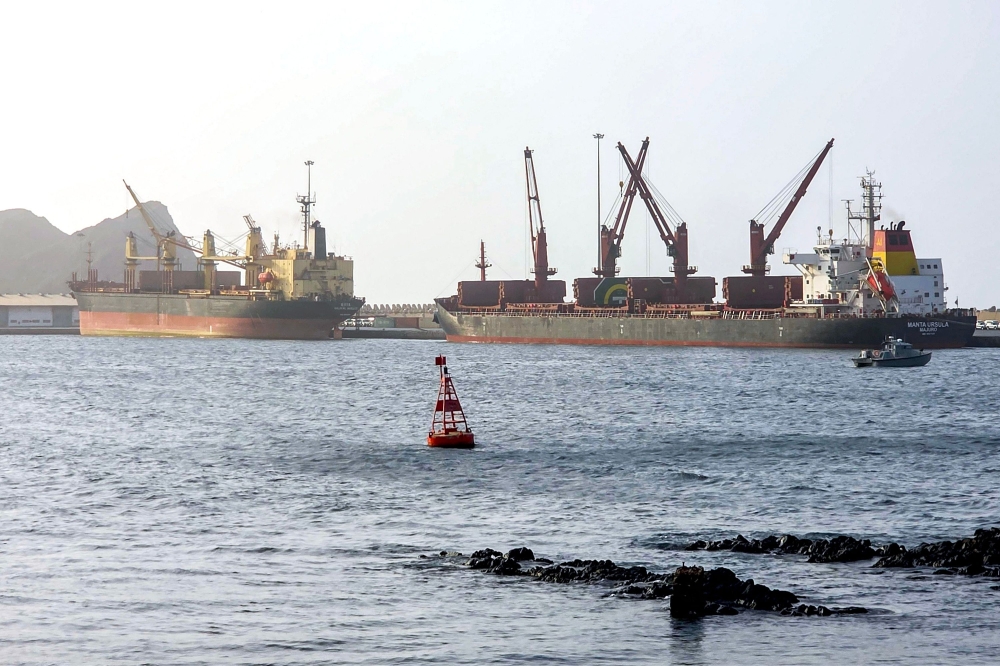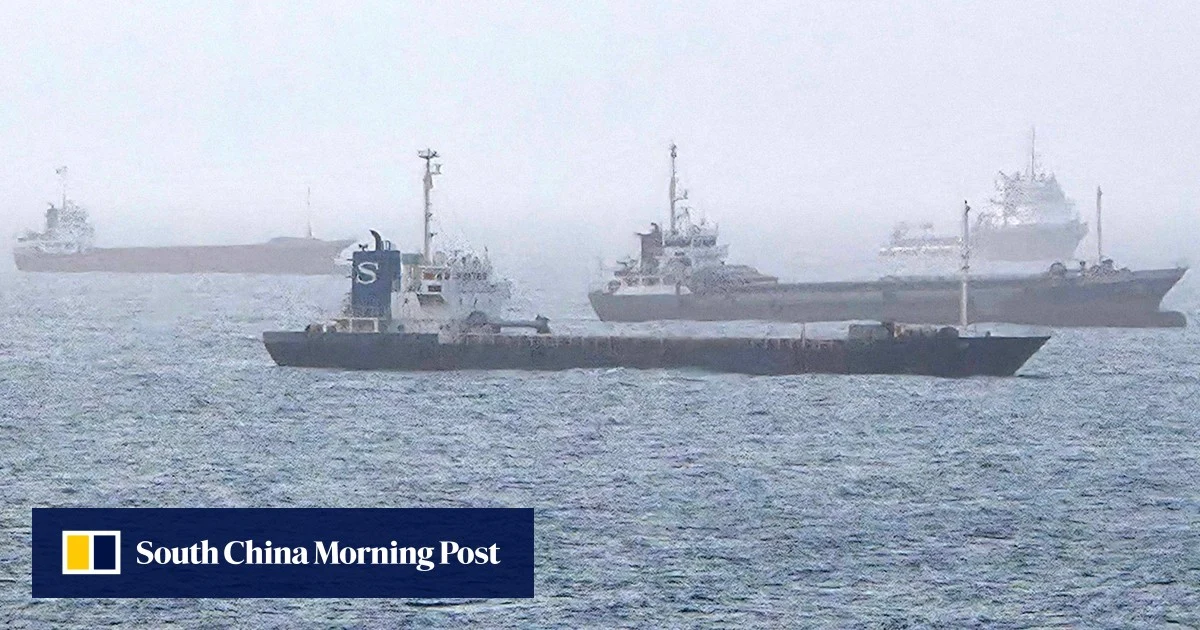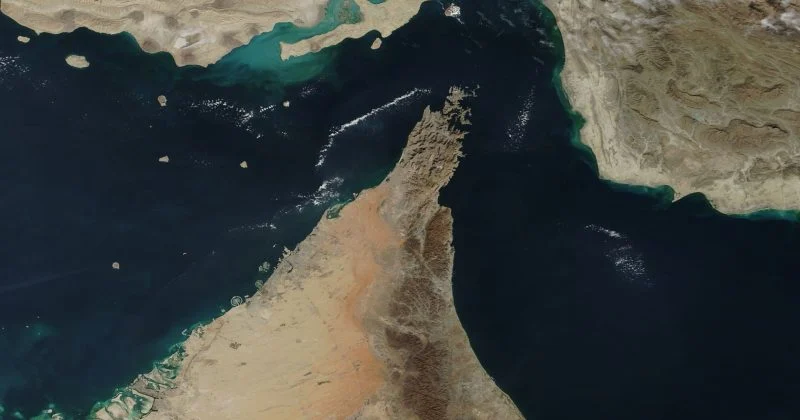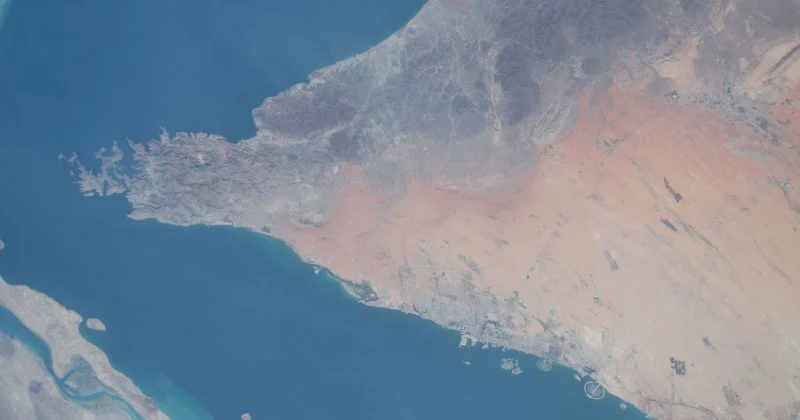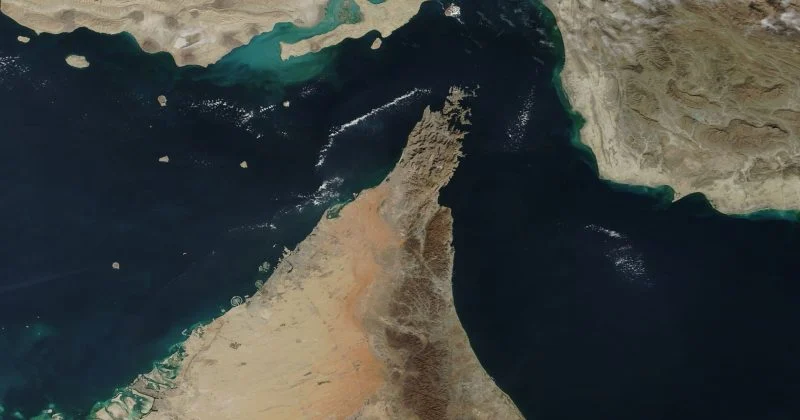
The Strait of Hormuz, a narrow waterway roughly 21 miles wide at its tightest point, moves around 20% of the world’s oil supply every single day. Right now, that chokepoint is caught in a diplomatic standoff with no clean exit in sight.
Iran rejected an Omani proposal on July 11, 2026, that would have established two separately controlled shipping corridors through the strait. Tehran’s Foreign Minister Abbas Araghchi pushed back on the idea, insisting instead on a single joint management framework shared between Iran and Oman. The Omani government had pitched the dual-corridor approach as a practical compromise. Iran said no.
What the breakdown actually means
Iran rejecting it outright is not a minor procedural disagreement. It signals Tehran wants structural control over the strait’s management, not just a seat at the table alongside its neighbor.
The backdrop makes this more pointed. A June 17 memorandum of understanding between the US and Iran established a 60-day window of toll-free navigation for commercial vessels, essentially a temporary ceasefire for shipping traffic while broader negotiations played out. That window is now ticking down.