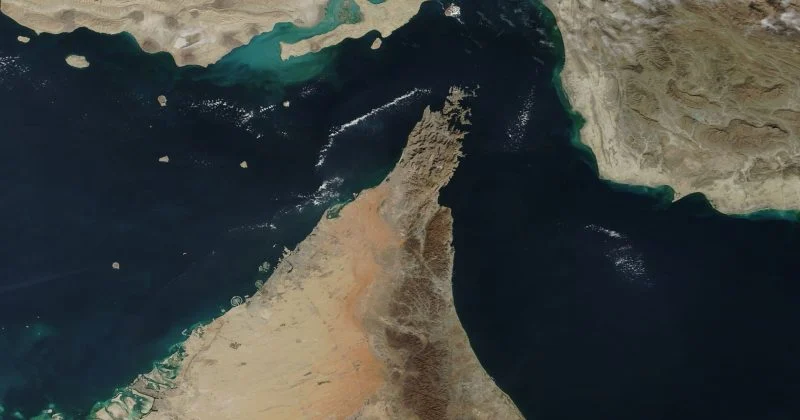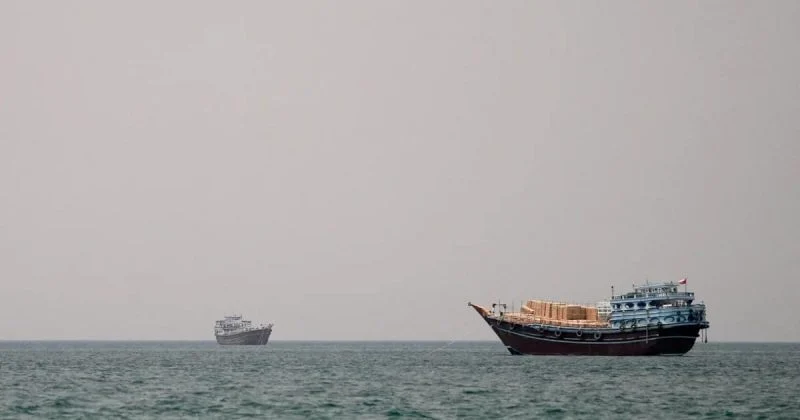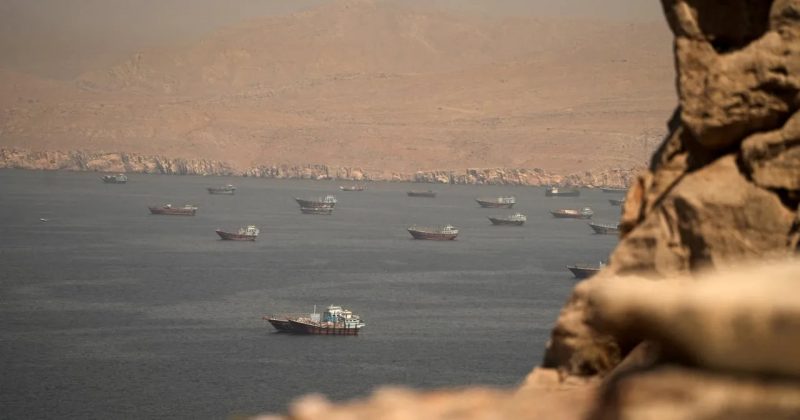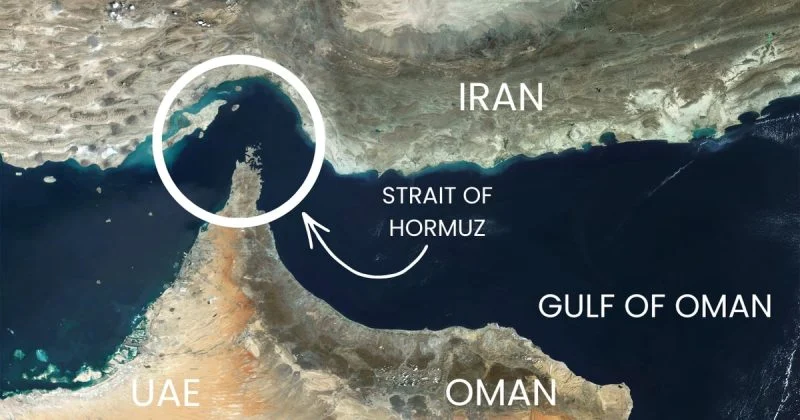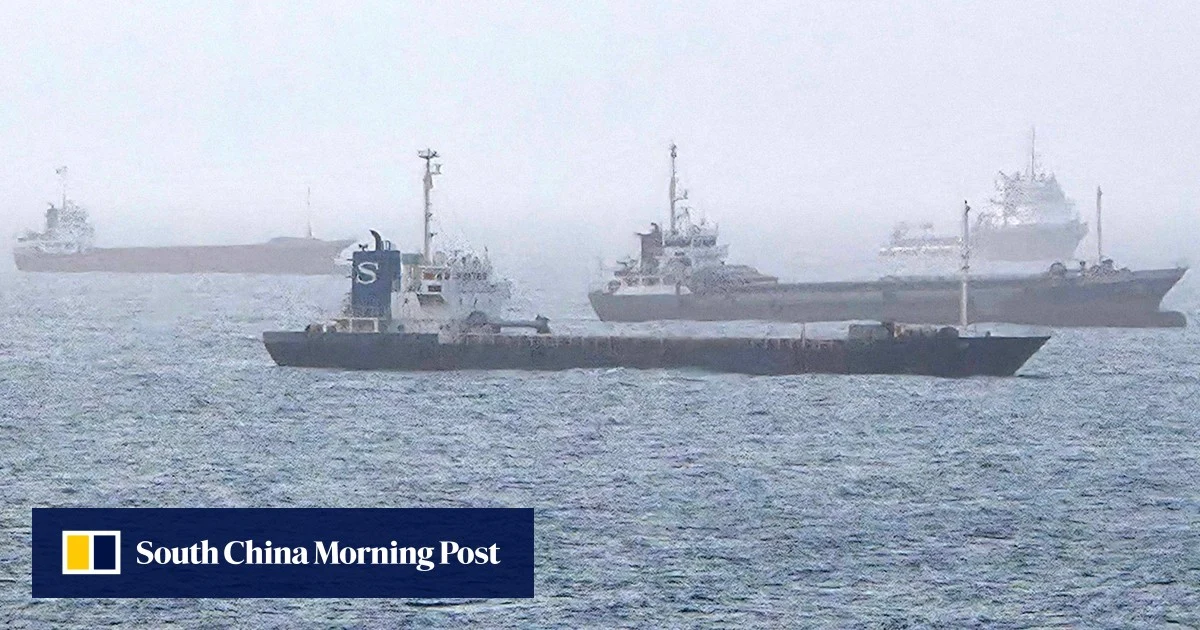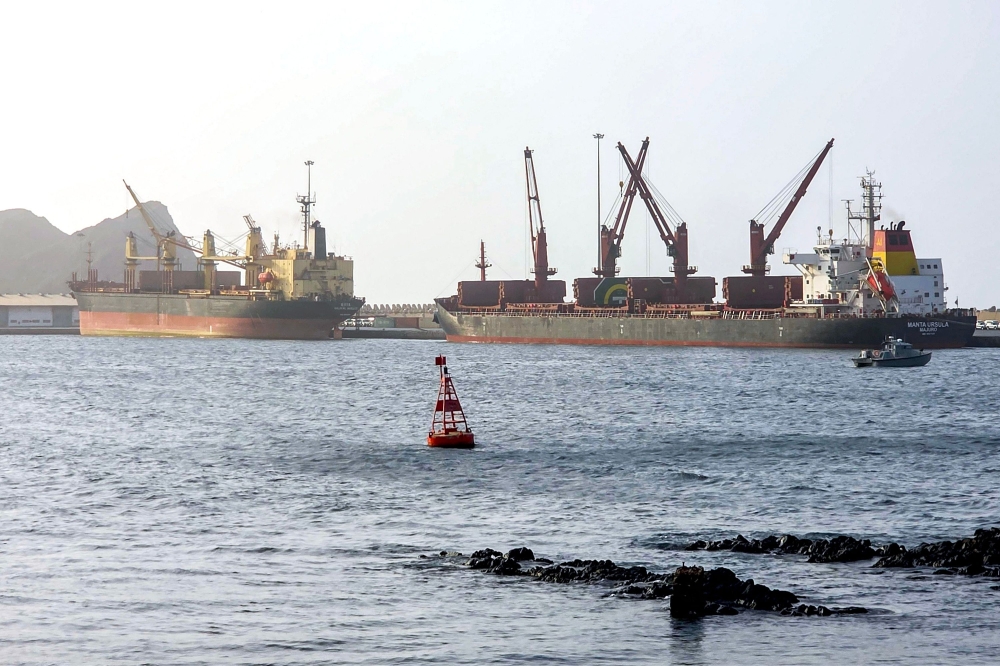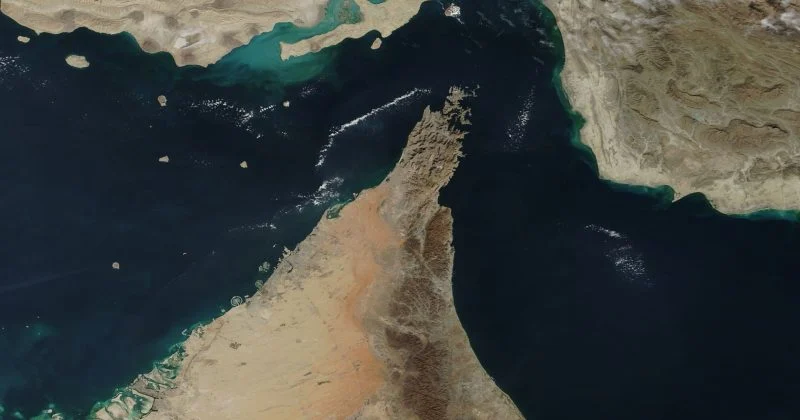
Iran has rejected a proposal to keep the Strait of Hormuz open during negotiations with Oman, according to Deputy Foreign Minister Kazem Gharibabadi. The talks were aimed at resolving regional tensions, but Iran’s decision to potentially close the critical shipping lane has heightened geopolitical concerns. This development emerges amid ongoing disputes over control and fees associated with the strategic waterway, which serves as a vital passage for global oil shipments. The U.S. has consistently opposed the imposition of fees by Iran, and the latest developments may affect the perception of whether the U.S. will implement any related charges.
Key Takeaways
Iran’s rejection appears to heighten tensions in the Strait of Hormuz, suggesting a decrease in perceived likelihood of U.S.-imposed fees.
Market pricing indicates a lower probability of the U.S. charging fees, with sub-market odds for a July 31 deadline at just 0.4% YES.
The decision may imply increased geopolitical uncertainty, which is consistent with a reduced chance of U.S. intervention in fee imposition.