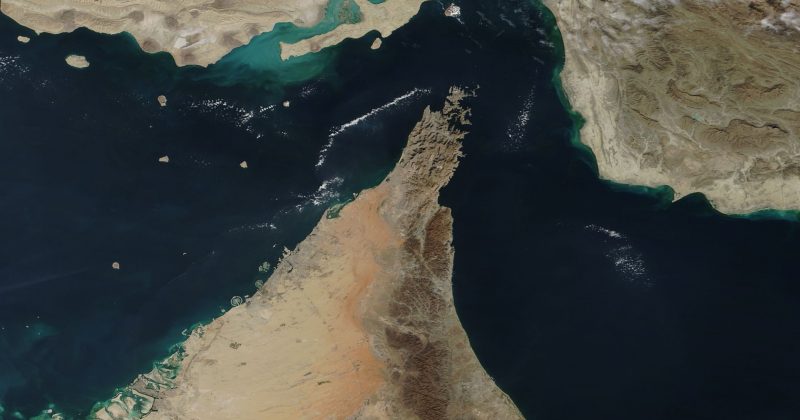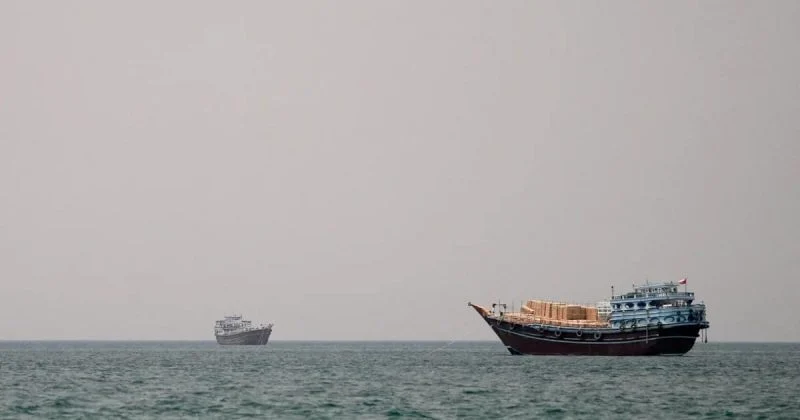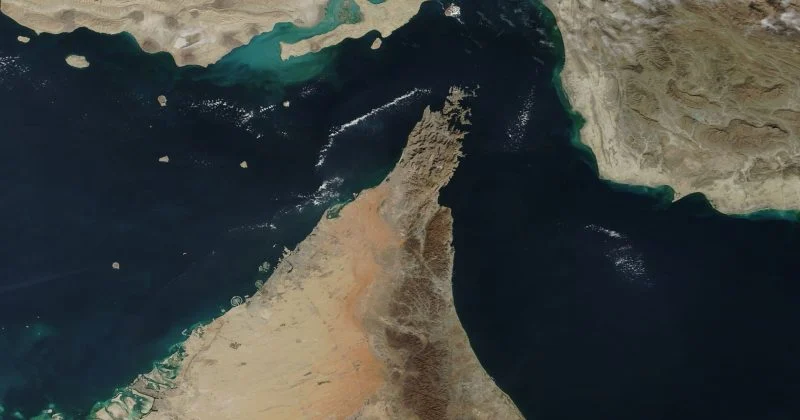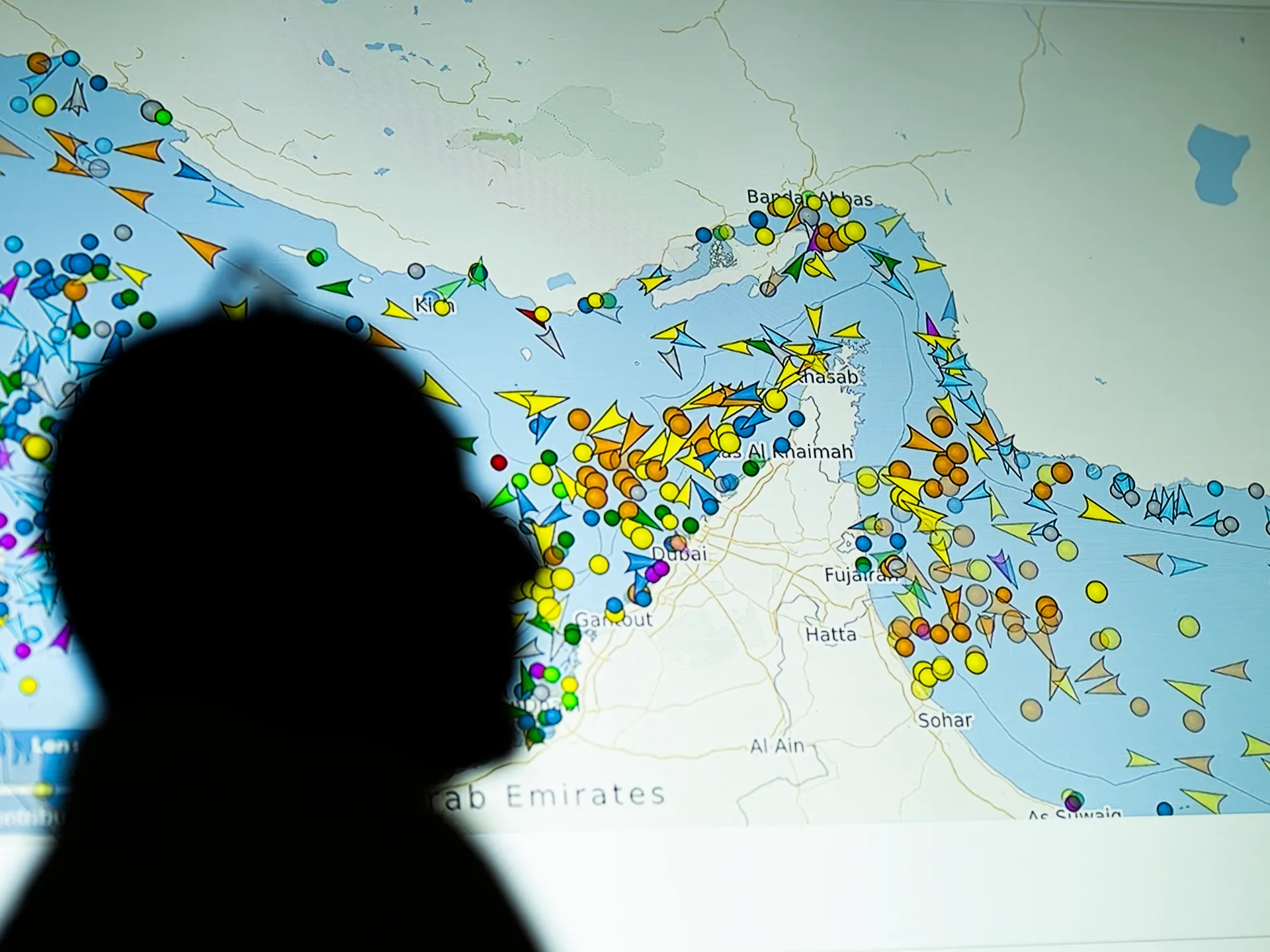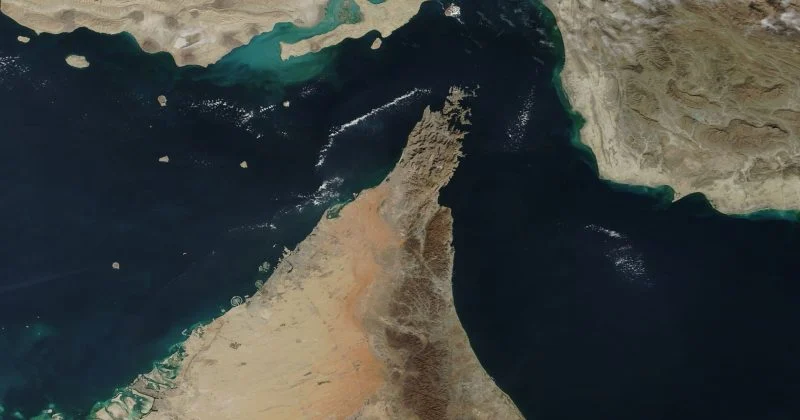
Iran has turned down Oman’s proposal for an equal division of shipping management in the Strait of Hormuz, suggesting instead a temporary route under Tehran’s authority, according to Deputy Foreign Minister Kazem Gharibabadi. The proposal would allow Iran to control inbound traffic and part of the outbound lane. This decision comes amid ongoing tensions and negotiations over maritime control in this strategic waterway, crucial for global oil shipments. The strait, a critical passageway between the Persian Gulf and the Arabian Sea, remains a focal point in the geopolitical dynamics of the region.
The market reaction to Iran’s rejection has been notable, particularly in prediction markets tracking the likelihood of the U.S. imposing fees in the Strait of Hormuz. The market indicates a decrease in expectations for U.S. fees being implemented, with the odds for such a scenario remaining low. The pricing suggests participants currently view Iran’s assertive control as a factor likely to prevent U.S.-imposed fees. Additionally, the chances of the Strait’s traffic returning to normal by late August also appear uncertain, with current pricing reflecting skepticism about a near-term resolution.