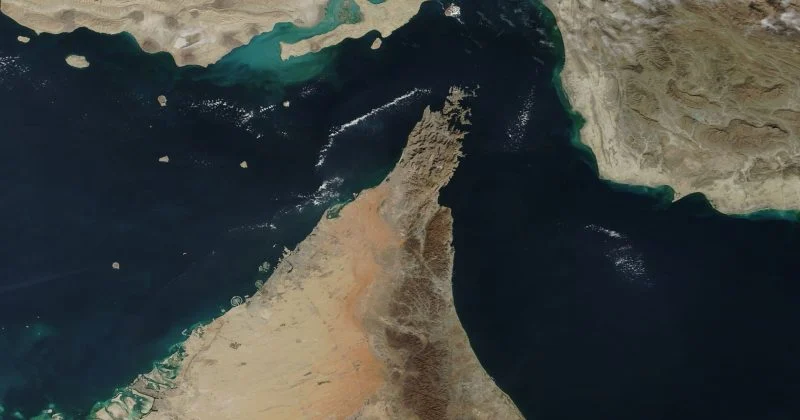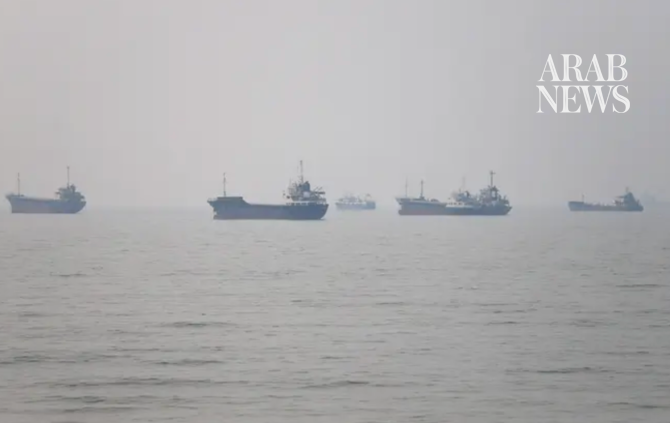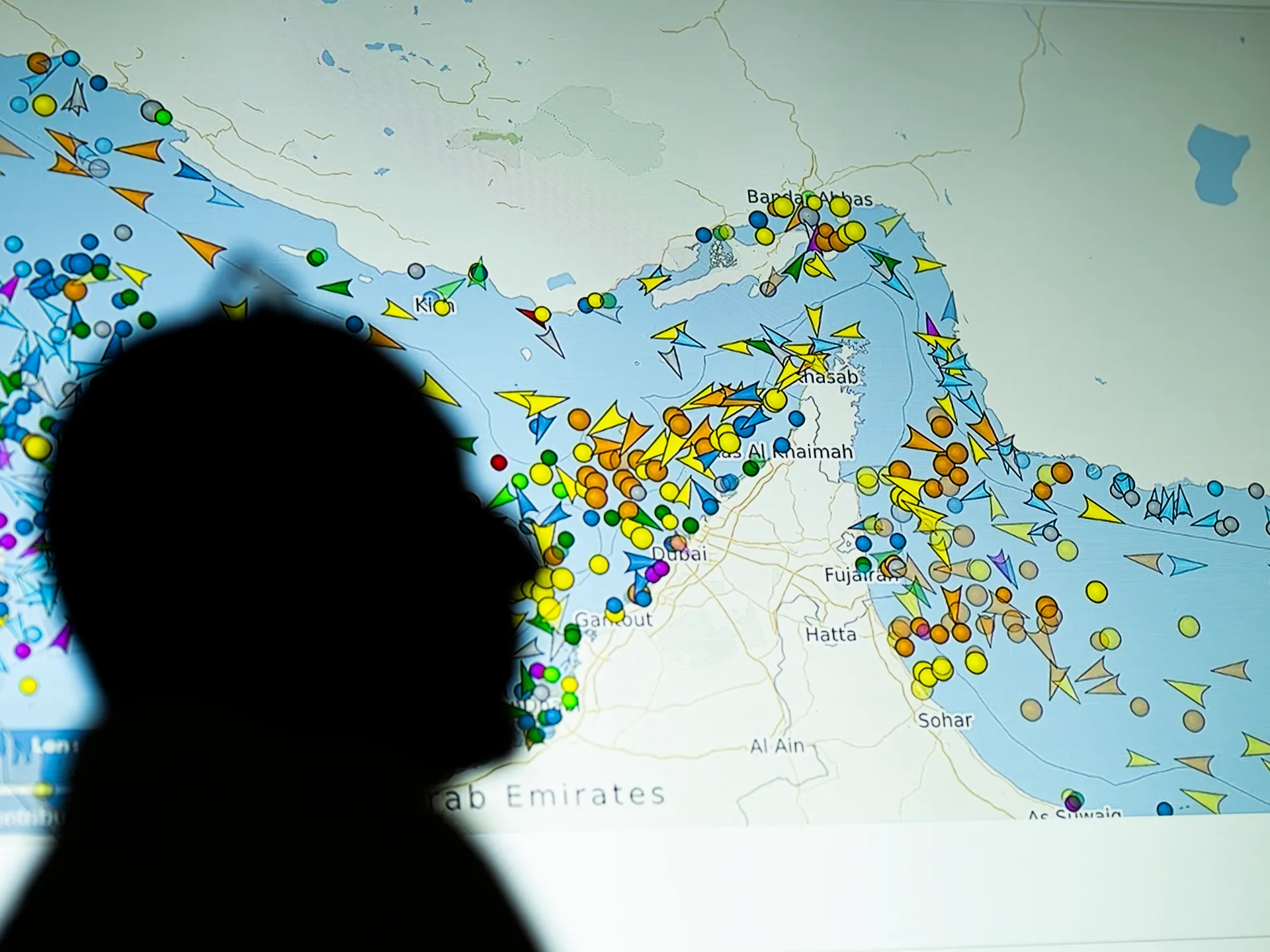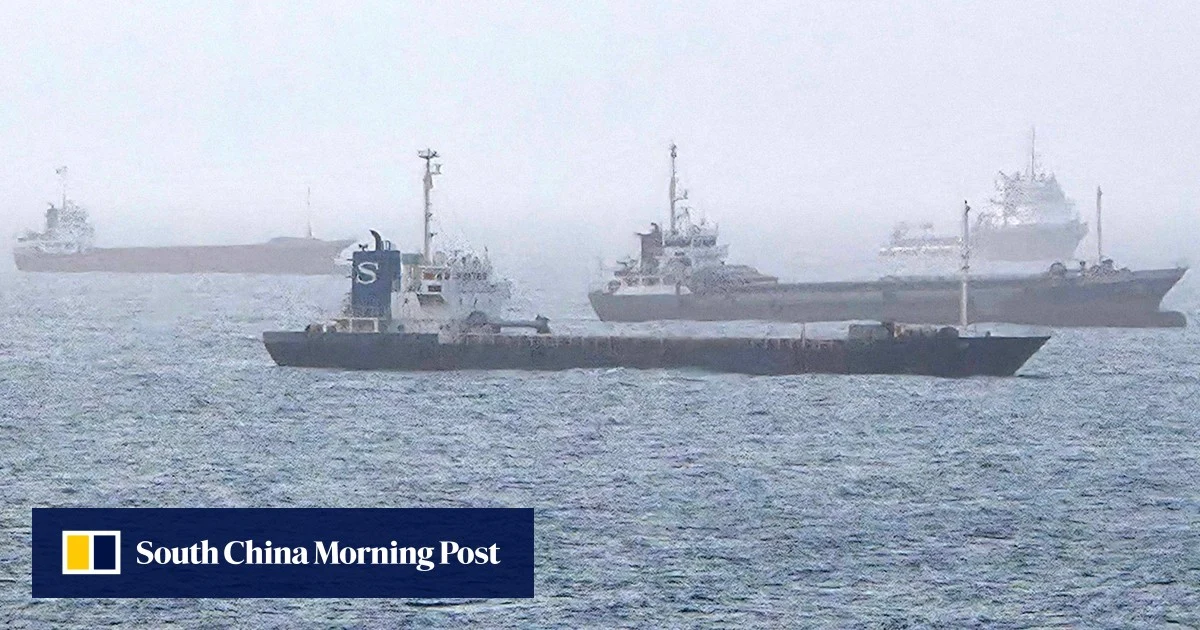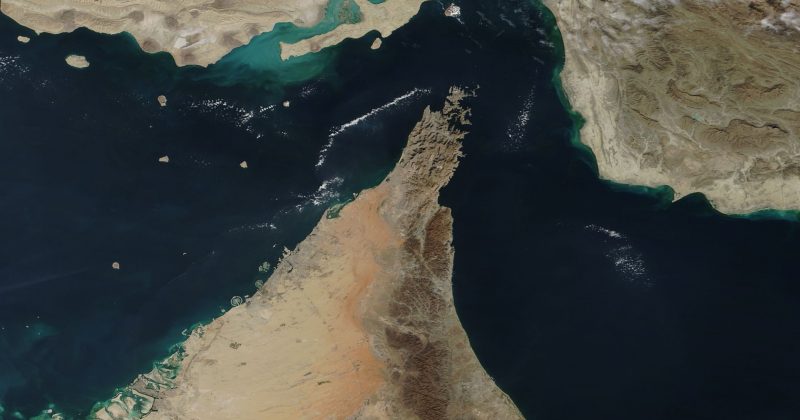
Iran just told Oman, in diplomatic terms, that a fair split isn’t going to work. On July 11, the Islamic Republic rejected a proposed dual-corridor shipping arrangement through the Strait of Hormuz, the narrow waterway responsible for roughly 20% of the world’s oil supply. Instead, Iran countered with its own vision: a single jointly managed corridor where Iran controls all inbound traffic and Oman handles outbound lanes.
What happened at the negotiating table
Oman had put forward what seemed like a reasonable framework. Two separate corridors, one managed by each country, splitting oversight of the 21-to-22-mile-wide strait. Iran’s Foreign Minister Abbas Araghchi led the charge against the proposal, arguing instead for a unified framework under joint management, but with Tehran holding the keys to the front door.
The rejection didn’t happen in a vacuum. A US-Iran memorandum of understanding signed on June 17 established a 60-day toll-free navigation window through the strait, designed to cool tensions temporarily. That window is now approaching its expiration date, and the diplomatic temperature is rising rather than falling.
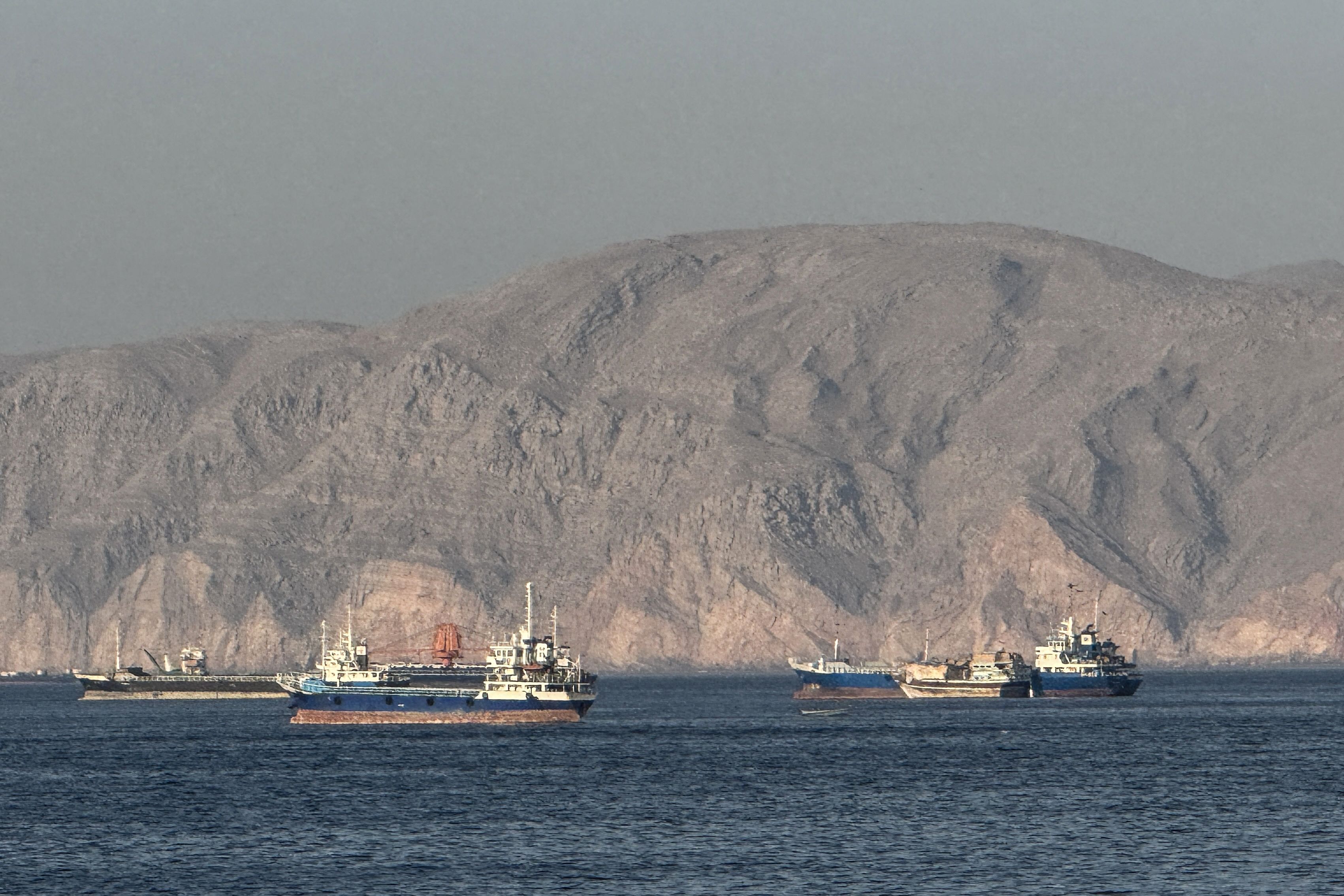
Since that MOU was signed, at least five commercial vessels have been attacked in or near the Strait of Hormuz. The attacks have been tied to Iran’s Revolutionary Guard Corps. The US and UK are reportedly scrambling to organize a high-level maritime security conference before the MOU expires.