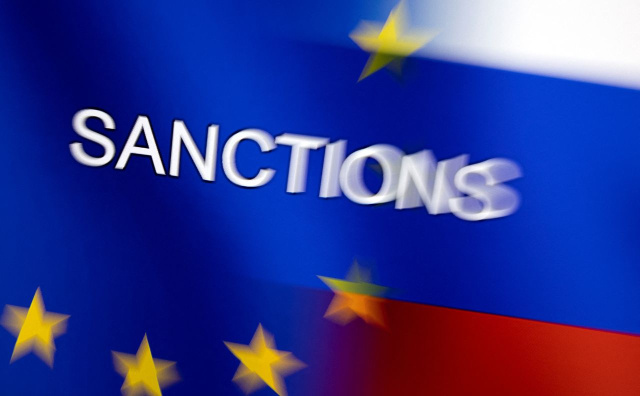
The EU is weighing a shift from its comprehensive sanctions packages to smaller, more targeted measures, either adopted individually or grouped by theme. The goal: stop letting one country hold the entire bloc hostage during negotiations.
What happened with Greece
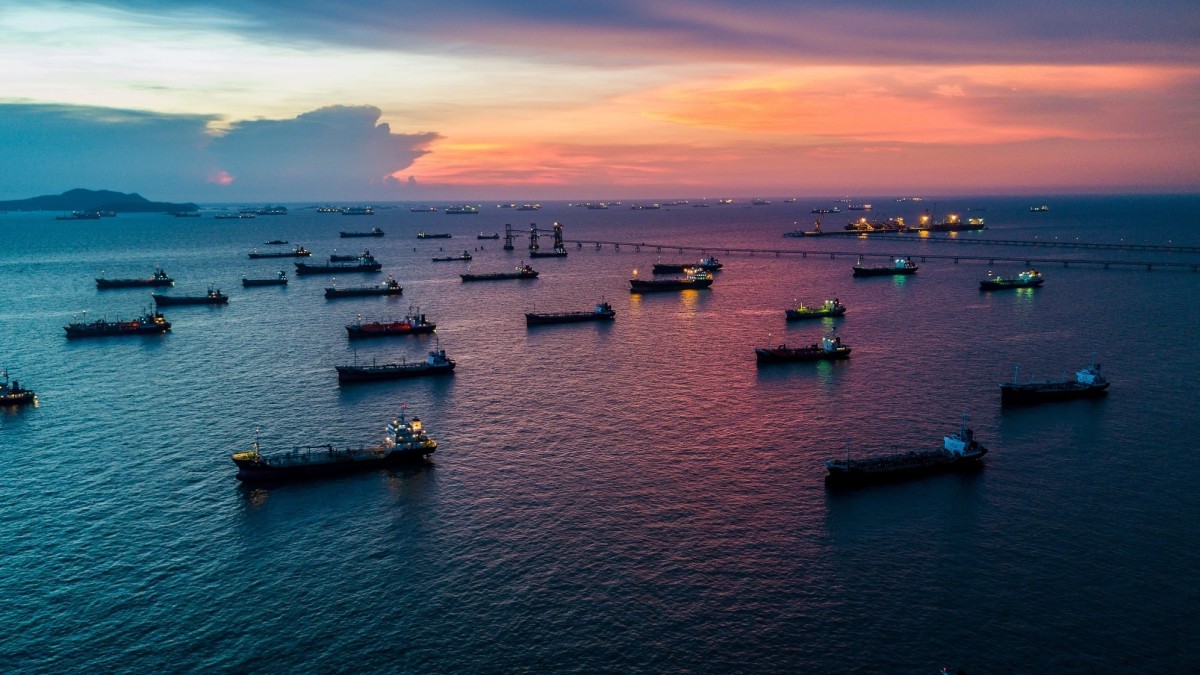
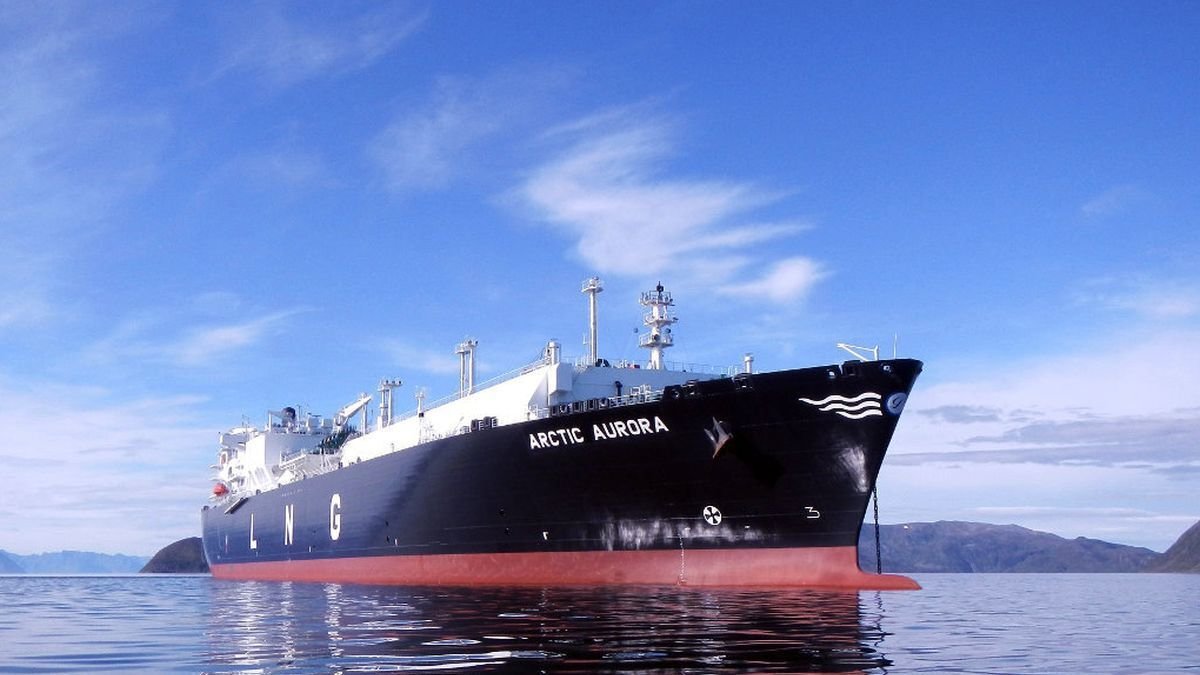
Greece blocked the EU’s 21st sanctions package around June 9, 2026. The reason was straightforward: Athens wanted to protect its shipping firms, particularly Dynagas, from a proposed ban on transporting Russian liquefied natural gas to non-EU countries set to take effect in January 2027.
EU ambassadors approved a compromised version on July 23, 2026. That compromise gave Greece an exemption for its LNG shipping operations while keeping other elements of the package intact.
Those remaining elements included restrictions on banks, cryptocurrency networks, and military entities. But the final product was significantly less stringent than what had originally been proposed.