New Delhi: Following an Athens veto last week aimed at protecting the interests of a Greek shipping tycoon, the European Union (EU) is looking at ways to prevent members from diluting sanctions packages against Russia, the Financial Times (FT) has reported.
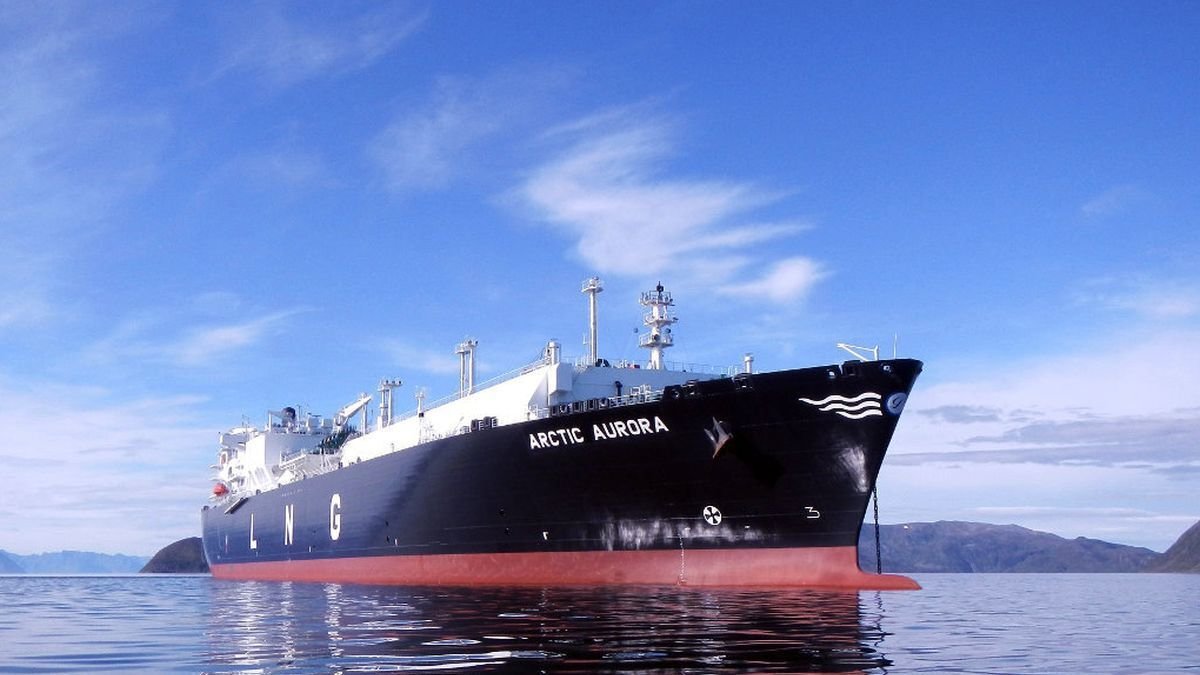
Published on Monday, the report says that EU officials are looking for methods to hasten approvals of more targeted financial restrictions so that its members have fewer opportunities to veto restrictions.According to the report, Athens had for weeks been demanding a waiver for the vessels of shipping company Dynagas so that it could continue transporting Russian Liquified Natural Gas (LNG). Approval for the demand was a prerequisite from Greece to agree on a broader set of EU measures targeting Russia’s financial system and oil export revenues.
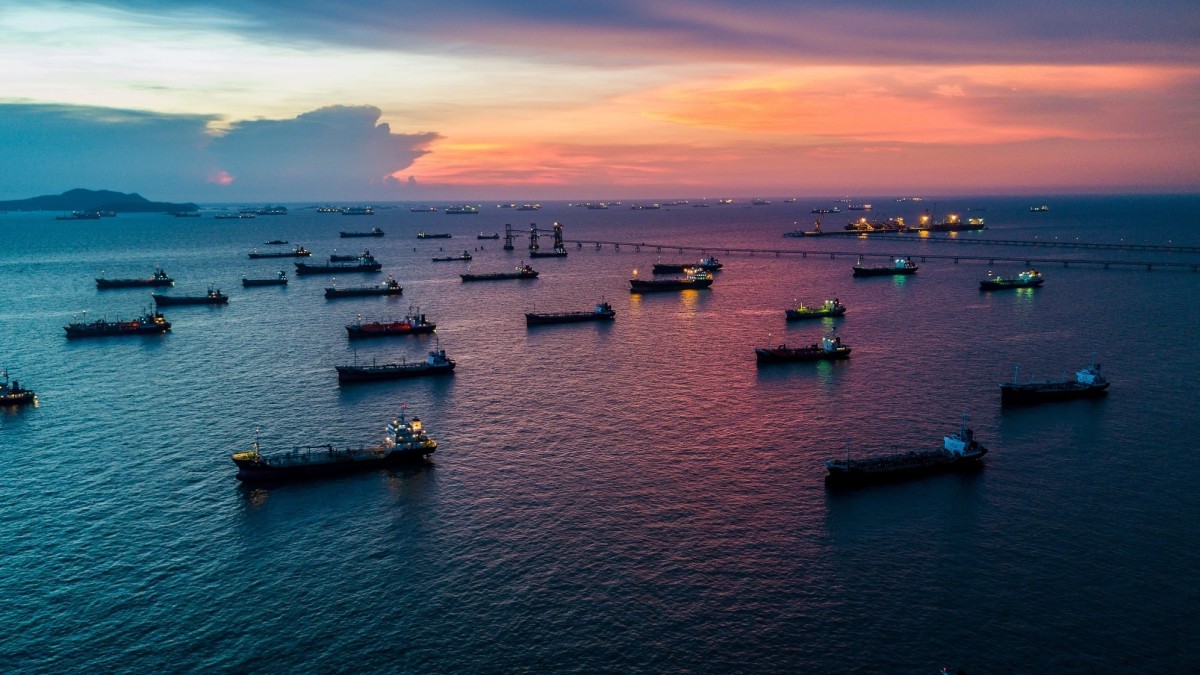
EU officials who spoke to FT said that work is underway to counter tactics like those used by Greece as these have become increasingly prevalent at sanctions negotiations meetings. These tactics are used by EU members to protect companies still in business with Russia.Among potential counter-measures, one idea is to implement sanctions specifically, or in smaller batches, rather than large ‘packages’. The rationale is that this may lower the risk of sanctions being held hostage by veto powers held by EU members.“This could be the last package of sanctions,” an official told the FT, referring to the measures finally agreed on Thursday after weeks of Greek obstruction. “It’s now very clear that this approach does not work anymore.”The EU has passed 21 ‘packages’ of sanctions against Russia since the beginning of the Russia-Ukraine war. The sanctions, agreed upon unanimously by the 27-member bloc, have usually been announced on specific dates, such as the anniversary of Russia’s invasion. This predictability has often led to an impasse in which members’ vetoes on particular measures have held up other unrelated restrictions that have unanimous support.Just such an impasse was on display last week when Greece refused to approve the latest package unless member-states agreed to grant Dynagas, the shipping company owned by billionaire George Prokopiou, an exemption from an unrelated sanction agreed to in October 2025, banning it from transporting Russian LNG to non-EU countries from January 2027.The tactic used successfully by Greece in securing the exemption has, for the first time, debilitated the EU’s economic sanctions against Russia. Athens’ tactic held a slew of measures hostage, including a move to prevent Russia earning billions more from crude oil exports, full asset-freeze sanctions on 94 Russian financial institutions and a transaction ban on 33 banks.EU diplomats in the know of the negotiations said that the tactic deployed by Greece was “outrageous”. “I don’t want to hear anyone talk about ‘solidarity’ anymore,” one diplomat told the FT.According to the FT report, Greek officials have claimed that the LNG transport ban on Dynagas would have hurt the company rather than the Russian economy, and benefit rival shipowners from China or other non-EU countries.Prokopiou has deep commercial ties to China. According to the South China Morning Post, the tycoon ordered more than 155 vessels from Chinese shipyards, including LNG carriers, tankers and bulk carriers.“I have witnessed a miracle with my own eyes. In just one generation, 1.5 billion people have moved from poverty to the middle and upper classes. China has achieved what no other system has done before,” Prokopiou was quoted as saying by Xinde Marine News, a Chinese portal.A spokesperson for the European Commission, which functions as the executive branch of the EU, declined to comment when asked about a change in sanctions strategy.“Nonetheless, it’s worth noting that after 21 packages of this scale since the start of the war, Russia is subject to a large number of sanctions that put it under significant pressure,” the spokesperson said.(Edited by Nardeep Singh Dahiya)