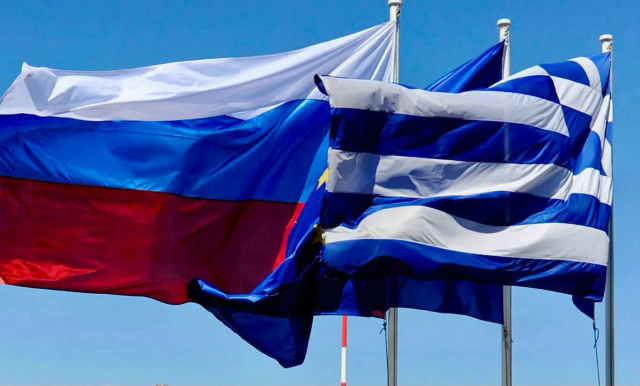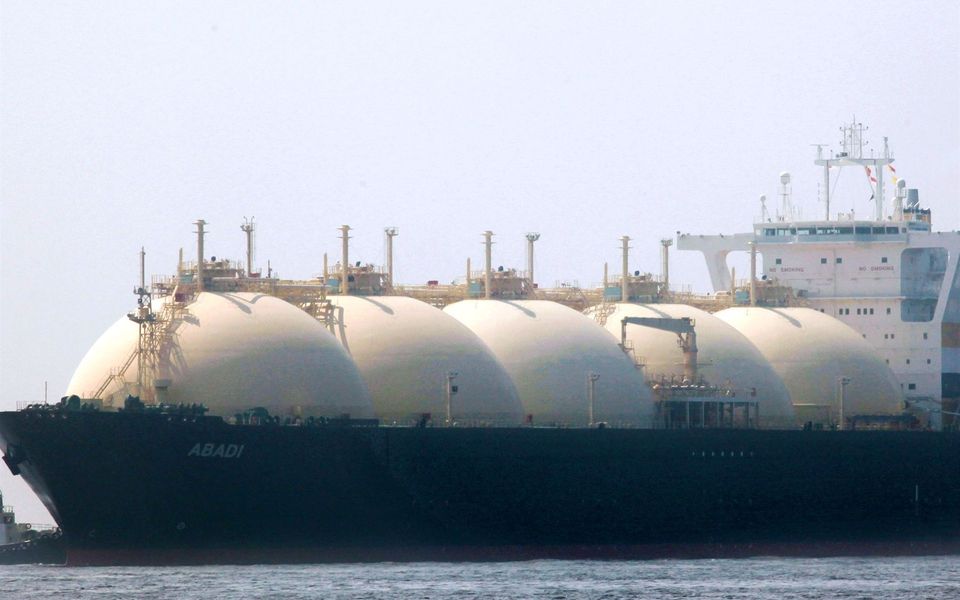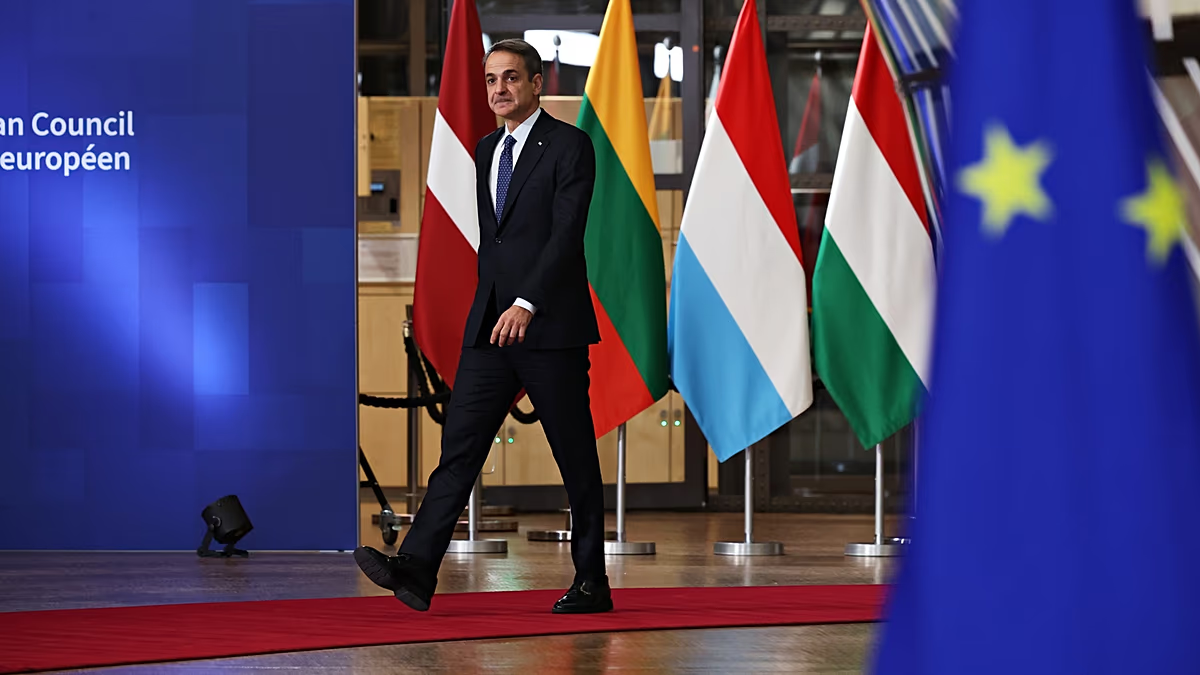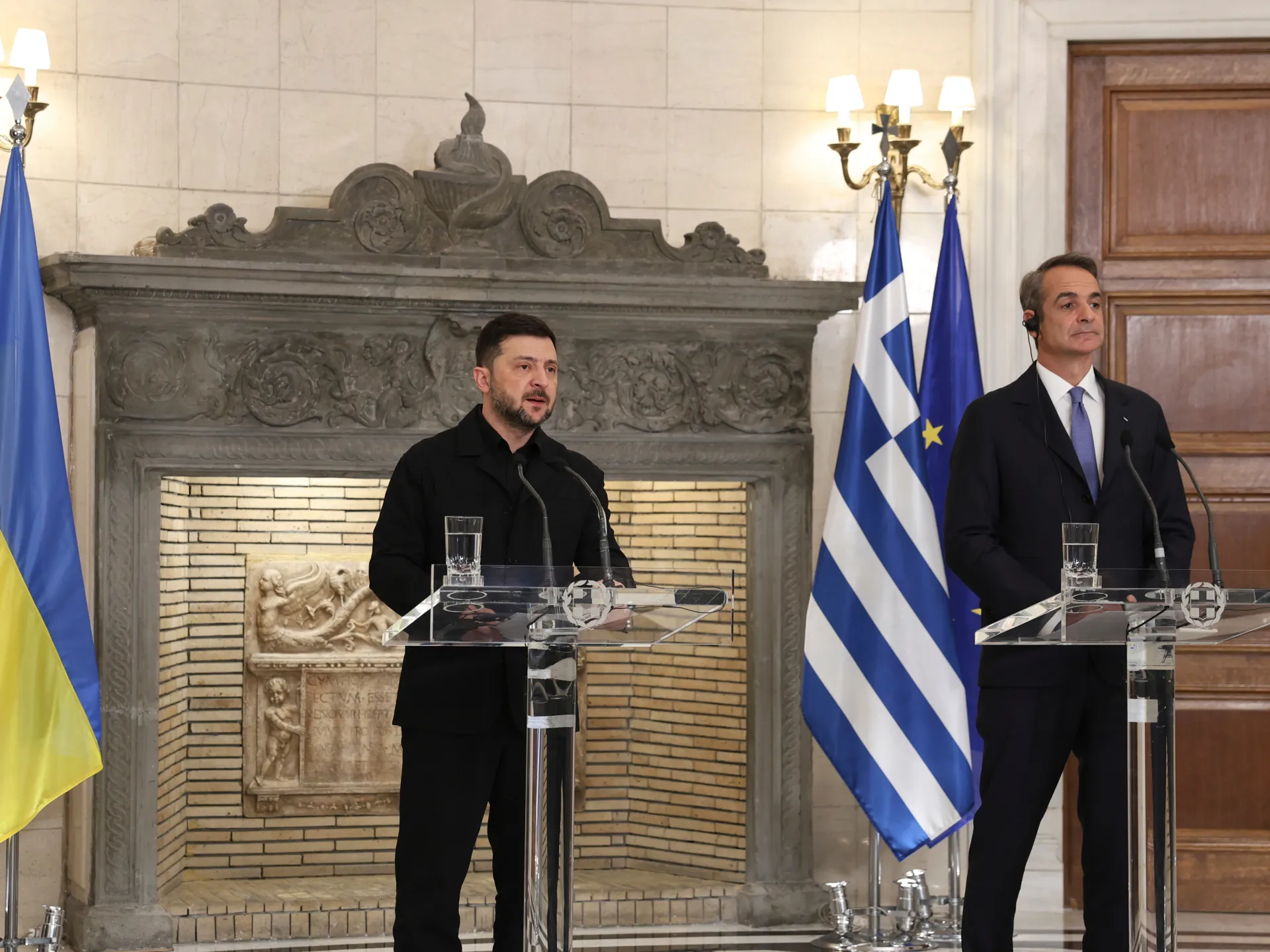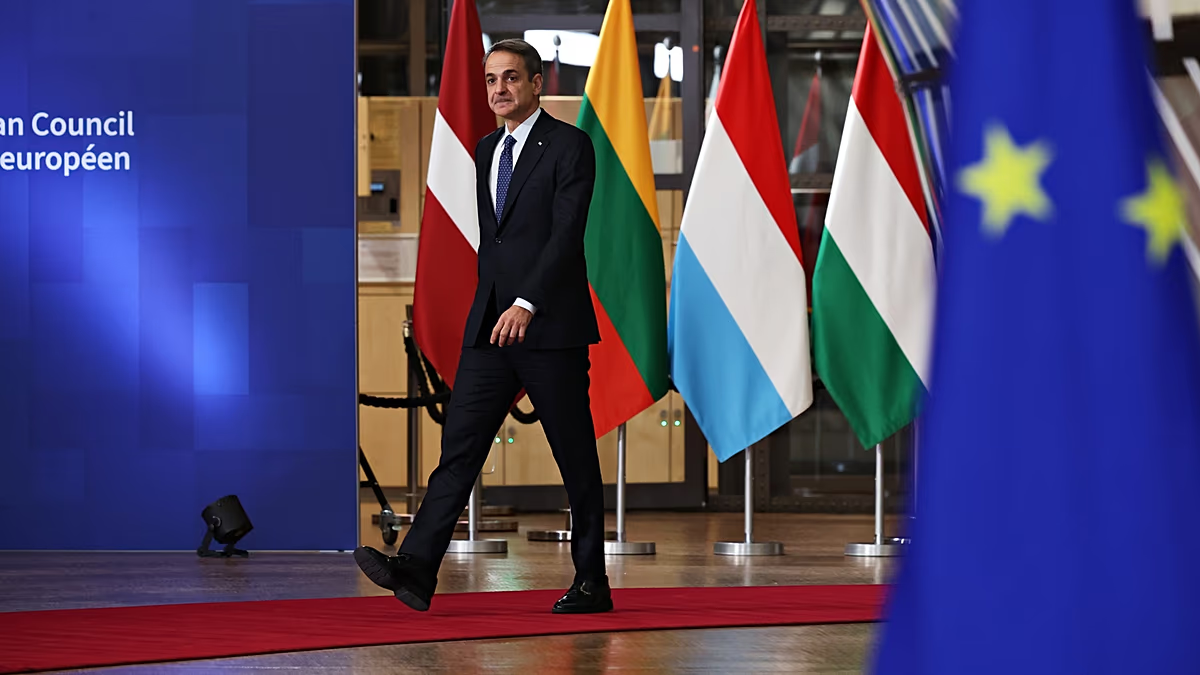
Greece is holding up the latest round of European Union sanctions against Russia over a ban on liquefied natural gas (LNG) that is scheduled to come into full force in 2027.
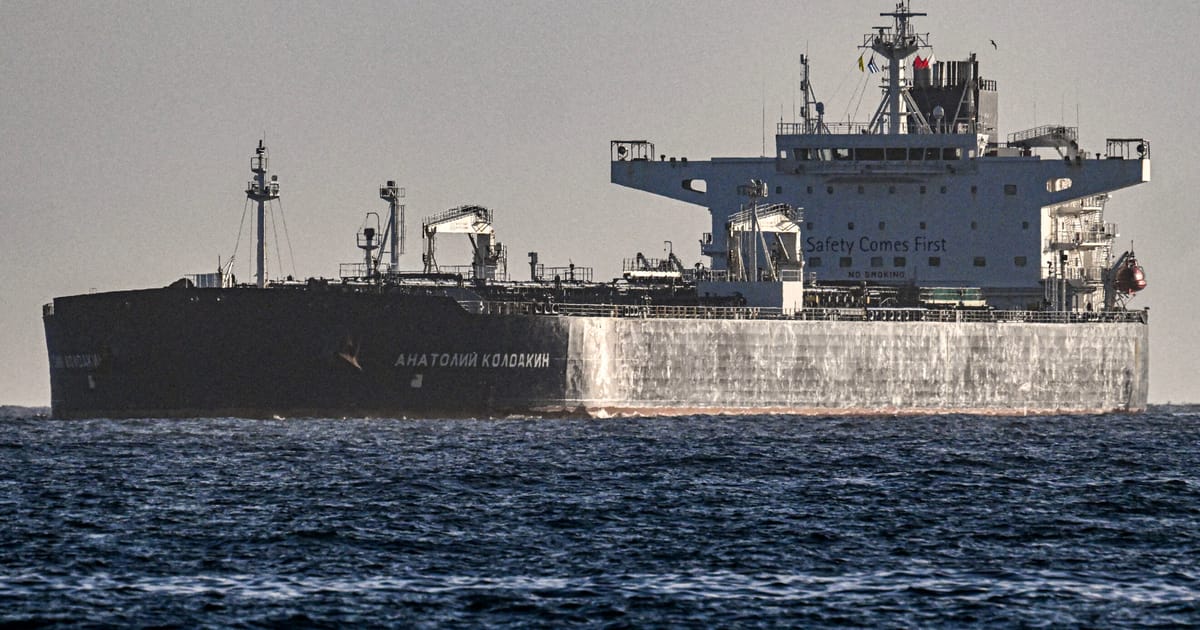
The ban, as agreed last year, will prohibit the "purchase, import or transfer, directly or indirectly," of LNG that "originates in Russia or is exported from Russia". But Greece, which hosts the world's largest merchant fleet, wants the legal text revised to allow the transport of Russian LNG to continue past the cut-off date.
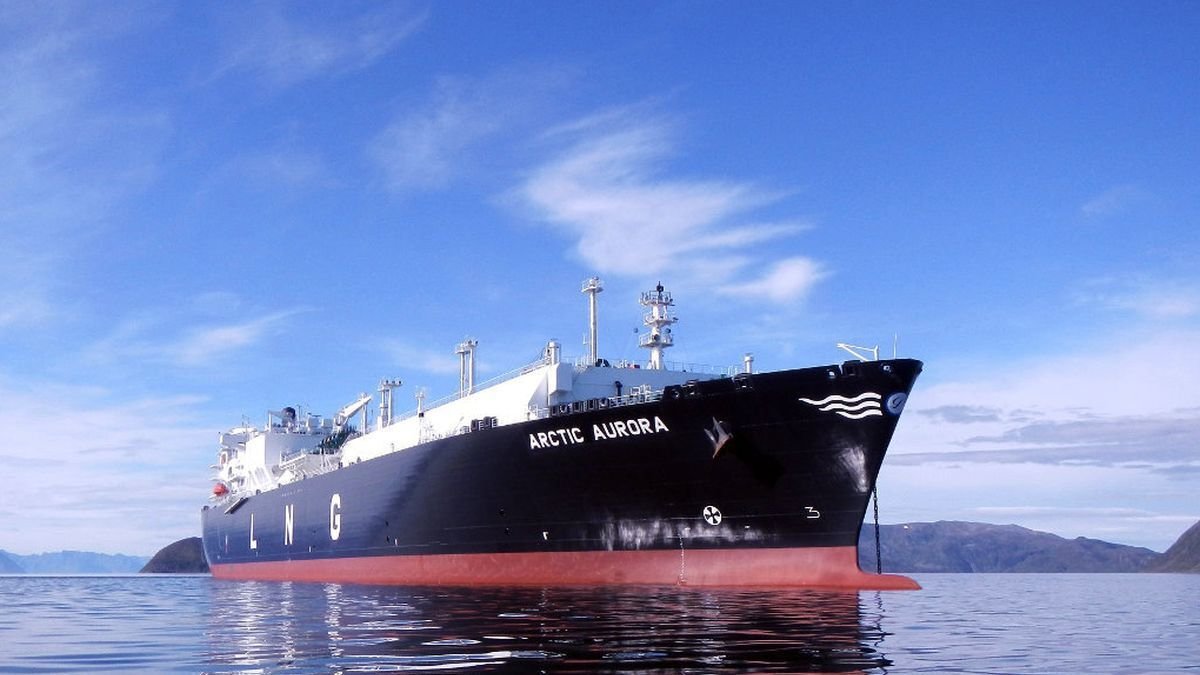
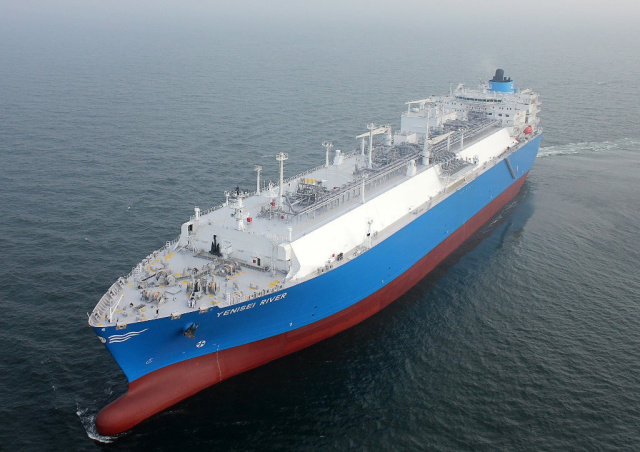
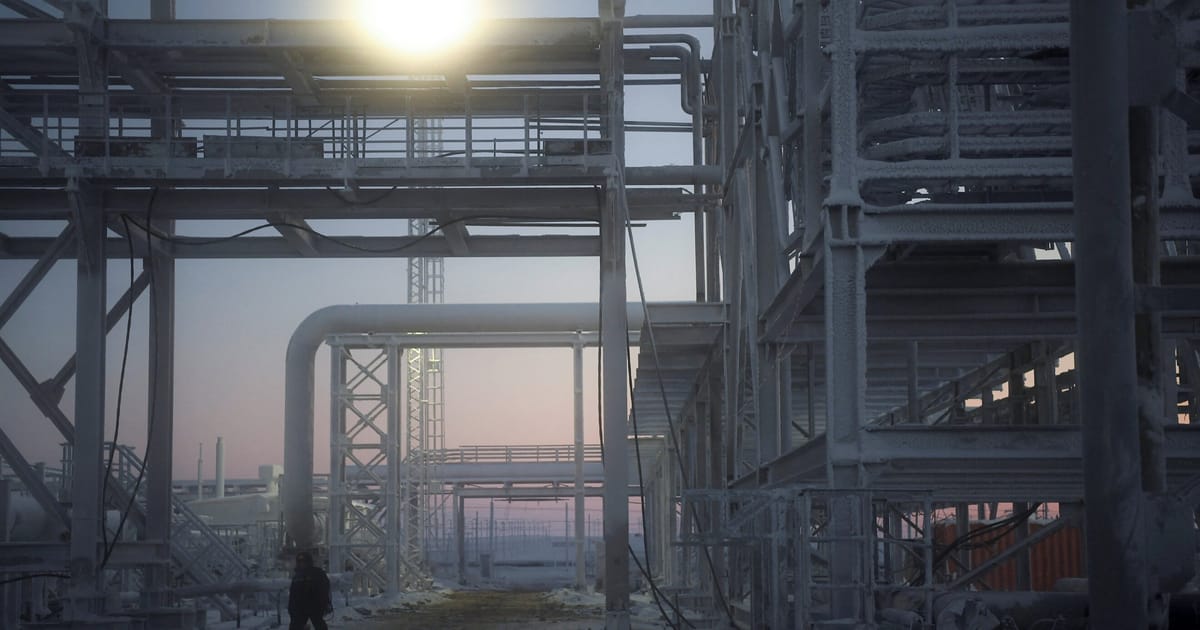
The main beneficiary would be Dynagas, a company specialised in shipping in sub-zero temperatures and owned by Greek billionaire George Prokopiou. Dynagas and its subsidiary have chartered 11 vessels, including seven Arctic-resistant icebreakers, to Russia's largest gas facility, Yamal LNG.
The Greek government and Dynagas argue that the ban on Russian LNG will damage Europe's maritime services industry, destroy employment opportunities, empower foreign competitors and ultimately fail to weaken Moscow's war chest.
As the dispute drags on, Euronews examines three possible ways to break the deadlock.