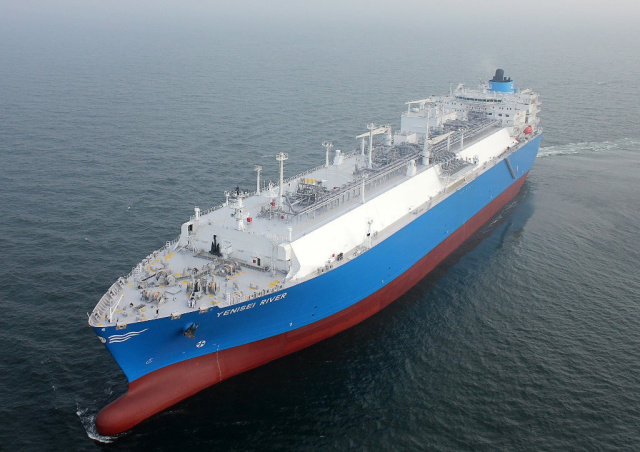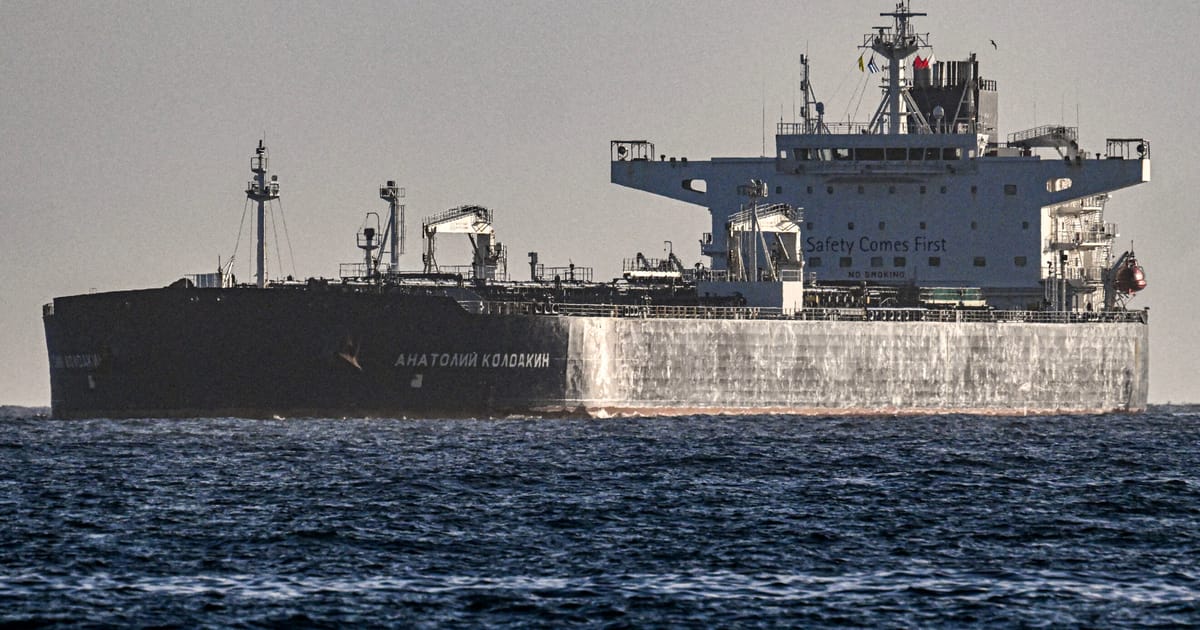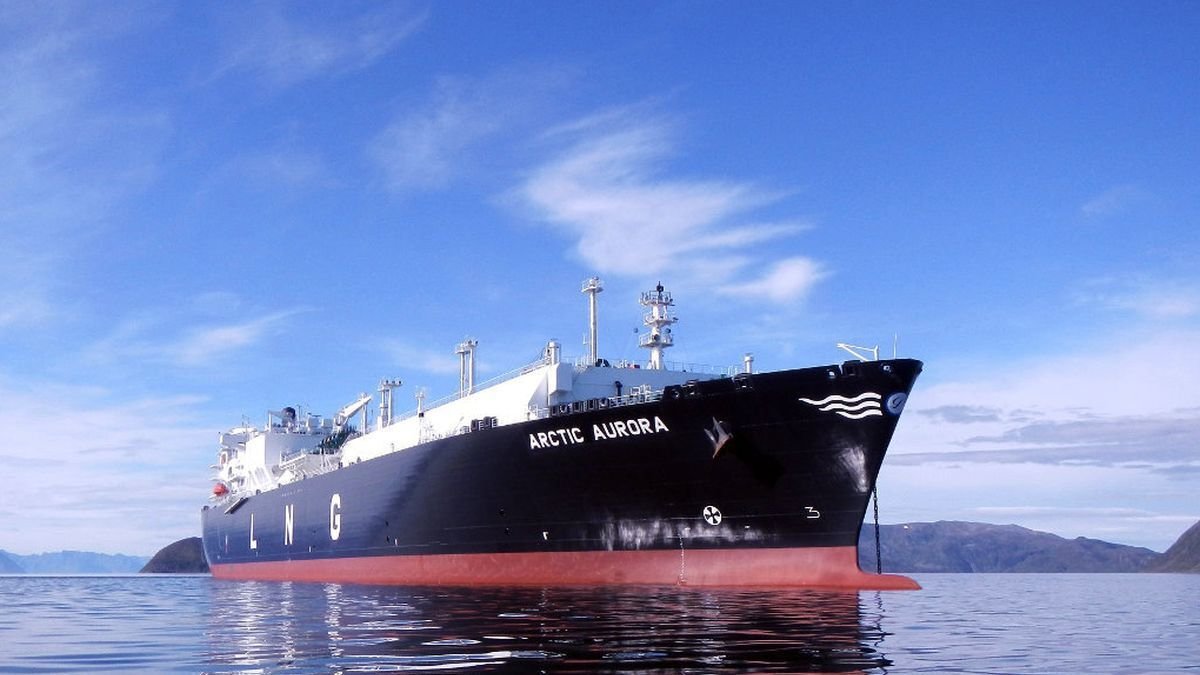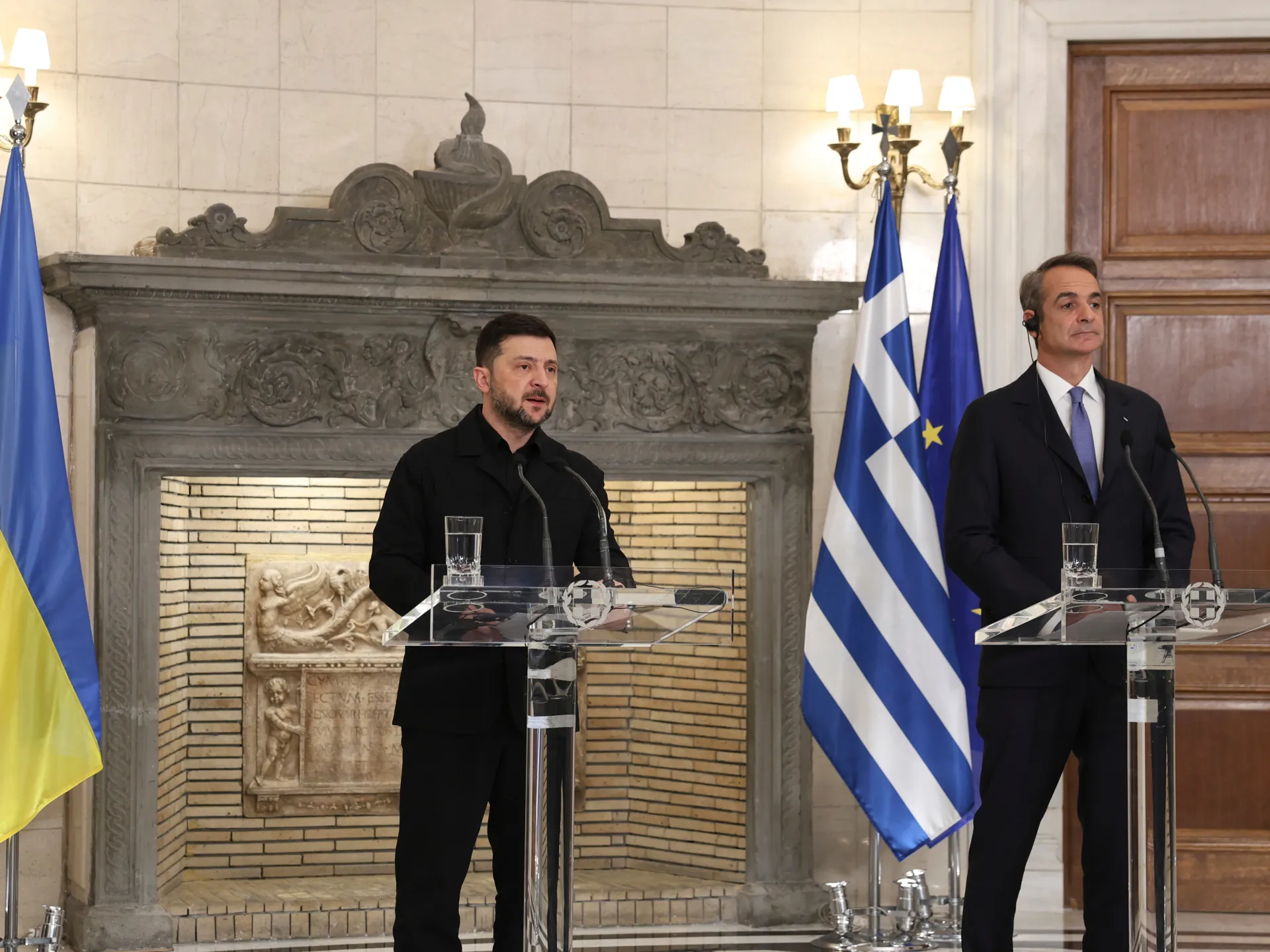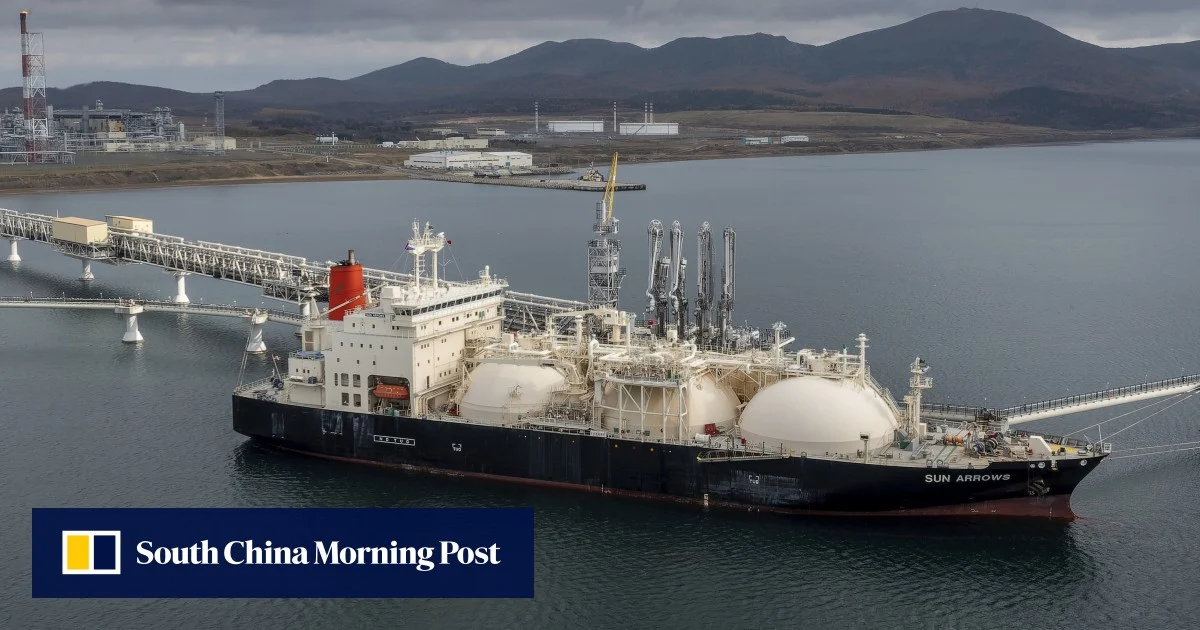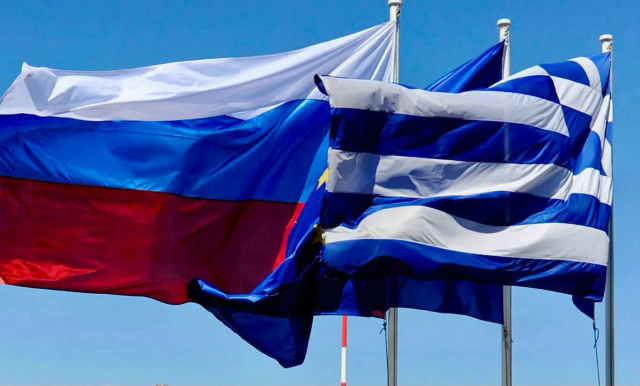
The last EU agreement about the latest sanctions package against Russia is being presented by Brussels as another demonstration of European unity and determination to sustain economic pressure on the Kremlin. Since February 2022, sanctions have been one of the EU's principal strategic instruments, targeting Russian banking, technology, defense industries and increasingly Russia’s energy sector. However, the negotiations surrounding the latest package have now revealed that Europe continues to face an uncomfortable dilemma. Brussels needs to confront the question: “How far can it tighten sanctions before they begin to undermine its own commercial strengths?”This has now come sharply into focus during discussions over Russian liquefied natural gas (LNG). As expected by some, Greece, supported by its position as one of the world's largest maritime nations, has urged that restrictions affecting LNG shipping should be carefully calibrated to avoid damaging the competitiveness of European shipping companies while doing little to reduce Russia's export revenues. Brussels’s compromise has now included a temporary exemption for certain shipping activities related to Russian LNG destined for third countries. With this compromise, the EU is allowed to move the wider sanctions package forward. While politically necessary to secure agreement among all member states, the last discussions and negotiations have now highlighted the increasingly difficult balance between geopolitical objectives and commercial realities. The debate is significant, as it not only goes well beyond one exemption or one member state, but it also has now exposed to the public (and to Moscow) a broader structural issue within Europe's sanctions strategy. At present, European public discussions mainly have been focused on imports, how much Russian oil or gas Europe continues to buy, how dependence has fallen since 2022, or how energy diversification has progressed. The real issue at present, which has now come into the open, should be that attention should be paid to the infrastructure that enables Russian hydrocarbons to reach customers elsewhere in the world. In a globally interconnected energy market, as stated before, hydrocarbon production only creates value if they can be transported to buyers. At present, maritime logistics are as important as pipelines once were.Without any doubt, Russia remains one of the world's largest exporters of crude oil, petroleum products, and LNG. Even though EU imports have declined since the Russian invasion of Ukraine, global demand for Russian hydrocarbons has not disappeared. Russian trade has just been redirected, especially to India (crude oil) and China (imports expanded), while Turkey has increased its role as both consumer and processing hub. Russian LNG cargoes continue to find markets beyond Europe. Brussels needs to understand that reducing volumes does not automatically eliminate Russian export revenues, especially if sufficient transport capacity remains available. This is where shipping enters the geopolitical equation.Greek shipowners have long occupied a dominant position in global energy transportation, controlling one of the largest merchant fleets and shaping international influence. Recognizing this can foster a sense of strategic importance and stakeholder pride among policymakers and industry professionals.The current debate, based on the above, is not surprising. Athens approaches sanctions affecting shipping differently from member states with little direct exposure to maritime transport. Greek officials argue clearly that unilateral restrictions on European shipping could simply transfer business to competitors outside the European Union. They also are right that it will not materially reduce Russia's ability to export energy. Asian and Middle East competitors will fill in the space.From a commercial perspective, this argument has merit, as shipping is one of the most international industries in the world. Vessels can change flags; charterers can seek alternative operators, and last but not least, cargoes can be rerouted with remarkable speed. Restricting one group of owners does not immediately remove ships from the market. That distinction lies at the heart of the current debate.Supporters of Greece's position contend that sanctions should target Russia rather than weaken Europe's own maritime industry. Critics counter that every exemption reduces the overall coherence of the sanctions regime and risks sending mixed signals about the EU's strategic priorities. Both hold arguments that are true.The results of ongoing sanctions have also been mixed. Since 2022, Russia's energy exports have evolved. Initial sanctions focused heavily on reducing direct European dependence on Russian hydrocarbons. Over time, however, attention shifted toward limiting the revenues generated by those exports, linked to measures such as the G7 oil price cap, restrictions on maritime services and sanctions against vessels associated with the so-called shadow fleet.Yes, Russia faces higher transportation costs, longer voyage distances and greater reliance on non-Western financial and insurance networks. However, global oil and gas markets have been very adaptive, as new trade routes emerged, intermediary trading hubs expanded and alternative shipping arrangements developed. Sanctions did not eliminate Russia's ability to continue exporting substantial volumes of oil and LNG.This experience raises an important policy question: should future sanctions focus more heavily on transport capacity itself? Maritime logistics operate within an international commercial ecosystem involving shipowners, charterers, insurers, classification societies, financiers, and port operators. TO set up effective sanctions, it will require understanding not only energy markets but also the complex mechanics of global shipping. It is even more complex in the LNG sector, as LNG exports rely on specialized liquefaction facilities, receiving terminals and, critically, a relatively limited fleet of sophisticated LNG carriers. Decisions affecting LNG shipping therefore have consequences that extend beyond individual cargoes, influencing market flexibility, voyage economics, and long-term contractual relationships.As Europe continues to strengthen its sanctions architecture, these realities cannot be ignored. The latest negotiations involving Greece demonstrate that sanctions policy has entered a new phase. The new phase is one in which maritime logistics, commercial competitiveness and geopolitical strategy are becoming increasingly intertwined. Whether the EU can reconcile those competing priorities without weakening either its shipping industry or the credibility of its sanctions regime will shape the next chapter of European energy policy.Brussels will now need to recognize that it faces an unusually complex policy challenge. If sanctions become sufficiently restrictive to remove experienced European operators from Russian LNG transport, Brussels will need to get to grips with the fact that there is no guarantee that Russian exports will cease. All of this is a result of the recognition that there is a broader evolution in European strategic thinking. Since 2022, the main focus has been on energy security through diversification of supply, expansion of LNG import capacity, and accelerated investment in renewable energy. Now it becomes clear that there needs to be a focus on maritime transport as a strategic asset. Control over logistics increasingly shapes geopolitical influence.Russia understands one simple fact: transportation determines market access. China understands it through its global investments in ports and shipping. Arab countries are investing billions of dollars in maritime infrastructure for the same reason. Brussels is only starting to recognize that merchant fleets have become instruments of strategic resilience as much as commercial enterprises.That recognition may ultimately prove to be one of the most significant consequences of the current sanctions debate. As long as there is no real change, Russian LNG and crude will be reaching markets, some of them still transported by European parties.By Cyril Widdershoven for Oilprice.comMore Top Reads From Oilprice.comChinese Tankers Push Through Bab el-Mandeb Despite Houthi Blockade ThreatsU.S. Refinery Utilization Hits 96.2% as Fuel Markets Tighten WorldwideLNG Importers Seek Lower Qatar and UAE Prices as War Upends Deals
Greece Exposes the Limits of Europe's Russia Energy Sanctions | OilPrice.com
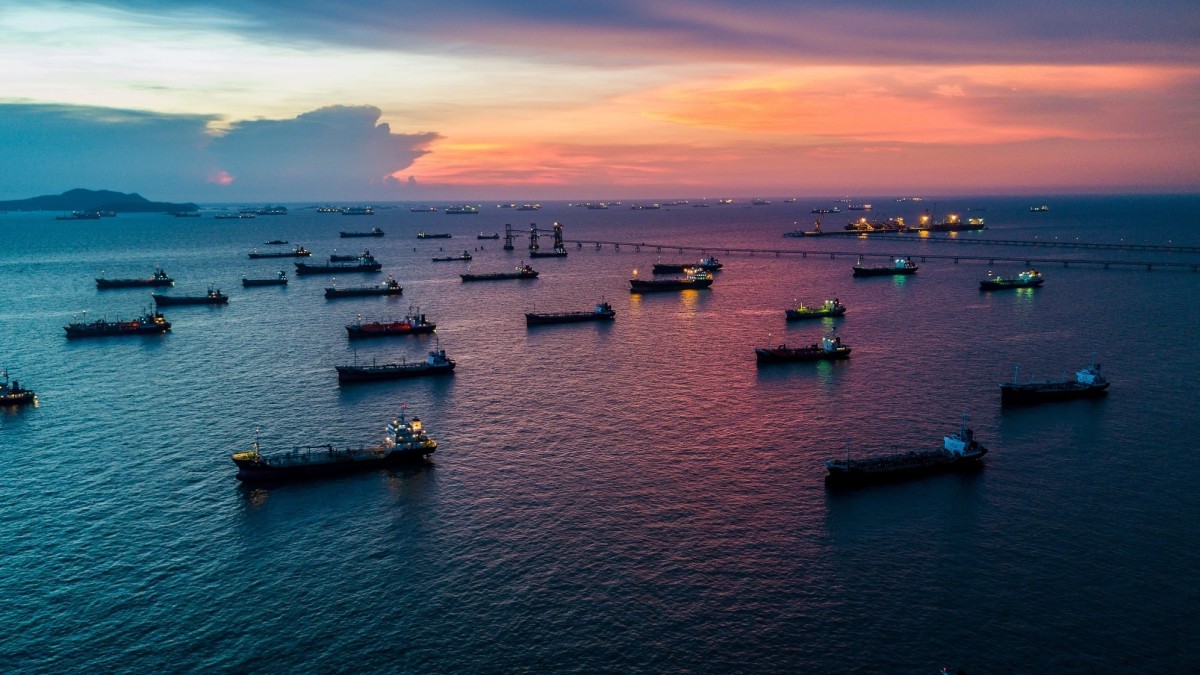
Greece pushed for exemptions on Russian LNG shipping, arguing tougher restrictions would hurt European shipowners more than Russia's energy exports.
1,215 words~6 min read