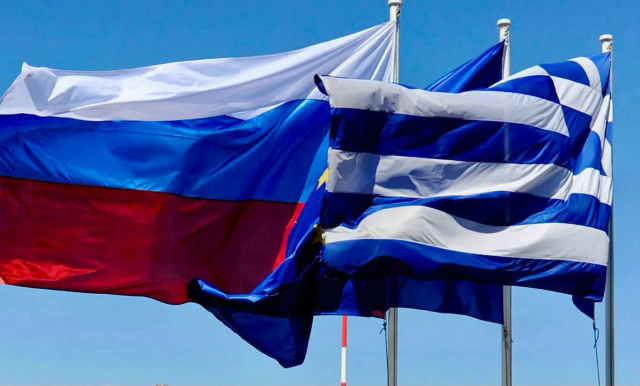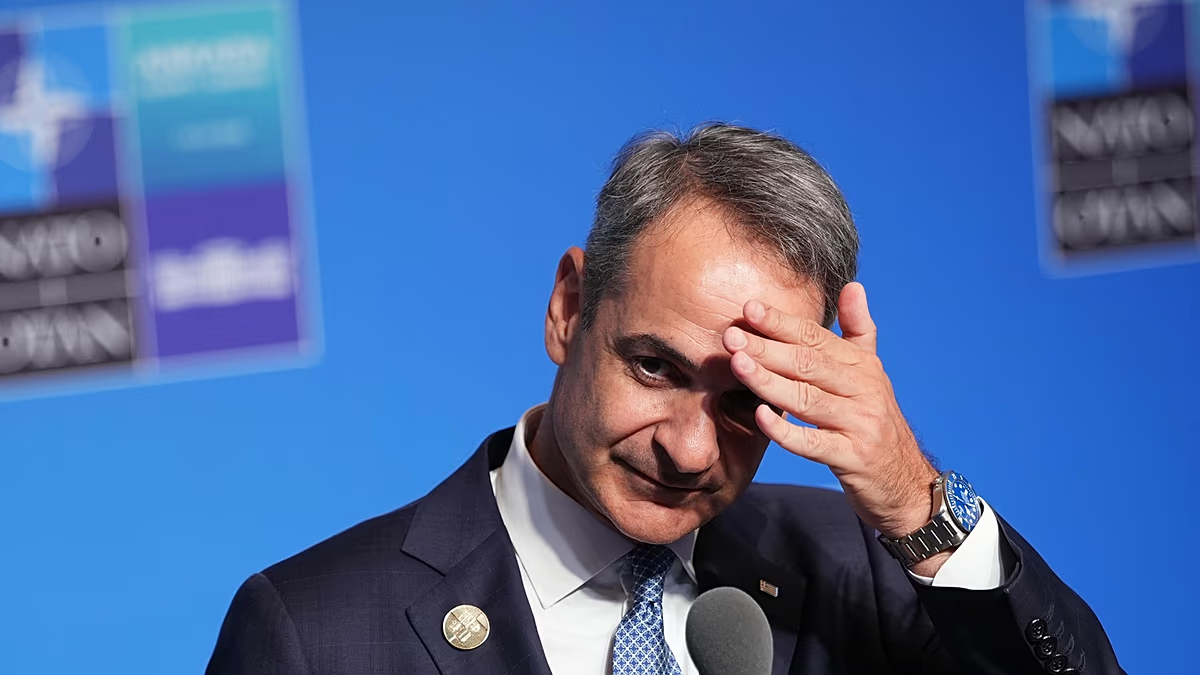
The European Union's push to approve a new round of sanctions against Russia has bumped into a formidable roadblock: Greece.
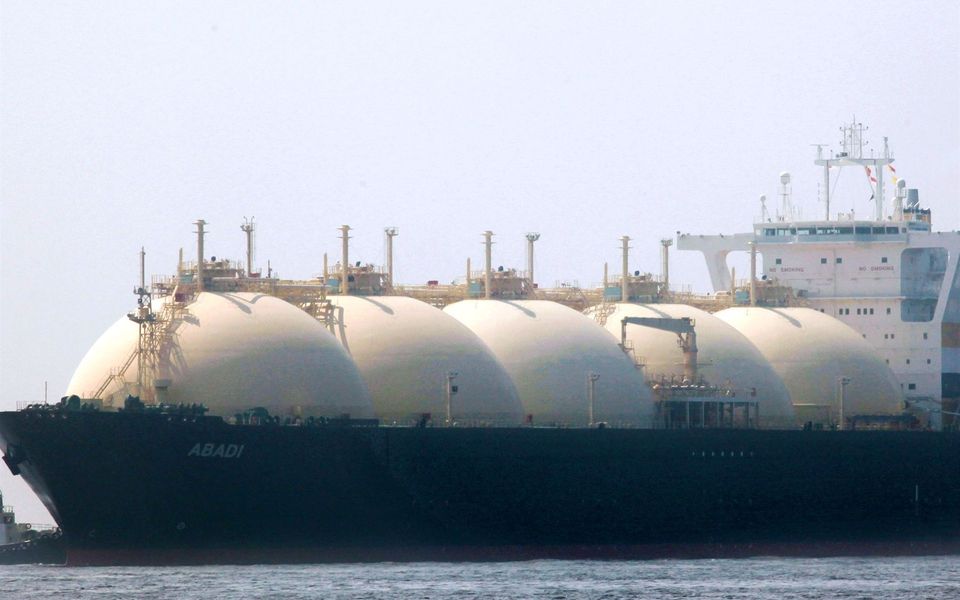
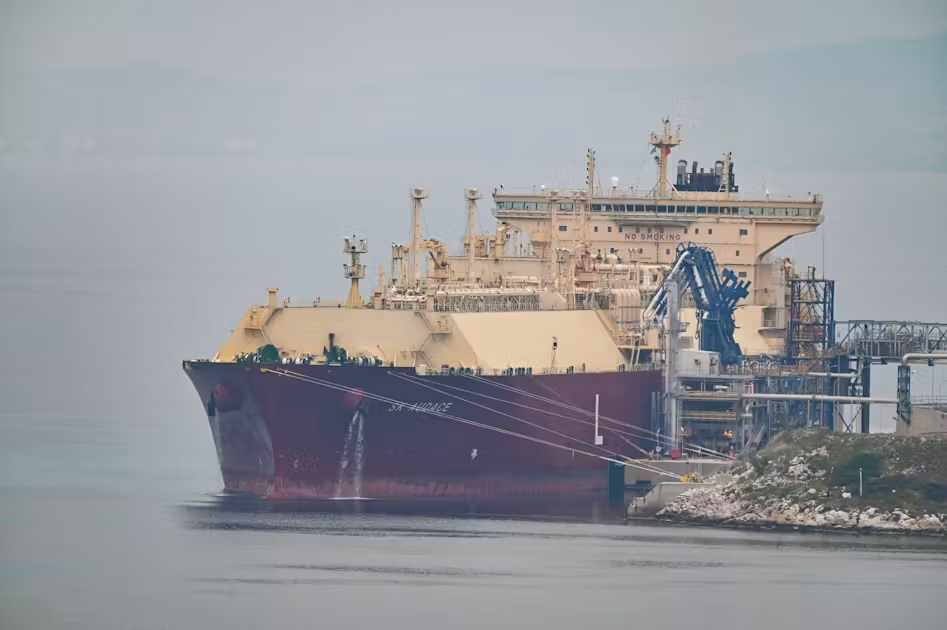
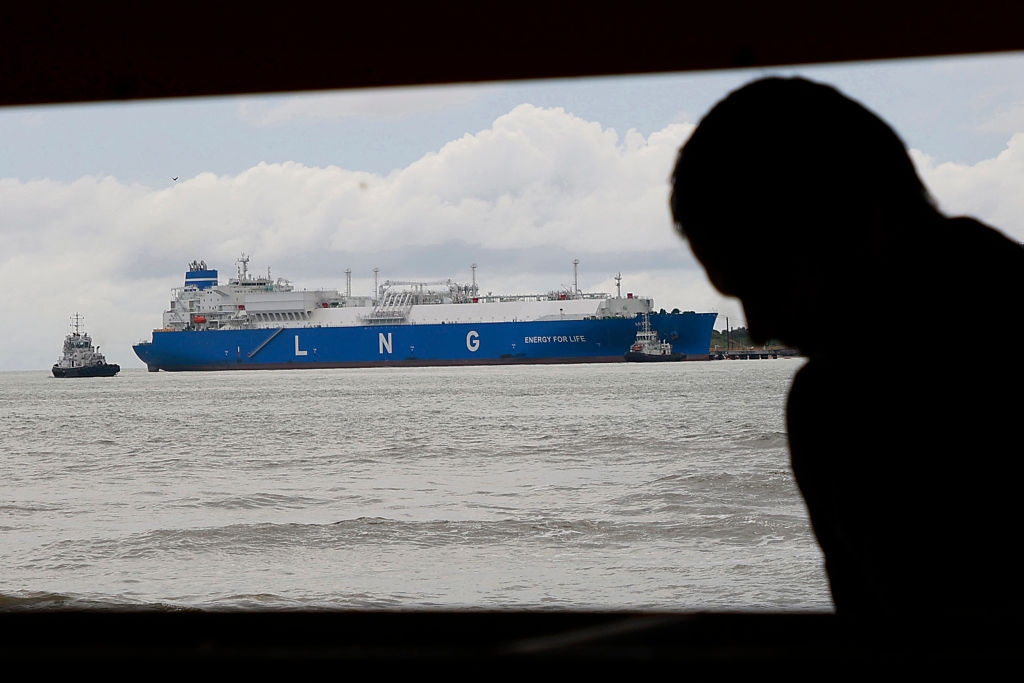
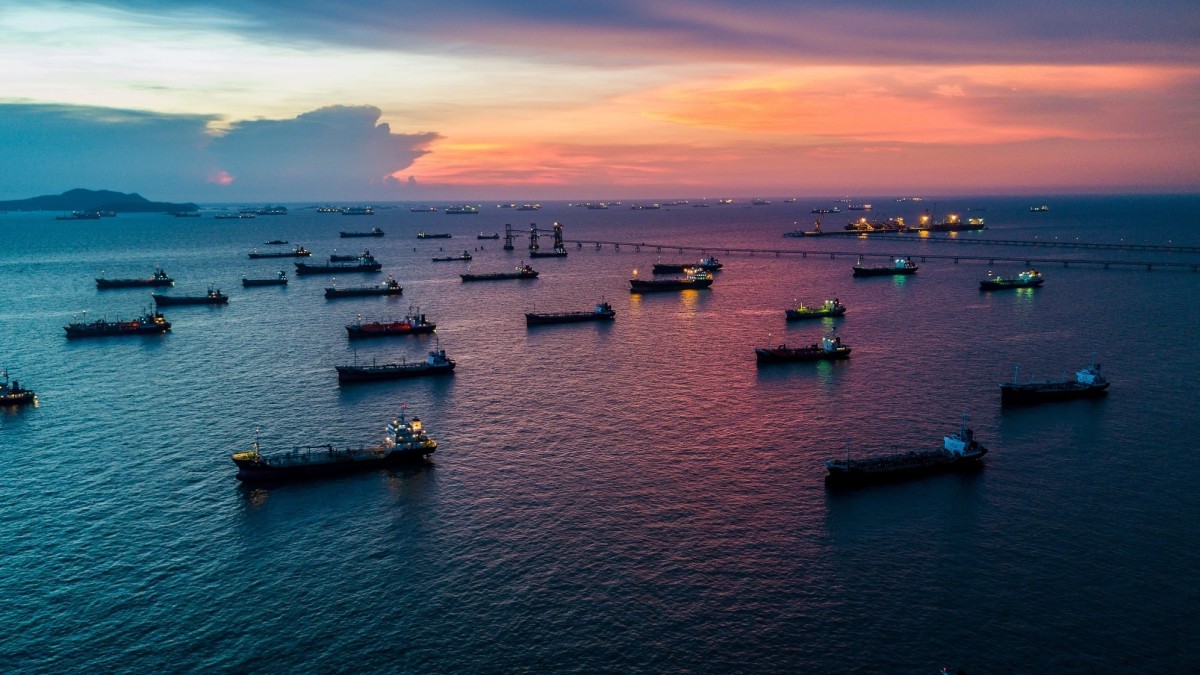
The country, which hosts the world's largest merchant fleet, has put its foot down and demanded an adjustment to the EU-wide ban on Russian liquefied natural gas (LNG), scheduled to take full effect on the first day of 2027.
The ban, as agreed last year, will prohibit the "purchase, import or transfer, directly or indirectly," of LNG that "originates in Russia or is exported from Russia".
Greece now seeks to reopen the measure and insert an exemption to allow the transport of Russian LNG to continue to non-EU clients worldwide. The coastal country is not interested in buying LNG for domestic consumption but wants to preserve the market opportunities that come with global shipping.
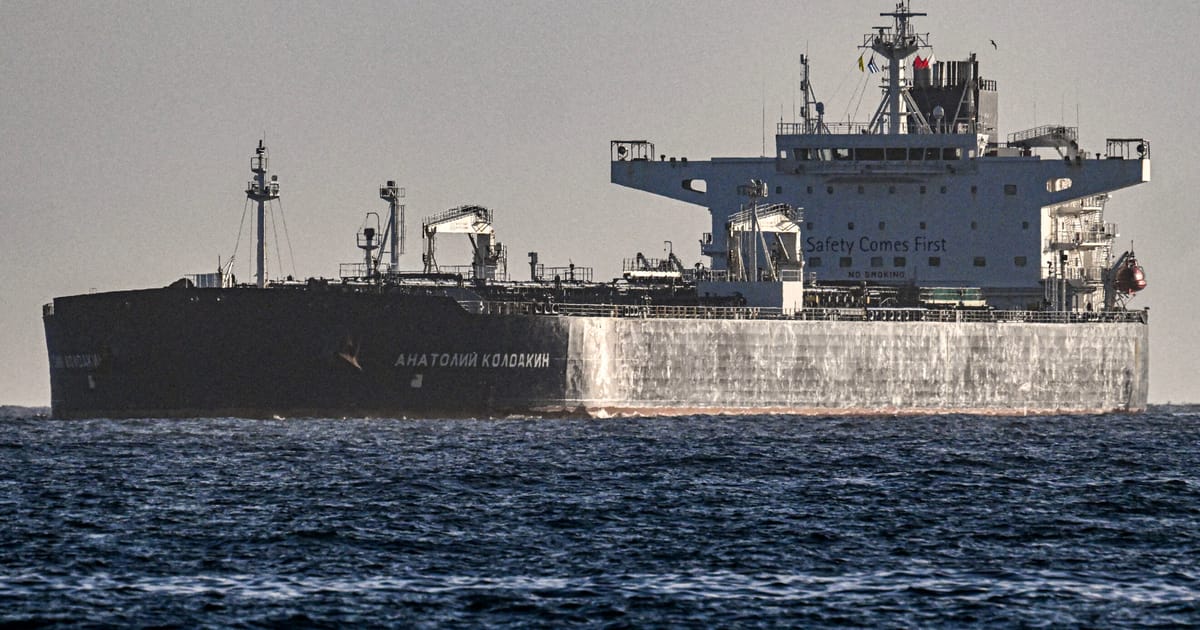
Greek officials argue that banning transport would be "all pain, no gain" because Moscow would find other countries, namely China, willing to take on the crucial job and would retain its energy income as it is today. (Greece used a similar argument earlier this year to derail a full ban on maritime services for Russian oil tankers.)