The European Union is still trying to find ways to slow Russia’s war machine in Ukraine. But its member states are becoming increasingly less able to agree on how to do so.
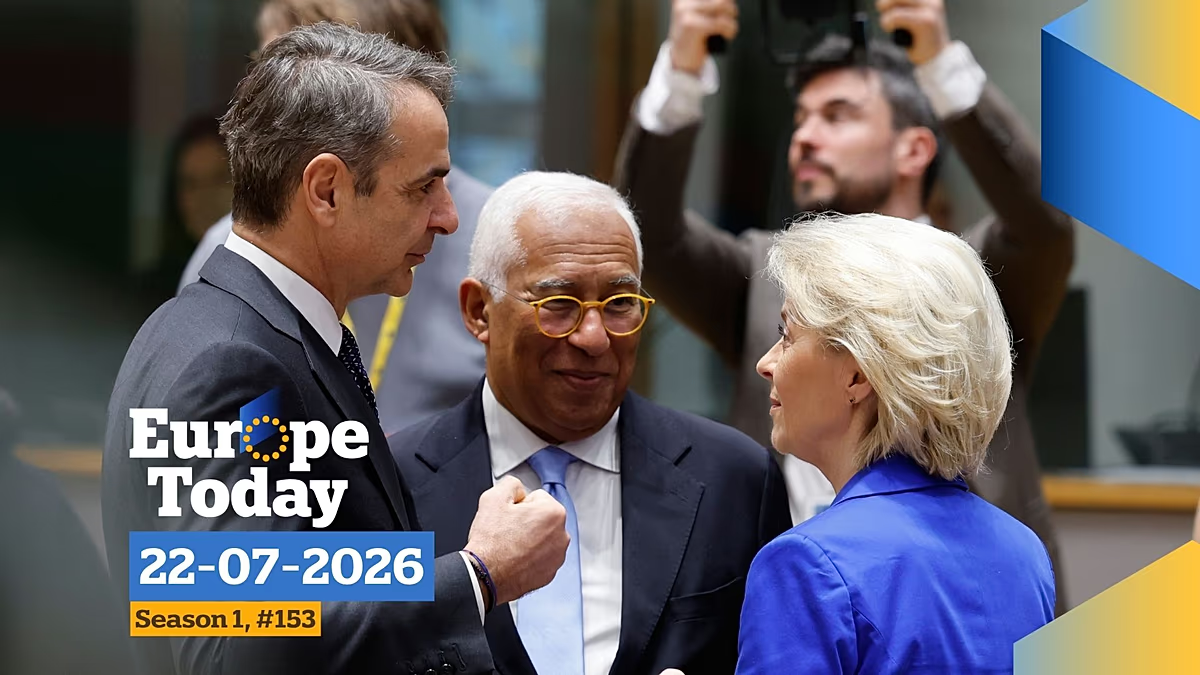
Nevertheless, after lengthy and chaotic talks on Wednesday (22 July), they managed to agree on the 21st sanctions package against Russia on Thursday morning.
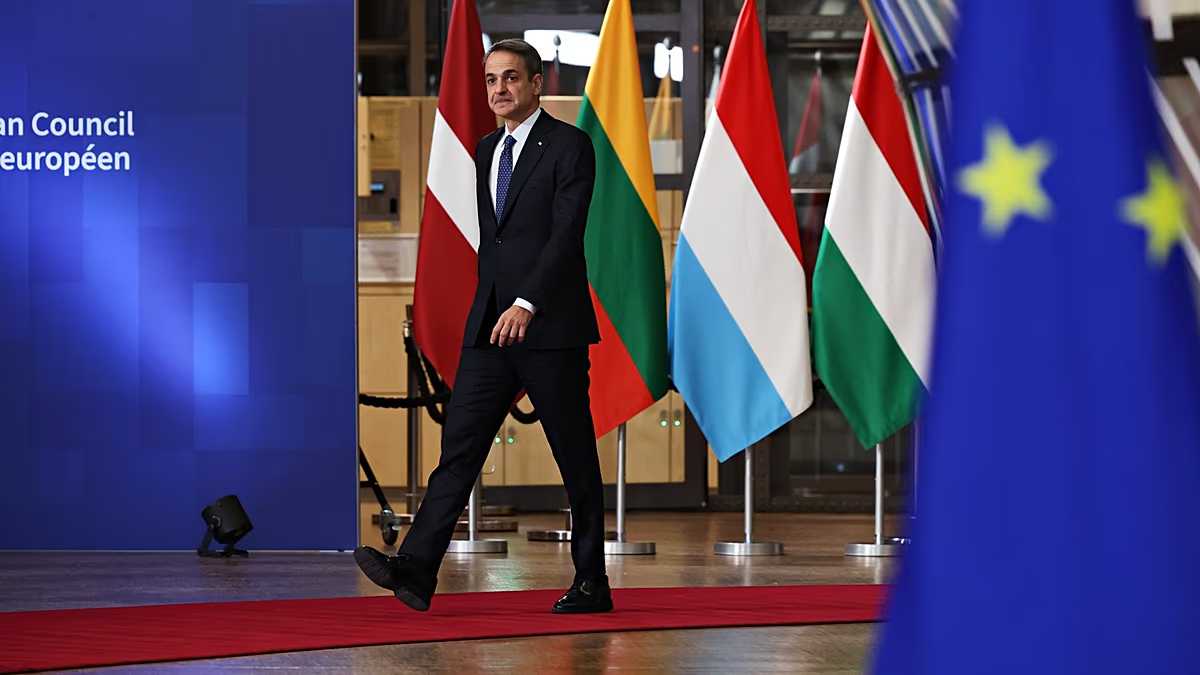
While previous rounds had regularly been blocked by Viktor Orbán, the now former Hungarian prime minister, with prime minister Robert Fico also backing him in recent months, this time a new country took the lead in opposing the measures: Greece, which held up the entire latest package over one part of the sanctions.
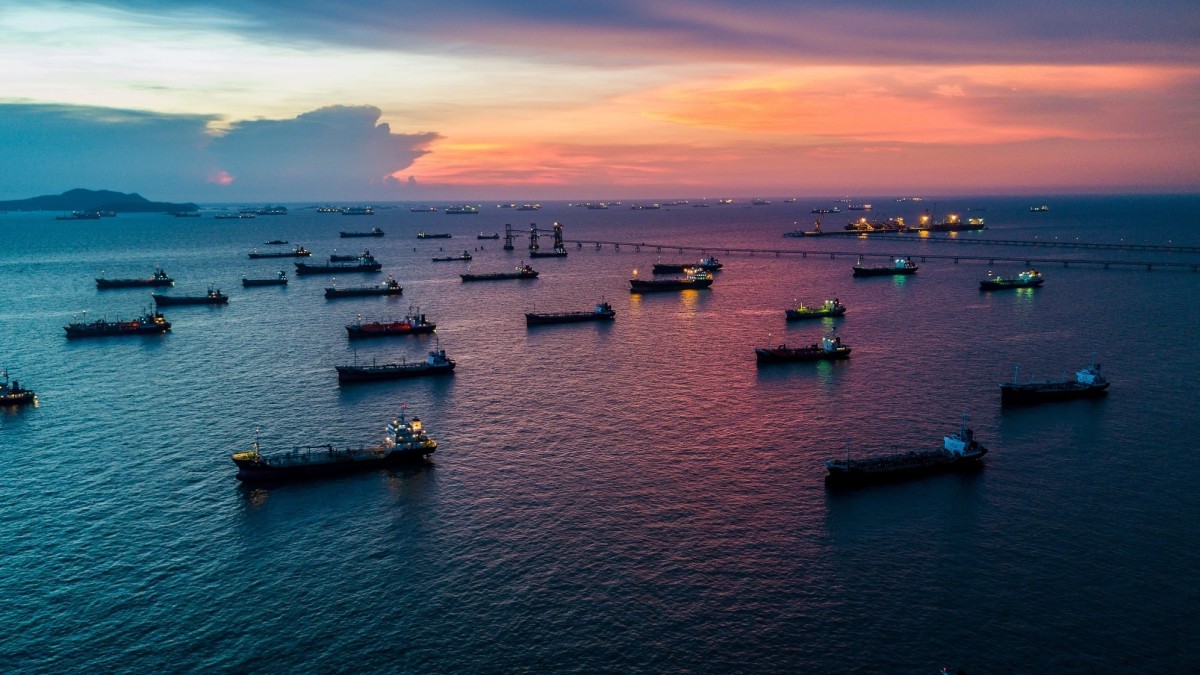
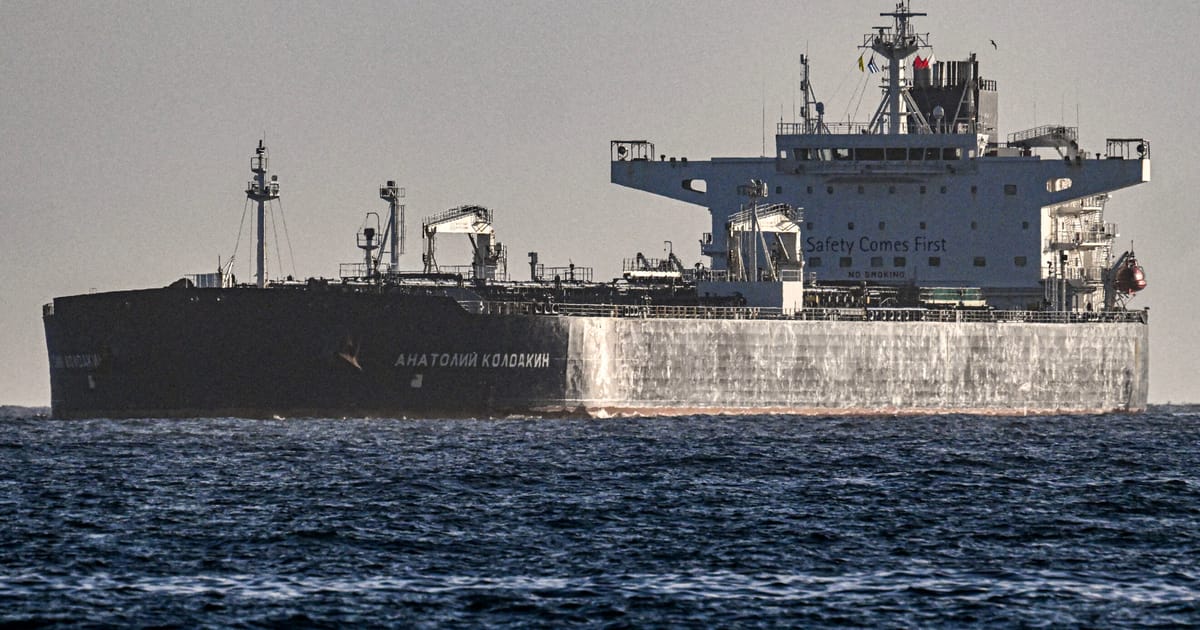
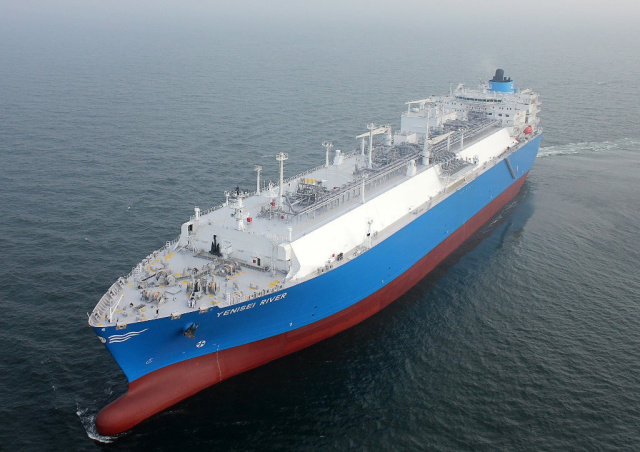
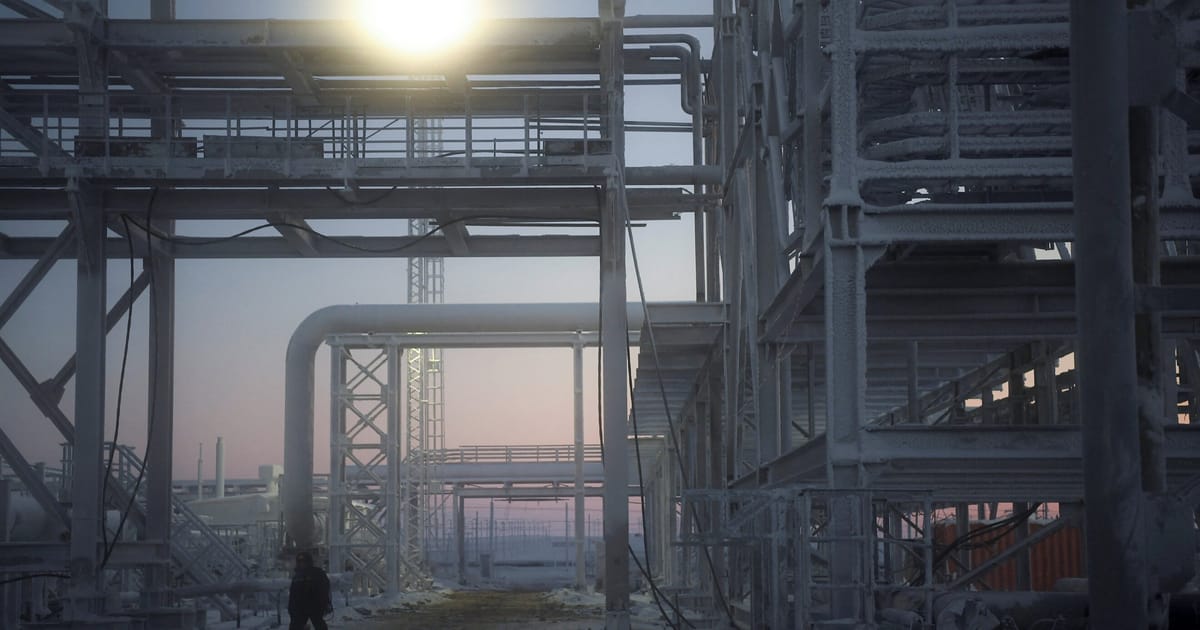
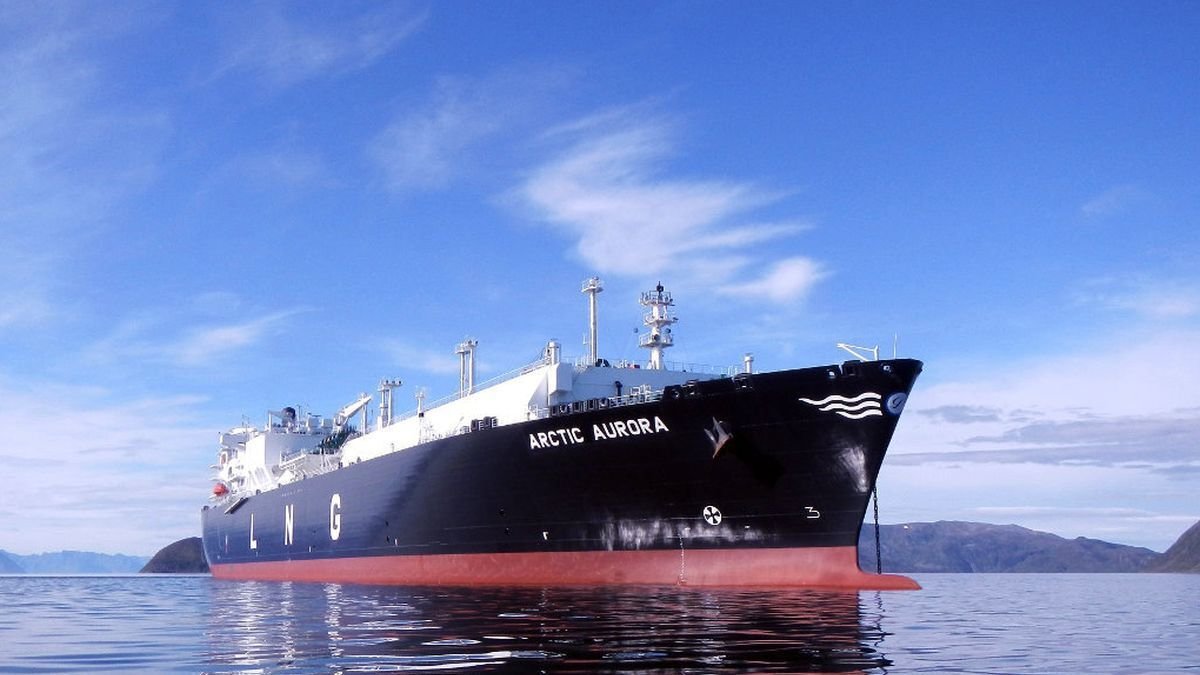
Athens insisted on an exemption for Russian liquefied natural gas (LNG). In the end, however, it succeeded in securing a major concession for its shipping companies by easing a ban that the EU had approved back in 2025.
However, this diplomatic success for Greece means that the sanctions will be weaker than they could have been.