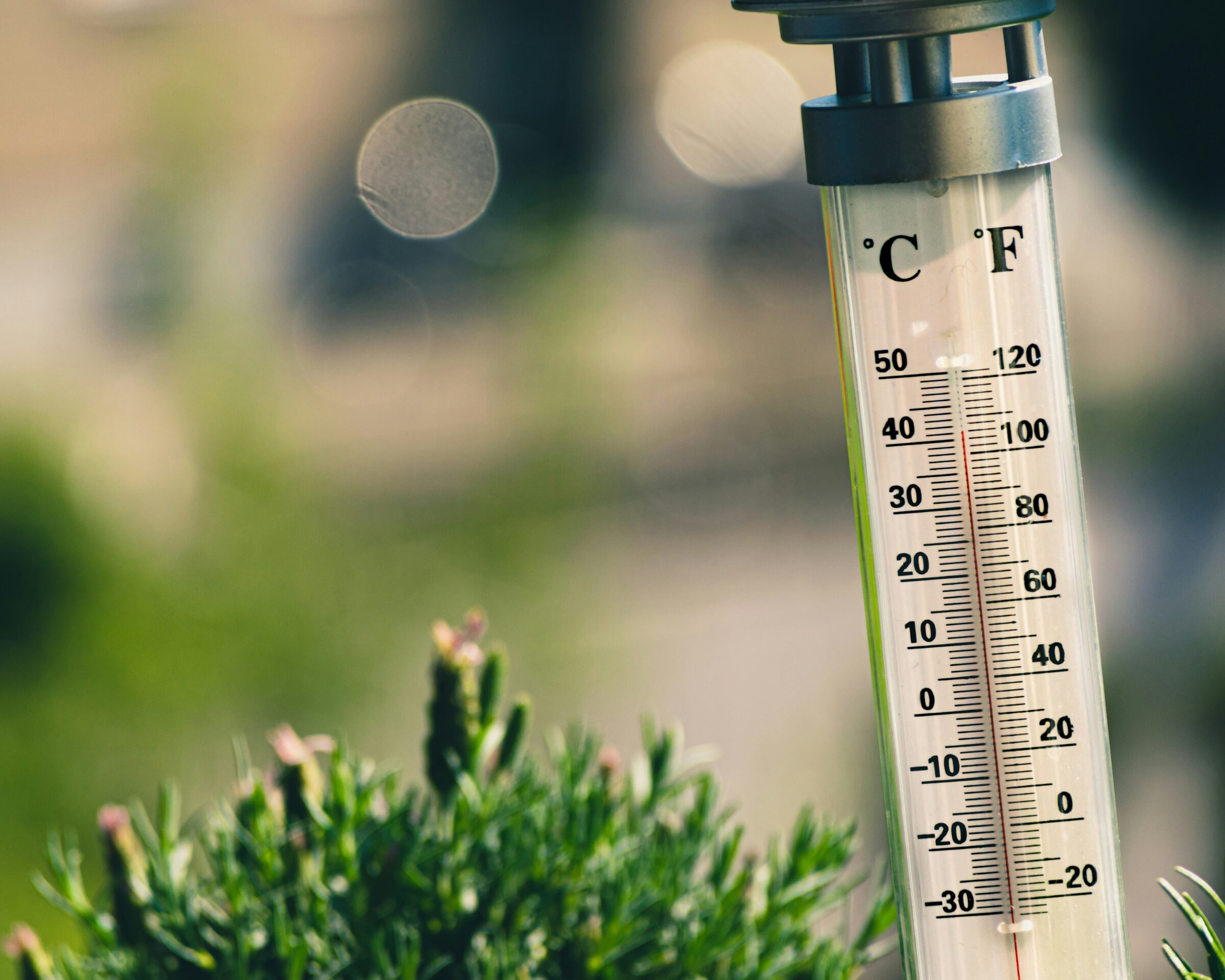
Crippling droughts in Africa’s Sahel region, flash floods in Southeast Asia, sweeping bushfires in Australia, melting permafrost in Siberia: Once the theoretical preserve of scientific models, the impacts of climate change are suddenly becoming a whole lot more real. Europe, to date, has avoided the worst of it. But that looks set to change. According to a landmark study by Copernicus, the EU space program’s Earth observation service, the European continent is now the fastest-warming region on the planet after the Arctic, with temperatures rising at double the global average since the 1990s.
To compound the problem, citizens across Europe are now facing the pending threat of what Copernicus describes as a “very strong” super El Niño. Generated by the warming of the Pacific Ocean, this periodic phenomenon could see temperatures soar to record levels over coming months, scientists warn.
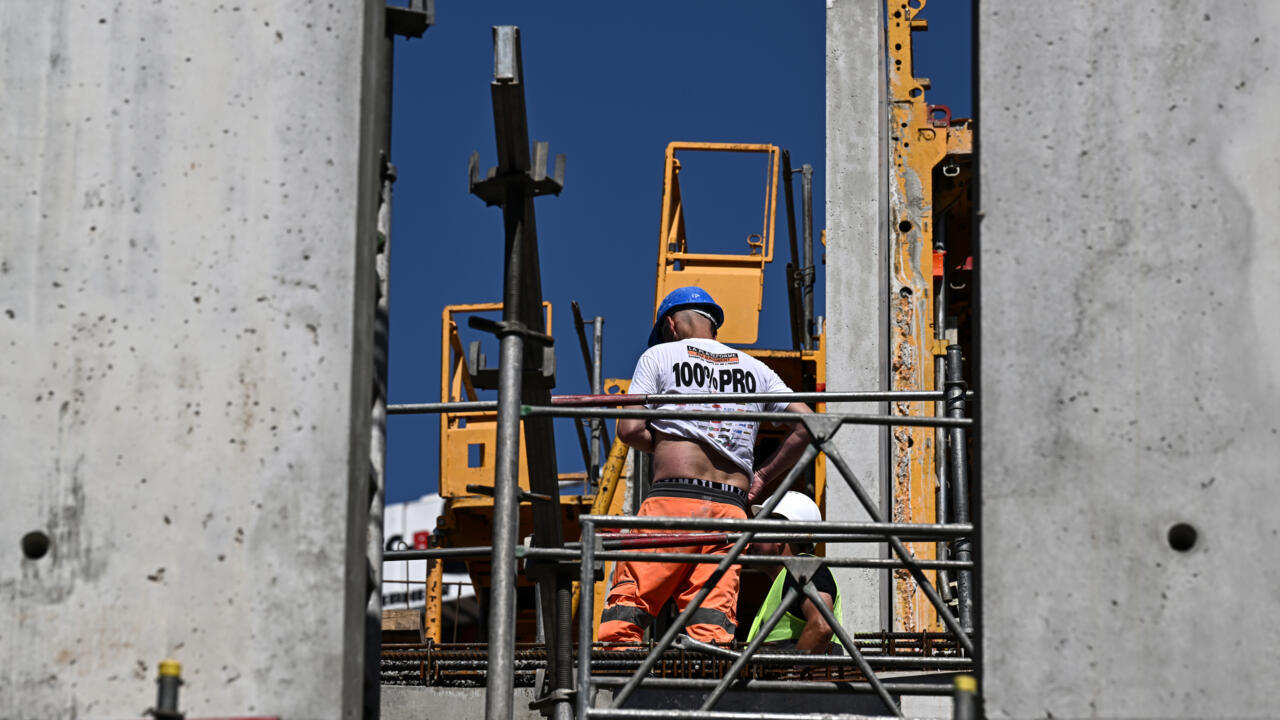
The implications for public health are severe. Up to 25,000 people are estimated to have died during Europe’s worst-ever heat wave in June, with elderly people and vulnerable populations especially affected.
Read more: WPP’s sweeping restructure could save £500 million—the bigger challenge might be winning over workers