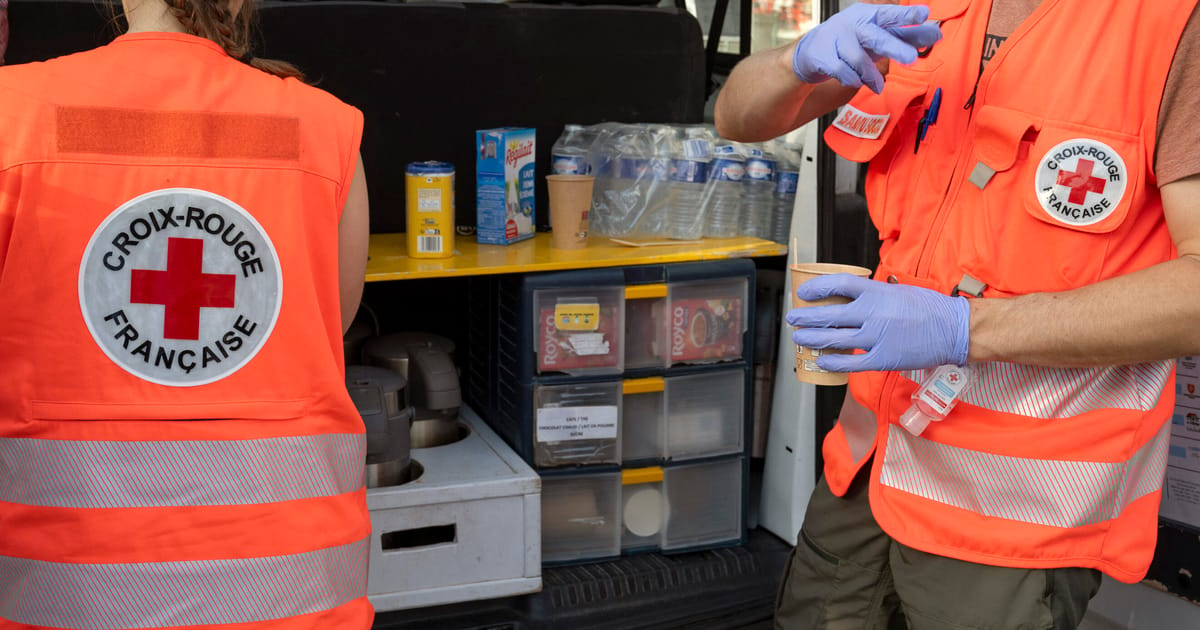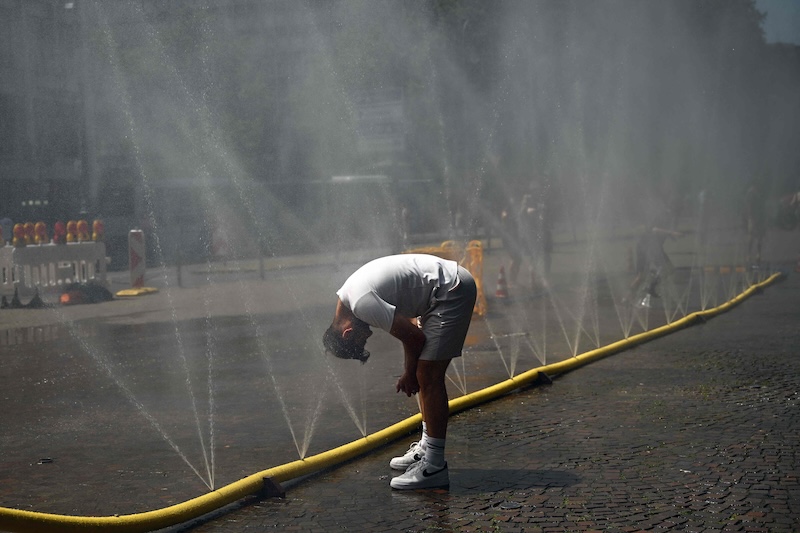
The recent spell of extreme heat has claimed thousands of additional deaths across Europe. With climate change expected to make heatwaves more frequent and more intense, the committee, which coordinates preparedness and responses to serious cross-border health threats, has set out recommendations aimed at strengthening Europe's resilience.
The message is stark: Europe — the world's fastest-warming continent — is not adequately prepared.
Public health systems in many EU countries remain "insufficiently prepared" to cope with prolonged periods of extreme heat, according to the committee's opinion, adopted on 30 July. It argues that tackling the growing threat requires "a cross-sectoral, whole-of-government and whole-of-society approach", combining short-, medium- and long-term measures.
The health impacts extend well beyond heatstroke. Prolonged periods of high temperatures increase mortality, exacerbate existing medical conditions and place additional strain on healthcare systems. They also affect plant and animal health, with knock-on effects for livelihoods and mental wellbeing.
Extreme heat also raises the risk of wildfires, bringing further consequences for public health through deteriorating air quality, damage to critical infrastructure and environmental degradation.